
Mold Inspection in Wismer, PA

Find Hidden Mold Before It Costs You

Professional mold detection catches problems early—protecting your family’s health and your home’s value before minor moisture turns into major damage.
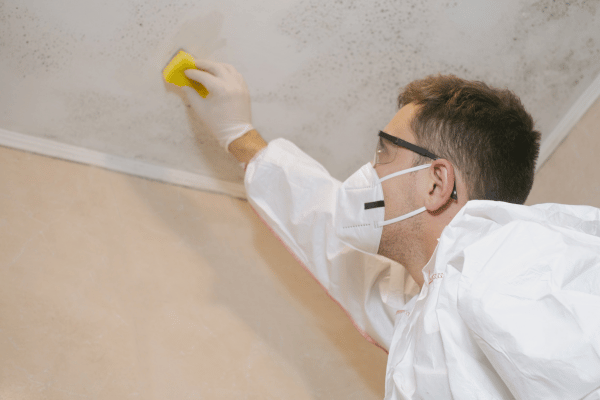
Protective worker in safety suit inspecting or treating mold spots on an indoor ceiling, addressing moisture damage and potential mold growth inside a building.

Hear from Our Customers

Professional Mold Detection in Wismer

Know Exactly What You're Dealing With

You can’t fix what you can’t see. That musty smell in the basement, the allergies that won’t quit, the water stain you dried up months ago—they all point to the same question: is there mold growing where you can’t see it?

A proper home mold inspection gives you the full picture. Not just surface-level guessing, but thermal imaging that spots moisture behind walls, air quality testing that identifies spore levels, and lab analysis that tells you exactly what type of mold you’re dealing with. You get a detailed report that shows contamination levels, affected areas, and what needs to happen next.

That clarity matters. Homes in Wismer, PA and throughout Bucks County lose 20% to 37% of their value when mold goes unaddressed. Half of potential buyers walk away the moment they hear “mold problem.” Early detection means you catch it before it spreads, before it costs thousands in remediation, and before it shows up on an inspection report when you’re trying to sell.

Mold Inspection Company Serving Wismer

We Know What Grows in Pennsylvania Homes

We serve Wismer, PA and the surrounding Bucks County area with certified mold inspection and removal services. Our team uses IICRC-certified methods and advanced detection equipment to find mold in places most homeowners never think to check.

Pennsylvania’s climate creates perfect conditions for mold growth. Precipitation here has increased 5% to 10% in recent years, and that extra moisture finds its way into crawl spaces, attics, and wall cavities. Older homes in Wismer—especially those with previous water damage or aging HVAC systems—are particularly vulnerable.

We’ve seen what happens when mold goes undetected. The longer it grows, the more it costs to remove and the harder it becomes to restore air quality. That’s why our inspections focus on finding problems early, documenting them thoroughly, and giving you a clear path forward.

Protective worker collecting a mold sample from a stained indoor ceiling using a swab, inspecting moisture damage and potential mold growth inside a building.

Our Mold Detection Process in Wismer

Here's What Happens During Your Inspection

We start with a visual assessment of your property—checking common problem areas like basements, bathrooms, attics, and anywhere you’ve had water issues. But we don’t stop at what’s visible. We use thermal imaging cameras to detect temperature variations that indicate hidden moisture, and moisture meters to measure water content in walls, floors, and ceilings.

If we find signs of contamination, we collect air samples and surface samples for lab testing. Those samples tell us what species of mold is present, how concentrated the spore levels are, and whether you’re dealing with common mold or something more concerning like black mold. The lab results take a few days, but they give us the data we need to recommend the right remediation approach.

You receive a complete written report that documents everything we found—photos, moisture readings, lab results, and our professional assessment. If remediation is needed, we explain what that process looks like, how long it takes, and what it costs. If your home is clear, you get documentation proving that for insurance purposes or real estate transactions.

The entire inspection typically takes 1-3 hours depending on your home’s size and the extent of suspected contamination.

Home interior with mold remediation in progress as a worker sprays treatment on a wall using a ladder, while a resident relaxes on a covered sofa in a renovated living room.

Ready to get started?

Explore More Services

About Mack's Mold Removal

Black Mold Inspection Services in Wismer

What's Included in a Mold Inspection

Every mold detection service we perform includes a thorough visual inspection of your property’s interior and exterior, moisture mapping using professional-grade meters, thermal imaging to identify hidden water intrusion, and air quality sampling to measure airborne spore concentrations. We also take surface samples from suspected growth areas and send them to an accredited laboratory for species identification.

You get a detailed written report with photos, lab results, moisture readings, and our recommendations. If we find contamination, the report outlines affected areas, contamination levels, and the scope of remediation needed. That documentation supports insurance claims and gives you leverage when negotiating repairs with contractors or sellers.

In Wismer and Bucks County, we’re seeing more mold cases tied to increased rainfall and aging home infrastructure. Homes built before modern moisture barriers were standard are especially at risk. Basements with foundation cracks, attics with poor ventilation, and bathrooms without proper exhaust fans create environments where mold establishes quickly—often within 24 to 48 hours of water exposure.

Our inspection process catches those problems before they become health hazards or expensive remediation projects. Nearly 47% of homes show visible mold or detectable mold odor, but professional testing reveals the full extent of contamination that homeowners can’t see on their own.

How much does a professional mold inspection cost in Wismer, PA?

Most mold inspections in the Wismer area run between $300 and $600 depending on your home’s size and how extensive the testing needs to be. A basic inspection with visual assessment and moisture mapping costs less than a full inspection with multiple air samples and lab analysis.

That upfront cost prevents much bigger expenses down the road. The average mold remediation project in the U.S. costs $2,300, but severe contamination can run $10,000 or more if it’s spread through HVAC systems or structural materials. Catching it early means you’re dealing with a small affected area instead of whole-house contamination.

If you’re buying a home, the inspection cost is minimal compared to the financial risk. A property with undisclosed mold problems can lose 20% to 37% of its value, and you’d be responsible for remediation after closing. Spending a few hundred dollars before you sign protects you from inheriting someone else’s moisture problem.

Persistent musty odors are the most common sign—especially in basements, bathrooms, or areas that stay damp. If the smell doesn’t go away after cleaning and airing out the space, there’s likely mold growing somewhere you can’t see.

Worsening allergy symptoms that improve when you leave the house point to poor indoor air quality. Chronic sinus congestion, coughing, eye irritation, and fatigue are all linked to mold exposure. If multiple people in your household are experiencing these symptoms, it’s worth testing your air quality.

Visible water damage—even old stains from leaks you fixed months ago—often means mold is growing behind the surface. Discoloration on walls or ceilings, peeling paint, warped floors, and condensation on windows all indicate moisture problems that create ideal conditions for mold growth. You don’t need to see actual mold to have a mold problem.

Plan on 1-3 hours for the inspection itself, depending on your home’s size and how many areas we need to test. We’ll walk through your property checking common problem spots, using thermal cameras and moisture meters to find hidden water intrusion, and collecting samples from suspected contamination areas.

You can be present during the inspection—most homeowners prefer to walk through with us so they understand what we’re finding and why certain areas are concerning. We’ll explain what the equipment is detecting and answer questions as we go.

Lab results typically come back within 3-5 business days. Once we have those results, we compile everything into a written report with photos, data, and our professional recommendations. If remediation is needed, we’ll explain the scope of work and provide a clear estimate. If your home tests clean, you get documentation proving that for your records.

DIY mold test kits from hardware stores only tell you if mold spores are present—which they are in virtually every home. Those tests don’t measure concentration levels, identify species, or locate the source of contamination. You end up with a positive result and no useful information about what to do next.

Professional mold detection uses calibrated equipment that measures moisture content, temperature variations, and airborne spore concentrations. We know where mold hides—inside wall cavities, under flooring, in HVAC ducts, and behind finished basements. Thermal imaging and moisture mapping find those hidden sources that surface-level testing misses.

The lab analysis we use identifies specific mold species, which matters because different types require different remediation approaches. Black mold requires more aggressive containment than common household molds. Insurance companies and real estate transactions require professional documentation, not results from a $10 test kit. If you’re serious about understanding what’s growing in your home, professional testing gives you actionable data instead of vague confirmation.

First, you get a detailed report showing exactly where the mold is, what type it is, and how extensive the contamination is. That report includes lab results, photos, moisture readings, and our assessment of what needs to happen next.

If the affected area is small and contained, remediation might be straightforward—removing contaminated materials, treating surfaces, and fixing the moisture source. Larger contamination requires containment procedures, air filtration, and sometimes HVAC cleaning to prevent spores from spreading during removal.

We develop a customized remediation plan based on what we found during inspection. That plan outlines the scope of work, timeline, and cost. We handle the entire process—containment, removal, treatment, and prevention measures to keep mold from returning. You’re not left figuring out next steps on your own. The inspection report also supports insurance claims if your policy covers mold damage, and it gives you documentation if you’re negotiating repairs with a seller or contractor.

Mold starts growing within 24 to 48 hours after materials get wet. If you’ve had a leak, flood, or significant water intrusion, you’re already in the window where mold can establish. Waiting to see if it develops means you’re giving it time to spread.

Get an inspection as soon as the affected area is dry enough to assess—usually within a few days of the water event. Even if you dried everything quickly, moisture can be trapped inside walls, under flooring, or in insulation where you can’t see it. Our moisture meters and thermal imaging detect that hidden water before mold takes hold.

If the water damage happened weeks or months ago and you’re just now noticing symptoms—odors, health issues, visible stains—there’s likely already mold growth that needs professional assessment. The longer it grows undisturbed, the more extensive remediation becomes. Early inspection after any water event is always cheaper than waiting until you have a full contamination problem.

Other Services we provide in Wismer