
Mold Inspection in Strawberry Mansion, PA

Know What's Growing Before It Spreads

Professional mold detection that finds hidden problems in your home’s walls, basement, and attics—with clear answers and no pressure to buy services you don’t need.
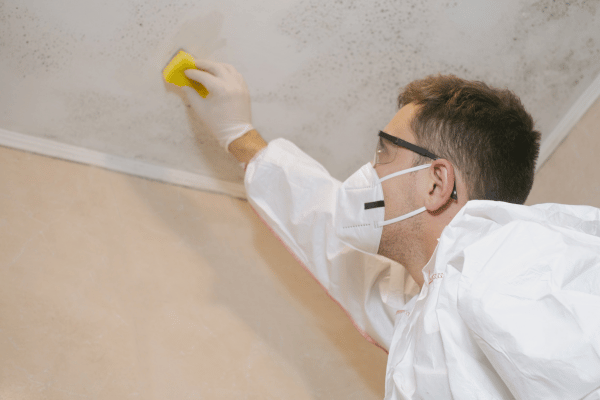
Protective worker in safety suit inspecting or treating mold spots on an indoor ceiling, addressing moisture damage and potential mold growth inside a building.

Hear from Our Customers

Home Mold Inspection Services

Stop Guessing About That Musty Smell

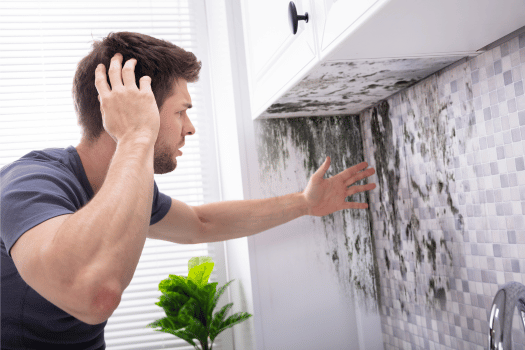
You notice the smell when you walk into your basement. Your kids cough more at home than anywhere else. You see dark spots near the bathroom ceiling but don’t know if it’s dirt or something worse.

Here’s what changes after a proper mold inspection: you know exactly what you’re dealing with. No more wondering if that persistent odor is harmless or hazardous. No more worrying whether your family’s breathing problems are connected to something growing in your walls.

You get lab results that tell you what types of mold are present and whether the levels in your home are higher than what’s normal outdoors. You get a clear report that identifies where moisture is coming from—whether it’s a roof leak, basement seepage, or poor ventilation. And you get honest recommendations about what actually needs to be fixed, not a sales pitch designed to scare you into spending thousands.

Most importantly, you can make informed decisions about your home and your family’s health. That’s worth more than living with uncertainty.

Mold Detection Company Serving Strawberry Mansion

We Know Philadelphia's Old Homes

We’ve worked in North Philadelphia long enough to understand what you’re up against. Strawberry Mansion has some of the oldest housing stock in the city—beautiful homes built over a century ago, but many with basements that were never designed to stay dry.

We’ve inspected hundreds of homes in this area. We know how these old buildings trap moisture. We know how Philadelphia’s humid summers create perfect conditions for mold growth, especially in homes with limited ventilation and aging infrastructure.

We’re not here to sell you services you don’t need. We inspect, we test, we report what we find. If there’s a problem, we’ll tell you what’s causing it and what your options are. If there isn’t, we’ll tell you that too.

Protective worker collecting a mold sample from a stained indoor ceiling using a swab, inspecting moisture damage and potential mold growth inside a building.

Our Mold Inspection Process

What Happens During Your Inspection

We start with a complete visual inspection of your property. That means checking every area where mold typically grows—basements, bathrooms, attics, crawl spaces, and around windows. We also look in places most people don’t think to check, like behind finished basement walls and under sinks.

We use moisture meters and thermal imaging cameras to detect elevated humidity levels that you can’t see. These tools help us find problem areas before mold becomes visible. If we find suspicious growth or conditions that support mold, we take air samples and surface samples.

Those samples go to an independent certified lab for analysis. You’re not relying on our opinion—you’re getting scientific data about what’s actually in your home. The lab identifies specific mold types and measures their concentration levels.

Within three to five business days, you receive a comprehensive report. We break down the findings in plain language, explain what each result means, and identify the moisture source causing any problems. Then we give you clear recommendations for next steps—whether that’s fixing a leak, improving ventilation, or addressing contamination.

You’re never pressured to hire us for remediation. Our job is to give you accurate information so you can make the right decision for your situation.

Home interior with mold remediation in progress as a worker sprays treatment on a wall using a ladder, while a resident relaxes on a covered sofa in a renovated living room.

Ready to get started?

Explore More Services

About Mack's Mold Removal

Black Mold Inspection and Testing

What's Included in Your Inspection

Your mold inspection includes a thorough visual assessment of your entire property, moisture detection using professional-grade equipment, and two air samples with full lab analysis. We check common problem areas and hidden spaces where mold grows undetected.

In Strawberry Mansion, we pay special attention to basements. The water table in this part of Philadelphia is high, which increases hydrostatic pressure against foundation walls. Many homes in this neighborhood have basement moisture issues because of their age and location. We look for signs of water intrusion, poor drainage, and inadequate ventilation—all factors that contribute to mold growth.

We also focus on areas affected by Philadelphia’s extreme heat. Homes in lower-income neighborhoods like Strawberry Mansion can be up to 22 degrees hotter than wealthier areas because of fewer trees and aging buildings. That heat, combined with humidity, creates conditions where mold thrives in attics and upper floors.

Your inspection report includes photos of problem areas, moisture readings, lab results showing mold types and concentration levels, and a written explanation of what we found. We also provide recommendations for addressing moisture sources and preventing future mold growth.

The cost for a basic inspection starts at $350. That’s transparent pricing with no hidden fees. If your situation requires additional testing, we’ll explain why and give you the cost upfront before doing any extra work.

How do I know if I actually need a mold inspection?

You need an inspection if you notice a persistent musty smell that doesn’t go away with cleaning, see visible mold growth anywhere in your home, or experience health symptoms like coughing and congestion that improve when you leave the house. You also need one if you’ve had any water damage—from flooding, leaks, or plumbing problems—even if it happened months ago.

In Strawberry Mansion specifically, you should consider an inspection if you have an older home with a basement. Most homes in this neighborhood are over 50 years old, and many have chronic moisture issues because they were built before modern waterproofing techniques existed. If your basement feels damp, smells musty, or shows signs of water staining, there’s a good chance mold is growing somewhere.

Another reason to get inspected: you’re buying or selling a home. Many buyers request mold inspections as part of their due diligence, and knowing the status of your property before listing it can prevent deal-breaking surprises during negotiations.

A mold inspection is the complete process—visual assessment, moisture detection, and environmental evaluation of your property. Testing is one component of that inspection. It’s when we collect air or surface samples and send them to a lab for analysis.

You can’t skip the inspection and just do testing. Here’s why: taking random samples without understanding the full picture doesn’t tell you much. We need to identify where moisture is coming from, what areas are affected, and whether visible growth is present before we know where to test and what type of samples to collect.

The inspection gives context to the test results. For example, if lab results show elevated mold levels, the inspection findings tell us whether it’s coming from a leaky roof, basement seepage, or a bathroom ventilation problem. Without that context, you have data but no actionable solution. That’s why we always conduct a thorough inspection first, then use testing to confirm what we’re seeing and identify specific mold types.

Our basic mold inspection starts at $350. That includes a complete visual inspection of your property, moisture detection using professional equipment, and two air samples with certified lab analysis. You receive a detailed written report with photos, lab results, and recommendations.

If your home is larger or requires additional testing—like multiple surface samples or testing in several separate areas—the cost goes up. We’ll explain what’s needed and give you the exact price before doing any extra work. No surprises.

Some homeowners worry about affording an inspection, but consider this: undetected mold can reduce your home’s value by 20 to 37 percent. Remediation costs for widespread contamination can run anywhere from $3,000 to $20,000. Spending $350 now to catch a problem early can save you thousands later. It’s also worth checking your insurance policy—many plans cover mold inspections related to water damage claims, which can offset or eliminate your out-of-pocket cost.

DIY kits can tell you if mold spores are present, but they can’t tell you if those levels are normal or dangerous. Mold spores exist everywhere—indoors and outdoors. The question isn’t whether mold is present, it’s whether the concentration in your home is higher than it should be.

DIY kits also don’t identify the moisture source causing mold growth. You might confirm that mold exists, but you still won’t know where it’s coming from or how to fix it. That’s the critical piece. Without finding and eliminating the moisture source, mold will keep coming back no matter how many times you clean it.

Professional inspections use calibrated equipment to measure moisture levels in walls, floors, and ceilings. We use thermal imaging to detect hidden water intrusion. We compare indoor air samples to outdoor samples to determine if your home’s mold levels are elevated. And we provide a comprehensive report that explains what’s happening and what needs to be done. DIY kits can’t do any of that. If you’re serious about understanding your mold situation, professional inspection is the only reliable option.

The most common types we find in Philadelphia homes are Cladosporium, Penicillium, Aspergillus, and Stachybotrys (often called black mold). Cladosporium typically grows on wood surfaces and in HVAC systems. Penicillium is common in water-damaged materials like carpets and wallpaper. Aspergillus thrives in high-humidity environments and often appears in basements and bathrooms.

Stachybotrys is the one most people worry about. It’s a greenish-black mold that grows on materials with high cellulose content—like drywall, wood, and paper—when they stay wet for extended periods. It produces mycotoxins that can cause serious health problems, especially for children and people with respiratory conditions. In Strawberry Mansion, we see Stachybotrys most often in basements with chronic moisture problems and in homes that have had flooding or major leaks.

Philadelphia’s humid climate creates ideal conditions for all these mold types. Summer humidity regularly exceeds 60 percent, and older homes often lack proper ventilation to control indoor moisture levels. That’s why mold problems are so common in this area, and why regular inspection is important if you live in an older home or have had any water issues.

Most inspections take between one and two hours, depending on the size of your home and how many areas need detailed examination. We’re thorough, but we’re also efficient. We don’t waste your time.

During that time, we inspect every room, check all common problem areas, use moisture meters and thermal imaging equipment, and collect air or surface samples if needed. We also take photos to document our findings. If your home has a basement, crawl space, or attic, we’ll spend extra time in those areas since they’re the most likely places for mold growth.

After the inspection, samples go to the lab for analysis. You’ll receive your full report within three to five business days. The report includes lab results, photos, moisture readings, and our recommendations. If you have questions about the findings, we’re available to walk you through the report and explain what everything means. We want you to fully understand your situation so you can make informed decisions about your home.

Other Services we provide in Strawberry Mansion