

Hear from Our Customers
You stop worrying every time you walk into your basement. The musty smell disappears. Your family breathes easier—literally.
That’s what happens when mold removal is done right. Not a quick cleanup that buys you a few months. A real fix that addresses the moisture source, removes contaminated materials properly, and restores your air quality to safe levels.
You get documentation showing the job was done correctly. If you’re filing an insurance claim, you get the paperwork you need. And if you’re selling your home down the road, you won’t have a mold disclosure haunting your listing. The problem gets handled once, completely, by people who know what they’re looking for in Strawberry Mansion’s older homes.
We’ve been handling mold problems in Philadelphia neighborhoods since 1997. We know the housing stock here. The brick rowhomes with shared walls. The finished basements that trap moisture behind drywall. The attics with poor ventilation that turn into mold farms every humid summer.
Strawberry Mansion has some of the city’s most beautiful historic homes—and some of its trickiest mold situations. Old plaster walls, aging foundations, drainage issues that have been around longer than anyone can remember. We’ve seen it all, and we know how to fix it.
When your neighbors need mold removed, they call us. When local insurance adjusters need reliable documentation, they trust our work. That’s not marketing talk—it’s just what happens when you do this long enough and do it right.

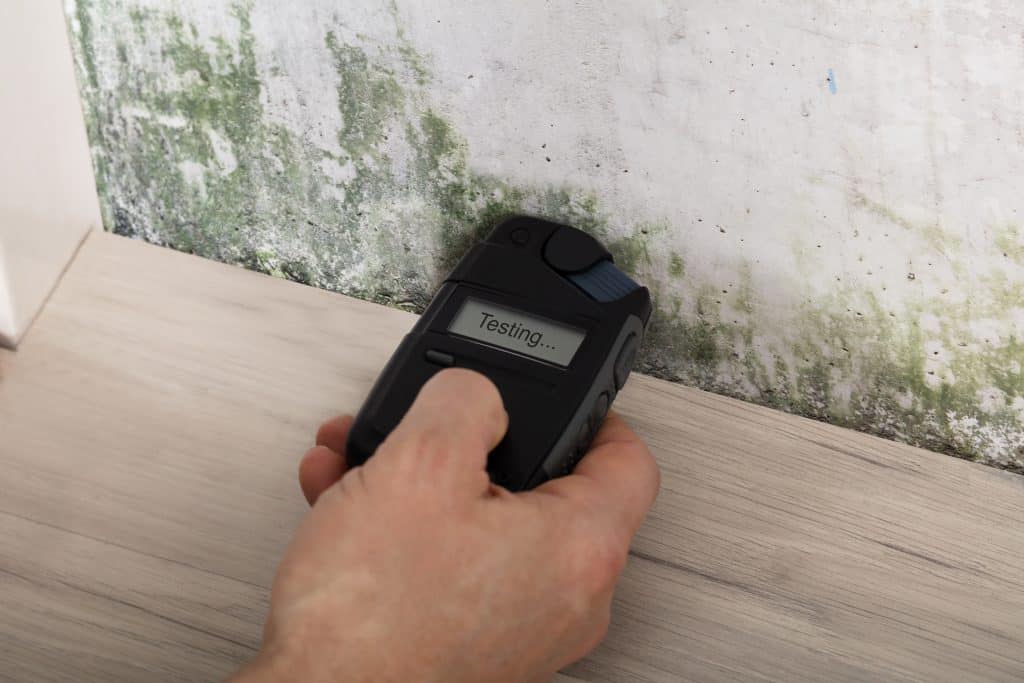
First, we come out for a free inspection. No pressure, no surprise fees. We use moisture meters and thermal imaging to find problems you can’t see yet—water trapped in walls, humidity pockets in crawl spaces, leaks that haven’t shown themselves on the surface.
Then we test samples in a certified lab to identify exactly what type of mold you’re dealing with. That matters because black mold requires different protocols than surface mildew. You get a detailed report explaining what we found and what needs to happen next.
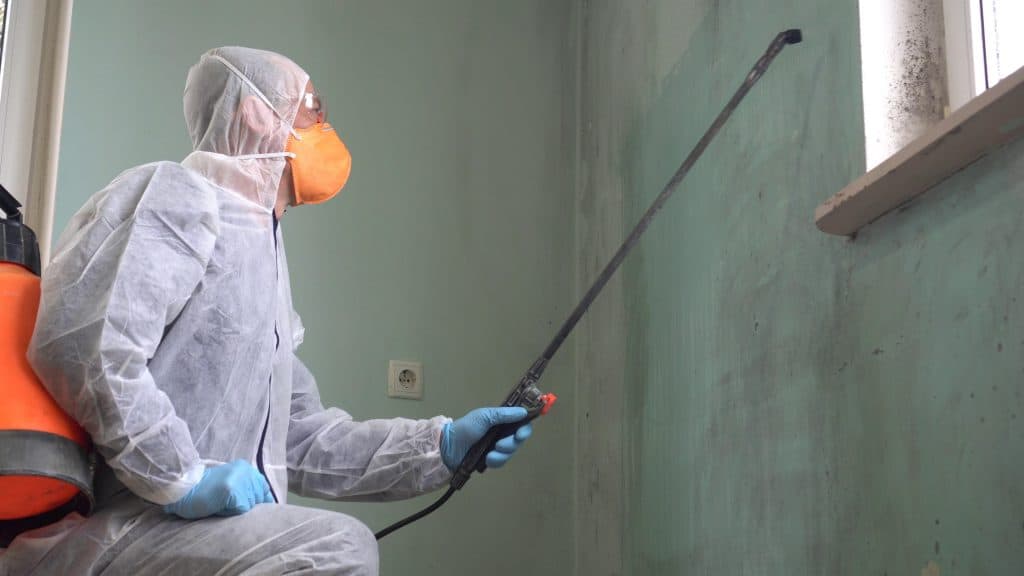
If you move forward, we set up proper containment using plastic sheeting and negative air pressure. That keeps spores from spreading to clean areas while we work. We remove contaminated materials—drywall, insulation, whatever can’t be salvaged—and treat affected surfaces with EPA-approved antimicrobial solutions.
After removal, we fix the moisture problem. That might mean better ventilation, foundation repairs, or fixing a plumbing leak. Then we verify the air quality with post-remediation testing. You get before-and-after documentation, photos, and lab results showing your home is safe again.
Ready to get started?
You get a thorough inspection with moisture mapping and mold testing. Proper containment so the problem doesn’t spread. Complete removal of contaminated materials using safety protocols that protect both you and our crew. Treatment of affected areas with solutions that actually kill mold at the root level.
We also identify and fix the moisture source—because mold is just a symptom. In Strawberry Mansion, that often means addressing foundation seepage, poor attic ventilation, or plumbing issues common in older homes. Philadelphia’s humid summers and aging housing stock create perfect conditions for mold growth, especially in basements where brick and stone foundations let moisture seep through during heavy rains.
You get help with insurance documentation if you’re filing a claim. Post-remediation air quality testing to verify the work. And a guarantee that if the mold comes back because we missed something, we’ll make it right. The whole process is designed to give you one thing: a home that’s actually safe, with proof that the job was done correctly.
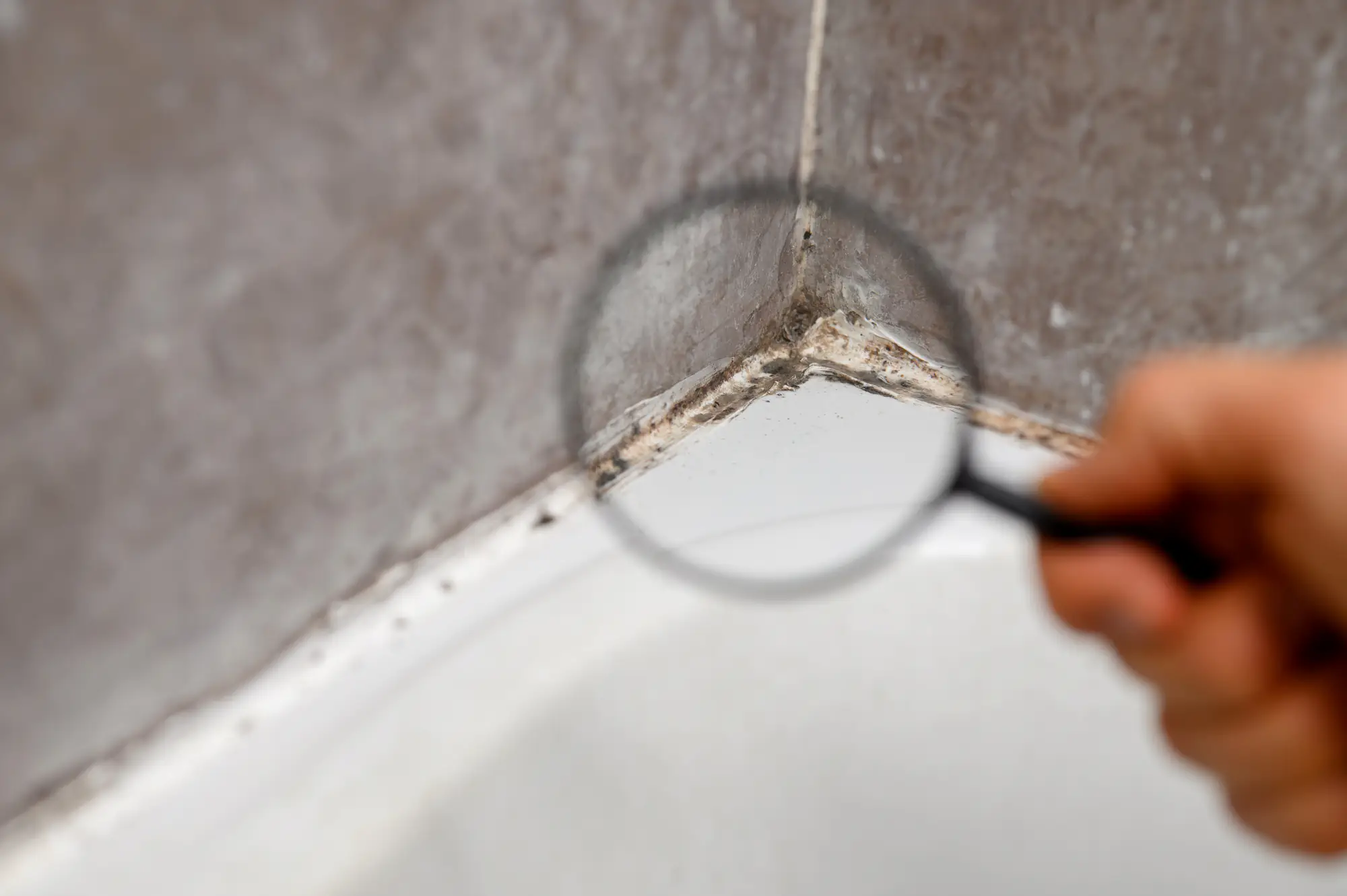
If the affected area is smaller than about 10 square feet and you caught it early, you might be able to clean it yourself with proper safety gear. But here’s the thing—most mold you can see is just the surface problem.
The real issue is usually hidden. Behind that small patch on your basement wall, there could be mold covering the entire backside of the drywall. Under your bathroom floor. Inside your HVAC system spreading spores throughout your house every time the heat kicks on.
Professional mold removal makes sense when you’re dealing with black mold, when the affected area is large, when you have health concerns, or when you don’t know the source of the moisture. It also makes sense if you’re filing an insurance claim—you’ll need proper documentation. DIY cleanup can actually make things worse if you disturb mold without proper containment, releasing thousands of spores into your air.
A straightforward basement mold job usually takes two to four days. That includes containment setup, removal, treatment, and initial drying. More extensive problems—like mold in multiple rooms or behind walls throughout your home—can take a week or longer.
The timeline depends on how much material needs to be removed and how long it takes to dry everything out. Philadelphia’s humidity doesn’t help. Even after we remove the mold, affected areas need to reach specific moisture levels before we can verify the job is complete.
You can usually stay in your home during the work as long as we’re not remediating your main living areas. We seal off the work zone with plastic sheeting and use negative air pressure to keep spores contained. If we’re working in your bedroom or kitchen, you might need to stay elsewhere for a few days. We’ll walk you through exactly what to expect during your inspection.
It depends on what caused the mold. If it resulted from a covered event—like a burst pipe, roof leak during a storm, or sudden water damage—most policies will cover remediation. If it’s from long-term neglect, poor maintenance, or ongoing moisture problems you didn’t address, probably not.
The key is documentation. Insurance companies want to see that the mold resulted from a specific incident, not gradual deterioration. That’s where professional mold removal helps—we document everything with photos, moisture readings, and lab reports showing exactly what happened.
We work directly with insurance adjusters regularly. We know what they need to see, how to present the claim, and how to maximize your coverage. Most of our clients pay a deductible and insurance handles the rest, but every policy is different. We’ll review your situation during the inspection and let you know what to expect before you commit to anything.
The age of the housing stock is the biggest factor. Many homes here were built before modern ventilation standards, with plaster walls and brick foundations that trap moisture. Those old brick and stone foundations let water seep through, especially during Philadelphia’s heavy rains.
Finished basements are another common culprit. Someone finished the basement decades ago, sealed everything up with drywall, and created the perfect dark, damp environment for mold behind the walls. Poor drainage around the foundation makes it worse—water pools against your basement walls and slowly works its way inside.
Attics with inadequate ventilation turn into mold farms during humid summers. Bathroom exhaust fans that vent into the attic instead of outside. Roof leaks that go unnoticed for months. Plumbing issues in older homes where pipes are aging and connections start to fail. The combination of Philadelphia’s climate—humid summers, lots of rain, proximity to rivers—and aging infrastructure creates constant mold pressure. You’re not doing anything wrong. The conditions here just make it more likely.
Proper mold removal includes post-remediation air quality testing. That’s a lab analysis showing spore counts in your home are back to normal levels. If a company doesn’t offer that, they’re not verifying their own work.
You should also see complete documentation—before and after photos, moisture readings showing the source was addressed, and a detailed report of what was removed and how. The affected area should be visibly clean with no musty odor remaining.
Ask about the containment process. Professionals use plastic sheeting and negative air pressure to prevent cross-contamination. They remove contaminated materials in sealed bags. They wear proper protective equipment. If someone shows up without containment setup and just starts spraying bleach on your walls, that’s not professional mold removal—that’s surface cleaning that won’t solve anything. You should feel confident the moisture source was identified and fixed, not just the visible mold cleaned up. Otherwise, you’re looking at the same problem again in a few months.
If it comes back, something was missed. Either the moisture source wasn’t fully addressed, or there was mold in an area that wasn’t identified during the initial inspection. That’s why guarantees matter.
Our work comes with a guarantee. If mold returns in a treated area because we missed something, we come back and make it right. That’s not standard across the industry, so ask before you hire anyone.
The most common reason mold returns is that the underlying moisture problem wasn’t actually fixed. Maybe the foundation crack was sealed but the grading around your house still directs water toward your basement. Maybe the bathroom exhaust was improved but there’s still a slow leak inside the wall. Professional mold removal means addressing both the mold and what caused it. If a company only focuses on cleaning up what’s visible, you’re going to see it again. That’s the difference between a mold specialist who understands building science and someone who just removes what they can see.
Other Services we provide in Strawberry Mansion