
Mold Removal in Pennsylvania and New Jersey

#1 Choice in Mold Removal and Restoration

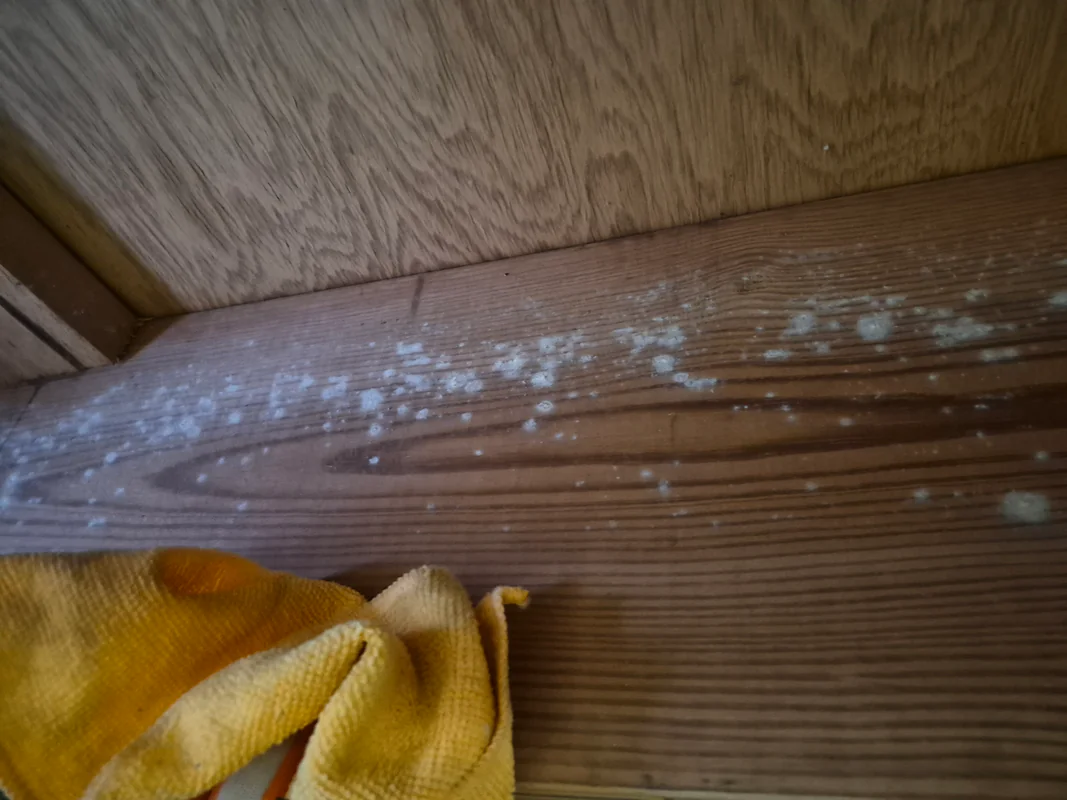
Close-up of a moldy wooden surface showing dark moisture damage in Bucks County, Pennsylvania.

Map the spread

Mack's covers Bucks County, Philadelphia and the surrounding counties, and into New Jersey.

Mold only

No carpets, no fire jobs, no general restoration. Mold is the entire trade here.

Open 8am to 8pm

Seven days, because the day you find it is the day you want to talk to somebody.

5.0 from 137 reviews

Left by homeowners across Bucks County and Philadelphia on the Google listing.

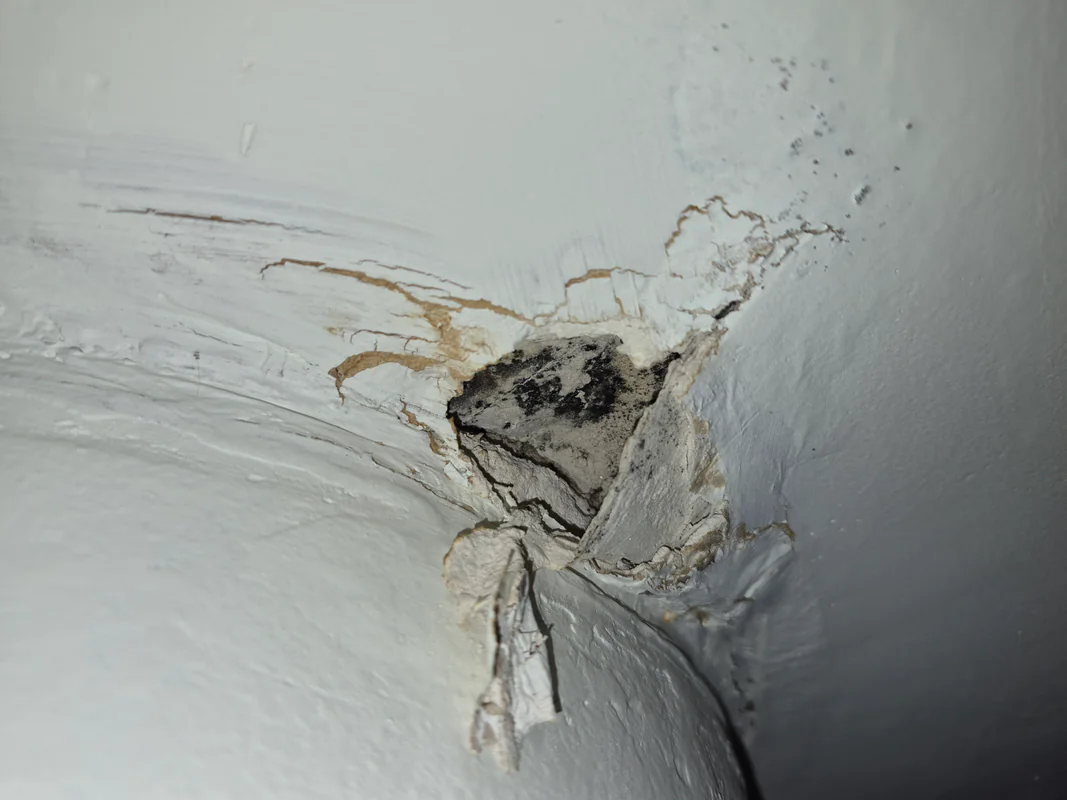
Damaged wall crack in a Bucks County, Pennsylvania home showing visible interior wall damage needing professional repair

Mold removal in Bucks County and Philadelphia

The part of the job that happens behind the wall

Mold removal is mostly a question of how far the colony has already travelled. What shows on the surface is the part that ran out of dark, damp space to grow into, so the patch on the wall is usually the smallest part of the problem rather than the whole of it. That is why the work starts with moisture readings and a look behind the finish rather than with a scrub brush. Mack’s Mold Removal treats the visible growth as evidence and goes looking for the rest of it.

Hear from Our Customers

What mold removal changes in a home

What you get back

What actually improves once the colony is gone and the source is closed.

The musty smell goes, and it stays gone, because the material holding it was taken out.

Airborne spore counts drop back toward what is outdoors, which is the level a home should sit at.

The moisture that fed it is corrected, so you are not doing this again next summer.

Material that cannot be cleaned is removed rather than sealed behind paint.

Rooms nobody is working in stay clean, because the work area is kept under containment.

You know what was found and how far it had spread, in writing.

Black circular icon with the number 1 in white, minimal flat design symbol commonly used for step four, countdowns, rankings, or list indicators.

Share project details

Call us or get a free online quote to help us identify your project needs.

Black circular icon with the number 2 in white, minimal flat design symbol commonly used for step four, countdowns, rankings, or list indicators.

We'll follow up

If you requested an online quote, you can expect a callback within 24-48 hours of your request.

Black circular icon with the number 3 in white, minimal flat design symbol commonly used for step four, countdowns, rankings, or list indicators.

The floor is yours

Connect with an expert and share all project specifics.

Black circular icon with the number 4 in white, minimal flat design symbol commonly used for step four, countdowns, rankings, or list indicators.

Plan your project

Like what you hear? We'll provide next steps and expert guidance.

Finished basement laundry area in Bucks County, Pennsylvania with washer, dryer, storage space, and clean flooring

Mold symptoms and what black mold does to people

Why some households react and others do not

The common symptoms are unglamorous and easy to blame on something else: a blocked nose, a cough that lingers, itchy eyes, a rash, a headache that clears when you leave the house and comes back when you return. That last pattern is the useful one, because it points at the building rather than the season. Reaction is very uneven between people in the same house. Someone with asthma or an existing mold allergy can be miserable in a room another person finds unremarkable, and children tend to react more than adults. So a household where one person is unwell and nobody else is does not rule mold out. If the pattern follows the building, testing tells you whether the air backs it up.

Is black mold dangerous, and what that actually means

Separating the real risk from the folklore

Black mold has picked up a reputation that sits somewhere ahead of the evidence. Stachybotrys is worth removing and worth taking seriously, but the more useful framing is that any large indoor colony is a problem regardless of its species, and a small one on a non-porous surface usually is not a crisis. Two things decide how serious it is: the size of the colony, and who is breathing it. A square foot behind a bathroom tile and a wall cavity full of growth are different situations even if the species is identical. Which is why the answer starts with measuring the extent, not with naming the mold, and why what the air testing shows carries more weight than the color on the wall.
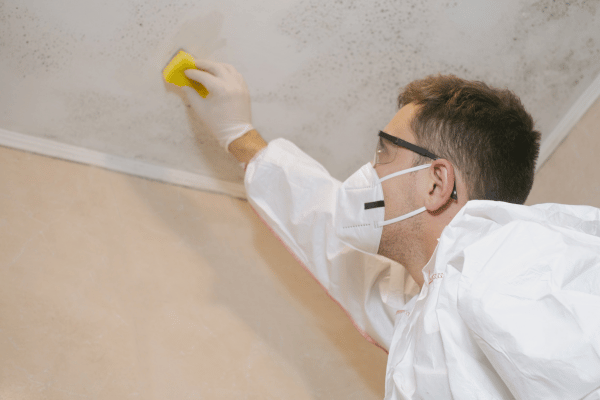
A man wearing a mask cleaning mold from a surface.

Cities we provide Mold Removal In

Black circular icon with the number 1 in white, minimal flat design symbol commonly used for step four, countdowns, rankings, or list indicators.

Map the spread

Moisture readings and a look behind the finish tell us how far past the visible patch the colony has actually gone.

Black circular icon with the number 2 in white, minimal flat design symbol commonly used for step four, countdowns, rankings, or list indicators.

Seal and take it out

The work area goes under containment and negative air, then the affected material is removed rather than treated in place.

Black circular icon with the number 3 in white, minimal flat design symbol commonly used for step four, countdowns, rankings, or list indicators.

Close the source

The water that fed it gets corrected, because removal without that is a repair with a short shelf life.