

Hear from Our Customers
The air in your home clears up. Your kids stop coughing at night. That musty smell in the basement finally goes away.
But here’s what most people don’t realize: getting rid of visible mold isn’t enough. If the source isn’t identified and fixed, it comes back. Sometimes worse than before.
That’s where professional mold removal makes the difference. It’s not just about scrubbing surfaces. It’s about finding where moisture is getting in, why it’s staying, and what’s growing behind the walls you can’t see. The homes in Rosewood Park weren’t all built with modern ventilation or moisture barriers. Many have basements that were never meant to stay dry year-round. Add in Bucks County’s humidity and aging infrastructure, and you’ve got the perfect recipe for recurring mold problems.
When the job’s done right, you’re not just treating symptoms. You’re addressing the cause. That means fewer health scares, no surprise repair bills six months later, and the confidence that your home is safe.
We’ve been serving homeowners in Bucks County since 2002. We’ve worked in hundreds of homes across Rosewood Park, Warminster, and the surrounding area—and we’ve seen what happens when companies put profit over honesty.
Here’s our difference: we don’t do remediation and inspection under the same roof. That means when we assess your home, we’re not trying to sell you a $10,000 project you don’t need. About 35-40% of the time, we find simple, affordable fixes. We’ll tell you exactly what those are.
Our team is IICRC-certified, which means we follow the same standards used nationwide for mold assessment and removal. We know the local housing stock here—the old stone foundations, the post-war construction, the additions that weren’t sealed properly. That local knowledge matters when you’re trying to figure out why mold keeps showing up in the same corner.

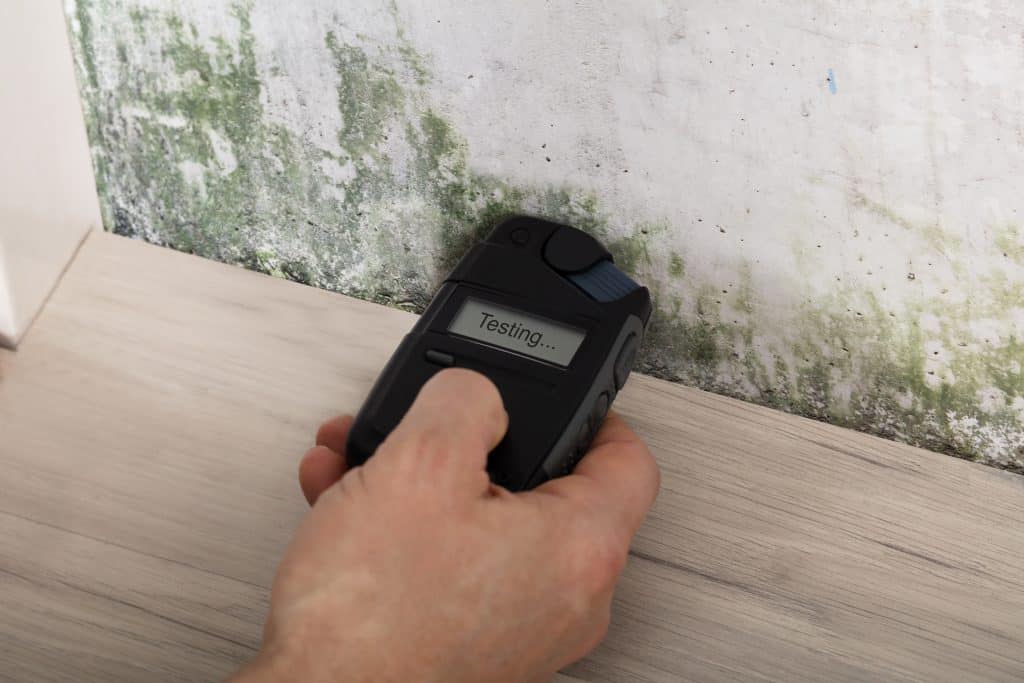
First, we come out and do a full assessment. That means checking the obvious spots and the hidden ones—inside walls, under floors, around HVAC systems. We use moisture meters and thermal imaging to find problems before they become disasters.
Once we know what we’re dealing with, we’ll walk you through what we found. No jargon. No scare tactics. Just a clear explanation of what’s happening, why it’s happening, and what needs to be done. If it’s something you can handle yourself, we’ll tell you. If it requires professional mold cleaning services, we’ll explain why.
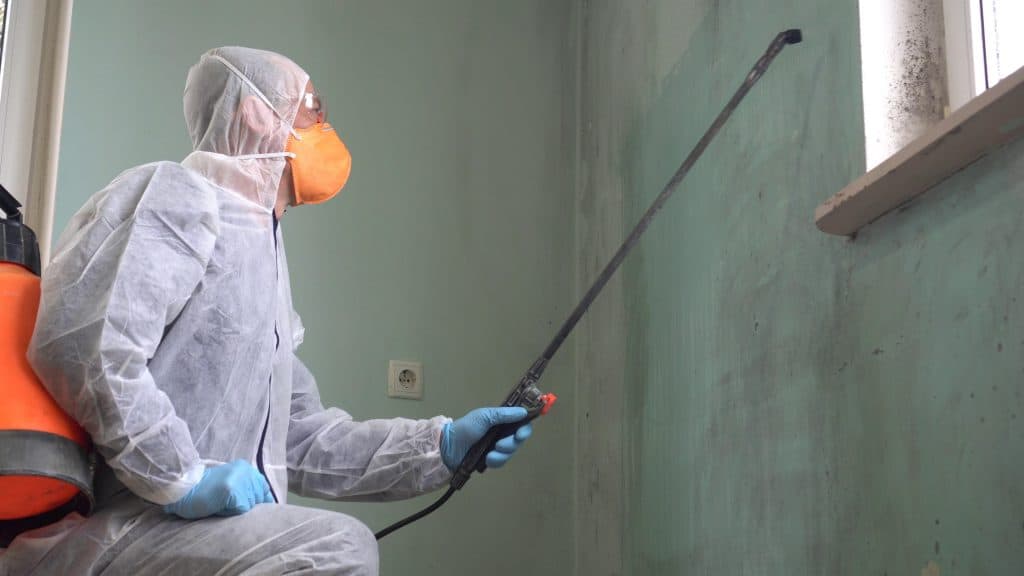
If remediation is needed, we create a containment plan to keep spores from spreading during removal. We remove affected materials safely, treat the area with antimicrobial solutions, and dry everything thoroughly. Then we help you figure out how to keep it from coming back—whether that’s a dehumidifier, better ventilation, or fixing a gutter that’s been dumping water against your foundation for years.
After the work’s done, we provide documentation of everything we did. That’s important if you ever sell the house or need to show your insurance company that the problem was handled correctly.
Ready to get started?
Every mold removal job starts with detection. We’re looking for active growth, moisture sources, and air quality issues. In Rosewood Park, that often means checking basements and crawl spaces first—those areas take the brunt of groundwater and humidity issues common in older Bucks County homes.
If we find black mold (Stachybotrys), we treat it seriously. It’s not always the health nightmare the internet makes it out to be, but it does indicate a serious moisture problem that needs fixing. We contain the area, remove contaminated materials, and treat surfaces that can be saved. Everything gets dried to below 20% moisture content—the threshold where mold can’t grow.
You’ll also get a full report. That includes what we found, what we removed, moisture readings before and after, and recommendations for preventing future growth. We’re not trying to set up a subscription service here. The goal is to fix it once and give you the information to keep it fixed.
One thing we see a lot in this area: mold in attics from poor ventilation, and mold in basements from old stone foundations that wick moisture. Both are fixable, but they require different approaches. A good mold specialist knows the difference and doesn’t try to use the same solution for every problem.
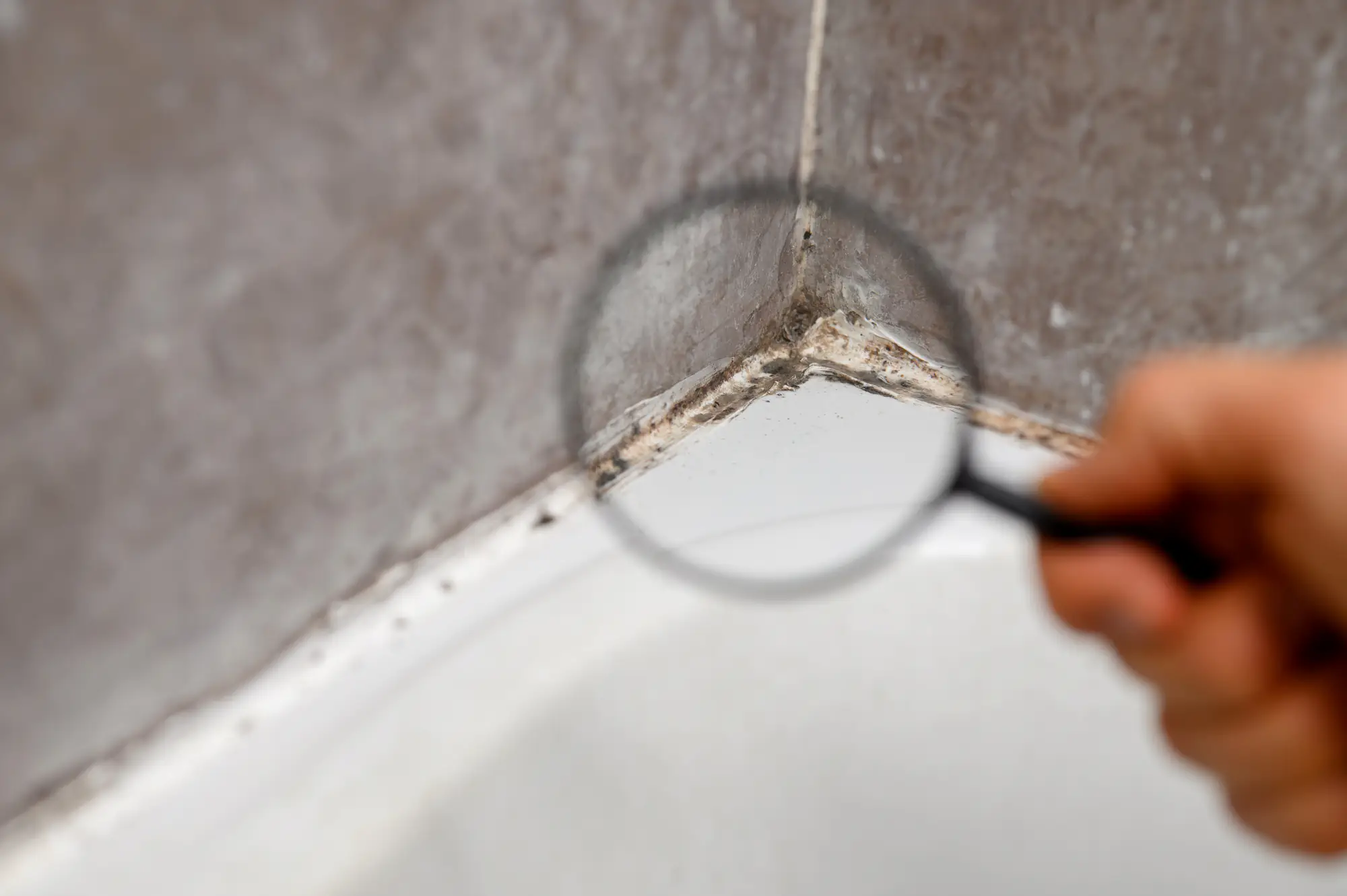
Mold spores can start germinating within 24 to 48 hours if conditions are right. That’s why speed matters when you’ve had a leak, flood, or even just high humidity for an extended period.
Here’s the thing: the clock starts as soon as materials get wet. Drywall, insulation, carpet, wood—they all absorb moisture fast. Once they’re damp and sitting in warm air (which is most of the year in Pennsylvania), mold starts establishing itself.
If you can dry things out within that 24-48 hour window, you can often prevent mold from taking hold. After that window closes, spores develop into fungal networks that spread through building materials. At that point, you’re not just dealing with surface mold anymore. It’s inside the walls, and removal becomes a bigger job.
It depends on the size and location. Small patches on hard surfaces—like tile or glass—can usually be cleaned with the right products and precautions. But if it’s covering more than 10 square feet, inside walls, or in your HVAC system, that’s when you need a mold removal company.
The problem with DIY mold cleaning is that most people only address what they can see. Mold grows in layers, and it spreads through air. If you scrub a wall without containment, you’re sending thousands of spores into the air, where they land and start new colonies.
There’s also the health factor. If anyone in your home has asthma, allergies, or a compromised immune system, DIY attempts can make things worse. Disturbing mold releases more spores into the air, and without proper ventilation and protection, that’s a problem. Professional mold removal includes containment, air filtration, and proper disposal—not just wiping things down and hoping for the best.
Because the moisture source is still there. Mold is a symptom, not the disease. If you’re not fixing the underlying problem, you’re just treating the same issue over and over.
Common culprits in Rosewood Park homes: leaking gutters, poor grading around the foundation, basement humidity, old pipes, roof leaks, and inadequate ventilation. Any one of those can keep feeding mold growth no matter how many times you bleach the walls.
Here’s what happens: you clean the mold, it looks good for a few weeks or months, then it’s back. That’s because spores are everywhere—they’re in the air right now. They only become a problem when they land somewhere damp. If that damp spot is still damp, they grow again. The fix isn’t better cleaning products. It’s finding where the water is coming from and stopping it. That’s what we do that a bottle of bleach can’t.
It varies, but most residential jobs range from $500 for small, contained areas to $6,000+ for extensive remediation involving multiple rooms or structural materials. The cost depends on the size of the affected area, what materials need to be removed, and how accessible the mold is.
Here’s the honest truth: about 35-40% of the homes we inspect don’t need full remediation. Sometimes it’s a simple fix—a leaking pipe, a clogged gutter, a bathroom fan that’s venting into the attic instead of outside. We’ve saved clients thousands by identifying those issues before they turned into bigger problems.
When remediation is necessary, the cost reflects the labor, equipment, containment, disposal, and treatment required to do it safely. Cheap mold removal usually means corners are being cut—no containment, no air filtration, incomplete removal. That leads to recurring problems and higher costs down the road. The goal is to fix it once, correctly, so you’re not paying for the same job twice.
Mold removal refers to physically taking out mold growth from surfaces and materials. Mold remediation is the full process—removal, treatment, moisture control, and prevention. Remediation addresses the whole problem, not just the visible part.
Think of it this way: mold removal is like pulling weeds. Remediation is pulling the weeds and fixing the soil so they don’t grow back. Most people need remediation, not just removal, because surface cleaning doesn’t solve moisture issues or stop spores from spreading.
Professional mold remediation includes containment (so spores don’t spread during the work), air filtration, removal of contaminated materials, antimicrobial treatment, drying, and a plan to prevent recurrence. It’s a more complete approach, and it’s what actually solves the problem instead of masking it. If someone’s offering “mold removal” for a suspiciously low price, ask what’s included. If they’re not addressing moisture or containment, they’re not doing the job right.
Black mold (Stachybotrys chartarum) can cause health problems, especially for people with asthma, allergies, or weakened immune systems. But the internet has made it sound like instant death, which isn’t accurate. What is true: it indicates a serious moisture problem that needs professional attention.
The health risks depend on exposure level and individual sensitivity. Some people experience respiratory issues, headaches, fatigue, or skin irritation. Others don’t notice symptoms at all. But here’s the key: any mold growth in your home is a red flag. It means there’s enough moisture for fungi to thrive, and that’s not good for your home’s structure or your indoor air quality.
Black mold gets attention because it often grows in areas with chronic water damage—places that have been wet for a long time. That’s why it’s more concerning than the mildew on your shower curtain. If you’ve got black mold, the issue isn’t just the mold itself. It’s what caused it and what else might be growing that you can’t see. That’s when you call us and get it assessed properly.
Other Services we provide in Rosewood Park