
Hear from Our Customers
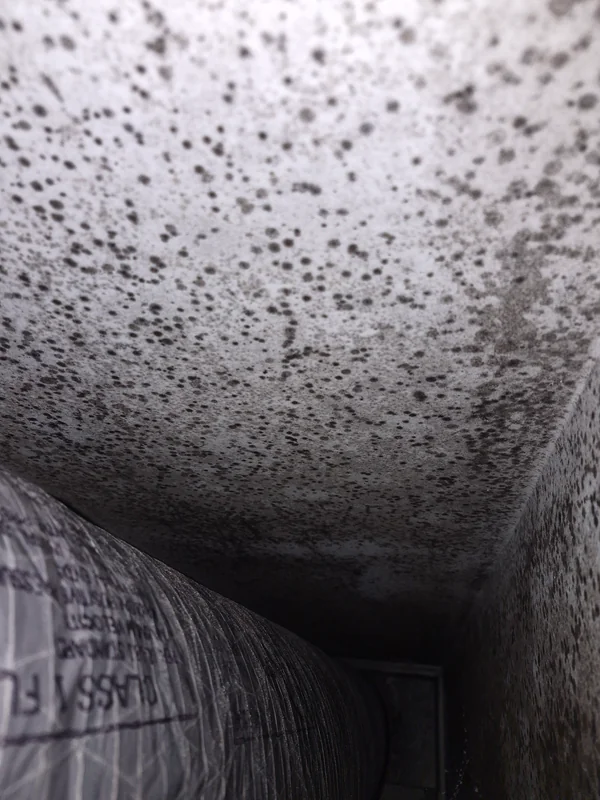
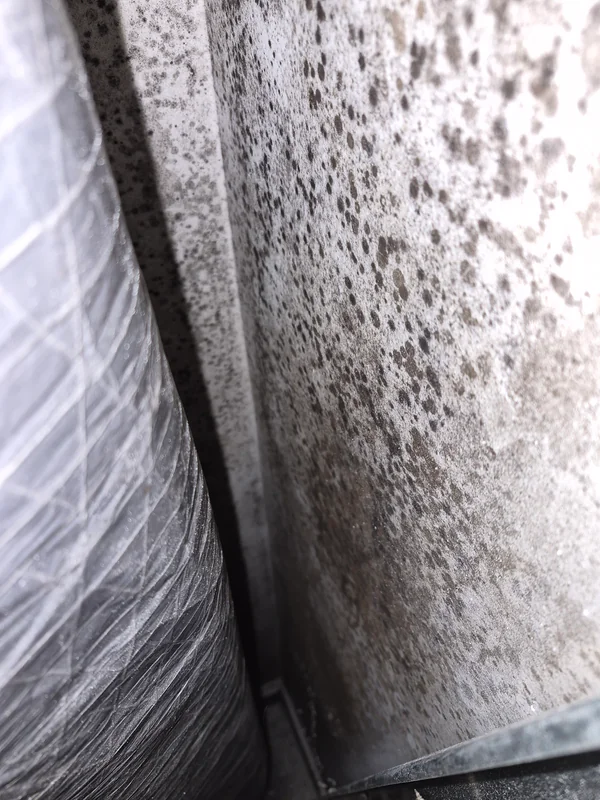
When your HVAC system is running clean, the difference isn’t subtle. The musty smell that kicks on with the AC disappears. Allergy symptoms that you’ve been blaming on pollen or pets start to ease. You stop wondering what your family is breathing every time the heat cycles on in the morning.
For homes in Rosewood Park specifically, this matters more than it does in a newer subdivision. The homes here were built in an era before modern vapor barriers, sealed duct joints, or moisture-resistant insulation. Bucks County already gets around 49 inches of rain a year well above the national average and Warminster’s summer indoor humidity regularly climbs past 68%. In a 65-year-old duct system with aging flex connections and original sheet metal runs, that moisture has had decades to find its way inside.
When mold takes hold in your ductwork, your HVAC system becomes the delivery mechanism. Every time the system runs, it moves air and whatever is growing in those ducts to every room in the house simultaneously. Cleaning the basement or the bathroom wall doesn’t fix that. Addressing the duct system does.
We’ve been working in Rosewood Park and the broader Warminster area since 2002. That’s over 20 years of walking through homes on Henry Avenue and Birch Road, understanding what 1950s construction actually looks like from the inside, and knowing the difference between a duct system that needs a full remediation and one that needs a targeted clean.
Our team is IICRC-certified, which means the technicians working in your home follow the same standards used nationally for mold assessment and removal. That’s not a detail most air duct cleaning companies can offer because most of them aren’t mold specialists. They’re HVAC service companies or carpet cleaners who added duct cleaning to their menu.
We also separate inspection from remediation. When we assess your home, we’re not trying to sell you a $10,000 project you don’t need. About 35 to 40 percent of the time, the fix is simpler and more affordable than homeowners expect and you’ll hear that honestly, regardless of what it means for the job size.

It starts with a free inspection. Before any equipment comes out, we look at your system the supply runs, the return ducts, the HVAC unit itself and identify what’s actually present. In a Rosewood Park home built in 1958, that inspection often turns up things a general HVAC technician wouldn’t flag: aging duct connections that have been pulling in unconditioned air from crawl spaces, sections of flex duct that have been trapping moisture for years, or discoloration near registers that points to biological growth deeper in the system.
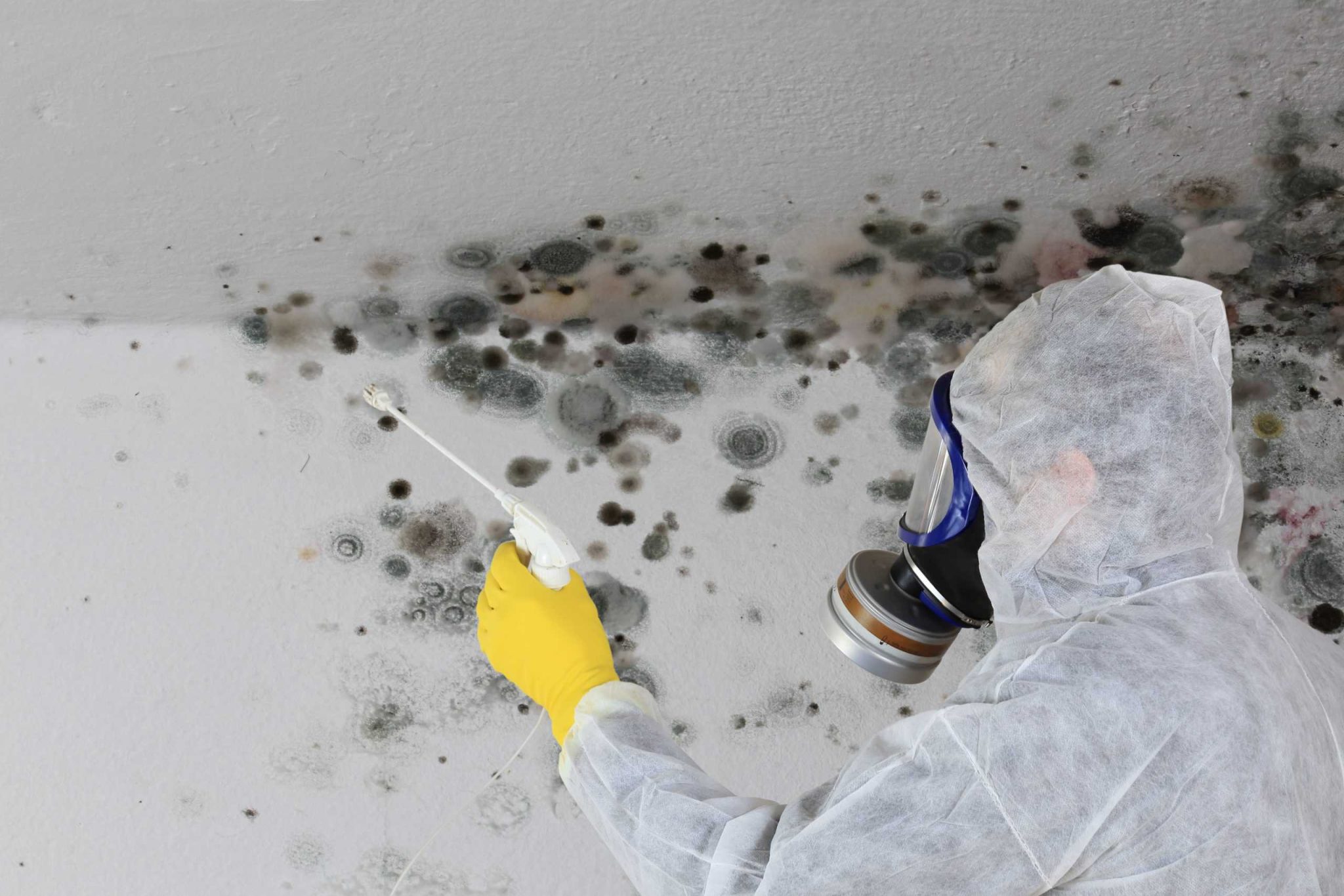
If mold is confirmed, the process shifts into remediation mode not just cleaning mode. That means containment protocols to prevent spores from spreading to other areas of the home while the work is happening. A general duct cleaner disturbing mold without containment can make the problem significantly worse. We bring the same approach to ductwork that we apply to wall cavities and basement mold: find the source, contain it, remove it correctly.
After the cleaning, samples go to a lab. That post-service verification step is what separates a documented result from a promise. You get confirmation that mold levels have returned to acceptable levels not just a technician’s word that the job is done. Given that Warminster’s 18974 ZIP code sits in EPA Radon Zone 1 and carries its own history of environmental concern, that kind of documented proof tends to matter to homeowners here.
Ready to get started?
Air duct cleaning and air duct sanitizing are not the same thing, and in a home where mold has been confirmed, you need both. The cleaning step uses professional-grade equipment negative air pressure systems and HEPA vacuums to remove the physical debris, dust, and biological material from the duct interior. The sanitizing step applies an antimicrobial treatment to address any remaining biological contamination on the duct surfaces. In Rosewood Park homes where summer humidity routinely pushes indoor moisture levels well above comfortable thresholds, skipping the sanitizing step leaves the environment ready for regrowth.
Dryer vent cleaning is also part of what we offer, and in a neighborhood of homes built in the late 1950s, it’s worth taking seriously. The NFPA reports that failure to clean dryer vents is the leading cause of the nearly 16,000 dryer-related home fires that occur in the U.S. every year. In a home where the dryer vent may be original to the 1958 construction or where the vent run has been extended or rerouted over the decades lint accumulation and partial blockages are not hypothetical risks.
We also work directly with insurance companies on claims when applicable, and financing is available for homeowners who need flexibility on timing. Every job starts with a free inspection and a written quote before any work begins. What you’re quoted is what you pay.

The most common sign is a musty smell that appears specifically when your HVAC system kicks on not a general basement smell, but one that travels through the vents and into your living spaces. In Rosewood Park, where homes were built around 1958 and summer indoor humidity regularly exceeds 68%, that smell is worth taking seriously rather than dismissing as “old house smell.”
Other signs include worsening allergy or asthma symptoms that seem tied to when the heat or air conditioning is running, visible discoloration near vent registers, or a history of water intrusion in the basement or crawl space. The challenge is that most mold growth in ductwork happens in the interior sections of the system places you can’t see with a flashlight at the register. A proper inspection by a certified mold specialist, not just a general HVAC technician, is the only reliable way to know what’s actually in there.
It depends entirely on why you’re considering it. The EPA has a nuanced position on routine air duct cleaning for a home with no specific problem, the evidence that it meaningfully improves air quality is mixed. But that’s not the scenario most Rosewood Park homeowners are dealing with when they call.
When mold is confirmed in ductwork, when there’s been water intrusion, when you’ve had mold remediated elsewhere in the home and haven’t addressed the HVAC system, or when you’re in a 65-year-old home that’s never had the ducts inspected those are the situations where the EPA explicitly recommends cleaning. We don’t push this service on homes that don’t need it. The free inspection exists precisely so you get an honest answer before spending anything. About 35 to 40 percent of assessments result in a simpler fix than the homeowner expected.
They address different parts of the same problem. Air duct cleaning is the mechanical process using negative air pressure equipment and HEPA vacuums to physically remove dust, debris, and biological material from inside the duct system. Air duct sanitizing is the treatment step that follows, applying an antimicrobial solution to the duct surfaces to address any remaining biological contamination that the mechanical cleaning alone doesn’t eliminate.
If mold is present, you need both steps. Cleaning without sanitizing leaves the surface conditions that allowed mold to grow in the first place and in a Bucks County home where summer humidity is a recurring annual factor, that means regrowth is likely. For Rosewood Park homes with aging ductwork and limited insulation from the original 1958 construction, sanitizing is not an optional add-on. It’s the step that makes the cleaning last.
Yes and your HVAC system is actually one of the most efficient mechanisms for spreading mold spores throughout a home. Every time the system runs, it moves air from the duct interior into every room connected to the system. If mold is growing in a section of ductwork, those spores travel with that air to every bedroom, every living space, every kitchen simultaneously, every heating and cooling cycle.
This is why the containment step during remediation matters so much. Disturbing mold inside ductwork without proper containment protocols can aerosolize spores and push them into areas of the home that were previously unaffected. A general HVAC cleaning company isn’t trained to handle that. We apply the same containment approach to duct mold that we use for wall cavity and basement mold because the risk of spreading the problem is just as real.
Industry guidelines generally recommend professional air duct cleaning every three to five years for a typical home. But for homes in Warminster Township particularly those built in the 1950s like the Rosewood Park housing stock the relevant question isn’t just how long it’s been since the last cleaning. It’s whether the conditions that cause contamination have been present.
Homes built in 1958 weren’t constructed with the moisture management features that newer builds have. If your home has a basement that stays damp through the summer, if you’ve had any water intrusion events, or if you’ve never had the ducts professionally inspected, the timeline matters less than the actual condition of the system. The free inspection from us gives you a clear answer based on what’s actually in your duct system not a generic schedule.
The contamination from the former Naval Air Warfare Center in Warminster a documented EPA Superfund site affected groundwater across the township and surrounding areas for decades. PFAS levels at the site reached concentrations far exceeding safe exposure limits, and the contamination reached both public water systems and private residential wells in the area. That history has made Warminster homeowners more informed about environmental health than most communities and more likely to take seriously the idea that invisible contaminants can have real health consequences.
That same awareness applies to indoor air quality. Mold in ductwork is invisible until symptoms appear or a specialist looks for it. For a community that has already learned the hard way that “out of sight” doesn’t mean “not a problem,” treating air duct cleaning as a low-priority maintenance item is a harder position to hold. We bring lab-verified results to every job so you’re not taking anyone’s word for it that the problem has been resolved.
Other Services we provide in Rosewood Park