

Hear from Our Customers
You’re not just paying to remove visible mold. You’re protecting your family’s health, your property value, and your peace of mind.
Mold affects more than surfaces. The EPA estimates that 4.6 million asthma cases in the US are directly caused by mold exposure. In Pennsylvania, schoolchildren face asthma rates of 13.9%—nearly double the national average. If you have kids, elderly parents, or anyone with respiratory issues living in your home, mold isn’t just unsightly. It’s a real health risk.
Beyond health, there’s your investment. Homes in Red Cedar Hill sell fast—about 16 days on average. But a property with mold history? That sits longer, gets lower offers, and scares off buyers. Lenders often require mold clearance reports before approving mortgages. The longer you wait, the more damage spreads into drywall, subflooring, and framing. What starts as a $1,500 job can balloon past $6,000 if the structure gets compromised.
We remove the mold you see and the mold you don’t. Then we address what caused it—leaks, humidity, poor ventilation—so it doesn’t come back next season.
We serve homeowners throughout Bucks County who need more than a quick fix. We’ve worked in enough basements, crawl spaces, and attics around here to know what goes wrong and why.
Red Cedar Hill homes have a median build year of 1974. Older homes mean older plumbing, less insulation, and more opportunities for moisture to settle where you can’t see it. Add in Pennsylvania’s humid summers and the fact that many homes here have basements, and you’ve got the perfect recipe for mold growth. We’ve seen it under sinks, behind washing machines, in corner studs, and along foundation walls.
We’re not a franchise following a script. We’re local, and we treat your home the way we’d treat our own.

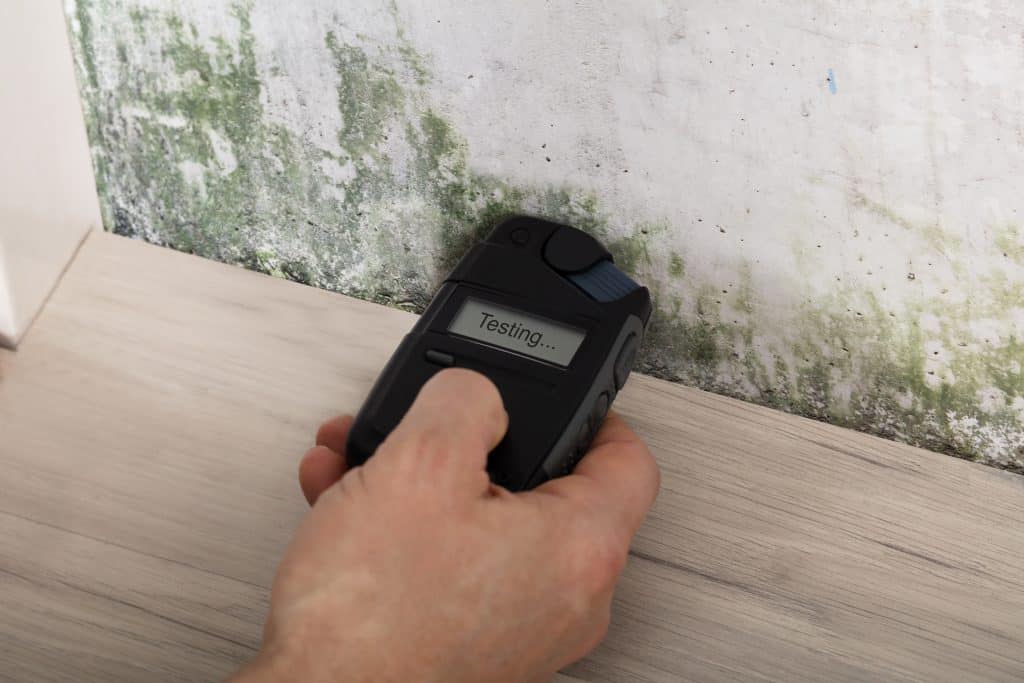
First, we inspect. We’re not guessing where the mold is or what caused it. We use moisture meters and thermal imaging to find hidden water sources—inside walls, under floors, above ceilings. Mold grows where moisture sits, so if we don’t find the leak or humidity problem, removal is pointless.
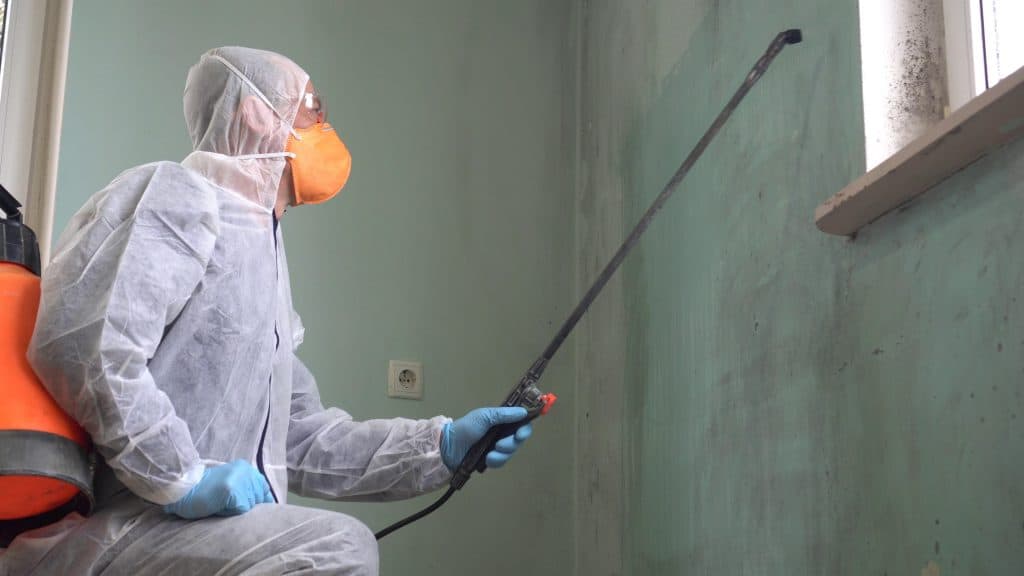
Next, we contain the area. Mold spreads through airborne spores, so we seal off the work zone with plastic sheeting and negative air pressure. This keeps spores from traveling into clean areas of your home while we work.
Then we remove it. We don’t just spray bleach and call it done. We use HEPA vacuums that trap 99.97% of particles as small as 0.3 microns—that’s smaller than most mold spores. Contaminated materials that can’t be cleaned, like soaked drywall or carpet padding, get removed and disposed of properly. We follow EPA-approved methods because they work.
Finally, we fix the cause. That might mean repairing a leaky pipe, improving ventilation, or recommending a dehumidifier for your basement. If we don’t address why the mold grew in the first place, you’ll be calling someone again in six months.
Ready to get started?
Every mold removal job in Red Cedar Hill includes a full inspection, containment, removal, cleaning, and prevention plan. We don’t skip steps to save time.
You’ll also get documentation. If you’re selling your home or filing an insurance claim, you need proof the work was done right. We provide detailed reports, photos, and clearance documentation that satisfies lenders and buyers.
Most mold jobs in the Philadelphia area cost between $1,400 and $3,000, depending on the size and severity. Small jobs—like mold under a bathroom sink—run closer to $500 to $1,500. Larger infestations that involve structural damage can reach $6,000 or more. We’ll give you an honest estimate upfront, and we’ll work with your insurance company if your policy covers the damage.
Here’s what matters: we don’t charge you to come back if the mold returns because we didn’t fix the source. We do it right the first time. Around 20% to 50% of homes in the US have dampness issues, according to the World Health Organization. In older neighborhoods like Red Cedar Hill, that number is likely higher. We’ve seen it enough to know what works and what doesn’t.
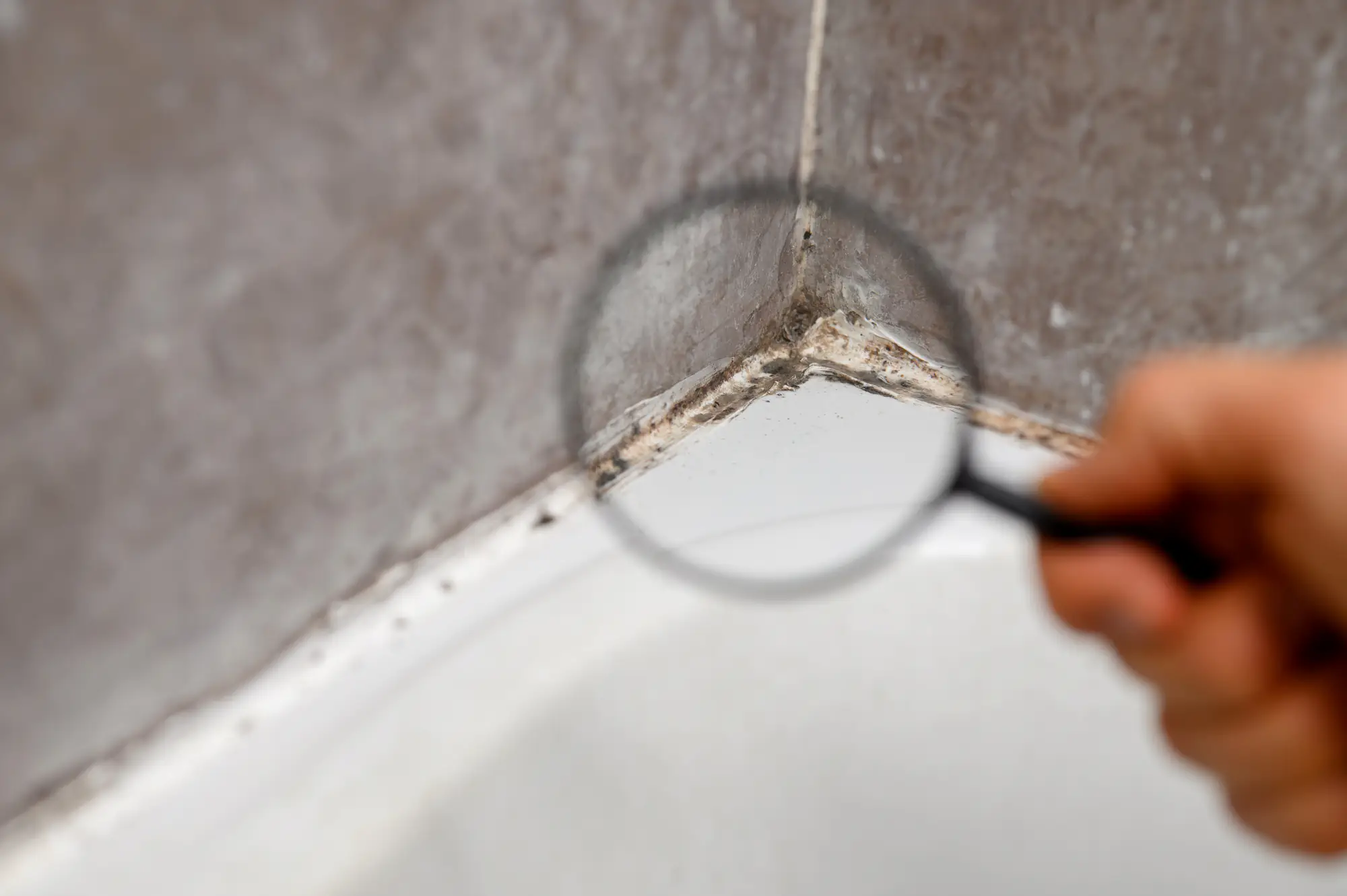
Mold can start growing within 24 hours of water exposure. That’s not a maybe—it’s how mold works. If you had a pipe burst, a roof leak, or even a slow drip you didn’t notice, the clock starts immediately.
Within 48 hours, mold colonies are actively spreading. By the time you see visible growth on a wall or smell that musty odor, it’s already established. This is why emergency mold removal exists—it’s not dramatic, it’s necessary.
If you’ve had any water damage in your Red Cedar Hill home, don’t wait to see if mold appears. Call someone to dry it out and inspect the area. Catching it early saves you thousands in repairs and prevents health problems down the line.
You can handle very small areas—less than 10 square feet—if the mold is only on hard, non-porous surfaces like tile or glass. Use detergent and water, not bleach. Bleach doesn’t penetrate porous materials like drywall, wood, or carpet, so it leaves mold roots alive to regrow.
But if the mold is on drywall, insulation, subflooring, or inside walls, you need a mold specialist. DIY removal in those cases usually makes things worse. You disturb the spores, spread them through your HVAC system, and miss the moisture source that caused the problem.
Black mold, specifically Stachybotrys, produces mycotoxins that can cause serious respiratory issues, especially in children and people with asthma or weakened immune systems. Pennsylvania’s high humidity makes black mold common in basements and crawl spaces around Bucks County. If you’re dealing with more than a small patch, or if anyone in your home has health issues, don’t risk it. Get a professional mold inspection and let someone with the right equipment handle it safely.
Most mold removal projects in the Red Cedar Hill and Bucks County area cost between $1,400 and $3,000. Small jobs, like mold under a sink or in a bathroom corner, typically run $500 to $1,500. Larger infestations involving structural damage—like mold behind walls or in a flooded basement—can cost $3,000 to $6,000 or more.
The price depends on the size of the affected area, the materials involved, and whether we need to remove drywall, flooring, or insulation. Most mold removal companies charge $15 to $38 per square foot in this region.
Here’s what drives up costs: delayed action. If mold has been growing for months, it eats into wood framing, subflooring, and studs. At that point, you’re not just paying for mold removal—you’re paying for structural repairs. The longer you wait, the more expensive it gets. If your homeowners insurance covers the damage (some policies do if it’s related to a sudden leak), we’ll work directly with your insurance company to make the claims process easier.
Mold will come back if the moisture source isn’t fixed. That’s the difference between a real mold removal company and someone who just sprays and leaves.
Mold needs three things to grow: moisture, organic material (like wood or drywall), and oxygen. You can’t eliminate oxygen or organic materials from your home, so the only way to prevent mold is to control moisture. If there’s still a leaky pipe, condensation problem, or humidity issue after we remove the mold, it will return.
We don’t just clean up mold. We find out why it grew. That might mean fixing a plumbing leak, sealing a foundation crack, installing a vapor barrier in your crawl space, or recommending a dehumidifier for your basement. Homes in Red Cedar Hill—especially older ones built in the 1970s or earlier—often have poor ventilation and aging plumbing. We address those issues so you’re not dealing with mold again next year. If we remove mold and it comes back because we missed the source, that’s on us. We do it right the first time.
Sometimes. It depends on what caused the mold. If the mold resulted from a sudden, accidental event—like a burst pipe or storm damage—your homeowners insurance may cover the removal and repairs. If the mold grew because of long-term neglect, like a slow leak you ignored for months, insurance probably won’t cover it.
Pennsylvania doesn’t require insurers to cover mold damage, so policies vary. Some include limited mold coverage, usually capped around $10,000. Others exclude it entirely unless you purchase additional coverage.
Here’s what helps: documentation. If you discover mold, take photos, note the date, and call a professional right away. Insurance companies want to see that you acted quickly to prevent further damage. We work with insurance adjusters regularly and can provide the documentation, photos, and reports they need to process your claim. If your policy covers the damage, we’ll bill the insurance company directly in most cases. If it doesn’t, we’ll give you an upfront estimate so there are no surprises.
They’re often used interchangeably, but technically, mold remediation is the more accurate term. Here’s why: you can’t remove every single mold spore from a home. Mold spores are everywhere—they’re part of the natural environment. What you can do is reduce mold to safe, normal levels and eliminate the conditions that let it grow out of control.
Mold removal refers to physically removing mold growth and contaminated materials. Mold remediation includes removal, but also covers containment, air filtration, cleaning, and fixing the moisture problem. It’s the full process of returning your home to a safe, healthy state.
When you call us, you’re getting remediation—not just surface cleaning. We contain the area so spores don’t spread. We remove contaminated materials that can’t be salvaged. We clean and disinfect surfaces using HEPA filtration and EPA-approved methods. And we identify and fix the moisture issue so mold doesn’t return. That’s the complete process, and it’s what actually protects your home and your family long-term.
Other Services we provide in Red Cedar Hill