
Hear from Our Customers
That musty smell disappears. Your allergies calm down when you’re home instead of getting worse. You stop worrying about what’s growing behind your walls or whether your kids are breathing something harmful.
The value of your home stops dropping. Data shows untreated mold can cut your property value by 20% to 37%. Even after it’s fixed, there’s often a lingering discount of about 3% just from the stigma. But sellers who invest in professional mold remediation often recover nearly $20,000 more at resale.
You get your peace of mind back. No more wondering if that dark spot is spreading. No more late-night searches about health symptoms. Just a home that feels clean and safe again.
We work throughout Red Cedar Hill and Bucks County. We understand the specific challenges your home faces in this area.
Red Cedar Hill sits in Levittown, where homes were built on modest lots with basements that weren’t designed for today’s humidity levels. Pennsylvania’s warm, humid summers push indoor moisture past 60%, and those fluctuating temperatures between seasons create perfect conditions for mold growth. We see it constantly in the basements, attics, and bathrooms of homes just like yours.
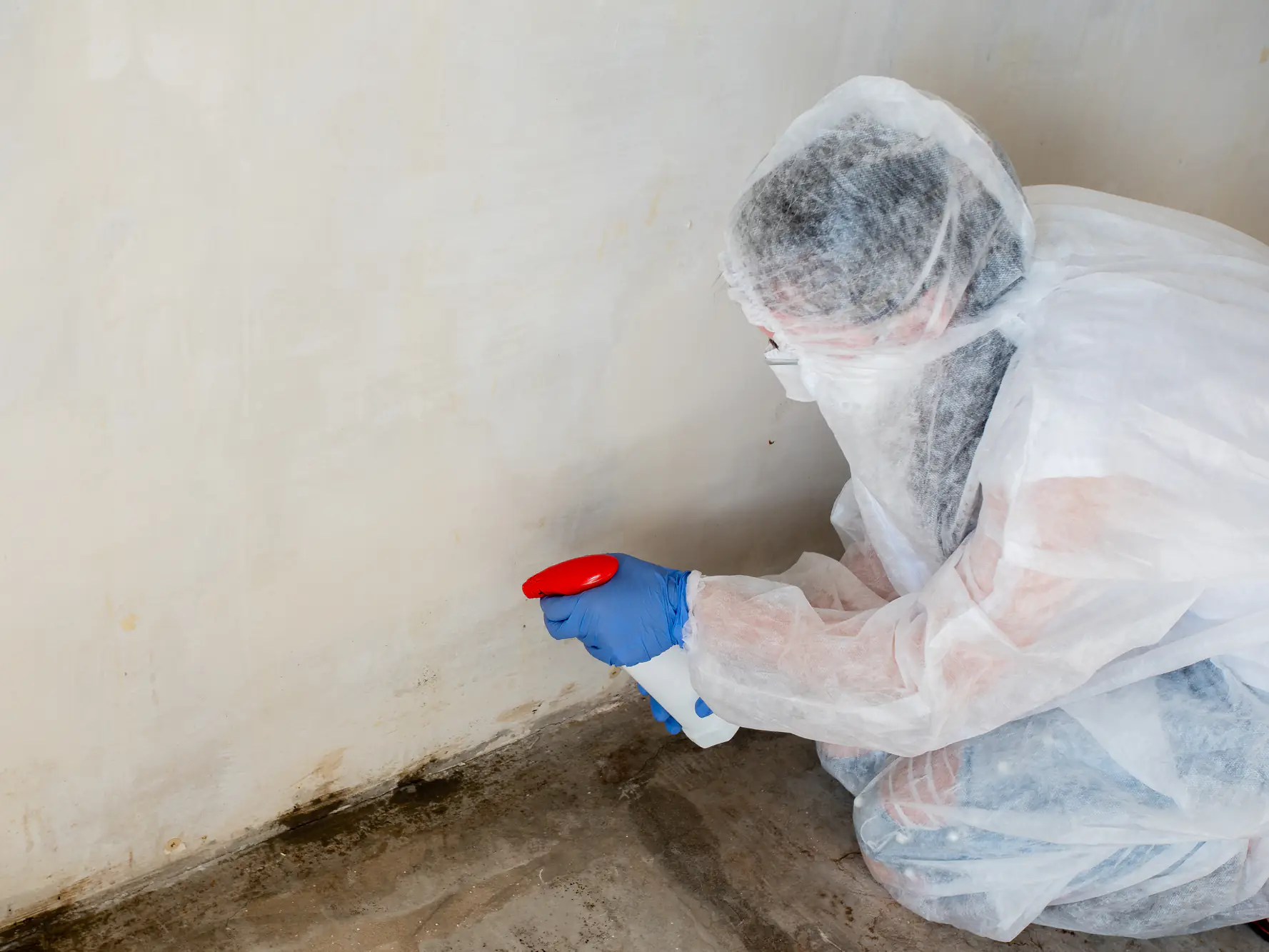
We’re certified mold remediation specialists who use thermal imaging, moisture meters, and HEPA filtration to find and remove mold the right way. Not the DIY way that lets it come back.
You call us, and we schedule an inspection. Usually within 24 hours, because mold doesn’t wait.
We show up with thermal cameras and moisture meters to find every area of growth, including the spots you can’t see. We test the air and surfaces to identify what type of mold you’re dealing with and how far it’s spread. Then we explain what we found in plain language.
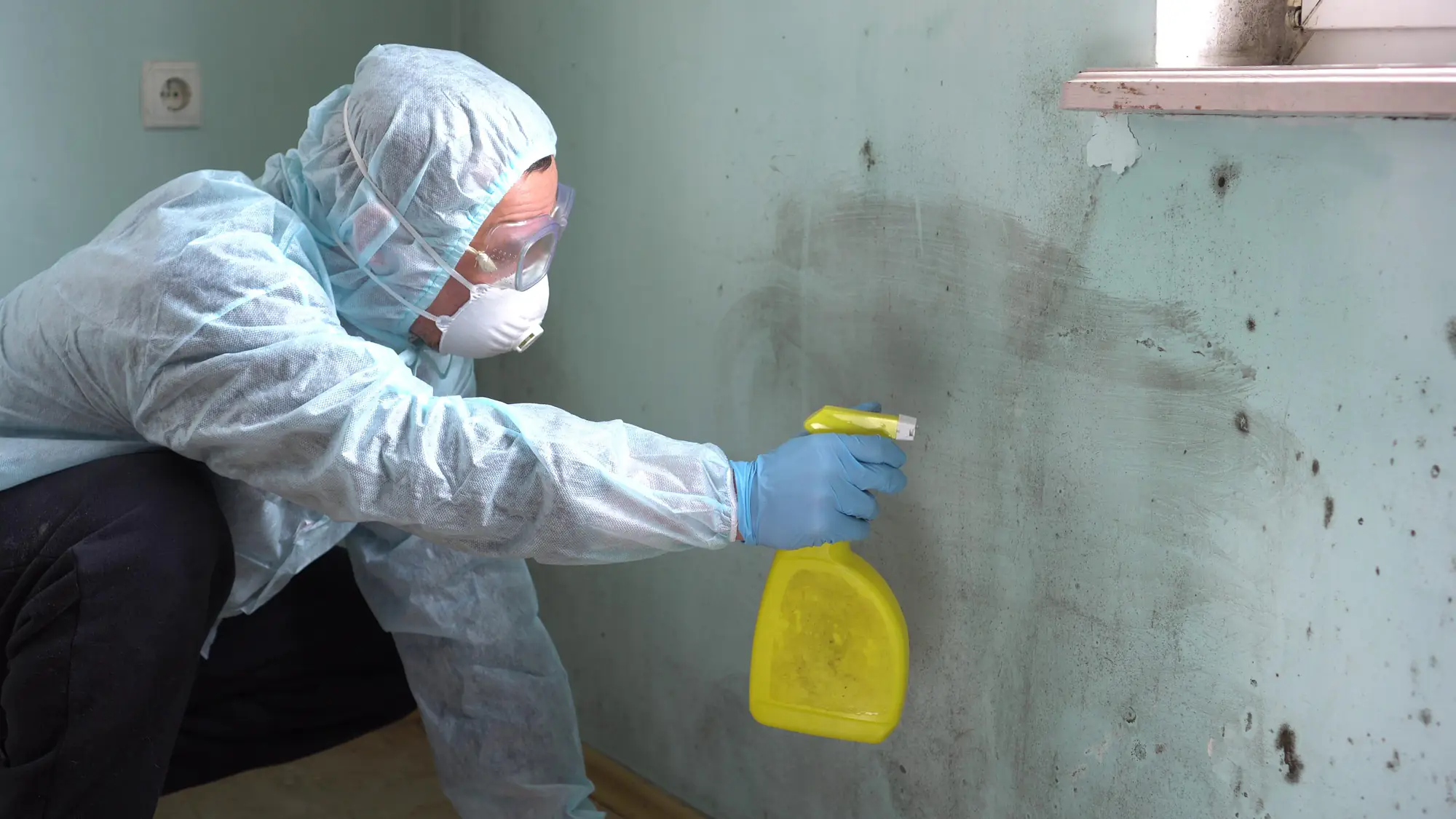
Next comes containment. We seal off the affected area, shut down your HVAC to prevent spores from spreading, and set up negative air pressure with HEPA filtration. This keeps the mold from contaminating the rest of your home while we work.
We remove the mold using safe, effective methods and antimicrobial treatments. If materials like drywall or insulation are too damaged, we remove and dispose of them properly. Then we dry everything completely and treat surfaces to prevent regrowth.
Finally, we fix what needs fixing. That might mean replacing drywall, repainting, or installing new flooring. We also identify and help you address the moisture source, because if water keeps getting in, mold keeps coming back.
Ready to get started?
Every job starts with thorough testing. We use air sampling and surface testing to identify the exact type of mold and measure spore levels. This isn’t guesswork.
You get full containment and protection. We use physical barriers, negative air machines, and HEPA air scrubbers to keep mold spores from spreading to clean areas of your home. Everything stays contained.
Red Cedar Hill homes face specific moisture challenges. Your basement might be dealing with groundwater seepage from heavy spring rains. Your attic could have condensation issues from temperature swings. We look at your home’s specific vulnerabilities and address them.
We handle the complete restoration. After mold removal, we don’t just leave you with exposed studs and missing drywall. We rebuild, repaint, and restore your space so it looks like the problem never happened. And we help you understand what caused the moisture problem in the first place, so you can prevent it from happening again.

If you smell something musty, you probably have mold growing somewhere. Mold produces volatile organic compounds that create that distinctive odor, and it means active growth is happening.
But smell isn’t the only sign. Watch for visible dark spots or discoloration on walls, ceilings, or around windows. Pay attention to your health when you’re home. Do your allergies get worse? Do you get headaches, sinus pressure, or feel more tired when you’re in certain rooms? These symptoms often improve when you leave the house, which is a red flag.
In Red Cedar Hill, basements are the most common problem area. The humidity here regularly exceeds 60% in summer, and concrete foundations absorb moisture like sponges. Even if you don’t see mold, it could be growing behind finished walls, under carpeting, or in your HVAC system. Professional testing with moisture meters and air sampling is the only way to know for sure what you’re dealing with.
Bleach only kills surface mold on non-porous materials like tile or glass. It doesn’t penetrate porous surfaces like drywall, wood, or insulation where mold roots dig in. You’ll kill what you can see, but the mold keeps growing underneath.
More importantly, DIY cleaning spreads spores throughout your home. Every time you scrub or wipe, you’re releasing millions of microscopic spores into the air. Without proper containment, negative air pressure, and HEPA filtration, those spores settle in new areas and start new colonies. That’s why people who try to handle mold themselves often end up with bigger problems a few months later.
We use containment barriers and specialized equipment to capture spores before they spread. We also identify the moisture source that’s feeding the mold. If you don’t fix the water problem, the mold returns no matter how much bleach you use. We don’t just remove what’s visible. We solve the underlying issue.
Most residential mold remediation jobs take between three to seven days, depending on the extent of contamination and how much material needs to be removed or replaced.
The inspection and testing happen on day one. We map out the affected areas, identify moisture sources, and develop a remediation plan. Containment and removal usually take two to four days. We’re removing mold, treating surfaces, and ensuring everything is completely dry. If we need to remove drywall, insulation, or flooring, that adds time.
Restoration work comes last. Replacing materials, repainting, and final cleaning might add another two to three days. But here’s what matters: we don’t rush. Cutting corners means mold comes back, and then you’re paying twice. We dry everything thoroughly, verify air quality with post-remediation testing, and make sure the job is done right. Some companies promise faster timelines, but speed doesn’t matter if the mold returns in six months.
It depends on what caused the mold. If mold resulted from a sudden, accidental water event like a burst pipe or storm damage, most policies cover remediation. If it’s from long-term neglect, poor maintenance, or ongoing moisture problems you didn’t address, probably not.
Read your policy carefully. Many insurance companies in Pennsylvania have specific mold coverage limits, often capping payouts at $10,000 or less. Some policies exclude mold entirely unless you purchased additional coverage. The key is documenting everything and acting fast.
When you discover mold, call your insurance company immediately and document the damage with photos. Get a professional inspection to identify the cause. We work with insurance adjusters regularly and can provide detailed reports that support your claim. The faster you respond to water damage, the better your chances of coverage. Remember, mold can spread in 72 hours, so delays hurt both your claim and your home.
“Black mold” usually refers to Stachybotrys chartarum, which produces mycotoxins that can cause serious health problems. But here’s the thing: you can’t identify mold species by color alone. Plenty of black-colored molds aren’t Stachybotrys, and Stachybotrys isn’t always black.
What matters more than the species is the amount of mold and your exposure to it. Any mold growing indoors is a problem. All mold species can trigger allergies, asthma attacks, and respiratory issues, especially in children, elderly people, and anyone with compromised immune systems. The risk of asthma doubles in homes with mold, regardless of the type.
We use lab testing to identify exactly what’s growing in your home. We take samples and send them to certified labs for analysis. This tells us the species, the concentration of spores, and the appropriate remediation approach. Don’t assume mold is harmless just because it’s not black, and don’t panic if it is. Get it tested, get it removed, and get the moisture problem fixed.
Mold needs moisture to grow. Remove the moisture source, and mold can’t survive. That’s the entire strategy.
During remediation, we identify where water is entering your home. In Red Cedar Hill, common sources include basement foundation cracks, poor grading that directs water toward your house, condensation from HVAC systems, roof leaks, and plumbing issues. We fix the mold, but you need to fix the water problem or hire someone who can.
After remediation, control your indoor humidity. Keep it below 60%, ideally between 30% and 50%. Use dehumidifiers in your basement, especially during humid summer months. Make sure your bathrooms and kitchen have working exhaust fans that vent outside, not into your attic. Check your gutters and downspouts to ensure water drains away from your foundation.
We also apply antimicrobial treatments to surfaces after cleaning, which helps prevent regrowth. But treatments aren’t magic. If water comes back, mold comes back. We give you a clear plan for moisture control, not just a clean surface and a bill.
Other Services we provide in Red Cedar Hill