
Hear from Our Customers
You stop wondering if that smell is dangerous. Your kids aren’t coughing as much at night. The air in your home feels lighter, cleaner—like you can actually take a full breath again.
That’s what happens when mold removal is done right. Not just scrubbed off the surface, but tracked down to the source and eliminated completely. Because mold doesn’t just sit there—it spreads, it hides, and it comes back unless the moisture problem gets fixed too.
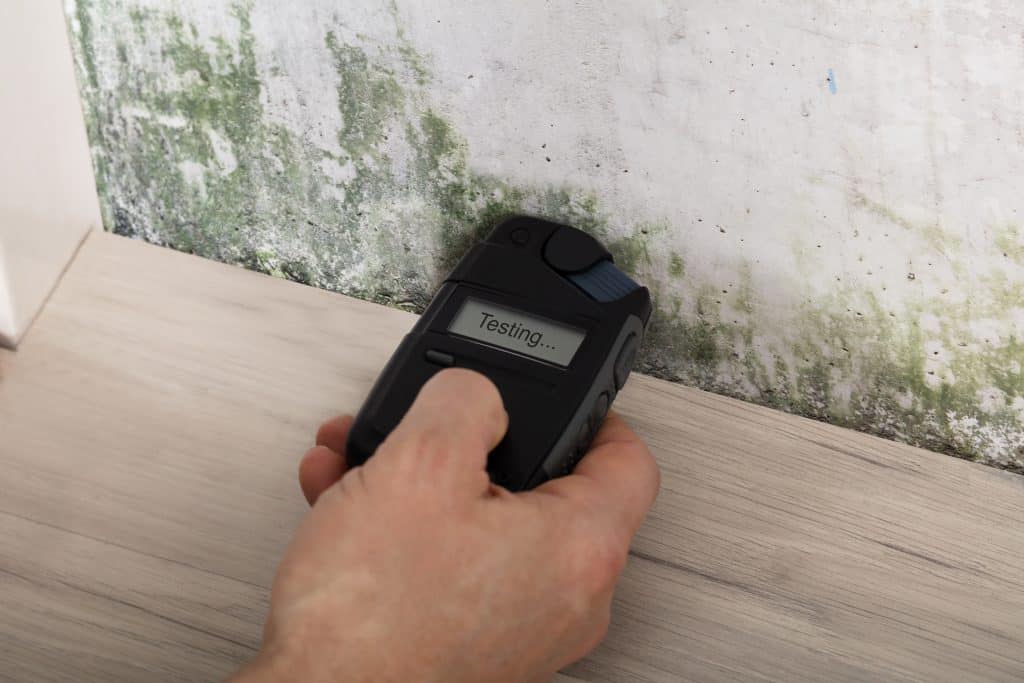
We don’t just clean what you can see. We use moisture meters and thermal imaging to find what’s hiding behind your walls, under your floors, in your attic or crawl space. Then we remove it using EPA-approved methods, treat the area, and address the leak or humidity issue that caused it in the first place. You’re not paying for a temporary fix—you’re getting a solution that actually lasts.
We’ve been helping Fort Washington homeowners deal with mold for years. We know how Pennsylvania’s humid summers and damp winters create the perfect conditions for mold to take over basements, attics, and crawl spaces.
Our team is trained, certified, and equipped with the tools to handle black mold removal, hidden moisture problems, and full mold remediation. We’re not a national franchise—we’re local, and we’ve seen what happens when mold gets ignored in homes like yours.
We show up, we assess the damage honestly, and we give you a clear plan before any work starts. No surprises. No upselling. Just straightforward mold cleaning services that fix the problem.
First, we inspect your property—for free. We’re looking for visible mold, but also for moisture sources you might not know about. We use thermal imaging and moisture meters to check behind walls, under floors, and in areas where mold loves to hide.
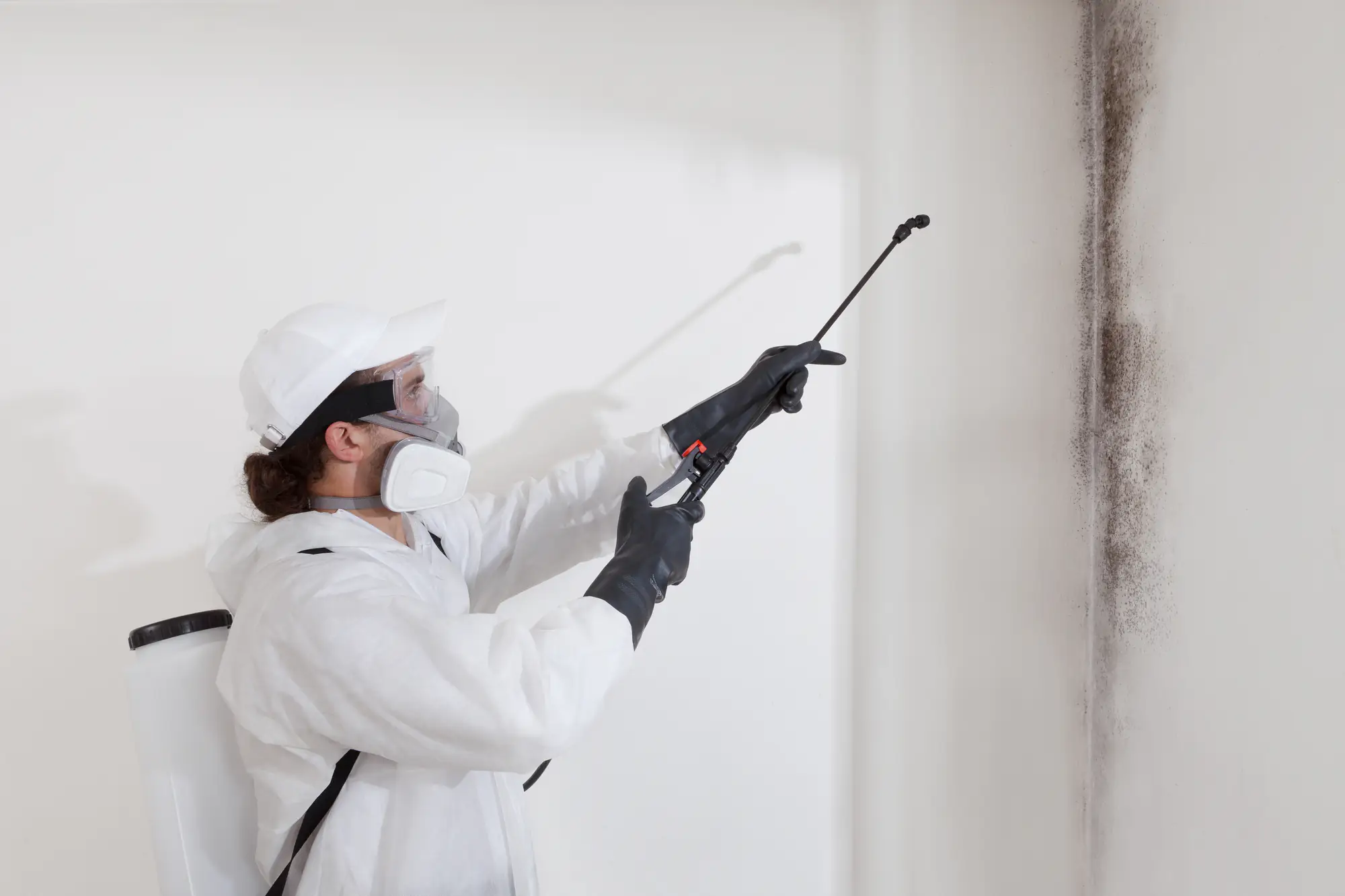
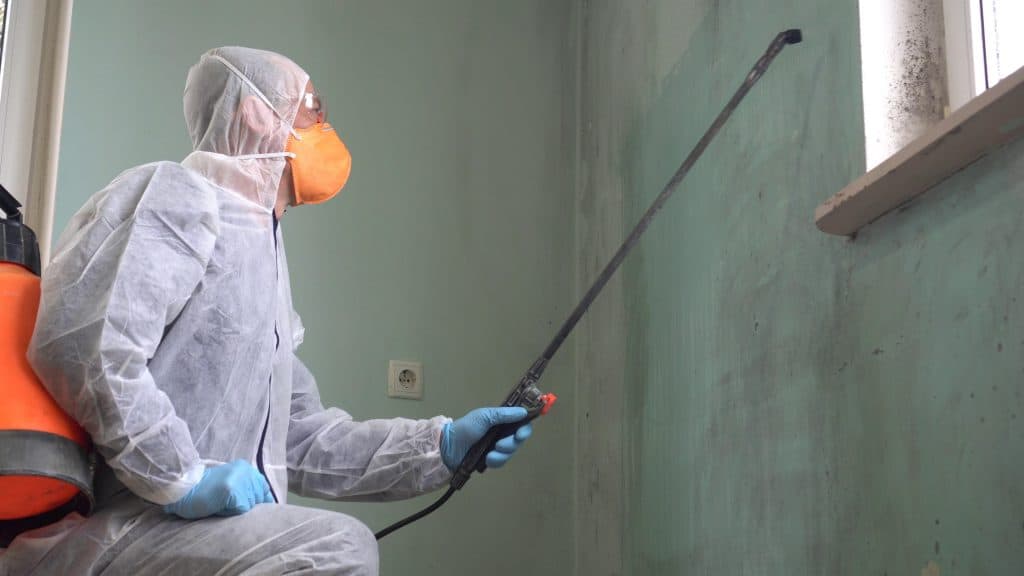
Once we know what we’re dealing with, we contain the area to prevent spores from spreading during removal. Then we remove the mold using professional-grade equipment and EPA-approved cleaning methods. If materials like drywall or insulation are too damaged, we remove and dispose of them safely.
After the mold is gone, we treat the area to prevent regrowth and address the underlying issue—whether that’s a leaky pipe, poor ventilation, or high humidity. We also test the air quality to make sure your home is safe again. You’ll know the job is done right because we walk you through every step and show you the results.
Ready to get started?
When you hire a mold removal company, you need more than someone who wipes down a wall and calls it done. You need someone who understands why the mold showed up in the first place.
In Fort Washington, PA, we see mold in basements after heavy spring rains, in attics with poor ventilation during summer, and in bathrooms where humidity never gets a chance to escape. Homes here are constantly exposed to moisture—from the outside and the inside. If you don’t fix the source, the mold comes right back.
Our mold specialist team handles the full scope: inspection, containment, removal, treatment, air quality testing, and moisture control. We also work with your insurance company if your mold problem is related to water damage or a covered event. And if repairs are needed after removal, we handle that too—so you’re not coordinating between multiple contractors.
You’re not just getting mold cleaning services. You’re getting a team that finds the problem, fixes it completely, and makes sure it doesn’t happen again.
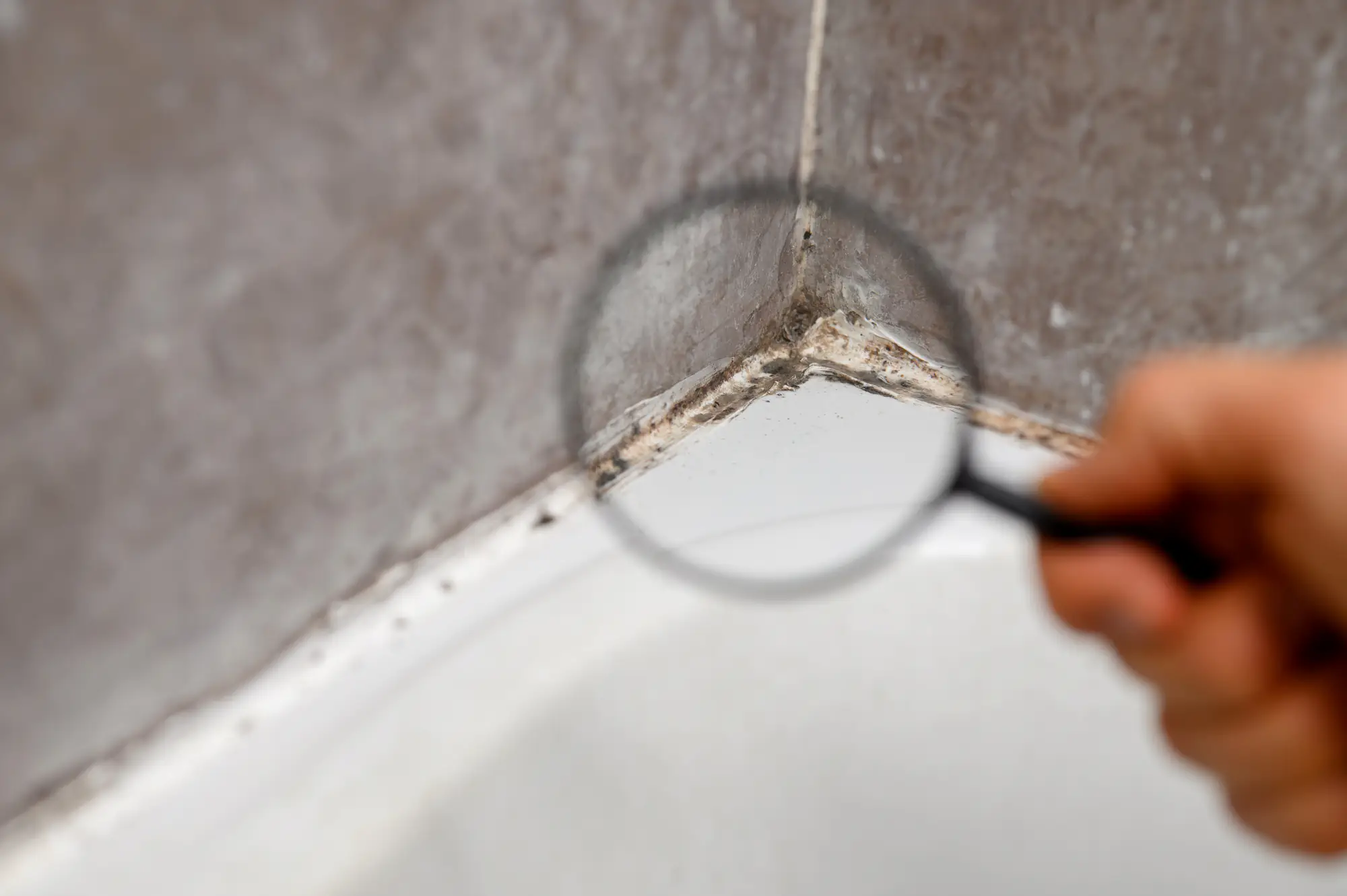
If the mold covers more than 10 square feet, or if it’s caused by contaminated water like sewage or flooding, you need a professional mold removal company. The EPA recommends calling in certified specialists for anything larger than a small patch.
But size isn’t the only factor. If you’ve tried cleaning it and it keeps coming back, that’s a sign there’s a moisture problem you’re not addressing. Mold grows because of water—leaks, condensation, humidity, poor ventilation. Bleach might kill surface mold, but it won’t stop it from returning if the underlying issue isn’t fixed.
Also, if anyone in your home has asthma, allergies, or a weakened immune system, don’t risk it. Disturbing mold releases spores into the air, and that can make symptoms worse. A professional can contain the area, remove the mold safely, and test your air quality afterward to make sure your home is safe again.
Mold removal means getting rid of visible mold. Mold remediation means fixing the problem so it doesn’t come back. Most homeowners think they’re the same thing—they’re not.
Remediation involves identifying the moisture source, removing the mold, treating the affected area, and controlling humidity or repairing leaks to prevent future growth. It’s a complete process, not just a surface cleaning. That’s what separates a professional mold removal service from a quick DIY attempt.
Here in Fort Washington, we see this all the time: someone scrubs mold off their basement wall, and six months later it’s back. That’s because the water is still getting in—through a crack in the foundation, a leaky window well, or condensation from poor ventilation. Real mold remediation addresses the “why,” not just the “what.” That’s how you actually solve the problem.
It depends on the size of the affected area and how far the mold has spread. A small bathroom mold issue might take a day. A full basement or attic remediation could take three to five days, sometimes longer if materials need to be removed and replaced.
The process includes inspection, containment, removal, treatment, and air quality testing. We don’t rush it. Cutting corners means the mold comes back, and then you’re paying for the same job twice.
Most of the time, you can stay in your home during the work—we seal off the affected area to keep spores from spreading. But if the mold is extensive or involves black mold in living spaces, we might recommend staying elsewhere until the air is clear. We’ll tell you upfront what to expect so there are no surprises.
Sometimes. It depends on what caused the mold. If it’s from a sudden, accidental event—like a burst pipe or storm damage—most policies will cover the mold remediation. But if it’s from long-term neglect, like a slow leak you ignored, they probably won’t.
Insurance companies want to see that you acted quickly. Mold can start growing within 24 to 48 hours after water exposure, so the faster you respond, the better your chances of coverage. If you’re not sure whether your situation qualifies, we can help you navigate the claims process and document everything properly.
We work with insurance companies regularly. We know what they need to see, and we’ll provide detailed reports, photos, and estimates to support your claim. Even if insurance doesn’t cover it, we offer financing options to make the work affordable. The worst thing you can do is wait—mold doesn’t get better on its own, and the longer you wait, the more expensive it becomes.
All mold can cause health problems if you’re exposed to enough of it, but some types are worse than others. Black mold—technically called Stachybotrys chartarum—is the one most people worry about. It’s toxic and can cause serious respiratory issues, especially in kids, elderly people, and anyone with asthma or a compromised immune system.
But here’s the thing: you can’t identify mold by looking at it. Black mold isn’t always black, and not all black-colored mold is the dangerous kind. The only way to know for sure is to have it tested by a certified mold specialist.
What you can do is pay attention to symptoms. If people in your home are coughing more, dealing with headaches, or having allergy-like symptoms that won’t go away, that’s a red flag. Mold affects indoor air quality, and even non-toxic mold can make you sick if there’s enough of it. If you see mold or smell that musty odor, don’t wait to find out what type it is—get it inspected and removed.
Control moisture. That’s it. Mold needs water to grow, so if you eliminate the water source, you eliminate the mold problem.
Fix leaks as soon as you notice them—roof leaks, plumbing leaks, foundation cracks. Use dehumidifiers in basements and crawl spaces, especially during Pennsylvania’s humid summers. Make sure your bathrooms and kitchens are properly ventilated—run the exhaust fan during showers and when you’re cooking. Clean your gutters so water doesn’t pool around your foundation.
If you’ve had mold removed, we’ll tell you exactly what caused it and what you need to do to keep it from returning. Sometimes that means installing a sump pump, improving attic ventilation, or sealing cracks in your foundation. It’s not always a huge fix, but it has to be done. Otherwise, you’re just going to be dealing with mold again in six months.
Other Services we provide in Fort Washington