

Hear from Our Customers
You shouldn’t have to wonder if the air in your own home is making you sick. That musty smell in the basement, the black spots creeping up the bathroom wall, the allergies that won’t quit no matter what you try—mold doesn’t announce itself politely, and it doesn’t leave on its own.
When we remove mold from your Siles home, you’re not just getting a surface scrub. You’re getting the moisture source identified and addressed, the contaminated materials safely removed, and the air quality restored. Your kids can play in the basement again. You can stop worrying about what’s growing behind the walls.
The difference between mold removal done right and mold removal done cheap is whether it comes back in six months. We use EPA-approved methods, advanced detection equipment, and we don’t leave until the problem is actually solved—not just hidden.
We’ve been handling mold problems across Bucks County for years, and if you live in Siles, you already know what we’re up against. Humid summers that turn basements into saunas. Spring rains that find every weak spot in your foundation. Older homes with character but sometimes questionable ventilation.
We’re not a national franchise reading from a script. We’re local mold specialists who’ve seen what happens when Pennsylvania humidity meets an old stone foundation or when a slow roof leak goes unnoticed for months. We know the difference between surface mold you can handle yourself and the kind that needs professional mold removal before it becomes a health hazard.
When you call us, you’re getting a free inspection from someone who actually understands how homes in this area are built and where mold loves to hide.

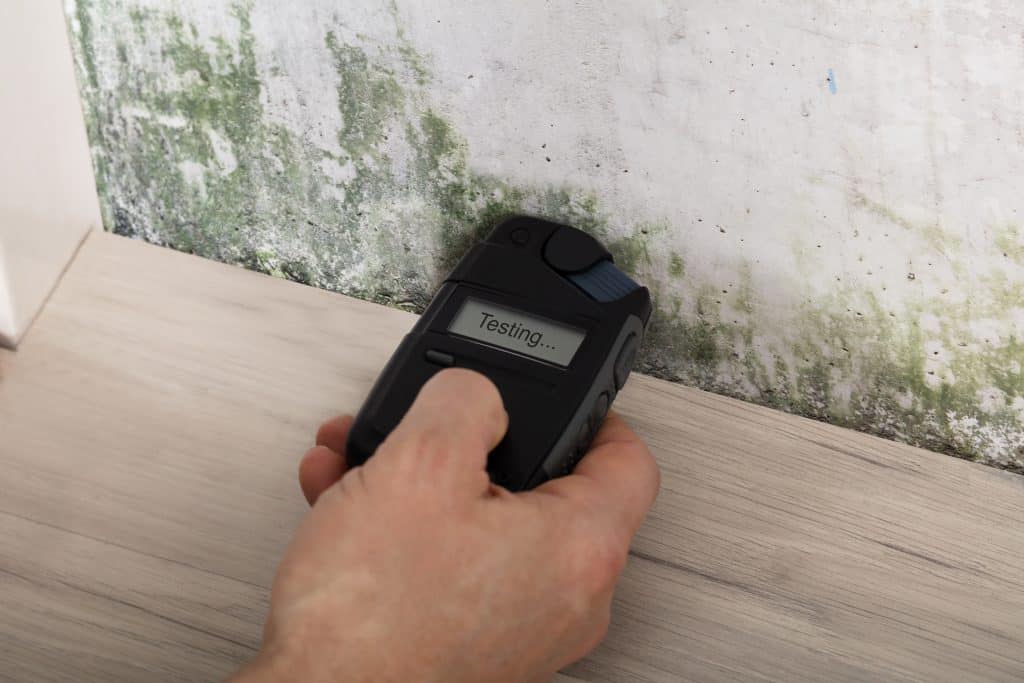
First, we come out and do a thorough inspection—no charge. We’re not just looking at the obvious spots. We use moisture meters and infrared cameras to find mold hiding in wall cavities, under floors, and in places you’d never think to check. You get a clear explanation of what we found and why it’s there.
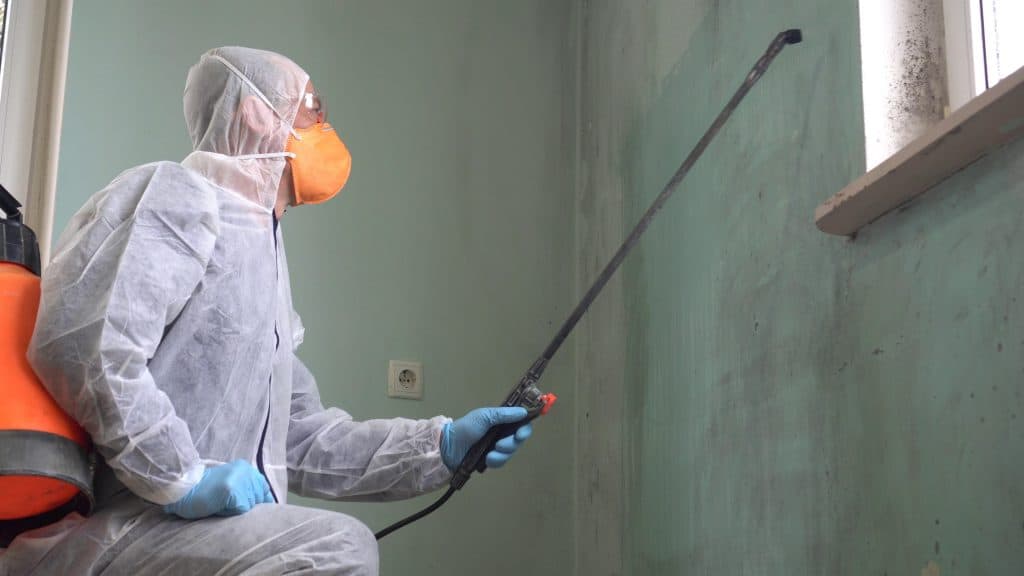
Next, we contain the area to prevent spores from spreading to clean parts of your home. Then we remove the contaminated materials safely, following EPA standards. This isn’t about spraying bleach and hoping for the best—it’s about physically removing what’s infected and treating what can be saved.
The part most mold removal companies skip: we identify and help you fix the moisture source. Leaky pipe? Poor ventilation? Foundation issue? If we don’t address why the mold showed up, you’ll be calling someone again in a year. We make sure you understand what caused it and what needs to happen so it doesn’t come back.
Ready to get started?
You get a complete mold inspection using professional-grade detection equipment. You get containment and air filtration to protect the rest of your home during removal. You get safe removal of all contaminated materials, proper disposal, and treatment of affected areas with EPA-approved antimicrobial solutions.
Here’s what matters in Siles specifically: we understand how Bucks County’s climate creates mold problems. Your basement isn’t just damp because you’re unlucky—it’s because we get humid summers and your home was probably built before modern moisture barriers were standard. The crawl spaces in older Siles homes are practically mold incubators if they’re not properly ventilated.
We also work directly with your insurance company if your mold problem resulted from a covered event like a burst pipe or storm damage. We handle the documentation, we communicate with adjusters, and we help you understand what’s covered. Most homeowners don’t realize their policy might cover professional mold removal until we walk them through it.
You’re not getting a one-size-fits-all approach. You’re getting mold cleaning services designed around what’s actually wrong with your specific property.
Honest answer: it depends entirely on how much mold you have and what caused it. A small bathroom mold problem might run a few hundred dollars. A basement with widespread contamination from a foundation leak could be several thousand.
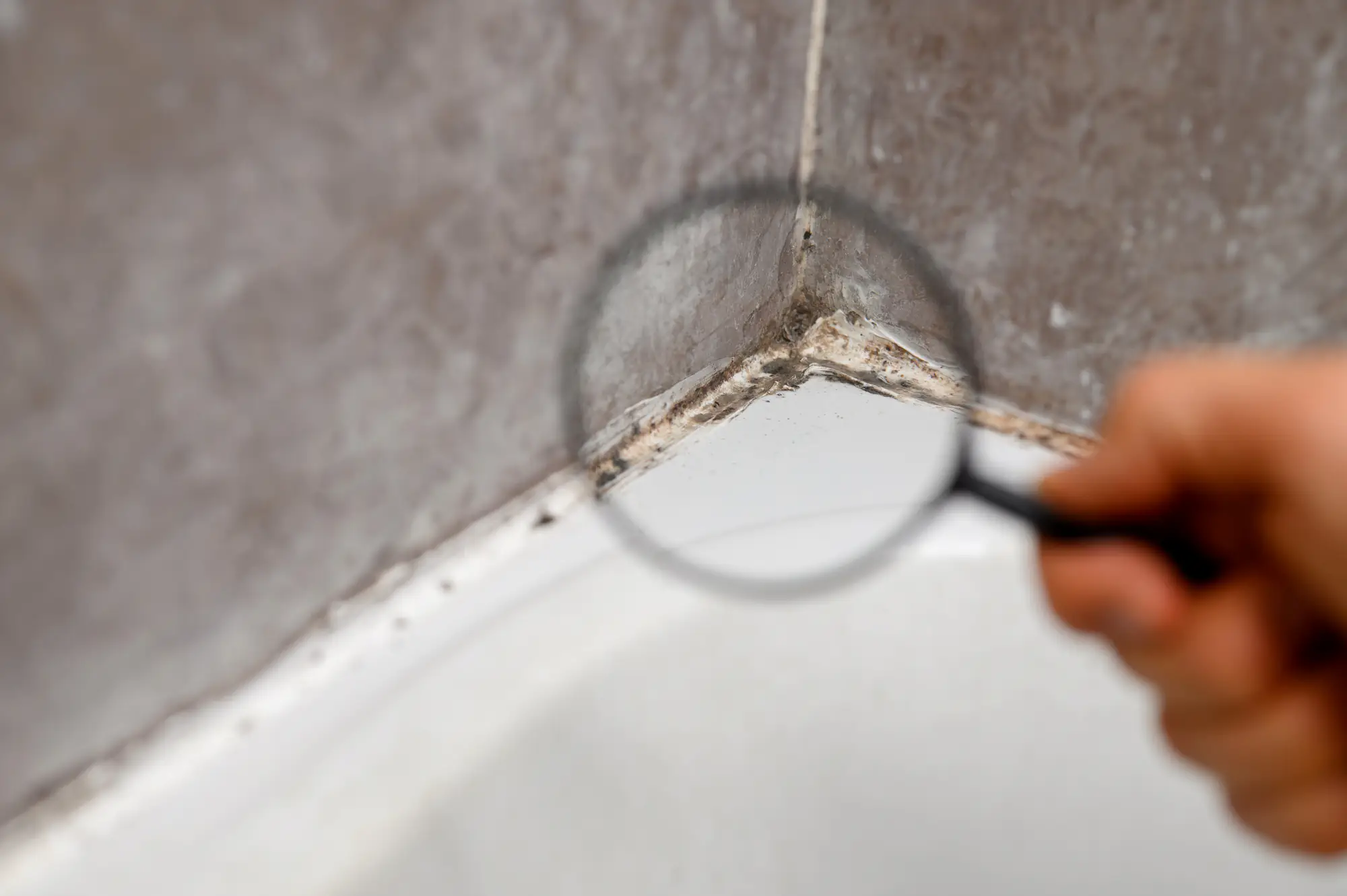
The size of the affected area matters. The type of materials involved matters—drywall is easier to remediate than structural wood. Whether we’re dealing with surface mold or growth that’s penetrated deep into porous materials makes a difference.
Here’s what you should know before you get quotes: the cheapest bid is rarely the best choice. If someone quotes you half what everyone else does, they’re probably not addressing the moisture source, not using proper containment, or not removing all the contaminated material. That means you’re paying twice—once now, once in six months when it comes back worse.
We give you a detailed estimate before any work starts. You’ll know exactly what we’re doing and why. And if your homeowners insurance covers it, we’ll work with them directly to minimize what you pay out of pocket.
Not if we fix what caused it in the first place. That’s the whole point.
Mold needs moisture to grow. Period. If you have a mold problem, you have a moisture problem. Maybe it’s a leaky pipe behind the wall. Maybe it’s poor ventilation in your bathroom. Maybe it’s a foundation crack letting groundwater seep into your basement during heavy rain. Whatever it is, removing the mold without fixing the moisture source is like bailing out a boat without plugging the hole.
We don’t just clean up what you can see. We find out why it’s there. Sometimes that means recommending a dehumidifier for your basement. Sometimes it means you need to call a plumber or a foundation specialist. We’ll tell you exactly what needs to happen to prevent it from coming back.
The mold removal itself—when done correctly with proper containment, removal of contaminated materials, and antimicrobial treatment—eliminates the existing problem. But keeping it gone long-term is about controlling moisture. We make sure you understand both parts.
Small jobs—like a moldy bathroom or a single wall section—usually take one to two days. Larger projects, like a finished basement with extensive contamination, might take three to five days or more.
The timeline depends on a few things. How much area is affected. Whether we need to remove drywall, flooring, or other materials. How long it takes for treated areas to dry completely before we can close everything back up. We can’t rush the drying process—if we seal up a wall while moisture is still present, you’ll have mold again in weeks.
Here’s the typical flow: Day one is usually containment setup, removal of contaminated materials, and initial treatment. Day two and beyond is continued treatment, drying, air scrubbing, and final cleaning. If reconstruction is needed—like replacing drywall we had to remove—that adds time, but we can coordinate that for you.
We’ll give you a realistic timeline upfront. We’re not going to tell you three days if we know it’ll take five. You need to plan around this, and we respect that.
If it’s a very small area—less than 10 square feet—and it’s on a non-porous surface like tile, you can probably handle it yourself with the right safety gear and cleaning solution. But if it’s larger than that, if it’s on porous materials like drywall or wood, or if you have health issues like asthma, call a mold specialist.
Here’s why: mold releases spores when you disturb it. If you start scrubbing or tearing out moldy drywall without proper containment, you’re sending millions of spores into your air system. They’ll land in other rooms, in your HVAC ducts, on your furniture. You’ve just spread the problem instead of solving it.
Black mold—the kind people worry about most—can cause serious respiratory issues, especially with prolonged exposure. Professional mold removal means proper containment, air filtration, protective equipment, and safe disposal. We’re trained in EPA protocols. We have the equipment to do it without contaminating your whole house.
The other issue: you might be treating the symptom, not the cause. That black mold in your basement corner is there for a reason. If you don’t figure out the moisture source and fix it, you’re just going to be cleaning mold every few months forever. We find the why, not just the what.
Sometimes, but it depends on what caused the mold. If mold resulted from a sudden, accidental event that’s covered by your policy—like a burst pipe, a roof leak from storm damage, or an appliance malfunction—there’s a good chance your insurance will cover the mold remediation.
If the mold developed because of long-term neglect, lack of maintenance, or gradual issues like chronic humidity, most policies won’t cover it. Insurance is designed to cover sudden accidents, not maintenance issues.
Pennsylvania doesn’t require insurance companies to cover mold, so coverage varies by policy. Some policies have mold coverage limits—maybe $10,000 or $25,000. Some exclude it entirely unless you purchased additional coverage. You need to check your specific policy.
Here’s where we help: we work with insurance companies regularly. We know what documentation they need, how to present the claim, and how to communicate with adjusters. We’ll photograph everything, provide detailed reports, and explain why the remediation scope is necessary. Many of our Siles clients have been surprised to find out their insurance covered more than they expected—they just needed someone who knew how to work with the carrier.
Technically, “mold remediation” is the more accurate term, and here’s why: you can’t remove every single mold spore from a building. Mold spores are everywhere—they’re part of normal outdoor and indoor air. What we’re actually doing is bringing mold levels back to normal, safe levels and removing the active growth.
Mold removal—the term most people search for—generally means the same thing in practice. We’re removing visible mold growth, treating affected areas, eliminating contaminated materials, and reducing spore counts to normal levels. The goal is to make your indoor environment safe and healthy again.
The process involves containment to prevent spread, physical removal of mold-infested materials that can’t be saved, HEPA filtration of the air, antimicrobial treatment of surfaces, and thorough cleaning. It’s not just about killing mold—it’s about removing the dead mold too, because even dead mold can trigger allergies and respiratory issues.
When you call us, whether you say “removal” or “remediation,” you’re getting the same comprehensive service: we eliminate the active mold problem, address the moisture source, and restore your indoor air quality to safe levels. The terminology matters less than the results—a home where you can breathe easy again.
Other Services we provide in Siles