

Hear from Our Customers
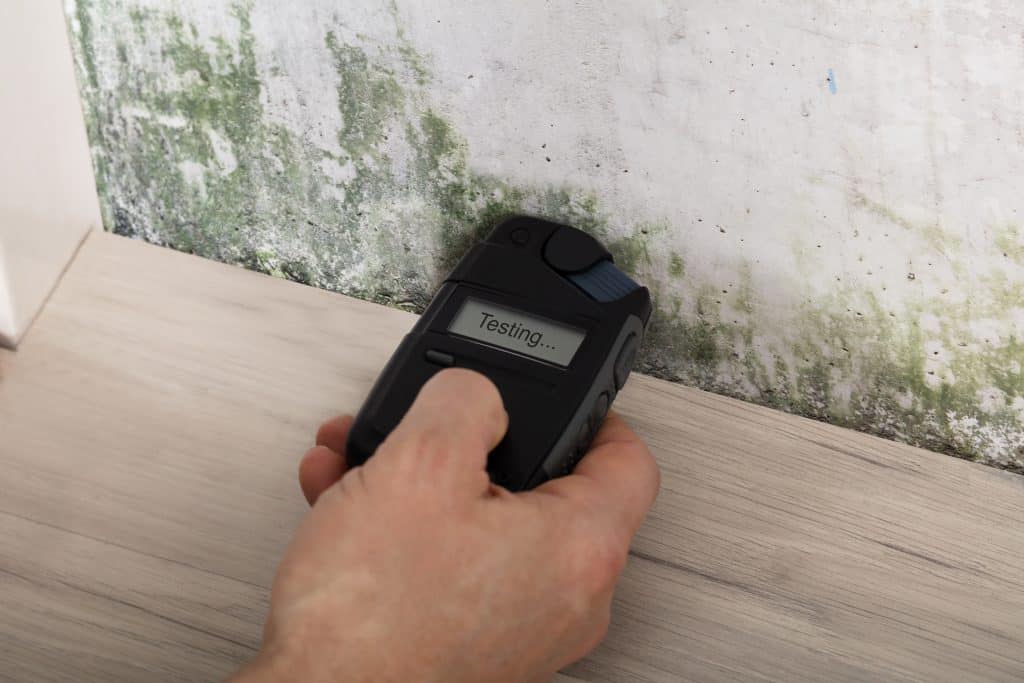
Mold isn’t just unsightly. It’s affecting your air quality right now, triggering allergies, causing respiratory issues, and putting anyone with asthma or a weakened immune system at serious risk.
When mold gets removed properly, you notice the difference fast. The musty smell disappears. Your throat stops feeling scratchy. You’re not waking up congested anymore.
But the bigger win? Knowing the problem is actually gone—not just covered up or half-treated. That means no surprise regrowth in three months. No wondering if it’s spreading behind your walls. Just a home that’s safe, clean, and protecting your family’s health the way it should.
We’ve been serving Breadysville and Bucks County for years, and we’ve seen just about every mold situation this area throws at homeowners. From basement moisture issues common in older Pennsylvania homes to attic mold from poor ventilation during our humid summers—we know what causes it here and how to fix it right.
We’re not a call center or a national franchise. We’re local, certified, and we show up ready to solve the actual problem—not just sell you a service package.
You’ll work with trained mold specialists who use state-of-the-art detection equipment, follow EPA-approved removal methods, and won’t leave until the job is done correctly.

First, we come out for a free inspection. We’re not just looking at the obvious spots—we’re using infrared cameras and moisture meters to find hidden mold growth you can’t see. We check behind walls, under floors, in crawl spaces, anywhere moisture could be hiding.
Once we know what we’re dealing with, you get a clear estimate before any work starts. No surprises, no upselling mid-job.
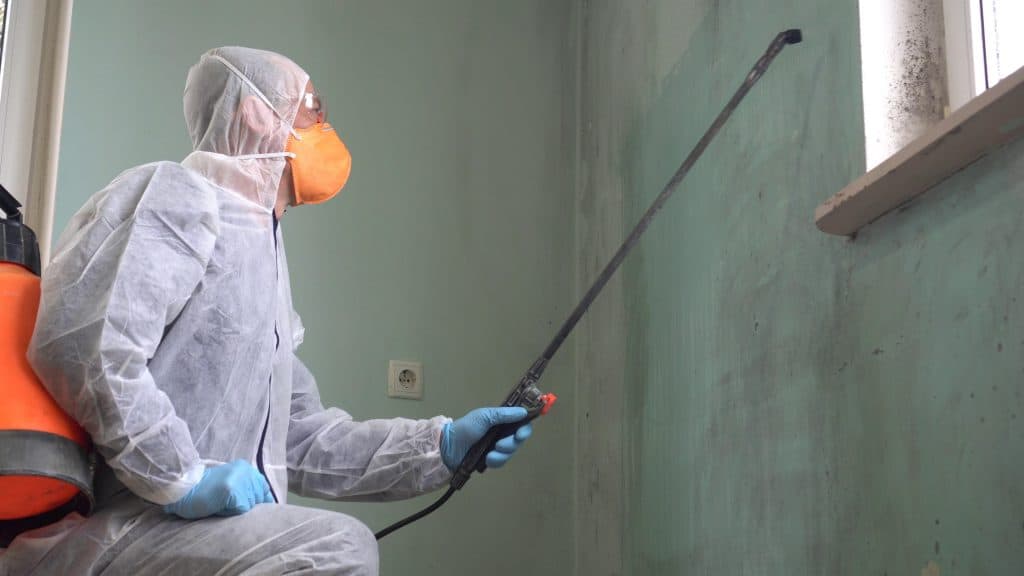
Then we contain the area to prevent mold spores from spreading during removal. We use HEPA filtration and proper ventilation to keep the rest of your home safe while we work. The contaminated materials get removed, surfaces get treated, and everything is cleaned thoroughly.
But here’s the part that matters most: we find and fix the moisture source. Because if water’s still getting in, mold will come back no matter how well we clean. We make sure that doesn’t happen.
Ready to get started?
You’re getting a full assessment with advanced detection technology—not just a visual check. That means air sampling, surface testing, and moisture mapping to understand the full scope.
The removal process includes containment setup, HEPA air filtration, safe removal of contaminated materials, antimicrobial treatment, and thorough cleaning of affected areas. We handle everything from small bathroom mold to full basement remediation.
In Breadysville and throughout Bucks County, we see a lot of mold tied to Pennsylvania’s humidity levels and older home construction. Basements with foundation moisture, attics with ventilation issues, bathrooms without proper exhaust—these are the usual suspects. We’ve dealt with all of it, and we know how to address the local conditions that make mold a recurring problem if not handled right.
You also get help with insurance claims if your situation qualifies, transparent communication throughout the process, and a final clearance test to confirm your home is safe.
Most mold removal jobs in Bucks County run between $1,500 and $4,000, with the national average sitting around $2,347. But that range is wide for a reason—every situation is different.
A small patch of mold in a bathroom might cost under $1,000 if it’s surface-level and caught early. A full basement remediation after water damage could run $5,000 or more, especially if there’s structural work involved or materials that need replacing.
What drives the cost? Size of the affected area, how deep the mold has spread, whether it’s behind walls or in your HVAC system, and what caused it in the first place. If we need to fix a leak, improve ventilation, or remove drywall, that adds to the scope.
We give you a detailed estimate after the inspection so there’s no guessing. And if your mold problem is tied to a covered event like a burst pipe, your homeowner’s insurance might cover part or all of it. We’ll help you figure that out.
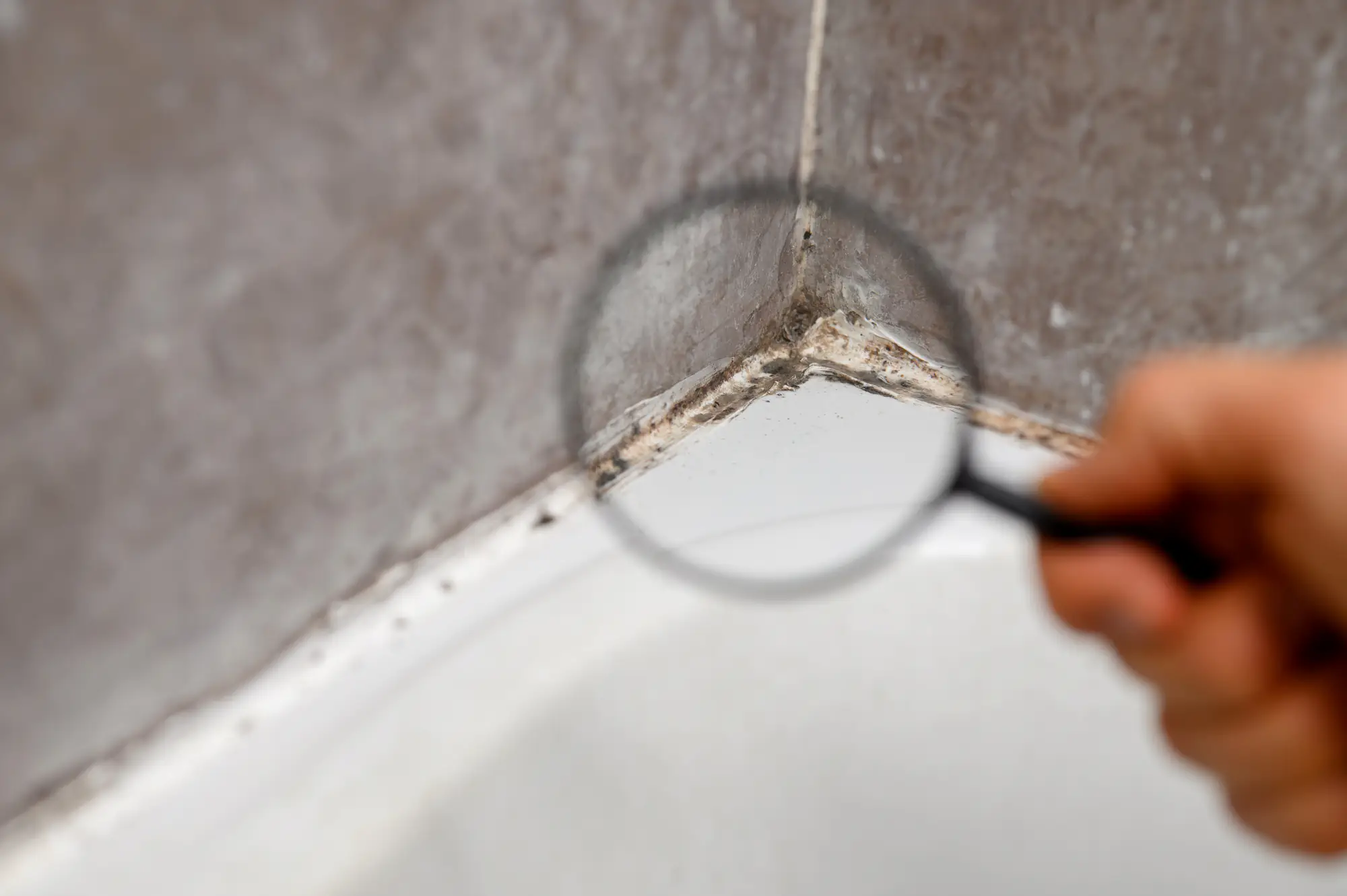
The obvious signs are visible mold growth—usually black, green, or white patches on walls, ceilings, or around windows. You might also notice a persistent musty smell that doesn’t go away even after cleaning.
But mold doesn’t always announce itself. A lot of times, the first clue is how you feel. If you’re dealing with a runny nose, itchy eyes, coughing, or headaches that get better when you leave the house, mold could be the reason. People with asthma or allergies tend to notice symptoms first.
Water damage is another red flag. If you’ve had a leak, flooding, or even just ongoing condensation issues, mold is probably growing somewhere—even if you can’t see it yet. Mold can start colonizing within 24 to 48 hours of water exposure.
The tricky part is that mold loves to hide. It grows behind walls, under flooring, in attics, and inside HVAC systems. That’s why a professional inspection with moisture meters and air sampling is the only way to know for sure what you’re dealing with.
If it’s a tiny spot—less than 10 square feet, surface-level, and caused by something simple like shower steam—you can probably handle it with the right cleaner and some precautions. But anything bigger or deeper than that, you’re taking a real risk.
Here’s why DIY mold removal usually backfires: disturbing mold without proper containment sends spores into the air, and they spread to other parts of your home. Now you’ve got mold growing in places it wasn’t before. And if you don’t fix the moisture source, it just comes back.
Black mold and toxic mold varieties are especially dangerous to handle without the right equipment. Breathing in high concentrations of mold spores can cause serious respiratory issues, especially if you have asthma, allergies, or a weakened immune system.
Professional mold removal means containment, HEPA filtration, proper protective gear, and actually solving the underlying problem. It’s not just about scrubbing what you can see—it’s about making sure it doesn’t come back and keeping your family safe in the process.
A straightforward mold removal job usually takes one to three days. That includes containment, removal, treatment, and cleanup. Smaller areas like a bathroom or closet might be done in a day. Larger projects—like a full basement or multiple rooms—can take closer to a week.
The timeline depends on how much mold there is, where it’s located, and what needs to happen beyond just removing it. If we’re also fixing a leak, replacing drywall, or addressing ventilation issues, that adds time.
Drying is another factor. After we remove the mold and treat the area, everything needs to dry completely before we can close it back up. Rushing that step is how mold comes back.
We’ll give you a realistic timeline during the estimate so you know what to expect. And if it’s an emergency situation—like after a flood—we can often start within 24 hours. The faster we get mold under control, the less damage it does and the quicker you’re back to normal.
Not if the job is done right. Mold comes back when the moisture problem that caused it in the first place doesn’t get fixed. Remove the mold but leave the leaky pipe? It’ll be back. Clean the surface but ignore the humidity issue in your basement? Same result.
That’s the difference between mold removal and actual mold remediation. Remediation means identifying the source, fixing it, and making sure conditions aren’t right for mold to regrow.
We don’t just treat what you can see. We find out why it’s there—whether that’s a roof leak, poor ventilation, foundation moisture, or a plumbing issue—and we address it. Then we treat the area with antimicrobial solutions and make sure everything is completely dry before we’re done.
After remediation, your job is to keep an eye on humidity levels and fix any new water issues fast. But if the work is done correctly and the source is eliminated, mold shouldn’t come back.
Sometimes. It depends on what caused the mold and what your policy says. Most homeowners insurance in Pennsylvania will cover mold removal if it’s the result of a “covered peril”—like a burst pipe, storm damage, or a sudden plumbing failure.
What insurance usually won’t cover is mold caused by long-term neglect, poor maintenance, or gradual issues like ongoing leaks you didn’t fix. If the mold is from flooding, that’s typically excluded unless you have separate flood insurance.
The key is acting fast. If you have water damage, document it, call your insurance company, and get the mold remediation started quickly. Waiting too long can give your insurer a reason to deny the claim.
We work with insurance companies regularly and can help you navigate the claims process. We’ll provide documentation, photos, and detailed estimates to support your claim. Even if insurance doesn’t cover everything, we offer financing options to make the work affordable. The important thing is getting the mold handled before it gets worse.
Other Services we provide in Breadysville