
Hear from Our Customers
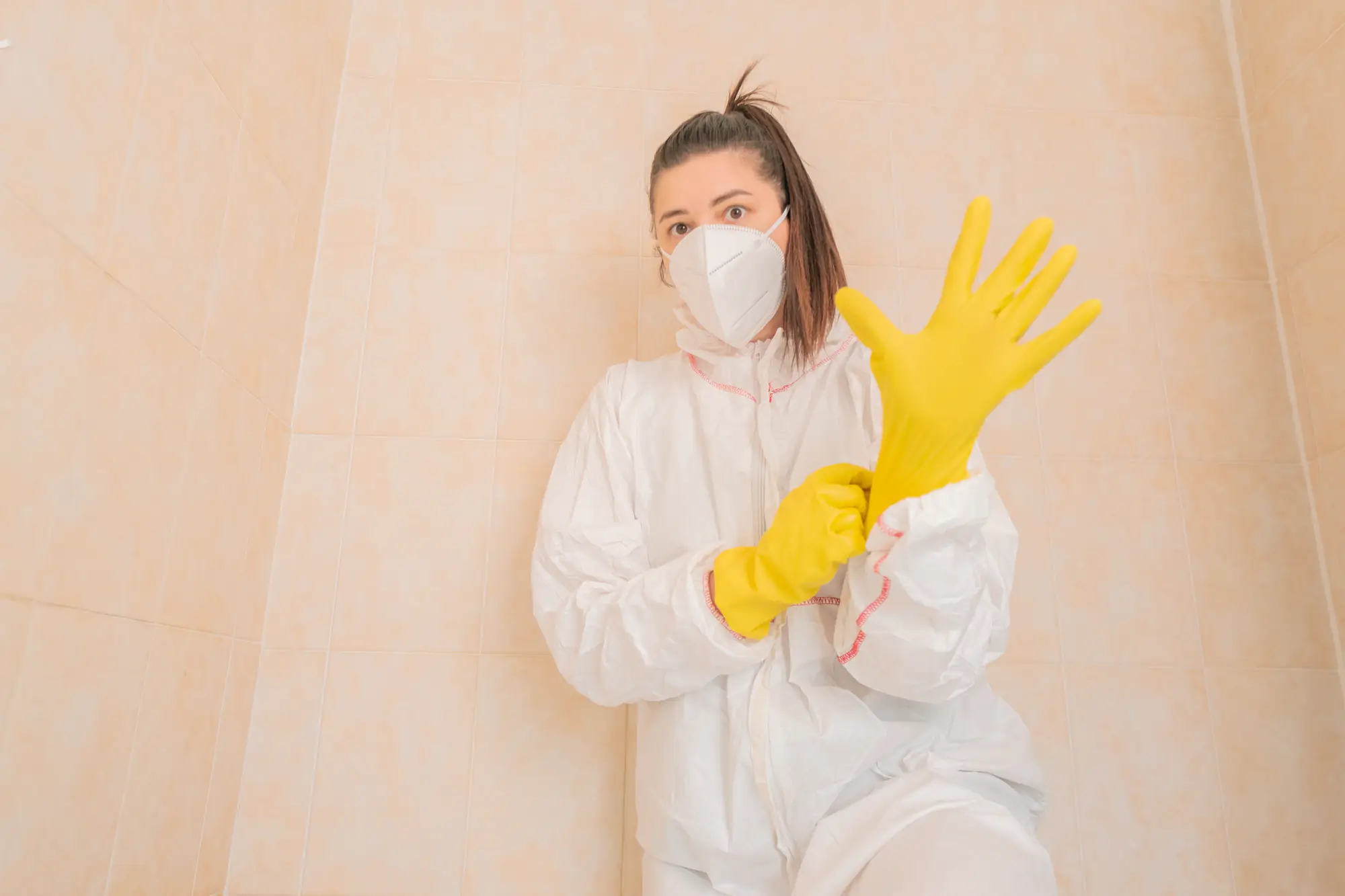
You stop wondering if that musty smell is making your kids’ asthma worse. You stop worrying about what’s growing behind the walls. You get your home back to being the safe place it’s supposed to be.
Real mold remediation isn’t just scrubbing visible spots with bleach. It’s finding the moisture source that’s feeding the problem, removing contaminated materials the right way, and controlling humidity so mold doesn’t just move to another room. That’s the difference between a temporary fix and actually solving the problem.
In Breadysville, where humidity stays high even during dry spells and older homes trap moisture in basements and crawl spaces, you need someone who knows how mold behaves in this climate. The best mold remediation company doesn’t just treat symptoms – we eliminate the conditions that let mold thrive in the first place. That means you’re not calling someone back in six months because it returned.
Mack’s Mold Removal has been handling mold problems in Breadysville and throughout Bucks County for years. Our technicians are IICRC certified, which means they’ve been trained in proper containment, removal, and prevention protocols – not just the basics you’d find in a YouTube video.
We’ve seen what happens in homes around here. Basements that flood during heavy rain. Bathrooms with inadequate ventilation. Attics where insulation traps moisture. These aren’t just mold problems – they’re structural and airflow issues that need a real solution.
When you call us, you’re getting mold and mildew experts who use thermal imaging and moisture meters to find problems you can’t see yet. You’re getting documentation for insurance claims. And you’re getting someone who’ll explain what’s happening in plain terms, not scare tactics.
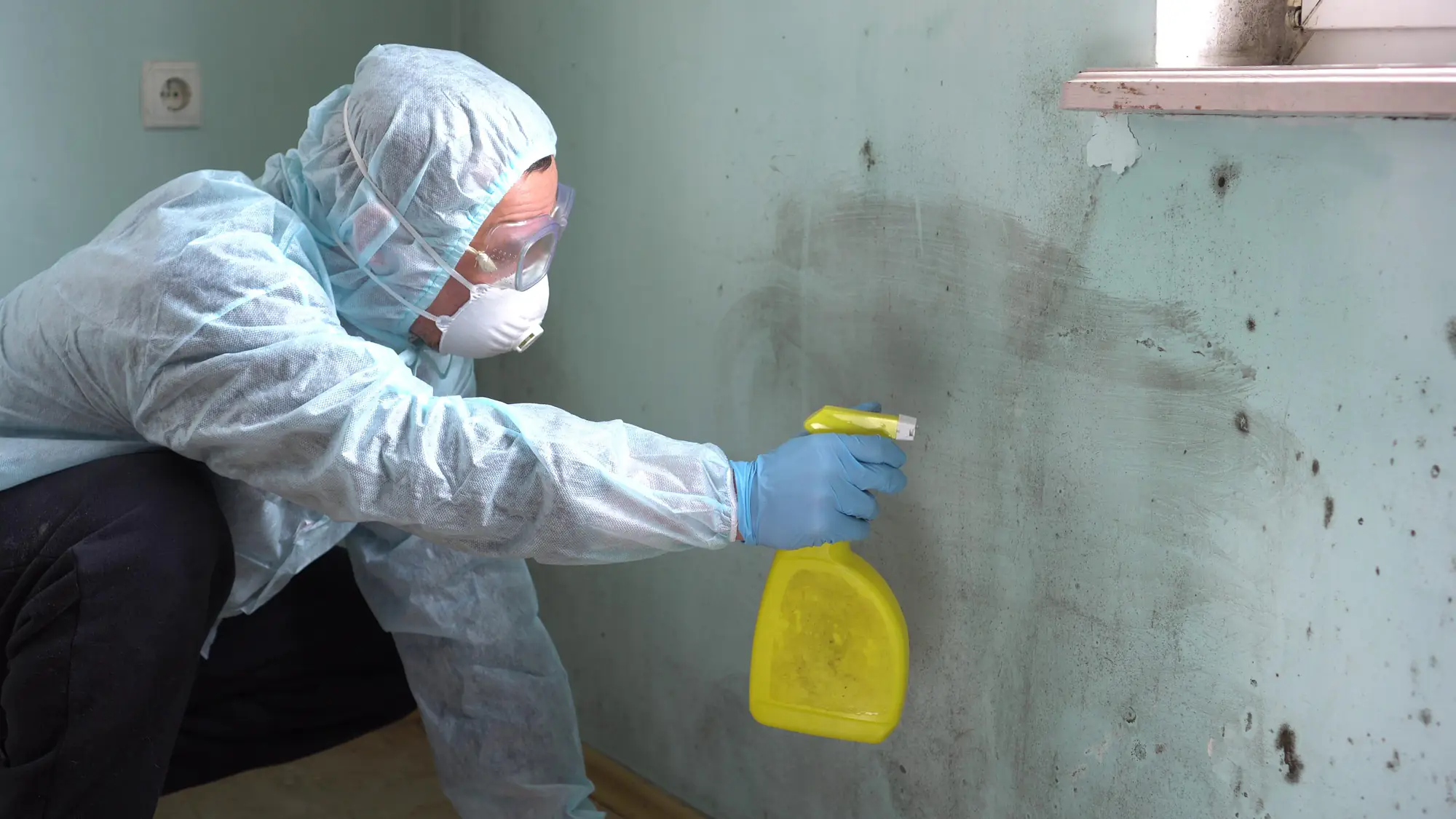
First, we inspect your property with professional equipment – not just a flashlight. We’re looking for active mold growth, moisture sources, and hidden problems in walls, ceilings, and crawl spaces. We test the air and surfaces to understand what you’re dealing with.
Then we contain the affected area so mold spores don’t spread to clean parts of your home during removal. We use negative air pressure and physical barriers – the same methods used in commercial remediation. We remove contaminated materials that can’t be salvaged and treat surfaces that can be saved.
After removal, we dry everything thoroughly and treat the area to prevent regrowth. This is where most DIY jobs fail – they don’t address the moisture problem. We identify why mold grew there in the first place and give you a clear plan to keep it from happening again. You’ll know what needs to be fixed, whether that’s a leaking pipe, poor ventilation, or a grading issue outside.
Ready to get started?
You get a thorough inspection using thermal imaging and moisture detection equipment that finds problems before they become visible. You get air quality testing that tells you exactly what type of mold you’re dealing with and whether it’s affecting your indoor air. You get containment that protects the rest of your home during the removal process.
Our mold removal specialists handle everything from small bathroom mold issues to major basement contamination. We document everything for your insurance company, including photos, moisture readings, and a detailed scope of work. In Breadysville, where many homes are older and insurance claims for water damage and mold are common, this documentation matters.
You also get honest answers about what needs to be done. If you have a small problem that doesn’t require full remediation, we’ll tell you. If you need to address a foundation issue or upgrade your ventilation system to prevent future growth, we’ll explain why. The goal isn’t to sell you the biggest job possible – it’s to fix your mold problem in a way that actually lasts.

If the affected area is larger than about 10 square feet, if you’re seeing mold in multiple locations, or if it keeps coming back after you clean it, you need professional help. The EPA recommends professional remediation for anything beyond small surface mold on non-porous materials.
Here’s the real issue: visible mold is usually just part of the problem. If you’re seeing it on a wall, there’s a good chance it’s also growing inside that wall where moisture has been sitting. DIY cleaning removes what you can see but doesn’t address the source or the hidden growth. That’s why people end up cleaning the same spot every few months.
Black mold experts use containment procedures and proper removal techniques that prevent spores from spreading throughout your home during cleanup. We also have the equipment to find moisture sources you might miss – like a slow leak inside a wall or condensation in your HVAC system. If you’re dealing with health symptoms like persistent coughing, headaches, or worsening asthma, don’t mess around with DIY methods.
Most residential jobs take between one and five days, depending on the size of the affected area and how much material needs to be removed. A single bathroom might take a day or two. A finished basement with mold behind drywall could take a week.
The timeline depends on a few factors: how extensive the contamination is, whether we need to remove drywall or flooring, and how long it takes to dry everything completely. We can’t rush the drying process – if we seal everything up while moisture is still present, you’ll have mold again in a few months.
We’ll give you a clear timeline after the initial inspection. For Breadysville homes with basement moisture issues, which is common in this area, we might recommend running dehumidifiers for several days after the visible remediation is complete. That’s not us dragging out the job – it’s making sure the environment is actually dry enough to prevent regrowth.
It depends on what caused the mold. If it resulted from a covered event like a burst pipe, roof leak, or appliance malfunction, most policies will cover remediation. If it’s from long-term neglect, poor maintenance, or gradual issues like basement seepage, probably not.
The key is documentation and timing. Insurance companies want to see that you addressed water damage quickly and that mold removal was necessary as a direct result of that covered damage. This is where working with a mold remediation specialist who knows how to document for insurance claims makes a difference.
We provide detailed reports, photos, moisture readings, and a clear timeline showing how the damage progressed. We’ll work directly with your adjuster if needed. In Bucks County, where water damage from storms and aging infrastructure is common, having proper documentation can mean the difference between a covered claim and paying out of pocket. Call your insurance company as soon as you discover water damage – waiting too long can give them a reason to deny the claim.
Mold removal usually means cleaning visible mold off surfaces. Mold remediation means reducing mold levels to normal, natural levels and fixing the conditions that allowed it to grow. You can’t actually remove every mold spore from a building – they’re everywhere in the environment. What you can do is eliminate active growth and prevent it from coming back.
A mold removal specialist scrubs the surface. A mold remediation specialist identifies the moisture source, removes contaminated materials, treats affected areas, controls humidity, and verifies that mold levels are back to normal. One is a cleaning job. The other is solving the actual problem.
In Breadysville homes, where humidity can stay elevated even without obvious water intrusion, remediation means looking at your whole moisture control system – gutters, grading, ventilation, dehumidification. If someone quotes you a price without asking about your basement drainage or bathroom exhaust fans, they’re probably just treating the symptom. Real remediation addresses why mold grew there in the first place.
Control moisture. That’s it. Mold needs water to grow, so if you keep indoor humidity below 50% and fix water problems quickly, you won’t have mold issues. Everything else is just details about how to accomplish that.
In practical terms, that means running dehumidifiers in your basement during humid months, fixing leaks as soon as you notice them, making sure your bathroom exhaust fans actually vent outside (not into the attic), and keeping gutters clean so water doesn’t pool near your foundation. For Breadysville homes built on clay-heavy soil, it also means making sure your yard slopes away from the house and your sump pump is working properly.
After we finish remediation, we’ll walk you through the specific moisture issues in your home. Maybe your dryer vent is clogged and pumping humidity into your basement. Maybe you need a vapor barrier in your crawl space. Maybe your HVAC system needs better drainage. These aren’t upsells – they’re the actual fixes that prevent you from calling us back next year. We’d rather you solve the problem once than become a repeat customer because the underlying issue wasn’t addressed.
Don’t disturb it. Mold spreads through spores, and aggressive cleaning or removal without containment can send those spores throughout your house. If it’s a small patch on a non-porous surface like tile, you can carefully clean it with detergent and water. Anything larger or on porous materials like drywall needs professional attention.
Turn off your HVAC system if mold is near a return vent – you don’t want to circulate spores through your ductwork. If there’s active water intrusion, stop it if you can. Take photos for your insurance company. Then call a certified mold removal expert to assess the situation.
If anyone in your home has asthma, allergies, or a compromised immune system, limit their exposure to the affected area until it’s properly remediated. Mold exposure can trigger serious respiratory issues, especially in children and elderly residents. In Breadysville, where many families have lived in the same home for generations, we’ve seen how long-term mold exposure affects health. Don’t wait until symptoms get worse – address it now while it’s still manageable.
Other Services we provide in Breadysville