
Hear from Our Customers
You’re not just getting rid of visible mold. You’re eliminating the source, protecting your property value, and giving your family clean air to breathe.
When mold gets removed properly, you stop worrying about what’s growing behind your walls. Your basement stops smelling like a wet towel. Your kids’ allergies calm down. And if you’re selling, buyers don’t walk away the second they hear the word “mold.”
Most Wayne homes—especially the older ones built before 1960—deal with moisture issues in basements and crawl spaces. Pennsylvania’s humid summers don’t help. But when you catch it early and handle it completely, you’re saving yourself thousands in future remediation costs. That’s the difference between a quick fix and a real solution.
We’ve been protecting Wayne families from mold damage for years. We live here, work here, and understand exactly how Pennsylvania’s climate creates the moisture problems that lead to mold growth.
We’re not a national franchise reading from a script. We know Wayne’s older homes. We know which basements flood, which crawl spaces trap humidity, and which HVAC systems need better airflow. That local knowledge matters when you’re trying to fix a problem for good, not just cover it up.
We use EPA-approved methods, certified lab analysis, and equipment that detects mold you can’t see. No overselling. No scare tactics. Just honest assessments and solutions that actually fit your budget.
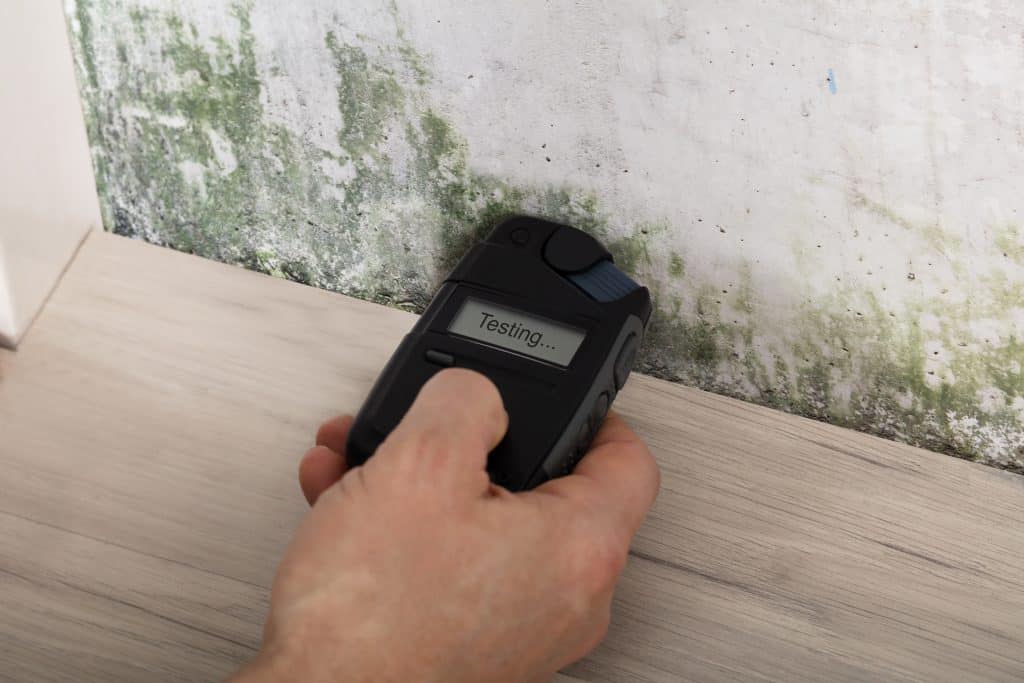
First, we inspect your property—not just the obvious spots, but behind walls, under flooring, and inside HVAC systems. We use moisture meters to find hidden problem areas before they become expensive disasters.
Next, we test. Air samples and surface samples go to a certified lab that specializes in mold identification. You get a detailed report with lab results, photos, and specific recommendations. No guessing. No assumptions.
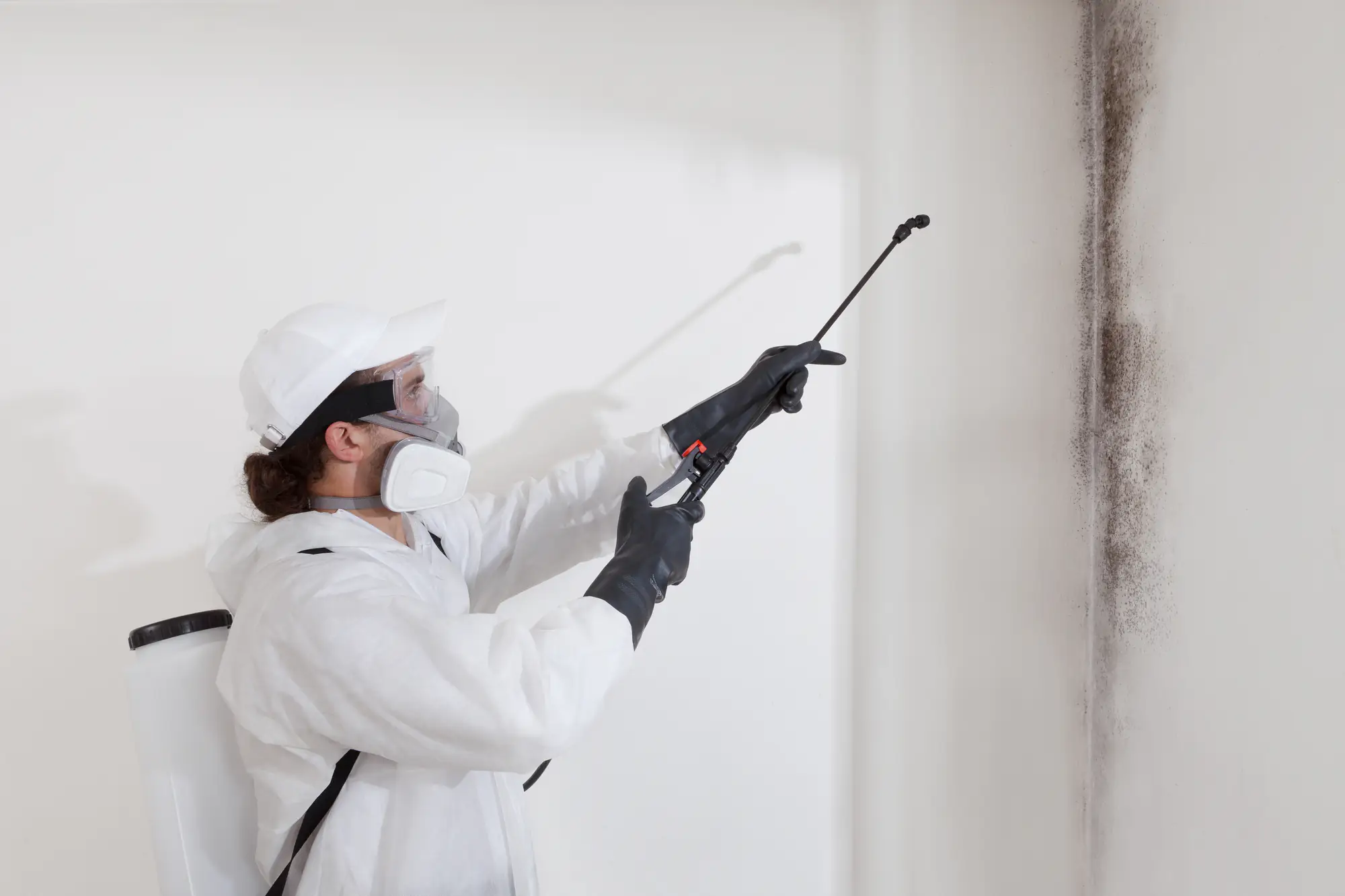
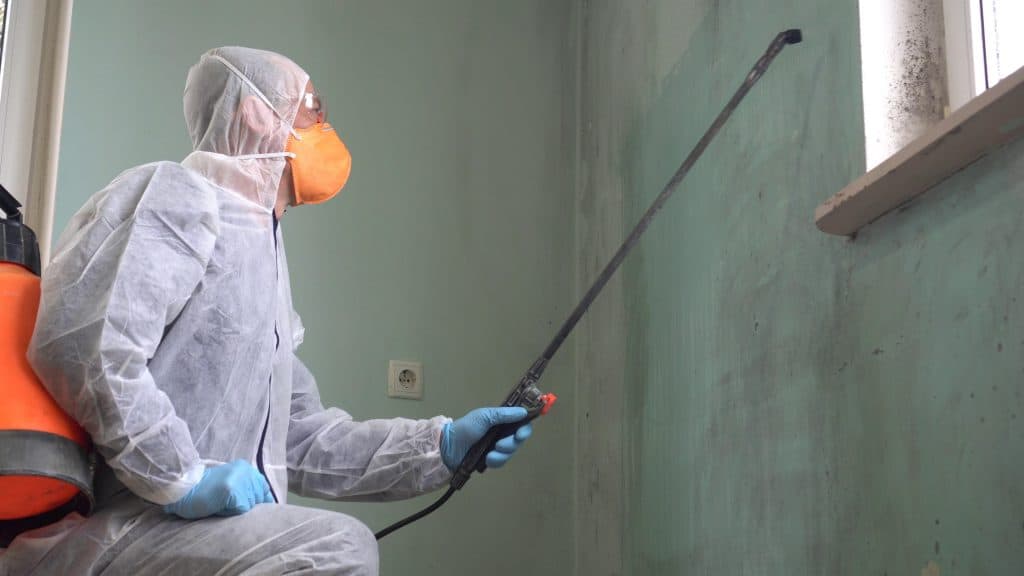
Then we remove it. We contain the affected area, remove contaminated materials safely, and treat surfaces with EPA-approved solutions. But here’s the part most companies skip: we find the moisture source and fix it. Because if you don’t stop the water, the mold comes back.
Finally, we verify. Post-remediation testing confirms the mold is gone and your air quality is back to normal. You get documentation that satisfies insurance companies, real estate agents, and your own peace of mind.
Ready to get started?
A professional mold inspection in Wayne typically takes 2-4 hours. You’re getting a certified inspector who checks every vulnerable area—basements, bathrooms, kitchens, attics, and around windows where condensation builds up in our humid climate.
We use moisture meters, thermal imaging, and air quality testing equipment. Not just a flashlight and a clipboard. Lab analysis takes 2-3 business days, and you receive a comprehensive written report that explains exactly what we found and what needs to happen next.
Pricing in Wayne runs between $300 and $800 for most residential inspections, depending on your home’s size and complexity. That investment pays for itself when it catches a $5,000 problem before it becomes a $15,000 nightmare. And if you’re buying or selling a home, you need results that hold up with insurance companies and real estate professionals—not just someone’s opinion.
Black mold removal requires containment and proper disposal. Basement mold usually points to drainage or ventilation issues. Attic mold often means roof leaks or poor airflow. We don’t just treat symptoms. We solve the actual problem.
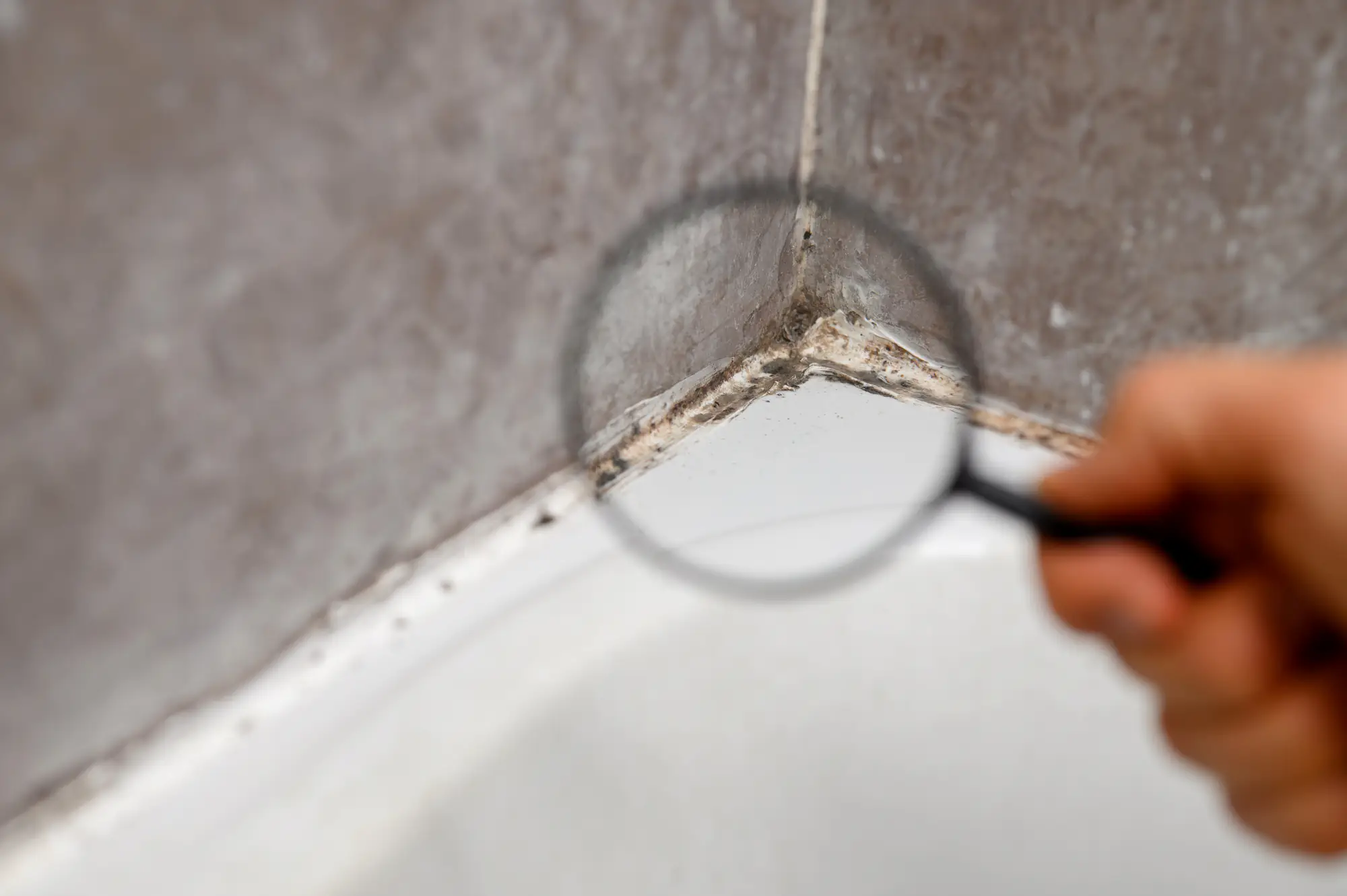
If you see visible mold growth larger than 10 square feet, smell a persistent musty odor, or have unexplained health symptoms like sinus issues or breathing problems, you need a professional inspection. DIY cleaning works for small surface mold on non-porous materials, but it won’t address hidden growth or the moisture source.
In Wayne’s climate, mold commonly develops in basements, around windows, and in poorly ventilated bathrooms. Many older homes here were built before modern moisture barriers and ventilation standards existed. That means mold can establish itself behind walls or under flooring long before you see it.
Here’s the real test: if mold keeps coming back after you clean it, you’re dealing with a moisture problem that needs professional diagnosis. And if you’re experiencing water damage from a leak or flood, anything that stays wet for more than 48 hours will likely develop mold growth. At that point, you’re not just cleaning—you’re remediating.
Mold removal means getting rid of visible mold. Mold remediation means reducing mold levels to normal, fixing the source, and preventing it from returning. Remediation is the complete solution. Removal is just one step.
You can’t eliminate every mold spore from a home—they’re everywhere in outdoor air. But you can bring indoor levels back to safe, normal ranges by removing contaminated materials, treating affected surfaces, and controlling moisture. That’s remediation.
Most mold cleaning services focus on surface treatment. A mold specialist handles the full scope: testing to identify the type and extent, containment to prevent spread during removal, proper disposal of contaminated materials, treatment of affected areas, moisture control, and post-remediation verification. If someone’s not addressing the water source—whether it’s a leaky pipe, poor drainage, or inadequate ventilation—they’re not actually solving your problem.
Professional mold removal in Wayne typically costs between $500 and $6,000 depending on the extent of contamination, location, and materials affected. Small bathroom jobs might run $500-$1,500. Basement remediation often falls between $2,000-$6,000. Whole-home projects can exceed $10,000 if structural materials need replacement.
Insurance coverage depends on the cause. If mold resulted from a covered peril like a sudden pipe burst, most policies cover remediation. If it developed from long-term neglect, poor maintenance, or flooding, you’re likely paying out of pocket. Read your policy carefully—many have mold coverage caps between $1,000 and $10,000.
Get documentation. Detailed reports from certified inspectors and labs carry weight with insurance adjusters. Take photos. Keep receipts. And address problems within 24-48 hours of water damage when possible—that’s the window where you can prevent mold growth instead of paying to remove it. The inspection itself costs $300-$800, but it protects you from disputes and gives you leverage if you need to file a claim.
Most residential mold remediation projects in Wayne take 1-5 days depending on the affected area’s size and the extent of contamination. A single bathroom might take one day. A finished basement could take three to five days. Whole-home remediation can take a week or more.
The timeline includes containment setup, removal of contaminated materials, treatment of affected surfaces, drying, and cleanup. If you need structural repairs—like replacing drywall, insulation, or flooring—that adds time. Post-remediation testing adds another 2-3 business days for lab results.
You don’t usually need to leave your home unless the contamination is severe or affects your HVAC system. Proper containment keeps mold spores from spreading to unaffected areas. But if anyone in your household has asthma, compromised immunity, or severe mold sensitivity, staying elsewhere during active remediation is smart. We’ll give you a realistic timeline upfront based on your specific situation—not a generic estimate.
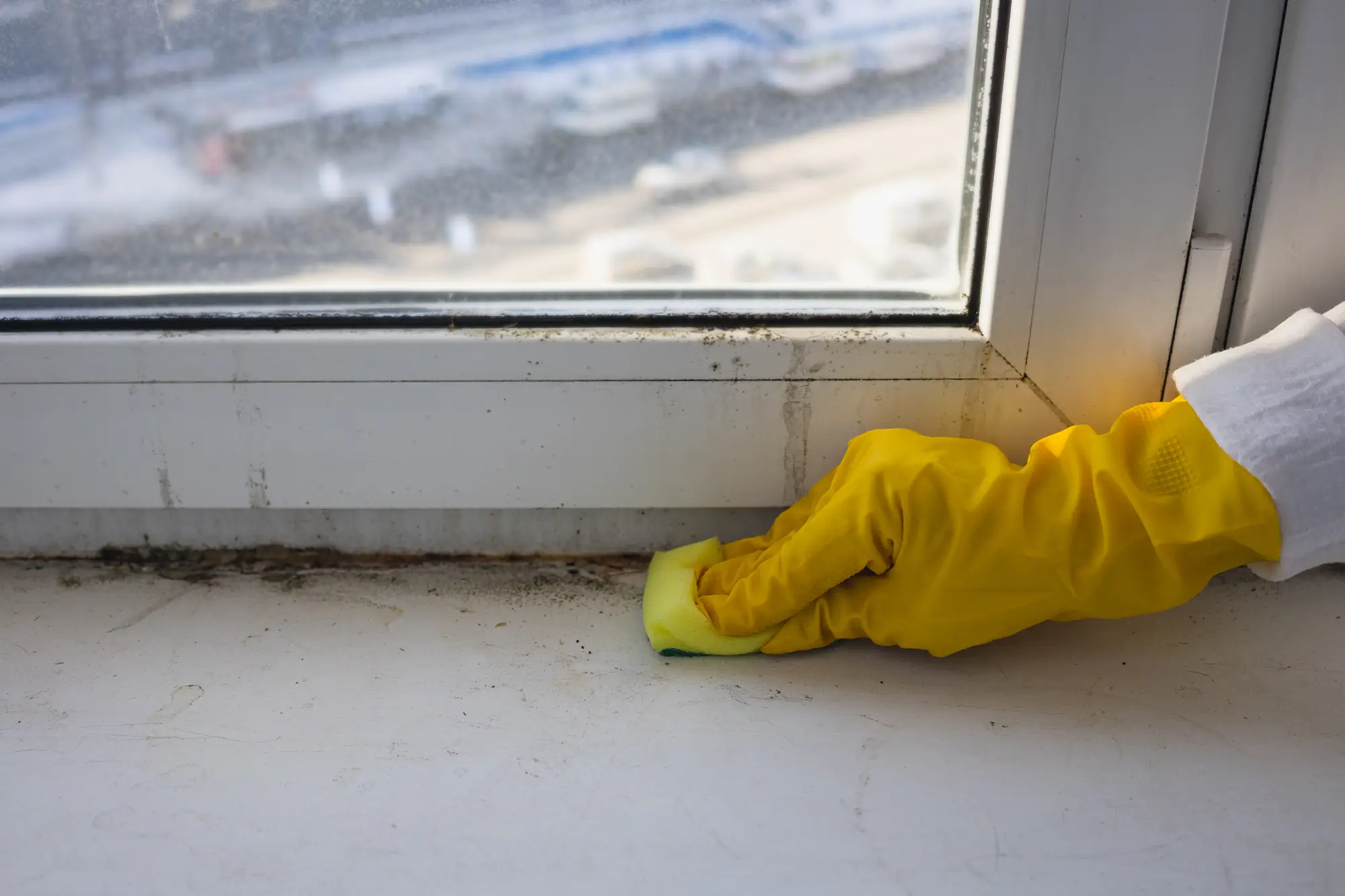
You can handle small areas of surface mold on non-porous materials yourself—think bathroom tiles or a small spot on painted drywall. Use detergent and water, dry it completely, and fix the moisture source. But if the affected area is larger than 10 square feet, involves porous materials like drywall or insulation, or keeps returning, you need professional help.
Here’s why: mold growing on drywall has likely penetrated the material. You can scrub the surface, but the roots remain. Disturbing mold without proper containment spreads spores throughout your home. And if you don’t identify and fix the moisture source, it comes right back.
Professional mold removal companies use containment barriers, HEPA filtration, proper disposal methods, and EPA-approved treatments. We have moisture meters and thermal imaging to find hidden problems. And we provide documentation that matters if you’re selling your home or filing an insurance claim. DIY works for minor surface mold. Everything else needs someone who knows what they’re doing—especially in Wayne’s older homes where moisture issues often hide behind finished walls.
Pennsylvania’s humid climate creates ideal conditions for mold growth, especially during summer months when humidity spikes and around windows where condensation occurs. Wayne homes—particularly those built before 1960—often have basement moisture issues, inadequate ventilation, and aging drainage systems that trap water.
Basements are the most common problem area. Poor exterior drainage, foundation cracks, and high water tables lead to seepage and humidity. Add poor airflow, and you’ve got a mold factory. Bathrooms and kitchens generate moisture daily, and if exhaust fans aren’t vented properly or windows stay closed, that moisture has nowhere to go.
Roof leaks, plumbing leaks, and HVAC condensation also contribute. Even small leaks can create big mold problems if they go unnoticed. And here’s what most people miss: modern homes are built tighter for energy efficiency, which is great for heating bills but terrible for moisture control if ventilation isn’t adequate. Mold needs three things: moisture, organic material (like wood or drywall), and temperatures above 40°F. Wayne’s climate provides all three for most of the year. Controlling moisture is your only real defense.
Other Services we provide in Wayne