
Hear from Our Customers
You walk into your basement and the air doesn’t feel heavy anymore. No musty smell when you open closet doors. Your kids stop coughing at night.
That’s what happens when mold removal actually addresses the source. Not just scrubbing visible spots and hoping for the best. We’re talking about finding where moisture is getting in, eliminating the mold that’s already there, and controlling humidity so it doesn’t come back.
In Ardmore’s older homes—especially the beautiful colonials and Victorians built in the 1920s and 30s—mold finds its way into basements, crawl spaces, and behind walls. Pennsylvania’s humid summers don’t help. You need someone who understands how these homes were built and where problems typically hide.
When the job’s done right, you’re not wondering if it’s still growing somewhere you can’t see. You know it’s handled.
We’ve been working in Ardmore since before “Main Line mold problems” became a common search term. We know these houses. We know how moisture moves through stone foundations and old plaster walls.
We’re not a national franchise following a script. We’re local, we use EPA-approved methods, and we work directly with your insurance company when coverage applies. Most of our work comes from referrals—people who had a good experience and told their neighbor.
If you’re in one of Ardmore’s historic homes, you already know that cookie-cutter solutions don’t work. Every property is different. We treat them that way.
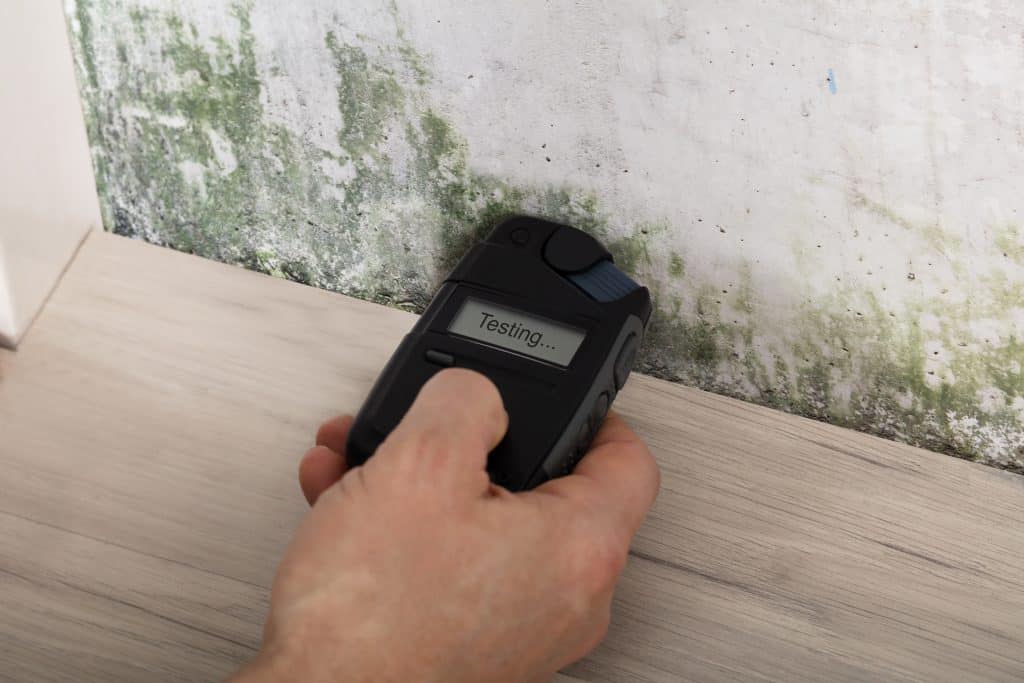
First, we come out and do a thorough visual inspection. We’re looking for visible mold, but also using moisture meters and thermal imaging to find what you can’t see—leaks, condensation, humidity issues. If needed, we take samples and send them to a certified lab so you know exactly what type of mold you’re dealing with and how much is there.
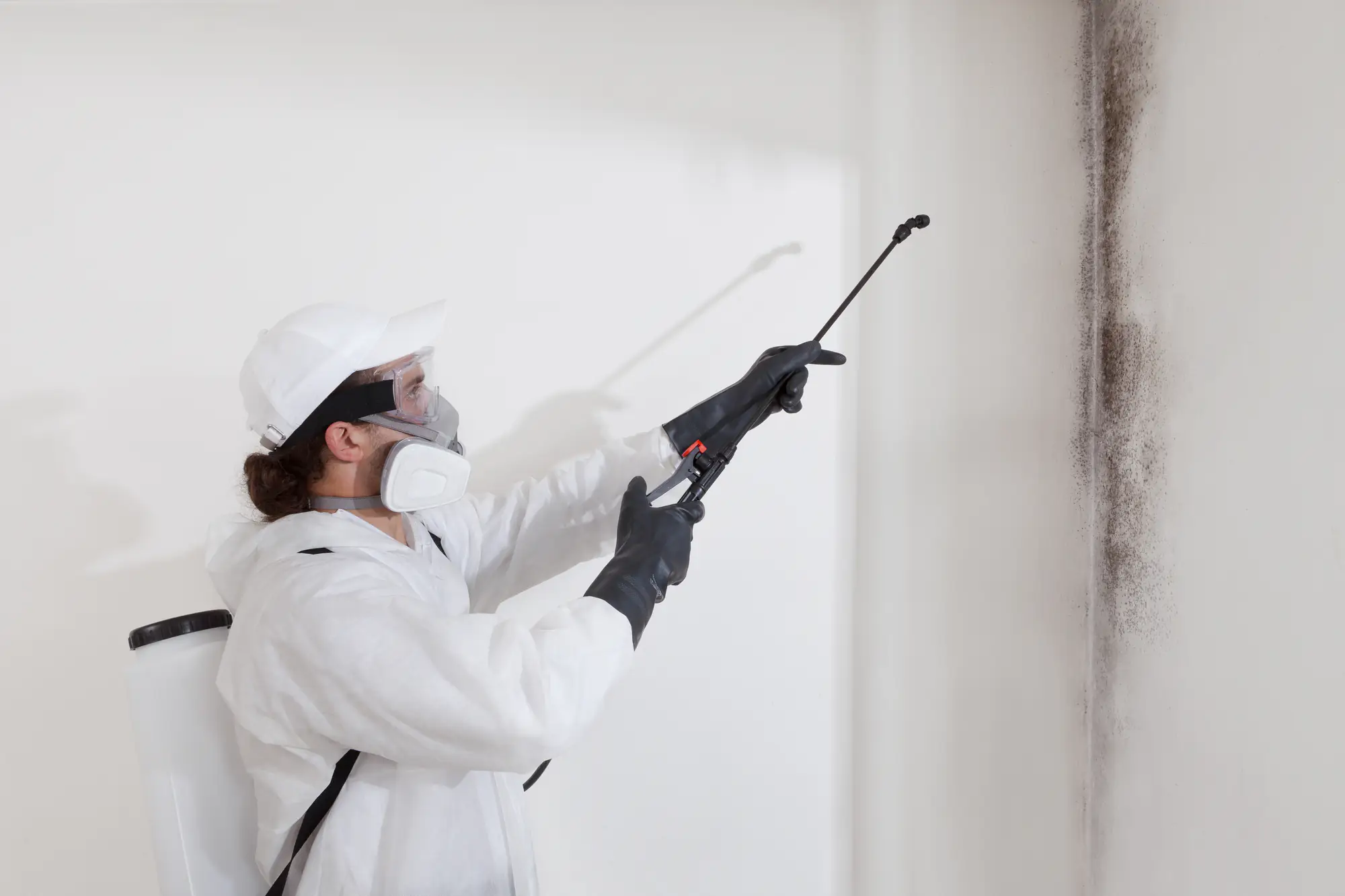
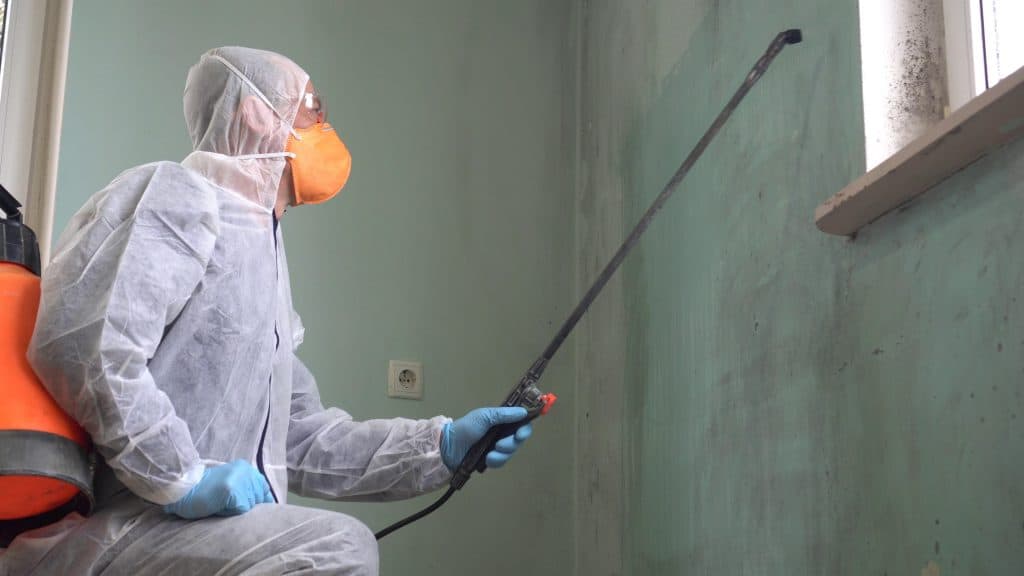
Once we know what we’re working with, we contain the area to prevent spores from spreading to other parts of your house. Then we remove the mold using HEPA filtration and EPA-approved cleaning methods. If materials like drywall or insulation are too damaged, we remove and dispose of them properly.
But here’s the part that matters most: we identify and fix the moisture source. Leaking pipe. Poor ventilation. Groundwater seeping through foundation cracks. Whatever it is, we address it. Otherwise, you’re just cleaning up mold that’s going to grow back.
After removal, we dry everything out completely and often recommend a dehumidifier or ventilation improvements to keep indoor humidity below 50%. That’s the number that keeps mold from coming back.
Ready to get started?
You get a free inspection with no obligation. We’ll tell you what we find, what it’ll cost to fix, and what your options are. No surprise bills later.
The removal itself includes containment, HEPA air filtration during the work, safe removal of contaminated materials, antimicrobial treatment, and complete drying. If you need testing, we work with certified Pennsylvania labs that identify mold species and concentration levels. That documentation is helpful if you’re filing an insurance claim or selling the property later.
We also handle the insurance paperwork if your policy covers it. Sudden pipe bursts and water damage usually qualify. Long-term neglect or maintenance issues typically don’t. We’ll walk you through what applies to your situation.
In Ardmore specifically, we see a lot of basement mold from foundation moisture and attic mold from poor ventilation. Both are fixable, but the approach is different. We’ve worked on enough Main Line properties to know what works in these older homes and what doesn’t.
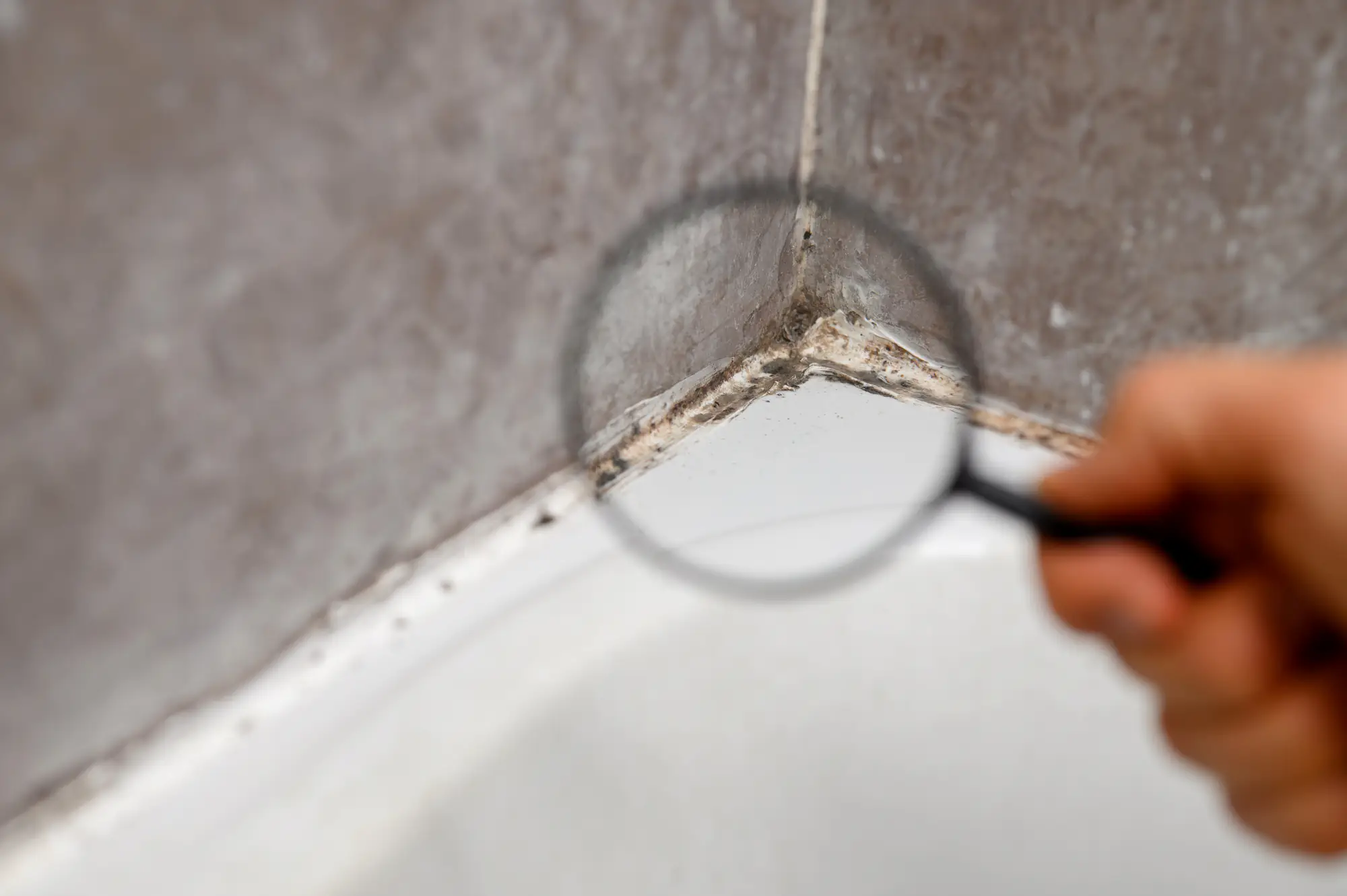
You can’t tell just by looking. “Black mold” usually refers to Stachybotrys chartarum, which is dark greenish-black and slimy. But plenty of other molds are black or dark-colored and aren’t Stachybotrys.
The only way to know for sure is lab testing. We take a sample, send it to a certified lab, and they identify the species. That said, all mold should be removed regardless of type. Even “regular” mold can trigger allergies, asthma, and respiratory issues.
If you’re seeing dark patches on walls, ceilings, or around windows, or if there’s a persistent musty smell, you’ve got a mold problem. Whether it’s Stachybotrys or another species matters less than getting it out and fixing whatever moisture issue is feeding it.
It depends on what caused the mold. If a pipe suddenly burst and you called someone within a reasonable time, most policies will cover the water damage and resulting mold. Same with storm damage or a failed appliance like a water heater.
But if mold grew because of long-term neglect—like ignoring a slow leak for months—insurance usually won’t pay. They consider that a maintenance issue. Flood-related mold typically isn’t covered unless you have separate flood insurance.
We work directly with insurance adjusters and provide the documentation they need: photos, moisture readings, scope of work, and lab results if testing was done. We’ve done this enough times to know what they’re looking for. Even if insurance doesn’t cover it, we offer flexible payment options so you can get the problem fixed now instead of waiting while it gets worse.
Small jobs—like mold in a bathroom from a leaky shower—can be done in a day or two. Larger projects, like a finished basement with mold behind walls, might take a week or more.
The timeline depends on how much mold there is, where it’s located, and how extensive the moisture damage is. If we’re removing drywall, treating framing, and waiting for everything to dry completely before rebuilding, that adds time.
We don’t rush it. Mold needs to be fully removed and the area needs to be completely dry, or you’ll have the same problem again in six months. We’d rather take an extra day to do it right than cut corners and have you call us back. Most people are more concerned about getting it done correctly than getting it done fast, and we work with that priority in mind.
The moisture source wasn’t fixed. That’s the most common reason by far.
You can scrub every visible spot of mold off a wall, but if there’s still a slow leak behind it, or if humidity in that room stays above 60%, mold will grow back. It’s not a cleaning problem at that point—it’s a moisture problem.
In Ardmore’s older homes, we see recurring mold from foundation cracks letting groundwater in, poor attic ventilation trapping humid air, old plumbing with pinhole leaks, and inadequate bathroom exhaust fans. Sometimes it’s a grading issue where water pools against the foundation after rain.
When we do mold removal, we’re also looking for why it’s there in the first place. Fix a leaky pipe. Improve ventilation. Install a dehumidifier. Seal foundation cracks. Whatever it takes to control moisture. That’s how you keep mold from coming back.
It’s both, depending on who’s exposed and for how long. For most healthy adults, small amounts of mold cause minor irritation—stuffy nose, itchy eyes, scratchy throat. Annoying, but not life-threatening.
For kids, elderly people, and anyone with asthma or allergies, mold exposure is more serious. It can trigger asthma attacks, cause persistent coughing and wheezing, and lead to respiratory infections. Studies show that removing mold from a home can reduce asthma symptoms by 25% to 45%.
Even if no one in your house has obvious symptoms yet, mold releases spores and mycotoxins into the air you’re breathing every day. Long-term exposure isn’t something to ignore. Plus, if you ever try to sell your home, buyers’ inspectors will find it. As many as half of potential buyers walk away once they learn a property had mold, even if it’s been treated.
So yes, it’s unpleasant. But it’s also a real health risk and a financial risk to your property value. Worth addressing sooner rather than later.
Not usually, but it depends on the size and location of the job. If we’re working in a basement or a single bathroom and we’ve contained the area properly, most families stay in the house without any issues.
For larger projects—like mold throughout multiple rooms or in your HVAC system—we might recommend staying somewhere else for a few days. That’s more about comfort and air quality during the work than safety. We use HEPA air scrubbers to keep spores from spreading, but the process can be noisy and dusty.
If anyone in your household has severe asthma, allergies, or a compromised immune system, it’s smart to have them stay elsewhere even for smaller jobs. We’ll be disturbing mold during removal, and even with containment, sensitive individuals can react.
We’ll give you a straight answer during the inspection. If you need to leave, we’ll tell you. If you don’t, we’ll tell you that too.
Other Services we provide in Ardmore