

Hear from Our Customers
You’re not looking for a quick wipedown with bleach. You need the mold gone and a guarantee it won’t come back next month.
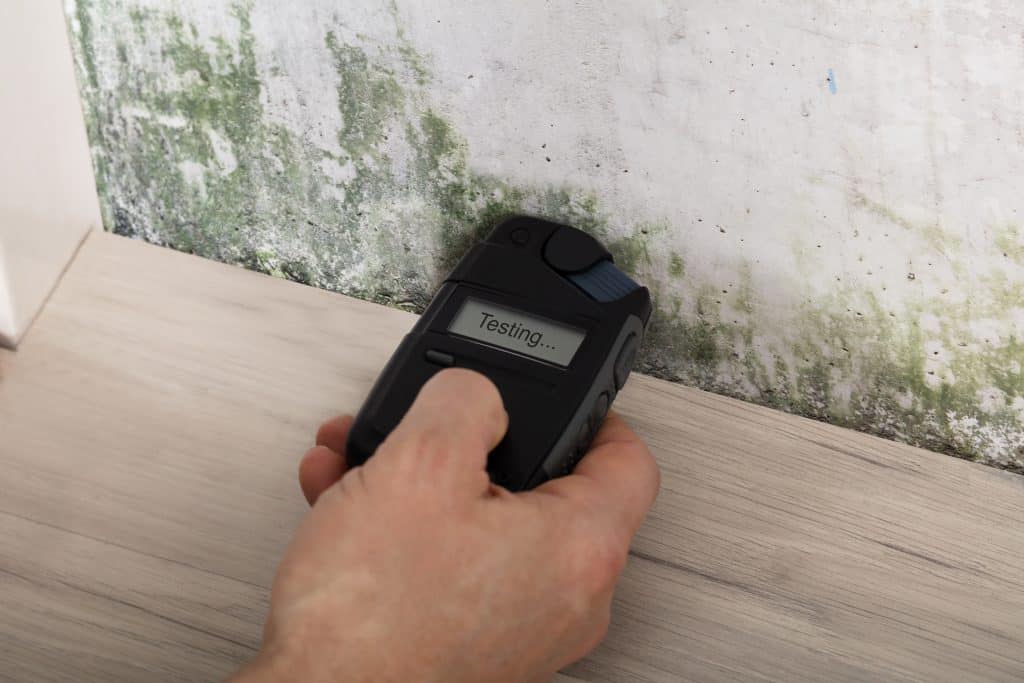
That means finding where the moisture is coming from. Leaking pipes behind walls. Condensation in your basement when humid summer air hits cool brick. Poor ventilation in your bathroom or attic. We use moisture meters and infrared cameras to locate the actual problem, not just the visible growth.
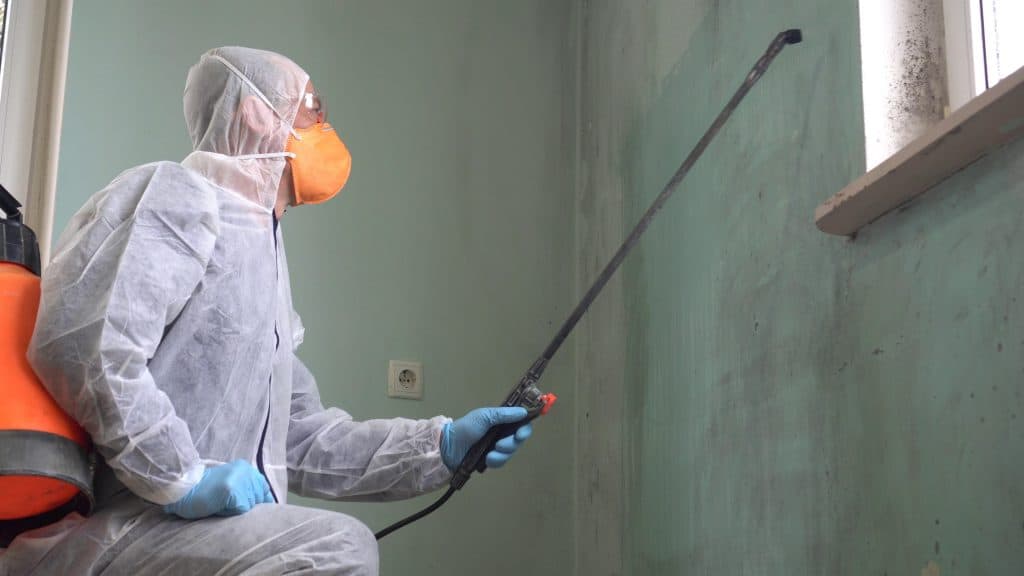
Once we’ve identified the source, we contain the affected area with physical barriers and negative air pressure so spores don’t spread to clean rooms during removal. We remove contaminated materials, treat surfaces with antimicrobial solutions, and restore your air quality with HEPA filtration. Then we address the moisture issue so you’re not dealing with this again in six months.
You get documentation for insurance claims, a clear explanation of what caused it, and a prevention plan that actually works in Philadelphia’s humid climate.
Mack’s Mold Removal has been working in Philadelphia’s historic neighborhoods for over 25 years. We understand how Society Hill’s 18th and 19th-century rowhouses trap moisture differently than modern construction.
Your brick basement walls absorb humidity. Your plaster doesn’t breathe like drywall. Your original wood framing can hide water damage for months before you see mold on the surface.
We’ve seen what happens when mold removal companies treat historic homes like suburban construction. Aggressive demolition damages irreplaceable materials. Surface treatments miss the root cause. You end up with the same problem three months later, plus repair bills for damaged plaster or woodwork.
Our team knows how to work carefully around fragile materials while still getting every trace of contamination. We follow EPA standards and Pennsylvania regulations, and we’ve built our reputation on thorough work that doesn’t create new problems.

First, we inspect your property with professional moisture detection equipment. We’re looking for visible mold, hidden growth behind walls or under floors, and the moisture source feeding it. You’ll get a clear explanation of what we find and what needs to happen next.
Next, we set up containment. Physical barriers seal off the affected area, and negative air pressure with HEPA filters prevents spores from spreading to clean areas of your home. This matters more than most people realize—improper containment can contaminate your entire house during removal.
Then we remove the mold. Contaminated materials get bagged and disposed of properly. Structural elements get treated with antimicrobial solutions. We clean HVAC systems if they’ve been affected. We don’t stop until testing confirms your air quality is back to normal levels.
Finally, we fix the moisture problem. That might mean repairing a leak, improving ventilation, or addressing drainage issues. We’ll walk you through prevention strategies specific to your home’s construction and Philadelphia’s climate. You’ll also get all the documentation you need for insurance claims.
The timeline depends on the size of the affected area, but most residential jobs take 2-5 days from start to finish.
Ready to get started?
You get a thorough inspection using moisture meters and thermal imaging to find hidden growth. We test to identify mold types—black mold requires different handling than other species.
Containment setup includes physical barriers, negative air machines with HEPA filtration, and protection for unaffected areas of your home. We’re not tracking spores through your living room to get to your basement.
Removal covers contaminated materials, antimicrobial treatment of structural elements, HVAC cleaning if needed, and proper disposal of everything we take out. We don’t leave bags of moldy drywall sitting in your yard.
Air quality restoration means HEPA vacuuming, deep cleaning of all surfaces in the affected area, and post-remediation testing to confirm spore counts are back to normal.
Society Hill’s location near the Delaware River and Philadelphia’s humid summers create perfect conditions for mold growth. Your historic home’s brick and plaster construction holds moisture longer than modern materials. We’ve handled hundreds of cases in rowhouses just like yours, and we know exactly where to look for hidden problems. Basement walls that sweat in summer. Attics with poor ventilation. Bathrooms with original plaster that’s been absorbing steam for decades.
You also get insurance documentation, photos of the damage, detailed reports of our findings, and a prevention plan customized for your specific property.
Most residential mold removal in Society Hill runs between $1,500 and $6,000, depending on the size of the affected area and how severe the contamination is. A small bathroom with surface mold might cost $1,500-$2,500. A finished basement with mold behind walls and in the HVAC system could run $4,000-$6,000 or more.
The square footage matters, but so does accessibility. Mold hidden behind finished walls costs more to remove than mold on exposed basement stone. Black mold requires more careful handling than other species. If your HVAC system spread spores throughout your house, that’s a bigger job than mold contained to one room.
Insurance sometimes covers mold removal if it resulted from a covered event like a burst pipe. We provide all the documentation you need for claims. We can also work with you on payment plans for larger jobs. What we won’t do is quote you a lowball price over the phone and then hit you with surprise charges once we’re halfway through the job.
Bleach kills surface mold on non-porous materials like tile or glass, but it doesn’t penetrate porous surfaces like drywall, wood, or plaster. The mold you see on your wall is just the surface growth—the roots (called hyphae) go deeper into the material. Bleach might make it look clean for a few weeks, but the mold comes back because you didn’t kill what’s below the surface.
More importantly, bleach doesn’t address the moisture problem causing the mold. If you have a leak, condensation issue, or ventilation problem, the mold will return no matter how much bleach you use. You’re treating the symptom, not the cause.
DIY cleaning also risks spreading spores throughout your home if you don’t contain the area properly. Scrubbing releases thousands of spores into the air. Without proper containment and air filtration, you’re contaminating clean areas while you work.
Small surface mold on bathroom tile might be fine to handle yourself. Mold behind walls, in your HVAC system, or covering more than 10 square feet needs professional removal. So does any black mold, which can cause serious health issues if disturbed improperly.
Most residential mold removal takes 2-5 days from inspection to final clearance testing. A single room with contained mold might be done in two days. Whole-house contamination or severe basement mold could take a week or more.
Day one is inspection and containment setup. We locate all the mold, identify the moisture source, and seal off affected areas. Days two through four are removal, treatment, and cleaning. We’re pulling out contaminated materials, treating surfaces, cleaning your HVAC if needed, and running air scrubbers. The final day is clearance testing to confirm your air quality is back to safe levels.
Drying time can extend the timeline. If we’re fixing a moisture problem, we need to make sure everything is completely dry before we close up walls or replace materials. Rushing this step just sets you up for mold to return.
You can usually stay in your home during the work if the affected area is properly contained. We’ll let you know if the contamination is severe enough that you should stay elsewhere temporarily. Most Society Hill rowhouse jobs don’t require you to leave, but we’ll be honest if yours does.
Philadelphia’s humid climate is the biggest factor. Summer humidity regularly exceeds 60%, and your historic home’s brick walls and basement absorb that moisture. When humid air hits cool basement walls or poorly ventilated attics, condensation forms. That moisture seeps into wood, plaster, and insulation, and mold starts growing within 24-48 hours.
Brick basements are particularly problematic. The brick is porous and wicks moisture from the ground. Many Society Hill basements were never designed to be finished living spaces, so they lack proper moisture barriers and ventilation. Add a finished basement with carpet and drywall, and you’ve created perfect conditions for hidden mold growth.
Plumbing leaks are another common cause. Pipes hidden behind plaster walls can leak for months before you notice. Old cast iron drain pipes corrode and leak. Supply lines fail. By the time you see water damage or smell mold, there’s often significant growth behind the walls.
Poor ventilation makes everything worse. Historic homes weren’t built with bathroom exhaust fans or whole-house ventilation systems. Steam from showers, cooking moisture, and everyday humidity have nowhere to go. That moisture accumulates in bathrooms, kitchens, and attics, creating ideal conditions for mold.
Mold comes back if the moisture problem isn’t fixed. If you have a leak, condensation issue, or ventilation problem, removing the mold without addressing the source is temporary. You’ll see new growth within weeks or months.
That’s why professional mold removal includes moisture source identification and elimination. We don’t just clean what’s visible—we find out why it’s growing there. Leaking pipes get repaired. Condensation problems get solved with better ventilation or dehumidification. Drainage issues around your foundation get addressed.
We also provide prevention strategies specific to your home. That might mean running a dehumidifier in your basement during summer months. Installing bathroom exhaust fans. Improving attic ventilation. Redirecting downspouts away from your foundation. These aren’t complicated solutions, but they make the difference between one-time removal and recurring problems.
If we do our job correctly and you maintain reasonable humidity levels in your home, the mold shouldn’t return to the same areas. Philadelphia’s climate means you need to stay vigilant—check your basement regularly, address leaks immediately, and keep humidity under control. But you shouldn’t be dealing with the same mold problem over and over if the root cause was properly fixed.
Yes, we provide all the documentation your insurance company needs. That includes detailed photos of the damage, moisture readings, reports of our findings, and itemized invoices for the work performed.
Insurance coverage for mold varies by policy. Most homeowners insurance covers mold if it resulted from a sudden, covered event like a burst pipe or storm damage. They typically don’t cover mold from long-term maintenance issues like a slow leak you ignored for months or chronic humidity problems.
We’ll work directly with your insurance adjuster if needed. We’ve handled hundreds of insurance claims and know what documentation they require. We can also provide estimates before starting work so you know what to expect.
The key is acting quickly. Insurance companies look more favorably on mold claims when you’ve responded promptly to the water damage. If you discover a leak or flooding, call us immediately. The faster we can document the damage and start remediation, the better your chances of coverage.
We’ll be honest about whether your situation is likely to be covered. We’re not going to tell you to file a claim if we know from experience that your policy won’t cover it. And if insurance denies your claim, we’ll work with you on payment options to get the work done anyway.
Other Services we provide in Society Hill