
Hear from Our Customers
You stop worrying every time someone coughs. The musty smell disappears. Your basement or bathroom actually feels clean again.
That’s what complete mold removal does. It doesn’t just wipe down visible spots and hope for the best. It addresses the source, removes contaminated materials properly, and treats affected areas so mold doesn’t just grow back in three months.
When black mold removal is done right, you’re not masking a problem. You’re eliminating it. And if you’re planning to sell or refinance, you’re protecting your home’s value instead of watching it drop 20% or more because an inspector found something you missed.
We’ve served Wynnewood and Montgomery County since we started, and we’ve seen what happens when mold gets ignored or handled incorrectly. We’ve also seen homes in this area—older builds with stone foundations, finished basements that weren’t waterproofed right, attics with poor ventilation—deal with the same issues over and over.
That’s why we don’t just show up and spray something. We inspect thoroughly, test when needed, and remove mold the right way using proper containment and equipment. Our team is certified, our process follows industry standards, and we’re rated 5.0 because we treat your home the way we’d treat our own.
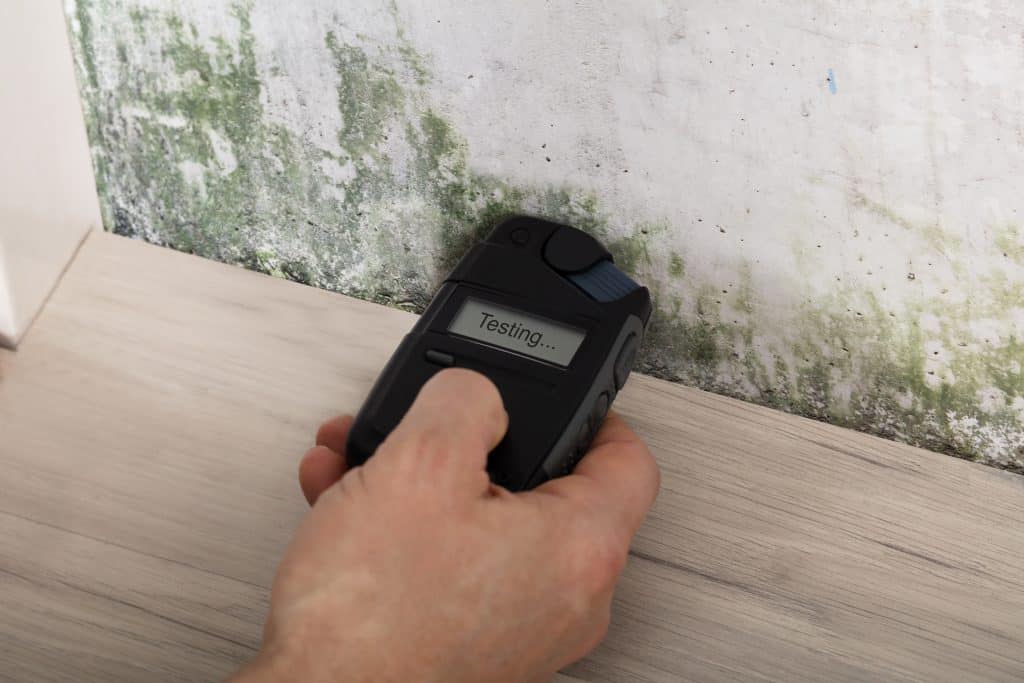
First, we come out and do a free inspection. We’re looking at visible mold, but also checking areas you can’t easily see—behind walls, under floors, in crawl spaces. We use moisture meters and infrared cameras to find hidden problems before they spread.
If testing is needed, we send samples to a certified lab. That tells us what type of mold we’re dealing with and how much of it there is. Then we give you a clear, upfront estimate before any work starts.
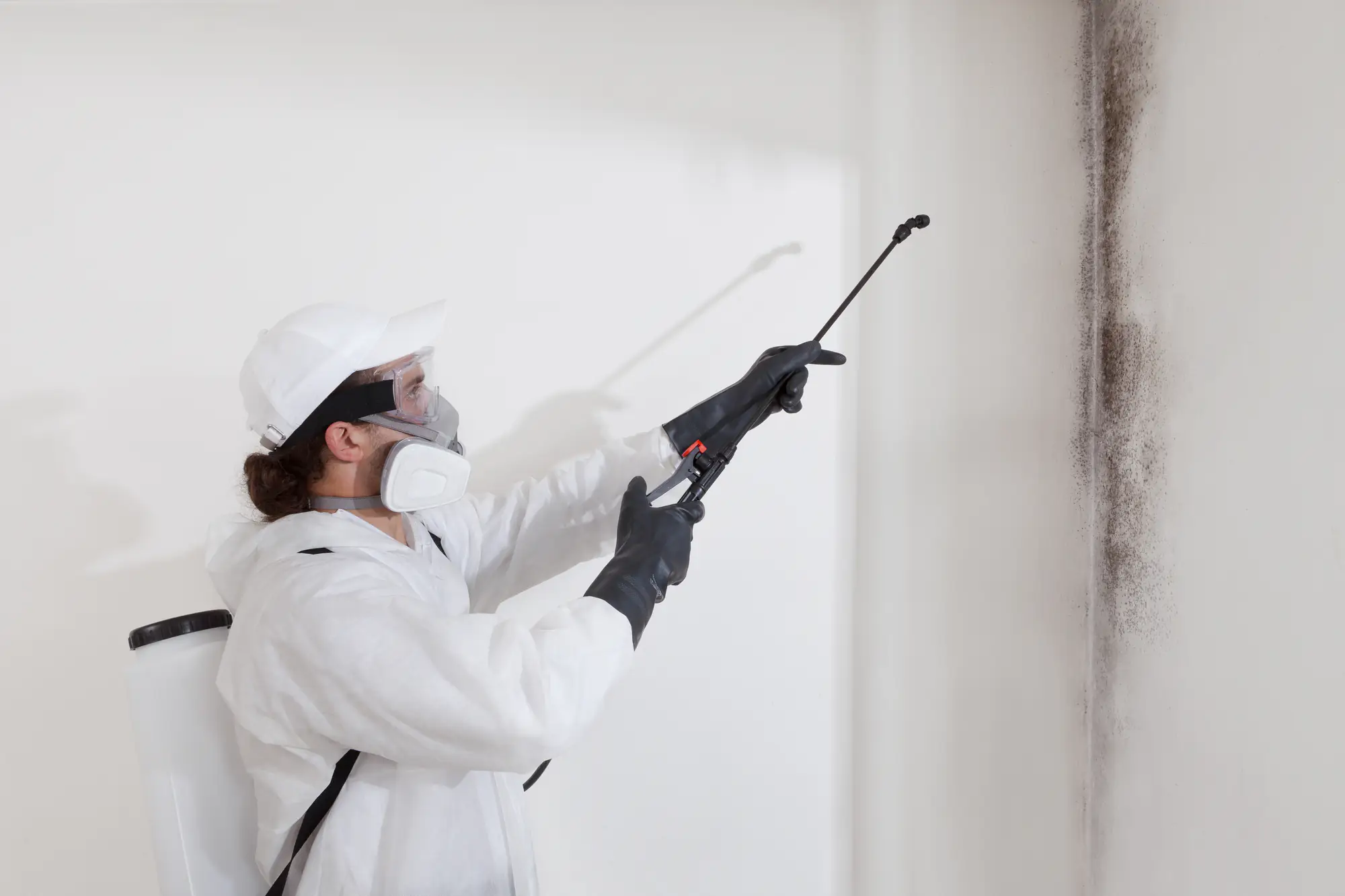
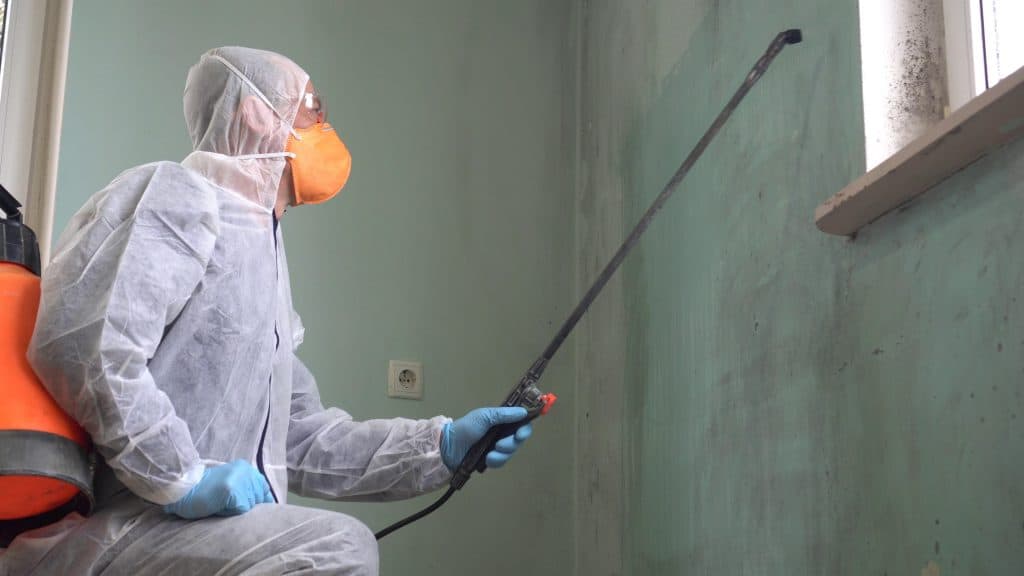
During removal, we set up containment to keep spores from spreading to clean areas of your home. We remove contaminated materials, treat affected surfaces, and use HEPA filtration to clean the air. After everything’s removed, we can help with prevention strategies—dehumidifiers, ventilation improvements, moisture control—so you’re not dealing with this again next year.
Ready to get started?
Every job starts with a thorough inspection at no cost to you. We document everything, take photos, and explain what we find in plain terms.
If you need it, we coordinate lab testing through certified facilities. That’s important if you’re dealing with health symptoms, insurance claims, or just want to know exactly what’s growing in your home. In Wynnewood, where humidity spikes in summer and older homes hold moisture differently than new construction, that detail matters.
Our mold cleaning services include full containment setup, safe removal of affected materials, HEPA air scrubbing, antimicrobial treatment, and proper disposal. We also work with your insurance company if your policy covers the damage. And because we’ve been doing this for years in Montgomery County, we know which local issues to watch for—stone foundation seepage, poor attic airflow, basement humidity that never quite goes away.
Most mold removal projects in the Wynnewood area run between $1,300 and $3,700, with an average around $2,400. But that range is wide because every situation is different.
A small patch of mold in a bathroom might cost $500 to $1,000 if it’s surface-level and contained. A finished basement with hidden mold behind drywall, or an attic with contamination across insulation and rafters, can easily hit $5,000 to $10,000 or more.
What drives the cost is how much mold there is, where it’s located, what materials need to be removed, and whether there’s structural damage or water intrusion that needs to be fixed at the same time. We give you a detailed estimate upfront so there’s no confusion. And if your homeowner’s insurance covers it, we’ll work with them directly to make the claims process easier.
You can try, but it’s rarely a good idea. Here’s why: most DIY mold removal only clears what you can see on the surface. The mold growing behind your drywall, under your flooring, or inside your HVAC system doesn’t get touched.
Even worse, disturbing mold without proper containment spreads spores to other parts of your home. So you might clean one area and accidentally contaminate three others. And if you’re dealing with black mold or any toxic species, exposure during removal can cause serious respiratory issues, especially if you have asthma or allergies.
Professional mold removal uses containment barriers, negative air pressure, HEPA filtration, and proper protective equipment. We remove the mold completely, treat the area to prevent regrowth, and make sure spores don’t spread during the process. If the mold covers more than 10 square feet, or if it’s in your HVAC system, the EPA recommends hiring a professional. It’s not about upselling you—it’s about doing it right the first time.
A small, straightforward job might take one to two days. A larger project with extensive contamination, structural repairs, or multiple rooms can take a week or more.
The timeline depends on how much mold there is, where it’s located, and what needs to be removed or rebuilt. For example, if we’re treating a single bathroom with surface mold on tile and grout, that’s quick. If we’re gutting a finished basement because mold spread behind walls and into insulation, that takes longer.
After the mold is removed, affected areas need time to dry completely before we can seal or rebuild. Rushing that step just invites the mold back. We’ll give you a realistic timeline during the estimate so you know what to expect. And if it’s an emergency—like a burst pipe that caused sudden mold growth—we’re available 24/7 to start containment and drying right away.
It depends on what caused the mold. If it’s from a sudden, accidental event—like a burst pipe, roof leak during a storm, or appliance malfunction—most policies will cover it. If it’s from long-term neglect, poor maintenance, or gradual moisture buildup, probably not.
Insurance companies want to see that the mold resulted from a covered peril, not from ignoring a leaky faucet for two years. That’s why documentation matters. We take detailed photos, moisture readings, and notes during inspection so you have what you need for your claim.
We’ve worked with dozens of insurance companies over the years and we’re happy to communicate directly with your adjuster. We’ll provide estimates, explain our process, and answer their questions. It makes the whole thing less stressful for you. Even if your claim gets denied, we offer financing options to make the work affordable.
Technically, “mold removal” and “mold remediation” mean slightly different things, but most people use them interchangeably. Remediation is the more accurate term because it’s impossible to remove every single mold spore from a building—mold exists naturally everywhere.
What we actually do is reduce mold levels back to normal, safe concentrations. That means removing contaminated materials, cleaning affected surfaces, killing mold at the source, and controlling moisture so it doesn’t come back.
“Removal” sounds like we’re getting rid of every trace, and while we do remove all visible mold and treat hidden growth, the goal is really to restore your indoor environment to healthy levels. We use the term “mold removal” because that’s what most homeowners search for and understand. But when we’re on the job, we’re doing full remediation—inspection, containment, removal, treatment, air filtration, and prevention. It’s the complete process, not just wiping things down.
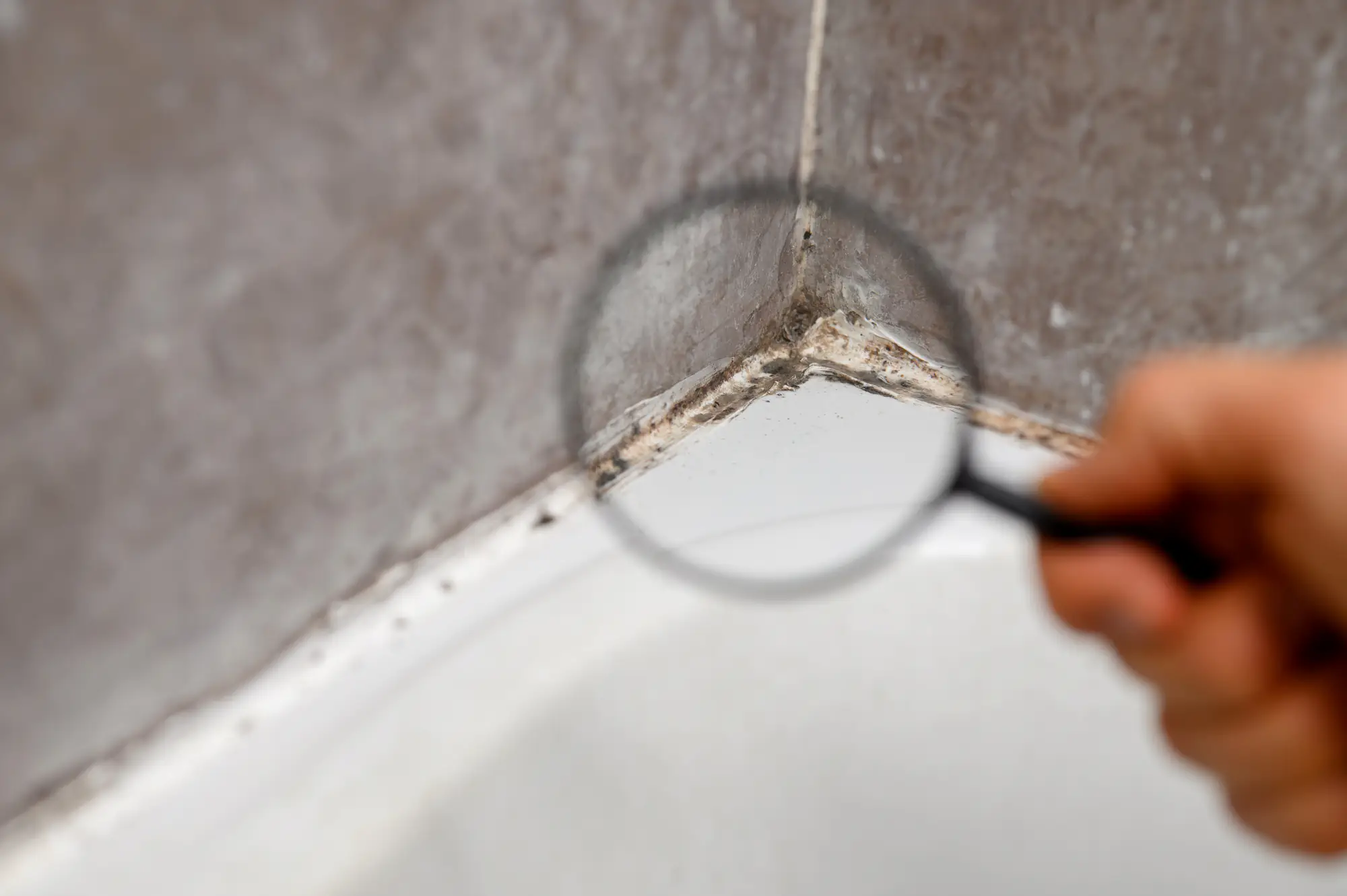
The most obvious signs are visible mold growth—black, green, or white patches on walls, ceilings, grout, or wood. You might also notice a persistent musty or earthy smell, especially in basements, bathrooms, or attics.
Health symptoms are another clue. If you or your family are experiencing stuffy nose, coughing, wheezing, itchy eyes, or skin rashes that get better when you leave the house, mold could be the cause. People with asthma or allergies tend to react more severely.
But mold doesn’t always announce itself. It can grow behind drywall, under carpets, inside HVAC ducts, or in crawl spaces where you never look. That’s why moisture is the real warning sign. If you’ve had any water damage—leaks, flooding, condensation, high humidity—there’s a good chance mold is growing somewhere. In Wynnewood, older homes with stone foundations and poor ventilation are especially prone to hidden mold. If you suspect it, get a professional inspection. We’ll check the areas you can’t see and give you a straight answer about what’s going on.
Other Services we provide in Wynnewood