

Hear from Our Customers
You stop worrying about what’s growing behind your walls. Your kids aren’t coughing at night. The musty smell in your basement finally disappears.
That’s what actually matters. Not the process, not the equipment—the fact that your home feels safe again.
Mold doesn’t just sit there. It spreads. It damages drywall, wood, insulation. It triggers allergies, asthma, and respiratory problems. And in Warrington’s humid climate—where we hit 78% humidity in the wettest months—it grows fast.
You need more than surface cleaning. You need someone who finds the moisture source, removes contaminated materials properly, and makes sure it doesn’t come back. That’s what professional mold removal actually does.
We work throughout Warrington and Bucks County. We know the basements here flood. We know the attics get humid in summer. We know what happens when your HVAC system isn’t vented right.
We’re not a national franchise reading from a script. We’re local, and we’ve seen what mold does to homes in this area when it’s ignored or half-fixed.
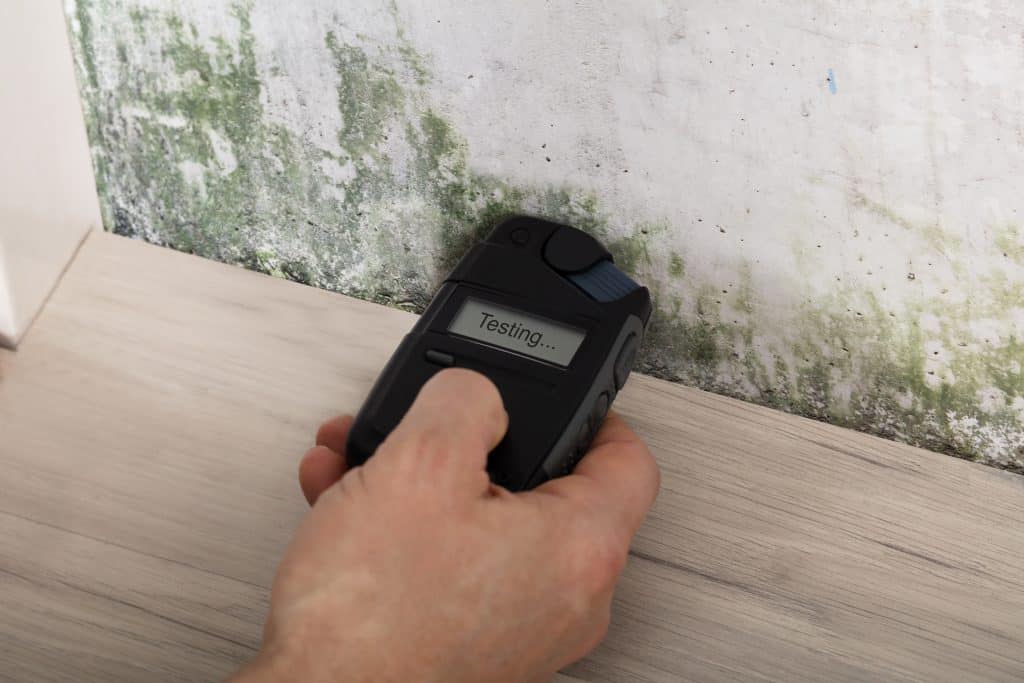
You’ll work with certified mold specialists who use thermal imaging and moisture meters to find hidden growth. We handle insurance paperwork. We offer free inspections. And we’re available 24/7 when you have an emergency.

First, we inspect your property for free. That means checking visible areas and using equipment to detect mold you can’t see—inside walls, under floors, in crawl spaces.
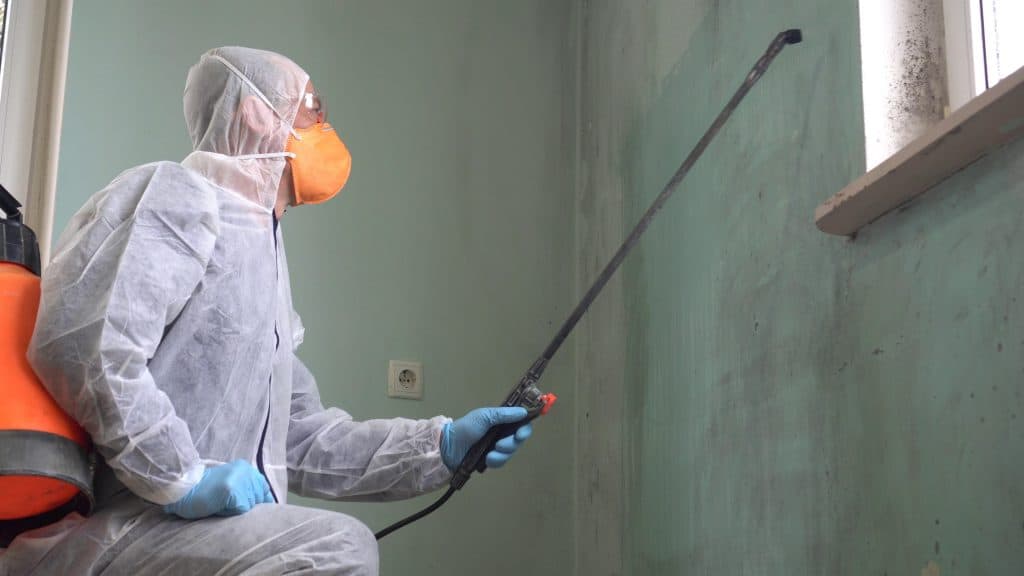
Once we know what we’re dealing with, we contain the area to prevent spores from spreading during removal. Then we remove contaminated materials, treat affected surfaces, and dry everything thoroughly. If there’s a leak, poor ventilation, or drainage issue causing the mold, we identify it so you can fix the root problem.
After removal, we test the air quality to confirm the mold is gone. You get documentation for your records or insurance claim. The whole process usually takes one to three days depending on the size of the affected area.
You’re not left guessing. We walk you through every step and explain what we’re doing and why.
Ready to get started?
You get a full inspection with moisture mapping and thermal imaging. We identify the type of mold and the extent of contamination. Then we contain the work area, remove affected materials, and treat surfaces with antimicrobial solutions.
We also handle air filtration during the job to keep spores from spreading to clean areas of your home. Once removal is complete, we dry and dehumidify the space, then verify air quality with post-remediation testing.
In Warrington, most mold problems start with water. Basement seepage after heavy rain. Roof leaks. Bathroom exhaust fans that vent into the attic instead of outside. We document the moisture source so you know what needs to be fixed to prevent regrowth.
We also work directly with your insurance company if your mold issue is related to a covered water damage event. That means helping with documentation, photos, and claims paperwork—so you’re not doing it alone.
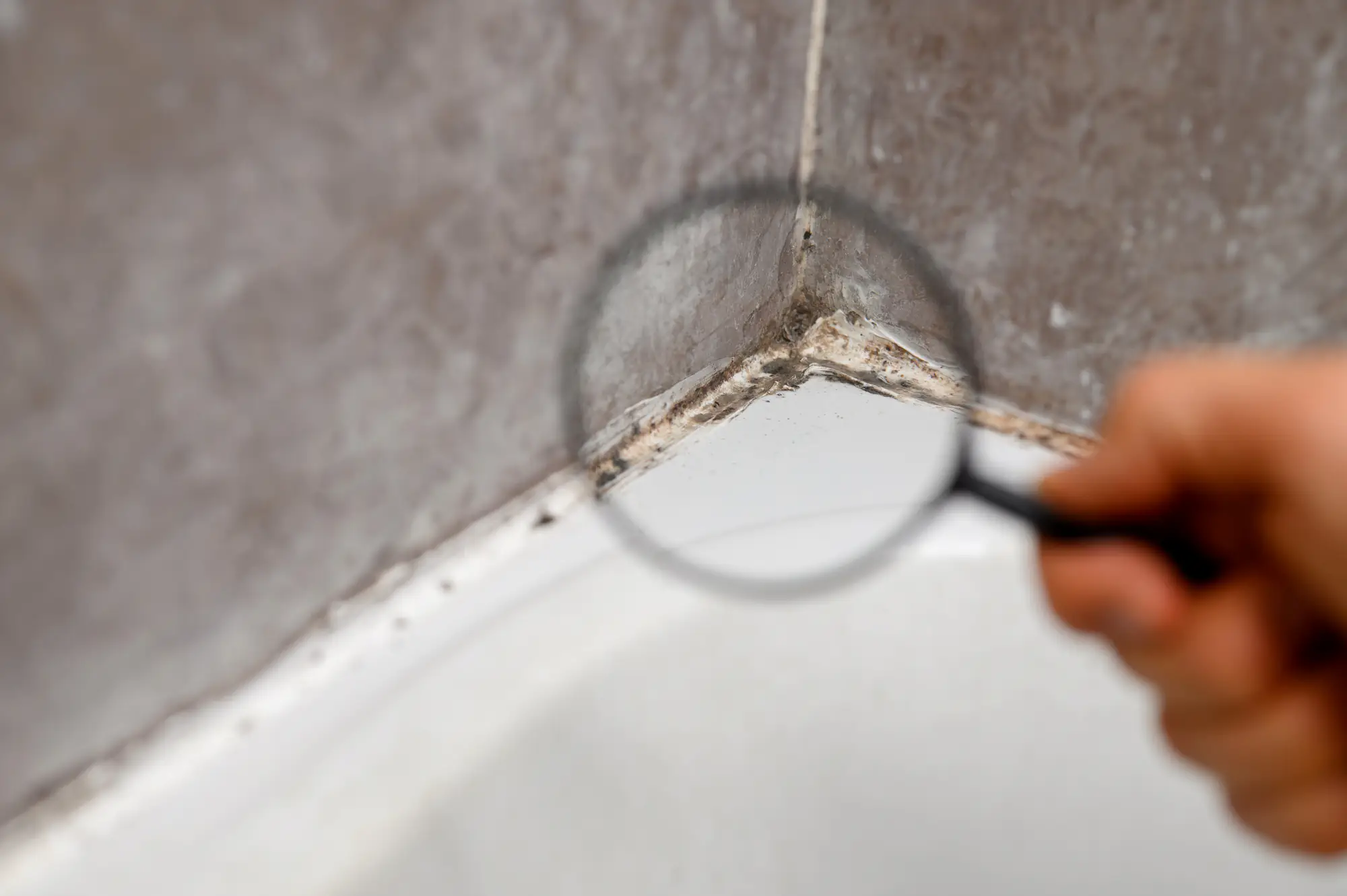
Mildew is surface-level. It’s usually white or gray, powdery, and grows on damp surfaces like shower tiles or windowsills. You can wipe it off with basic cleaning products.
Mold is different. It penetrates porous materials like drywall, wood, and insulation. It’s often black, green, or brown, and it has a fuzzy or slimy texture. You’ll usually smell it before you see it—that musty, earthy odor that doesn’t go away even after you clean.
If you’re seeing discoloration on walls, peeling paint, or warping materials, that’s a sign of mold growth behind the surface. At that point, you need a professional mold inspection to assess the damage and determine how far it’s spread. Surface cleaning won’t fix it.
If it’s a small area—less than 10 square feet—and it’s on a non-porous surface like tile, you can handle it yourself with the right cleaner and protective gear. But if it’s larger, or if it’s growing on drywall, insulation, or wood, you’re better off hiring a professional.
Here’s why: disturbing mold releases spores into the air. Without proper containment, you spread contamination to other areas of your home. You also need to remove damaged materials completely, not just scrub the surface. And if you don’t fix the moisture problem causing the mold, it’ll come back.
Professional mold removal includes containment, safe material removal, air filtration, and post-testing to confirm the mold is actually gone. If you have health issues like asthma or allergies, or if the mold is in your HVAC system, don’t risk doing it yourself.
Most residential mold removal jobs take one to three days. Small areas like a bathroom or closet can be done in a day. Larger projects—like a finished basement or multiple rooms—take longer.
The timeline depends on the size of the contaminated area, the type of materials affected, and how much demolition is needed. If we’re removing drywall, insulation, or flooring, that adds time. Drying and dehumidifying the space properly also takes a day or two.
We don’t rush it. Mold removal done too quickly usually means it wasn’t done right. You need time for proper containment, thorough material removal, and complete drying. We’ll give you a realistic timeline during the inspection so you know what to expect.
It depends on what caused the mold. If it’s from a sudden, accidental water event—like a burst pipe, roof leak during a storm, or appliance malfunction—your insurance will likely cover the mold removal as part of the water damage claim.
If the mold is from long-term neglect, poor maintenance, or gradual issues like humidity or condensation, most policies won’t cover it. Insurance companies expect you to maintain your home and address moisture problems before they cause mold.
We help with the claims process either way. We document everything, take photos, and provide detailed reports your insurance company needs. If your claim gets denied, at least you’ll know why—and we offer flexible payment options to make the work affordable even without coverage.
Humidity. Warrington’s climate averages 67% relative humidity year-round, and it spikes to 78% in the wettest months. Mold starts growing within 24 to 48 hours when materials stay damp.
Basements are the biggest problem. Water seeps through foundation cracks after heavy rain. Poor grading around your home pushes water toward the foundation instead of away from it. Sump pumps fail. And if your basement isn’t dehumidified, that moisture just sits there.
Attics are another hotspot. In summer, heat and humidity build up if your ventilation isn’t adequate. Bathroom exhaust fans that vent into the attic instead of outside dump moisture right where you don’t want it. Roof leaks go unnoticed until you see stains or smell mold.
The key is controlling moisture before mold starts. But if it’s already growing, you need to remove it and fix whatever’s letting water or humidity in.
You should get post-remediation testing. That means air quality samples taken after the work is finished to confirm mold spore levels are back to normal. If a company doesn’t offer testing or tells you it’s unnecessary, that’s a red flag.
You should also see documentation: photos of the affected areas before and after, a list of materials removed, and a summary of the work performed. If you’re filing an insurance claim, you’ll need this anyway.
The treated area should be completely dry. No musty smell. No visible discoloration or staining. And you should know what caused the mold in the first place—whether it was a leak, ventilation issue, or drainage problem—so you can prevent it from happening again.
If the company just sprayed something and left, the mold will come back. Real mold removal means removing contaminated materials, drying the space, and addressing the source of moisture. Anything less is a temporary fix.