
Hear from Our Customers
You’re dealing with more than black spots on your basement walls. Mold affects your breathing, triggers allergies, and spreads fast if moisture keeps feeding it. Within 24 to 48 hours of water exposure, mold starts growing in places you can’t see—behind drywall, under flooring, inside HVAC systems.
The real problem isn’t just the mold you notice. It’s what’s hidden. Wall cavities, crawl spaces, and attic insulation can harbor toxic mold like Stachybotrys chartarum without any visible signs until the damage is severe.
You need more than surface cleaning. You need mold experts who locate the moisture source, remove contaminated materials safely, and verify the air quality afterward. That’s how you protect your family and avoid spending thousands more down the road when the problem comes back.
Warrington’s climate makes this worse. Humid summers and older homes with basement moisture issues create perfect conditions for mold growth. If you’re smelling something musty or seeing discoloration, you’re already behind.
We’ve been helping Warrington homeowners eliminate mold problems for years. We’re certified mold remediation specialists who understand how moisture moves through homes in this area—whether you’re in an older property near Central Park or a newer build with ventilation issues.
We use infrared cameras and digital moisture meters to find problems you can’t see. Our team follows EPA-approved protocols and sends samples to nationally recognized labs for accurate mold identification. You’re not getting guesswork or a quick fix that fails in six months.
We’ve handled everything from basement flooding to attic condensation to hidden leaks that caused black mold behind kitchen cabinets. You get transparent pricing, insurance claim assistance, and a team that shows up when we say we will.
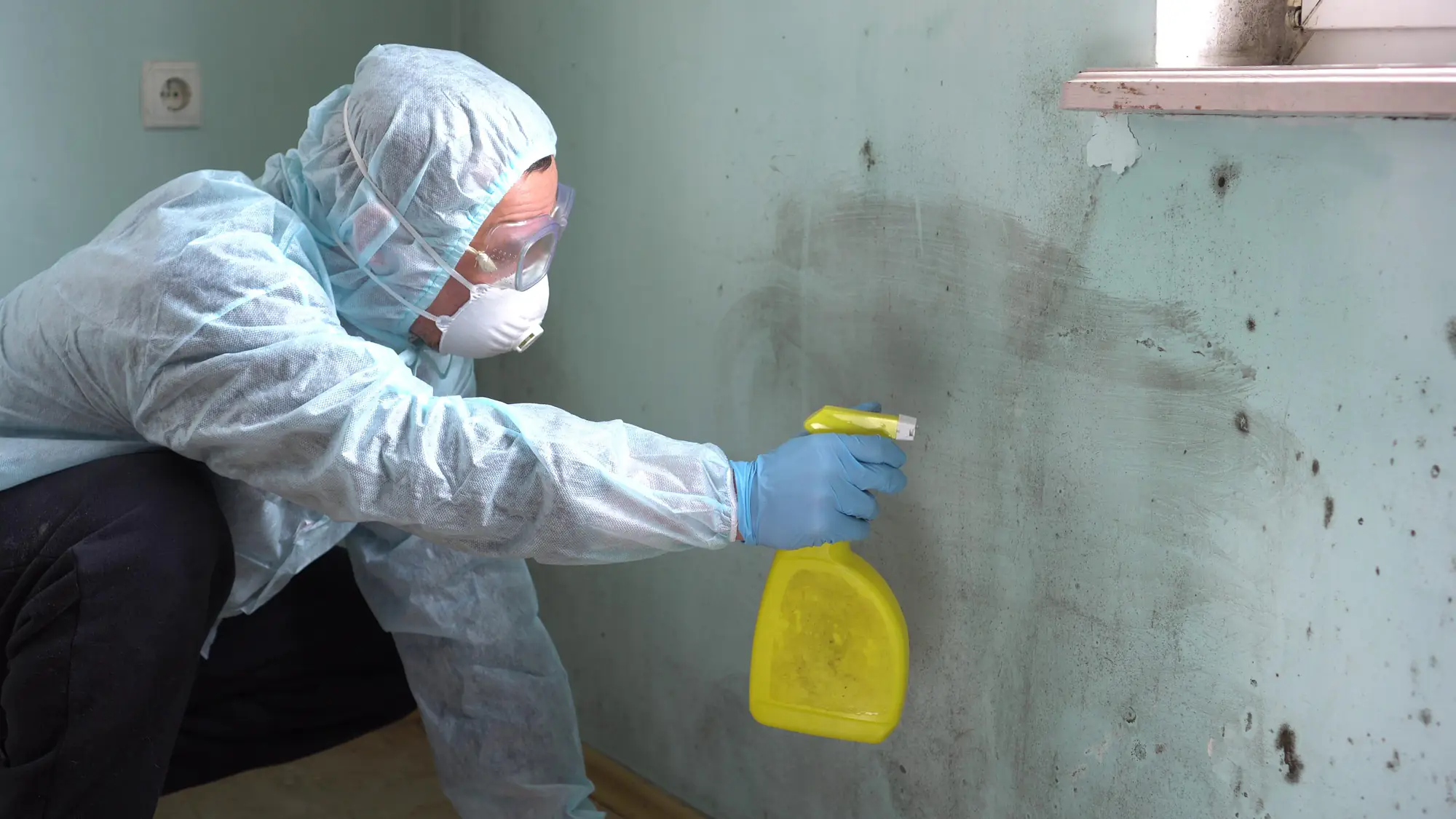
First, we inspect your property for free. We’re looking at visible mold, but we’re also checking moisture levels in walls, floors, and ceilings with specialized equipment. We test air quality and take samples if needed to identify exactly what type of mold you’re dealing with.
Once we know what we’re working with, we give you a detailed estimate. No surprises. We explain what needs to be removed, how we’ll contain the area to prevent spores from spreading, and what the timeline looks like.
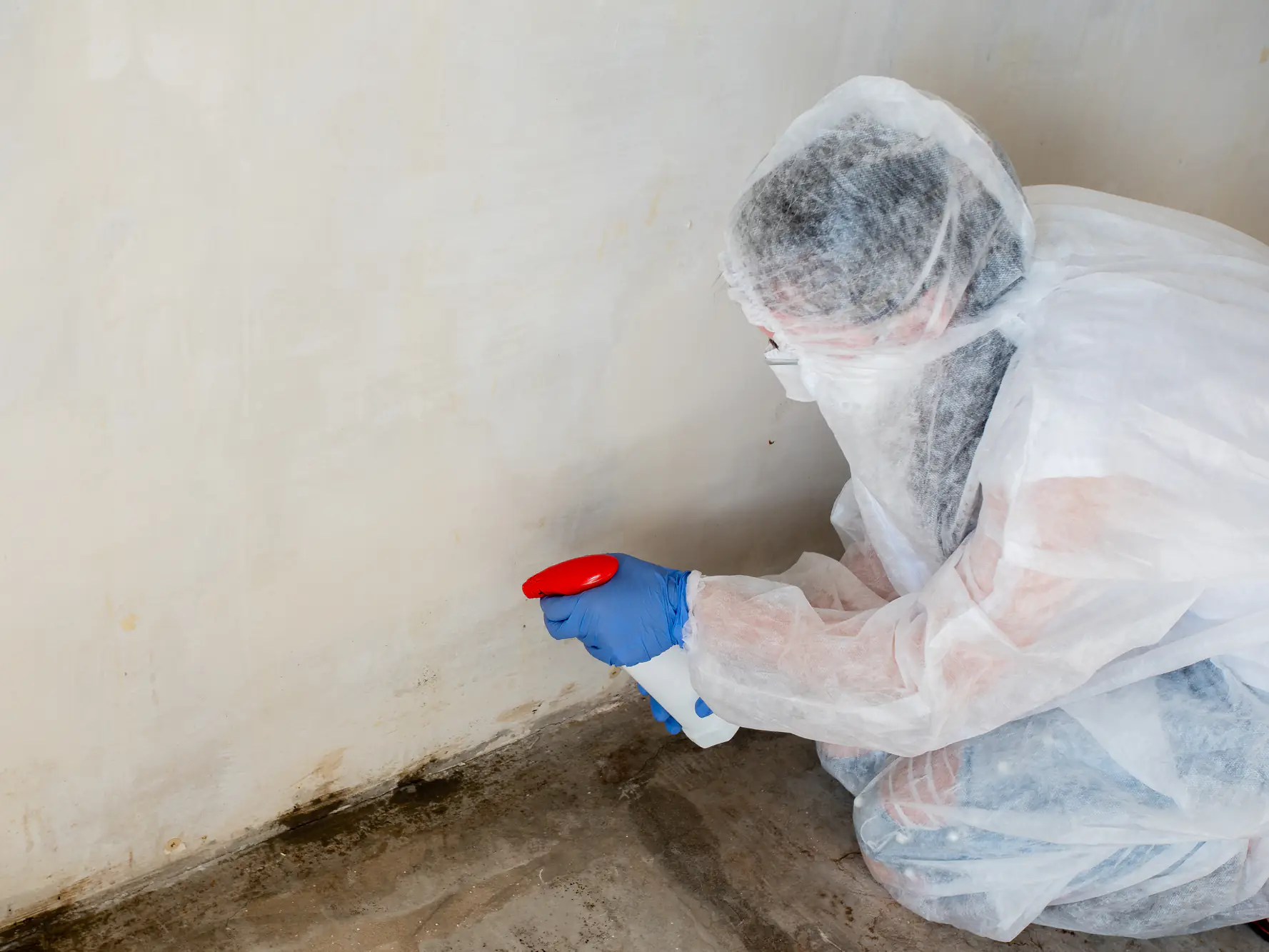
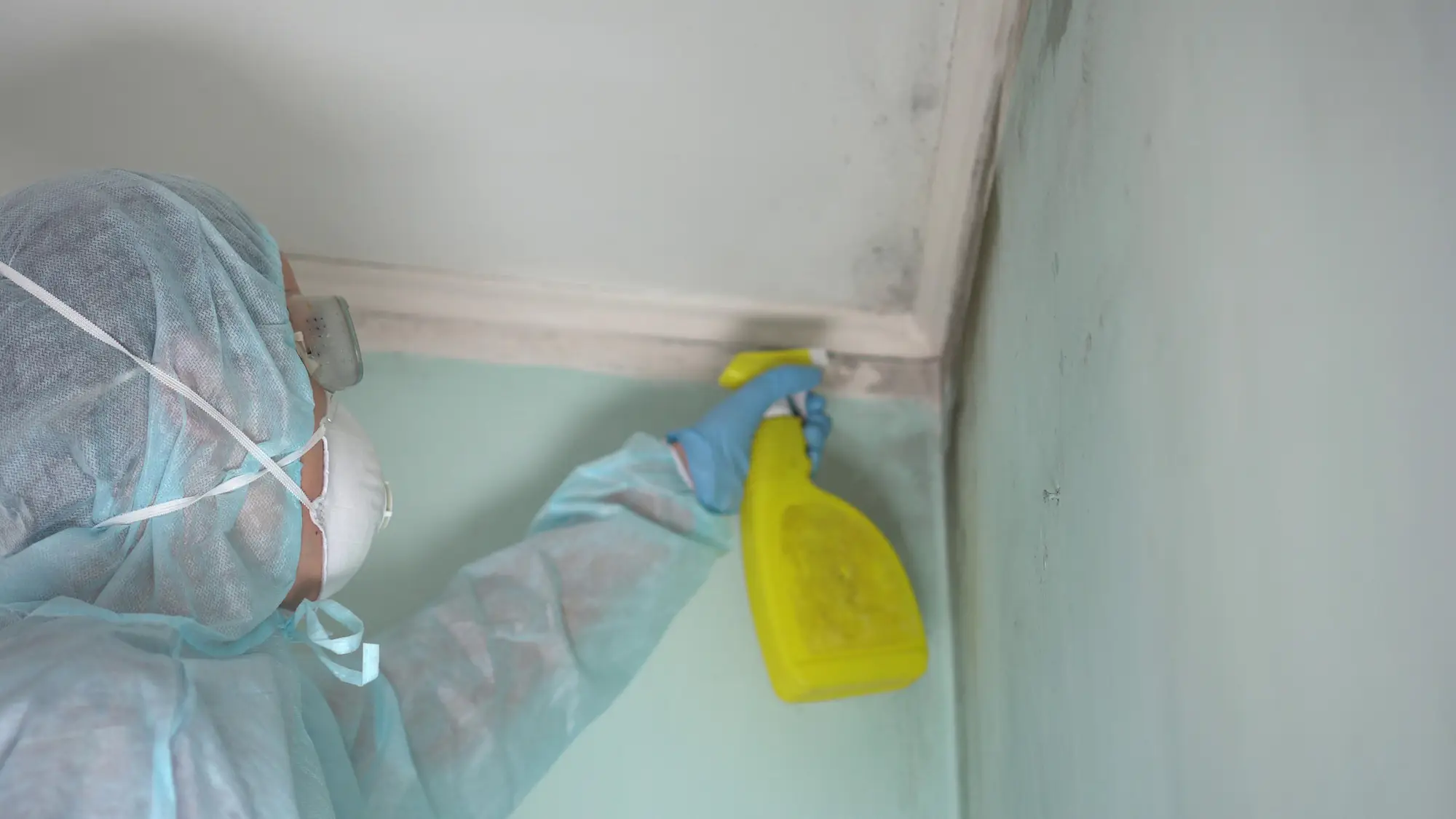
During remediation, we set up containment barriers and negative air pressure systems to keep mold spores from traveling to clean areas of your home. We remove contaminated materials—drywall, insulation, flooring—whatever can’t be safely cleaned. Then we treat surfaces with antimicrobial solutions and dry everything completely.
After removal, we test the air again to confirm mold levels are back to normal. You get documentation for your records and insurance company. If there’s reconstruction needed, we handle that too so you’re not coordinating with multiple contractors.
The whole process usually takes a few days to a week depending on the size of the affected area. You’ll know what to expect before we start.
Ready to get started?
Your mold remediation includes a thorough inspection with moisture mapping, lab testing to identify mold species, and a written remediation plan. We don’t skip steps to save time.
You get full containment setup to protect unaffected areas, HEPA air filtration during the entire process, and safe removal of all contaminated materials. We’re equipped to handle everything from small bathroom mold to large-scale basement flooding damage.
In Warrington, we see a lot of basement moisture problems from groundwater and poor drainage around foundations. Older homes near Neshaminy Creek or properties with crawl spaces are especially vulnerable. We address the moisture source—not just the mold—so you’re not calling us back in three months.
We also help with insurance claims. Most policies cover mold if it resulted from a covered event like a burst pipe. We document everything, take photos, and provide detailed reports your insurance company needs. That alone saves you hours of frustration.
After remediation, you get post-testing results and a guarantee on our work. If you need drywall replaced or flooring reinstalled, we handle that too. You’re working with one company from start to finish.

You’ll usually smell it before you see it—a musty, earthy odor that doesn’t go away even after cleaning. Visible signs include black, green, or white patches on walls, ceilings, or around windows. You might also notice water stains, peeling paint, or warping on surfaces that stay damp.
Health symptoms are another indicator. If you’re experiencing unexplained respiratory issues, persistent coughing, or allergy symptoms that worsen at home, mold could be the cause. About 21% of people have allergic reactions to mold, and toxic varieties like black mold can cause serious health problems.
The tricky part is that mold often grows in hidden areas. Behind drywall, under carpets, inside HVAC ducts, or in crawl spaces where you never look. If you’ve had any water damage—even a small leak—there’s a good chance mold started growing within 48 hours. A professional inspection with moisture meters and infrared cameras will find problems you’d miss on your own.
Small surface mold on non-porous materials like tile might be manageable with proper safety gear and cleaning products. But if the affected area is larger than 10 square feet, or if mold is growing on porous materials like drywall or wood, DIY removal usually makes things worse.
Here’s why: disturbing mold releases thousands of spores into the air. Without proper containment and air filtration, you’re spreading the problem throughout your home. You’re also not addressing the moisture source, so the mold comes back. DIY methods miss hidden growth behind walls and under floors where the real damage is happening.
Professional mold removal specialists use containment barriers, negative air pressure systems, and HEPA filtration to prevent cross-contamination. We remove materials that can’t be saved and treat everything else with antimicrobial solutions. You also get post-remediation testing to verify the air quality is safe. If you’re dealing with toxic mold like Stachybotrys chartarum, the health risks of improper removal aren’t worth the money you’d save trying to do it yourself.
Most mold remediation projects in Warrington cost between $1,200 and $3,700, with an average around $2,400. The actual cost depends on the size of the affected area, the type of mold, and how much material needs to be removed.
Small jobs—like mold around a bathroom window—might run $500 to $1,500. Larger problems like basement flooding or attic mold can cost $3,000 to $6,000 or more if there’s significant structural damage. We typically charge $10 to $25 per square foot depending on the complexity.
Your insurance might cover the cost if the mold resulted from a sudden, accidental event like a burst pipe or storm damage. Policies usually don’t cover mold from long-term neglect or maintenance issues. We help you document everything and work directly with your insurance company to maximize your claim. The free inspection we provide gives you an exact estimate before any work starts, so you know what you’re paying and why.
Most residential mold remediation takes three to seven days from start to finish. Small, contained areas might be done in one or two days. Larger projects involving multiple rooms or extensive water damage can take two weeks.
The timeline depends on several factors: how much mold is present, where it’s located, and whether we need to remove building materials like drywall or flooring. Drying time also matters—we can’t close up walls until moisture levels are completely normal, or you’ll have mold growing again in weeks.
Here’s a typical breakdown: Day one is inspection and containment setup. Days two through four are removal and treatment. Day five is drying and post-testing. If reconstruction is needed, add another few days for that. We give you a specific timeline during the estimate so you can plan accordingly. Emergency situations get faster response, and we’re available 24/7 if you’re dealing with active water damage that needs immediate attention.
Mold comes back if the moisture problem isn’t fixed. That’s the most important thing to understand. We don’t just clean visible mold—we identify and address the water source feeding it.
If you had a one-time leak that’s been repaired, and we remove all contaminated materials and dry everything properly, the mold shouldn’t return. But if you have ongoing moisture issues like poor ventilation, foundation leaks, or humidity problems, you’ll see mold again unless those conditions change.
That’s why our process includes moisture mapping and identifying the root cause. We might recommend better ventilation, dehumidifiers, or repairs to gutters and drainage systems around your foundation. In Warrington, we see a lot of basement moisture from groundwater and older homes without proper vapor barriers. We’ll tell you exactly what needs to happen to prevent future growth. Our work comes with a guarantee, and we provide documentation showing the air quality is safe after remediation.
The most common mold we find in Warrington is Aspergillus, which thrives in humid conditions and appears as black, green, or yellow spots. It’s especially prevalent in basements, bathrooms, and around HVAC systems. Most people tolerate it fine, but it can trigger allergies and respiratory issues in sensitive individuals.
Stachybotrys chartarum—black mold—is less common but more serious. It grows on materials with high cellulose content like drywall, wood, and insulation when they stay wet for extended periods. This is the toxic mold that causes severe health problems and requires professional removal. You’ll usually find it after flooding, major leaks, or in areas with chronic moisture problems.
Cladosporium is another frequent one, appearing as black or green spots on fabrics, wood, and tile. It grows in both warm and cool conditions, which is why we see it year-round in Warrington. Penicillium shows up as blue or green fuzzy growth and spreads quickly through air circulation. Bucks County’s humid summers and older housing stock create ideal conditions for all of these. Lab testing tells us exactly which species you’re dealing with so we can use the right removal methods.
Other Services we provide in Warrington