

Hear from Our Customers
The musty smell stops. The air coming through your vents doesn’t trigger your kid’s allergies every time the AC kicks on. You stop wondering whether the basement flood from last spring left something behind in your ductwork. That’s what a proper air duct cleaning actually delivers not just cleaner ducts, but real peace of mind about what your family is breathing every day.
Warrington has a split personality when it comes to housing stock. The neighborhoods around Central Park and Palomino Farms have homes built between the 1940s and 1960s, and a lot of those original duct systems have never been professionally cleaned. Decades of humidity, biological growth, and accumulated debris don’t just disappear on their own. Because Bucks County gets nearly 49 inches of rain a year well above the national average the moisture conditions that feed mold in ductwork are present in Warrington year-round, not just in summer.
On the newer end of Warrington, tightly built homes along the Easton Road corridor trap indoor humidity more effectively than older construction. The HVAC system becomes the primary way moisture moves through the house, which makes it the first place mold shows up when something goes wrong. Whether your Warrington home was built in 1955 or 2005, the risk is real it just looks different depending on where you live.
We’ve been serving Warrington and Bucks County homeowners for over 15 years. Our work isn’t just duct cleaning it’s mold remediation expertise applied to the part of your home that touches every single room simultaneously. That’s a different level of knowledge than what a general HVAC cleaning crew brings to the job.
We know Warrington well. We’ve worked with homeowners across the township, from older properties near Central Park to newer construction along Route 202 and Easton Road. We understand how basement moisture issues in this area flooded sump pumps, foundation seepage, the drainage challenges that come with Bucks County’s rainfall feed directly into HVAC contamination if the system isn’t inspected and cleaned.
You get a free inspection, upfront pricing before any work starts, and a team that works directly with insurance companies if your situation involves a claim. No surprises on the invoice. No pressure to add services you don’t need.
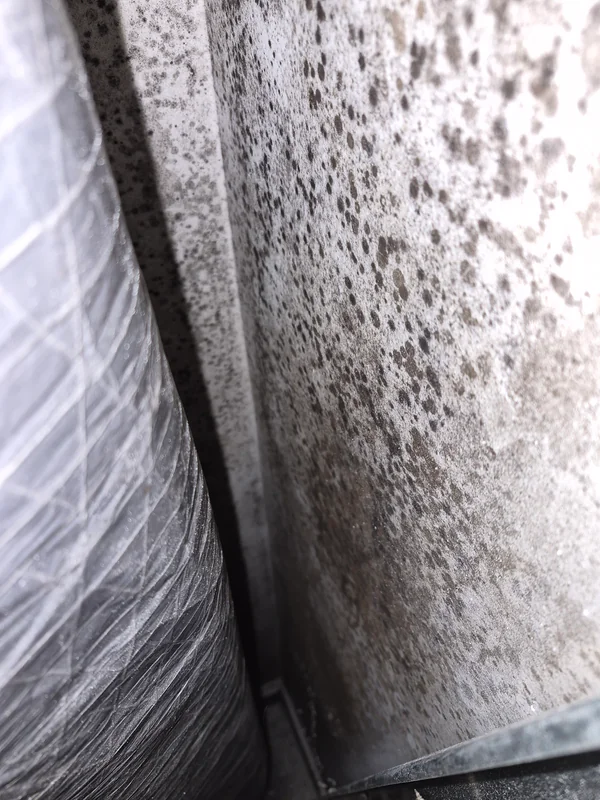
It starts with a free inspection. Before anything gets cleaned, one of our certified specialists looks at your system not just the registers you can see, but the interior ductwork, the areas around your HVAC unit, and anywhere moisture may have created conditions for mold growth. In Warrington homes with basement HVAC systems, that inspection often includes checking for signs of prior flooding or humidity damage that a standard duct cleaner wouldn’t think to look for.
Once the inspection is done, you get a clear picture of what’s actually in your system and what the cleaning will involve. If mold is confirmed, the process includes proper containment so that disturbing the growth doesn’t spread spores through the rest of the house a critical step that separates a mold specialist from a general duct cleaning service. The mechanical cleaning itself uses professional-grade equipment that reaches deep into the duct system, not just the first few feet near the register.
After the cleaning, we don’t just pack up and leave. If mold was present, post-cleaning testing confirms it’s gone actual lab verification, not just a technician’s visual check. That documentation matters, especially if you’re dealing with an insurance claim or planning to sell your Warrington home.
Ready to get started?
Our air duct cleaning covers your full system supply ducts, return ducts, and the areas around your HVAC unit where mold most commonly develops. That includes the evaporator coils and drip pans, which are frequently overlooked by general cleaning services but are exactly where biological growth starts in Warrington’s humid summers.
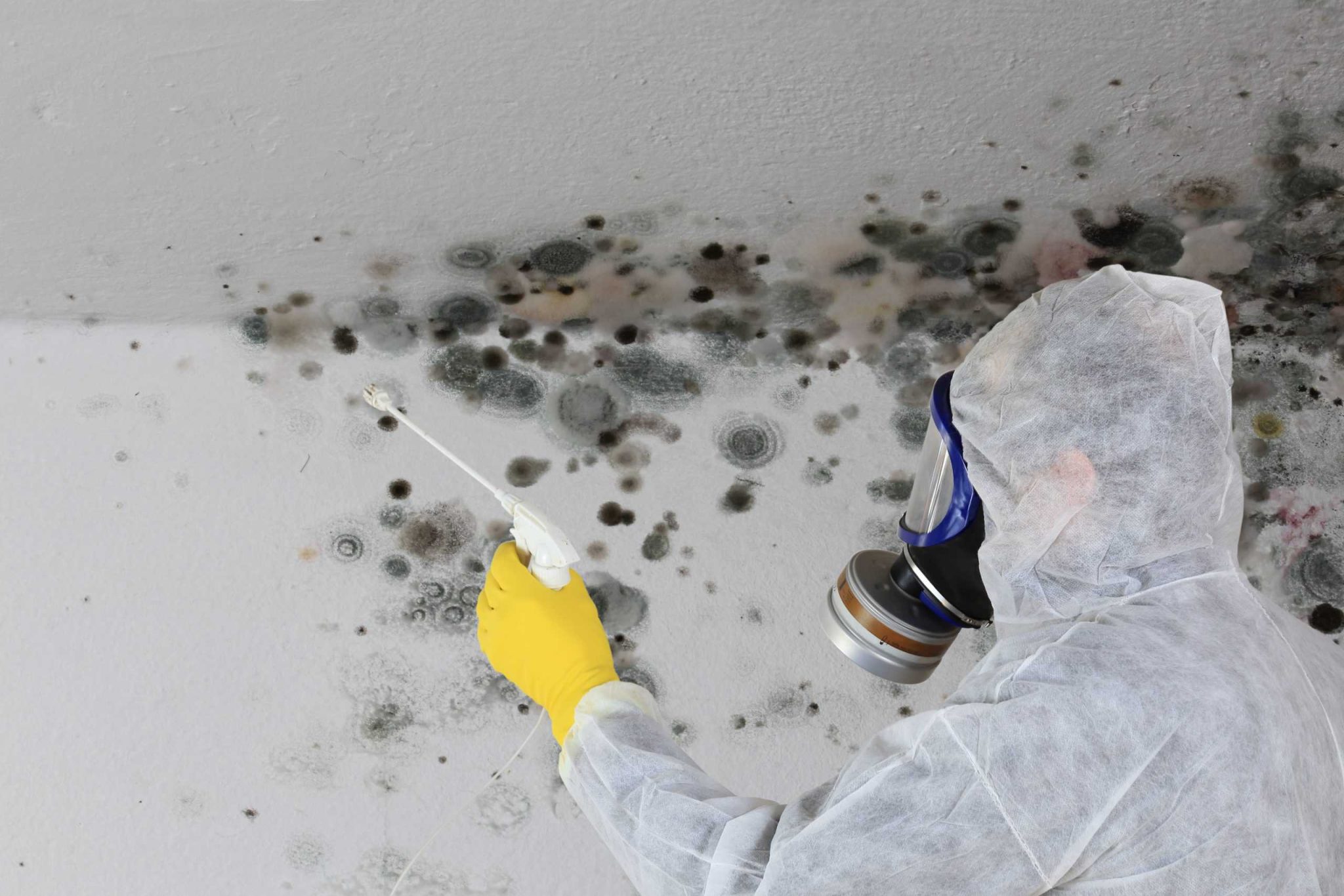
If mold is found during the inspection, air duct sanitizing is part of our solution. Mechanical cleaning removes the physical debris and growth; sanitizing applies an antimicrobial treatment to the interior surfaces to prevent regrowth. For a Warrington homeowner who’s already dealt with a wet basement or a prior mold issue elsewhere in the house, skipping that second step means leaving the door open for the problem to come back.
We also offer dryer vent cleaning not as an upsell, but because the NFPA links roughly 16,000 dryer-related house fires per year to clogged vents, and single-family homes in Warrington with interior laundry rooms often have longer vent runs that accumulate lint faster than homeowners expect. The inspection will flag it if it’s a concern. If your situation involves an insurance claim from storm damage, flooding, or a prior remediation job we work directly with your insurer so you’re not navigating that process alone.
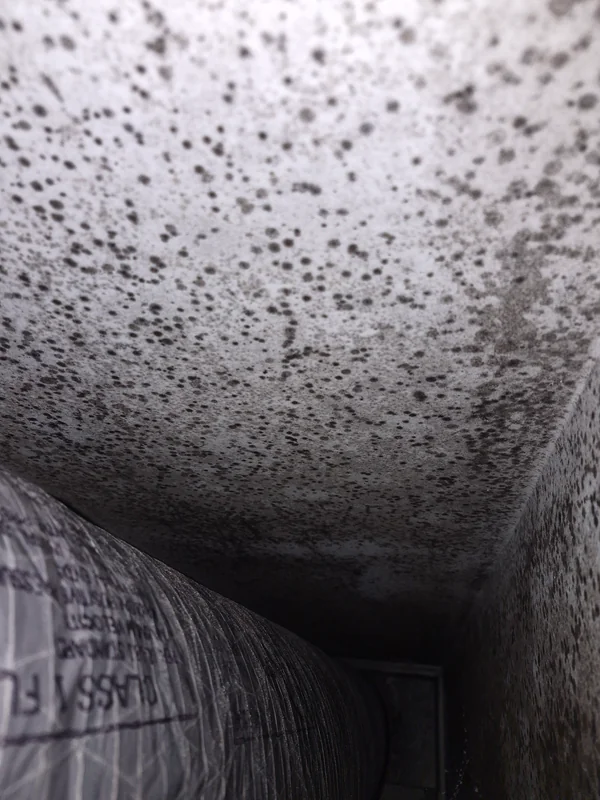
The most common sign is a musty smell that appears specifically when your HVAC system is running not all the time, but right when the air kicks on. That smell is often the ductwork broadcasting that something biological is growing inside it. Other signs include visible discoloration around your vents or registers, worsening allergy or asthma symptoms that seem tied to being indoors, or a history of basement moisture issues in your home.
In Warrington, that last point matters more than most people realize. Homes in the Palomino Farms area and neighborhoods near Central Park frequently deal with basement humidity, sump pump failures, and foundation moisture all of which can introduce mold to an HVAC system within 24 to 48 hours of a flooding event. If your basement has ever taken on water and your ductwork runs through or near that space, an inspection is the only way to know for certain what’s inside the system. We offer free inspections, so there’s no financial risk in getting an answer.
It depends on what’s driving the question. The EPA’s position on routine duct cleaning absent any specific problem is genuinely nuanced. They don’t make a blanket recommendation for cleaning every few years just for maintenance purposes. But their guidance changes completely when mold is confirmed in the system, when there’s been a pest or rodent issue, or when significant debris is obstructing airflow. In those situations, cleaning isn’t optional it’s the appropriate response to a documented problem.
For a lot of Warrington homeowners, the question isn’t whether to clean in the abstract it’s whether the specific conditions in their home justify it. If you’ve had basement flooding, if you’re noticing a musty smell from your vents, or if a prior mold remediation job elsewhere in the house didn’t include the ductwork, those are exactly the scenarios where cleaning delivers real, measurable value. A free inspection gives you the information to make that call without guessing.
This is one of the more important distinctions to understand before you hire anyone. A general duct cleaning service is set up to remove dust, debris, and accumulated buildup and for a straightforward cleaning job, that’s often sufficient. But when mold is involved, the process requires containment protocols that prevent disturbing the growth from spreading spores through the rest of the house. A technician who vacuums out a mold-contaminated duct without proper containment can make the problem significantly worse.
We approach air duct cleaning from a certified mold remediation background. That means the inspection identifies what’s actually in the system before anything is disturbed, the cleaning is done with containment in place, and post-cleaning testing confirms the mold is gone not just visually reduced. For Warrington homeowners who’ve had prior water damage or mold issues elsewhere in their home, that distinction between a general cleaner and a mold specialist is the difference between solving the problem and spreading it.
A thorough air duct cleaning for a typical single-family home takes somewhere between four and six hours. That’s the industry standard for a job done correctly covering both supply and return ducts, not just a quick pass at the registers. If mold is confirmed and the process includes containment setup, post-cleaning sanitizing, and sample collection for lab testing, the timeline may extend slightly depending on the size of your system and the extent of the contamination.
You don’t necessarily need to be present for the entire job, but being available at the start when the inspection findings are reviewed and the scope of work is confirmed is helpful. We’re available 24 hours a day, seven days a week, which matters for Warrington families managing two careers and a school-year schedule. If something comes up on a Friday evening and you need someone there Saturday morning, that’s a realistic option not a hypothetical one.
They address different parts of the same problem. Cleaning is the mechanical process using professional equipment to physically remove debris, dust, biological growth, and accumulated buildup from inside the duct system. Sanitizing is what comes after: applying an antimicrobial treatment to the interior surfaces to kill any remaining biological material and create an environment that’s less hospitable to future mold growth.
If your ducts are being cleaned because of mold contamination, doing the cleaning without the sanitizing step leaves the job half-finished. The surfaces that supported mold growth once will support it again if the underlying conditions humidity, moisture, warmth are still present. In Warrington, where summer humidity regularly pushes indoor moisture levels above the threshold where mold thrives, sanitizing after a mold-related cleaning is a practical step, not an unnecessary add-on. We’ll tell you clearly during the inspection whether sanitizing is warranted for your specific situation.
Yes and the timing matters more than most people expect. Mold can begin growing within 24 to 48 hours of a moisture event, and it doesn’t wait for you to notice it visually. By the time discoloration appears near a vent or you start smelling something musty when the HVAC runs, the growth is often already established in the interior sections of the ductwork that you can’t see from the register.
Warrington’s recurring basement moisture issues sump pump failures, foundation seepage, and the drainage demands that come with nearly 49 inches of annual rainfall in Bucks County make post-flooding duct inspection a genuinely practical precaution, not an overcautious one. If your HVAC system runs through or near the basement, and that basement took on water, the system is a realistic pathway for mold to reach the rest of your home. An inspection after a flooding event gives you a clear answer while there’s still time to address it before it becomes a larger remediation job. We offer free inspections, so getting that answer costs you nothing upfront.
Other Services we provide in Warrington