
Hear from Our Customers
You stop wondering if that musty smell is making your family sick. The air in your basement doesn’t feel heavy anymore. Your kids’ allergies calm down, and you’re not constantly dealing with stuffy noses or that scratchy throat that won’t go away.
When mold gets removed the right way, it stays gone. That means no more worrying about what’s growing behind your walls or whether you’re breathing in something dangerous every time you walk downstairs.
You also stop losing sleep over your property value. Buyers walk away from mold problems, and insurance companies start asking questions when things aren’t handled correctly. Professional mold cleaning services give you documentation, peace of mind, and a home that’s actually safe to live in—not just one that looks clean on the surface.
We’ve worked in Lower Merion Township since before most mold removal companies even existed. That matters because the homes here aren’t like newer construction—62% of residential properties in Merion Station were built before 1939, and older homes have their own set of problems.
Your crawl space wasn’t designed with modern moisture barriers. Your foundation might have cracks that let groundwater seep in after every heavy rain. Pennsylvania’s humid summers don’t help, and when you combine that with poor ventilation in an 80-year-old attic, mold doesn’t just grow—it thrives.
We’re IICRC certified, use EPA-approved methods, and we’ve seen every version of mold damage that happens in historic Main Line homes. You’re not getting someone who learned this trade last year. You’re getting a team that knows exactly how these houses behave when humidity spikes and where mold hides when homeowners think they’ve handled it themselves.
First, we inspect the property. Not just the obvious spots—we’re looking for hidden moisture sources, checking airflow patterns, and identifying where spores are likely spreading through your HVAC system. In older homes, that often means crawl spaces, attics, and areas around old plumbing that’s been patched over the years.
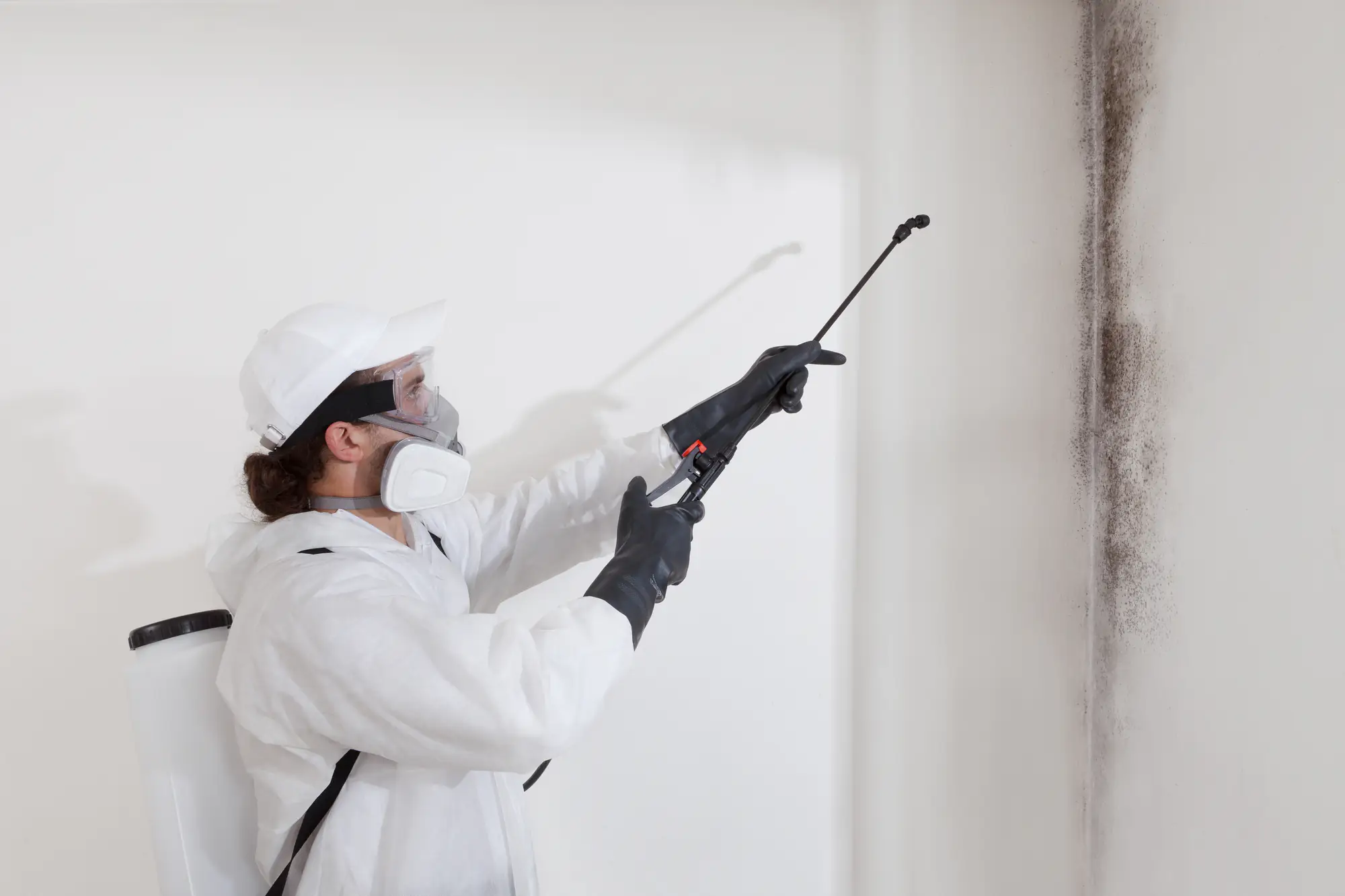
Next, we contain the affected area. Mold spreads through the air, so if we don’t isolate it properly, you’ll have the same problem in a different room within days. We use physical barriers and negative air pressure to keep spores from traveling while we work.
Then we remove it. This isn’t about spraying bleach and calling it done—we’re pulling out contaminated materials, treating surfaces with antimicrobial solutions, and making sure the root cause (usually a moisture issue) gets addressed. If your basement stays damp, the mold will come back no matter how thoroughly we clean.
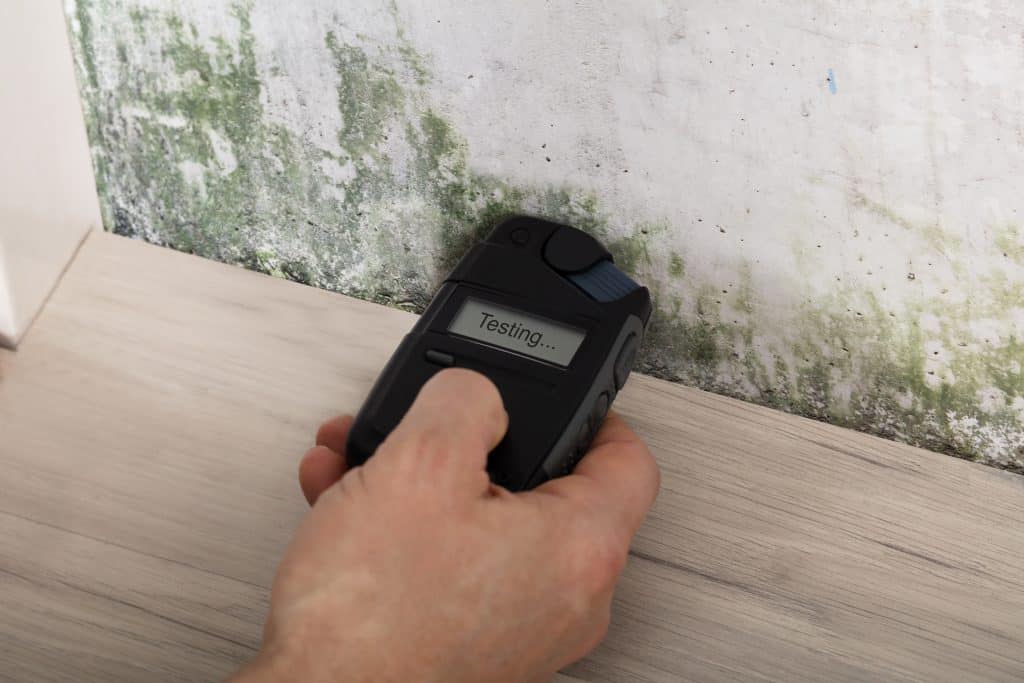
Finally, we test the air. Lab results confirm that spore counts are back to safe levels, and you get documentation that proves the job was done right. That matters if you ever need to file an insurance claim or sell your home down the line.
Ready to get started?
You get a full property inspection that identifies not just where mold is growing, but why. In Merion Station, that usually ties back to Pennsylvania’s humid climate, poor grading that directs water toward your foundation, or HVAC systems that can’t keep up during summer months when humidity sits in the danger zone for days at a time.
You also get proper containment during removal. Mold spores become airborne the second you disturb them, and if they travel through your ductwork, you’ve just spread the problem to every room in your house. Professional mold removal means setting up barriers, using HEPA filtration, and treating the air while we work.
We handle the documentation too. Insurance companies want photos, lab results, and proof that the underlying cause was a covered event—not just deferred maintenance. Most residential mold remediation costs between $1,100 and $3,300, and if your policy covers it, you’ll need everything properly documented to get reimbursed. We work directly with your insurance company so you’re not stuck playing middleman while trying to figure out what paperwork they actually need.
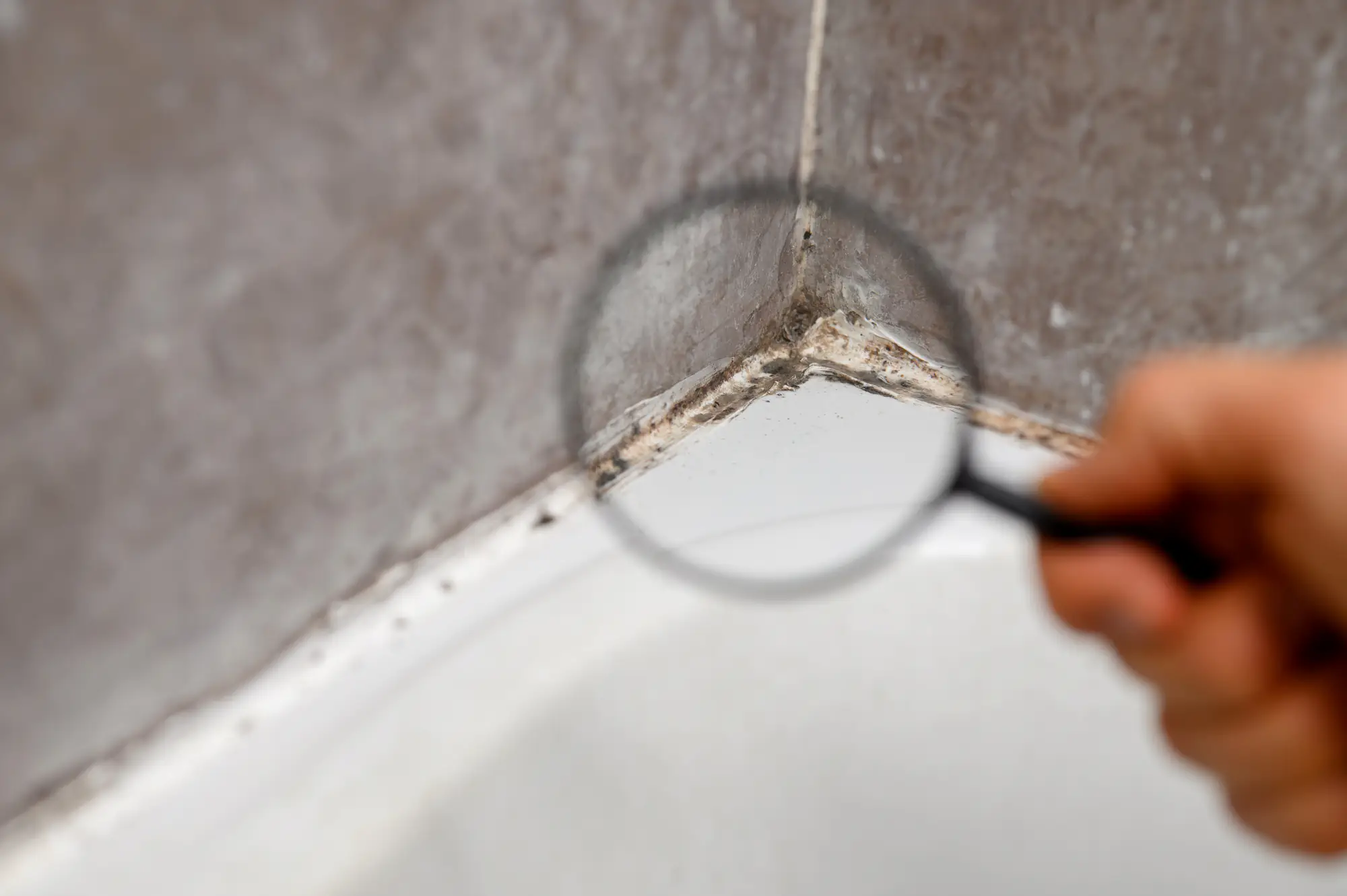
Mold can start growing within 24 to 48 hours after water exposure, and that timeline gets even faster in older homes with limited ventilation. Pennsylvania’s humidity makes this worse—when outdoor moisture levels stay high for days, the air inside your home doesn’t dry out the way it would in drier climates.
In Merion Station’s historic homes, basements and crawl spaces are especially vulnerable because they weren’t built with modern moisture barriers. A small leak from a pipe or a crack in your foundation can create the perfect environment for mold before you even realize there’s a problem.
The longer you wait, the more expensive it gets. What starts as a contained issue in one corner of your basement can spread through your HVAC system and show up in upstairs bedrooms within a week. If you’re seeing water damage or smelling something musty, don’t wait to see if it gets worse—it will.
Cleaning visible mold with bleach might make it look better temporarily, but it doesn’t solve the problem. Mold grows because there’s a moisture source, and if you don’t address that, it comes back. Bleach also doesn’t penetrate porous materials like drywall or insulation, so you’re only treating the surface while spores continue growing underneath.
Professional mold removal involves containment, which prevents spores from spreading to other areas while we work. It also includes identifying and fixing the root cause—whether that’s a hidden leak, poor ventilation, or groundwater seeping through foundation cracks. We remove contaminated materials that can’t be salvaged, treat affected areas with antimicrobial solutions, and verify through lab testing that spore counts are back to safe levels.
You also get documentation that proves the job was done correctly. That matters for insurance claims, future home sales, and your family’s health. DIY mold removal might save money upfront, but it usually costs more in the long run when the problem comes back worse than before.
It depends on what caused the mold. Most homeowners insurance policies cover mold removal if it resulted from a covered event—like a burst pipe, storm damage, or a sudden leak that you couldn’t have prevented. What they don’t cover is mold that developed because of deferred maintenance, like a slow leak you ignored for months or poor ventilation that’s been an issue for years.
The key is documentation. Insurance companies want proof that the mold resulted from a specific, sudden event, and they need photos, lab results, and a clear timeline showing when the damage occurred. If you wait too long to file a claim or can’t prove the cause, they’ll deny it.
We work directly with insurance companies and provide all the paperwork they need to process your claim. Most residential mold remediation in this area costs between $1,100 and $3,300, and if your policy covers it, proper documentation makes the difference between getting reimbursed and paying out of pocket. Don’t assume your claim will get denied—call us first and we’ll help you figure out what’s covered.
Common symptoms include stuffy nose, sore throat, coughing, wheezing, burning eyes, and skin rashes that don’t go away. If your kids’ allergies seem worse at home than anywhere else, or if you notice respiratory issues that improve when you leave the house for a few days, mold exposure is a likely cause.
People with asthma or weakened immune systems react more severely. For them, mold exposure can trigger serious lung infections or asthma attacks that require medical attention. Even if you don’t have a pre-existing condition, long-term exposure to high spore counts can cause chronic respiratory problems that don’t resolve until the mold is removed.
The tricky part is that mold symptoms look like a lot of other things—seasonal allergies, a cold that won’t quit, or just living in an old house with poor air quality. If you’re dealing with mysterious health issues and you’ve noticed musty odors or visible mold anywhere in your home, get it tested. Lab results will tell you exactly what species you’re dealing with and whether spore counts are high enough to cause the symptoms you’re experiencing.
Older homes weren’t built with modern moisture control in mind. Most properties in Merion Station were constructed before 1939, which means no vapor barriers in crawl spaces, minimal insulation, and foundation designs that don’t handle groundwater the way newer construction does. When it rains, water finds its way into basements and crawl spaces more easily, and once it’s there, it doesn’t dry out quickly.
Poor ventilation makes it worse. Attics in historic homes often lack proper airflow, so when Pennsylvania’s summer humidity spikes, moisture gets trapped and creates perfect conditions for mold growth—even without a roof leak. Basements are the same way. If your HVAC system is outdated or your home doesn’t have adequate ventilation, humid air just sits there, and mold starts growing on anything organic it can find.
Foundation cracks and old plumbing also play a role. Small cracks that developed over decades allow groundwater to seep in after heavy rain, and outdated plumbing is more prone to slow leaks that go unnoticed until mold becomes visible. These aren’t problems you can fix with a dehumidifier—they require professional assessment and proper remediation to address the underlying issues.
Most residential mold removal projects take between two and five days, depending on the size of the affected area and how far the mold has spread. If it’s contained to one room or a small section of your basement, we can usually finish in two to three days. Larger jobs—especially ones where mold has spread through HVAC systems or into multiple rooms—take longer because we need to contain each area, remove contaminated materials, and treat surfaces properly.
The timeline also depends on how quickly we can address the moisture source. If you’ve got an active leak or ongoing humidity problem, we need to fix that before we can finish remediation. Otherwise, the mold will just come back, and you’ll be paying for the same job twice.
After the physical removal is done, we run air quality tests to confirm that spore counts are back to safe levels. Lab results usually take 24 to 48 hours, and once those come back clean, the job is complete. You’ll get documentation showing exactly what was done, what we found, and verification that your home is safe again. That’s important for your family’s health and for any future insurance or real estate situations where you need proof the problem was handled correctly.
Other Services we provide in Merion Station