
Hear from Our Customers
You’re not looking for someone to spray bleach and call it done. You need black mold removal that addresses what’s behind your walls, under your floors, and inside your HVAC system.
Professional mold remediation means your property value stays intact. Untreated mold drops home values by 20-37%. In Gladwyne, where median home prices reflect decades of careful investment, that’s not a risk worth taking.
Your family breathes cleaner air. Mold exposure increases childhood asthma risk by nearly 60%. Professional mold cleaning services eliminate spores at the source, not just what’s visible on the surface.
You get documentation that matters. When it’s time to sell or file an insurance claim, you’ll have IICRC-certified reports that prove the work was done right. Pennsylvania law requires disclosure of known mold issues, and buyers expect proof of professional remediation.
We work exclusively with Main Line properties where the standard is higher and the margin for error is zero. We’re IICRC-certified because that certification means following protocols most mold removal companies skip.
Gladwyne homes—whether you’re in a colonial estate or newer construction—face specific challenges. Pennsylvania’s humid climate and the prevalence of basements create perfect conditions for mold growth. We’ve seen what happens when water intrusion goes unaddressed for even 48 hours.
You’re not getting a franchise operation or a crew that treats your home like every other job. You’re getting mold specialists who understand that your property represents significant financial and emotional investment, and who treat it accordingly.
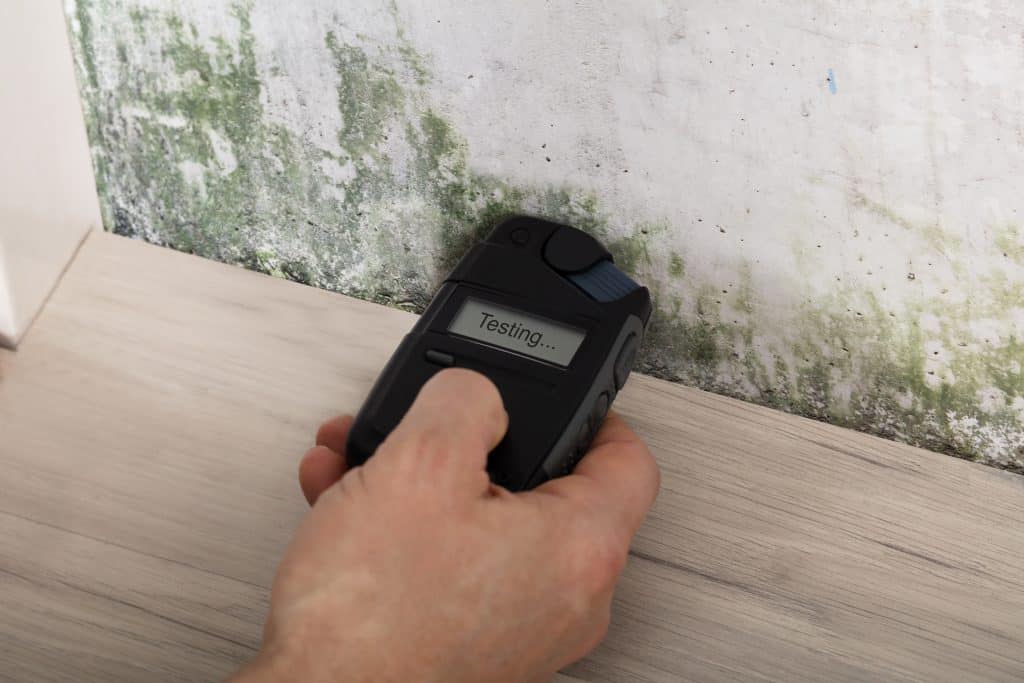
First, we assess the full scope. That means identifying visible mold, testing air quality, checking moisture levels, and inspecting areas you can’t see—crawl spaces, attics, HVAC systems. You get a detailed report of what’s actually happening in your property.
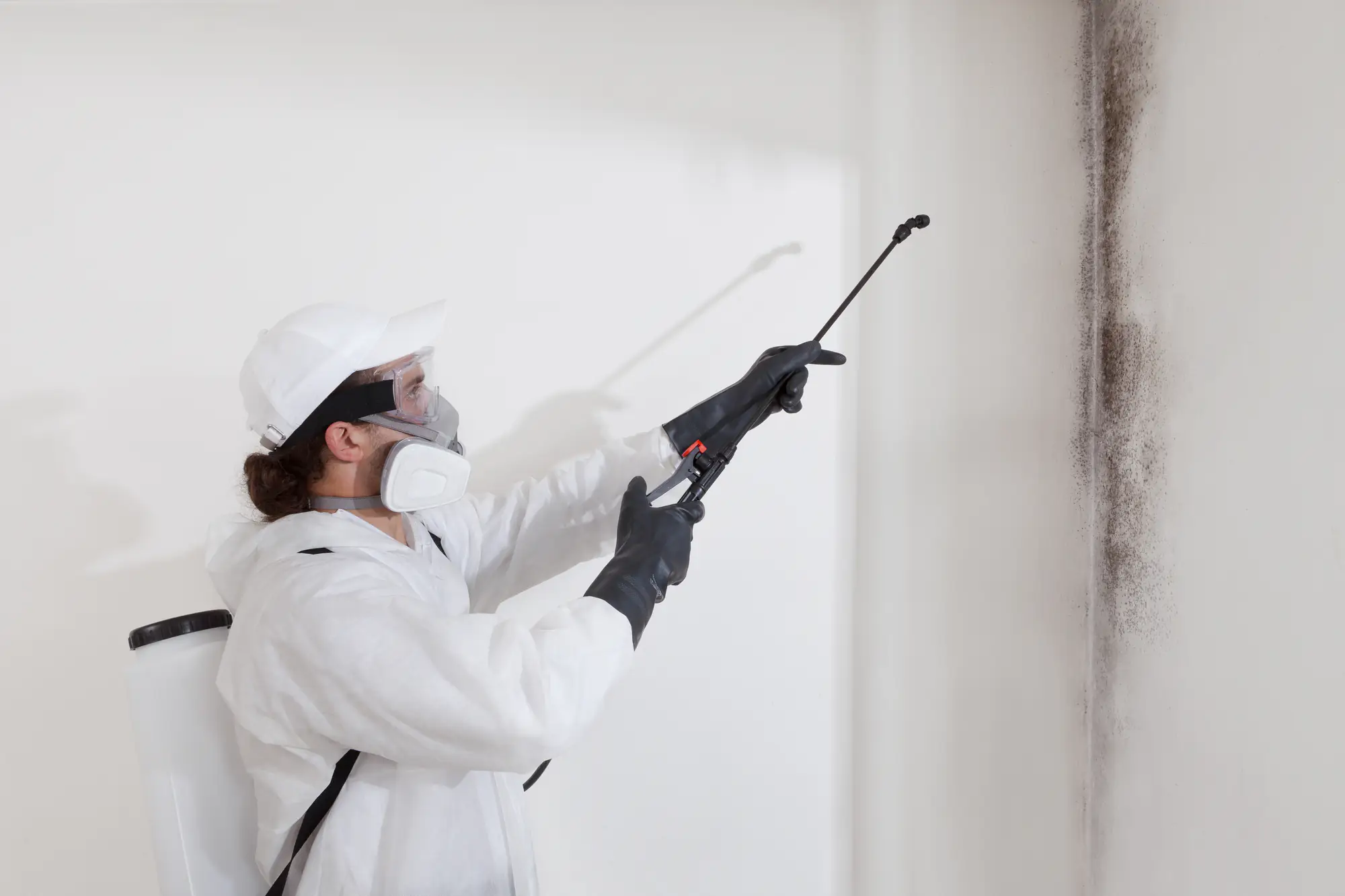
Next, we contain the affected areas to prevent spores from spreading during removal. HEPA filtration and negative air pressure keep contamination isolated. Then we remove all compromised materials—drywall, insulation, flooring—whatever can’t be fully cleaned gets replaced.
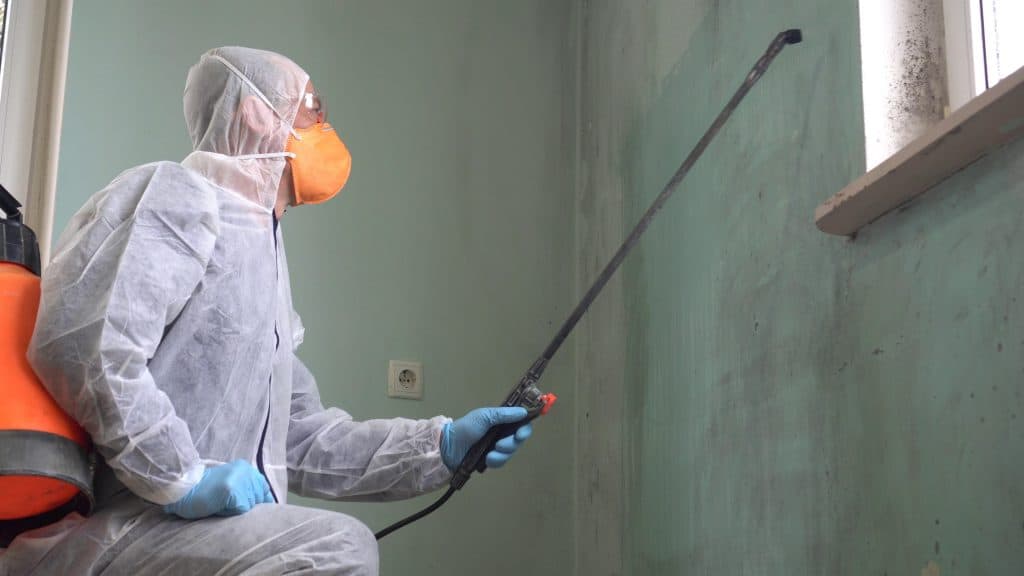
We treat all surfaces with EPA-approved antimicrobial solutions. This isn’t surface cleaning. We’re eliminating mold at the root level in porous materials where spores embed themselves.
Finally, we address the moisture source. Whether it’s a foundation issue, poor ventilation, or HVAC condensation, fixing mold without fixing the cause means you’ll be dealing with this again in six months. We identify why moisture accumulated and what needs to change.
You receive complete documentation—photos, air quality results, scope of work, and certification that the remediation meets IICRC standards.
Ready to get started?
You get a full moisture assessment using thermal imaging and hygrometers to find hidden water sources. Most mold problems start where you can’t see them—behind walls, under flooring, in ceiling cavities.
HVAC inspection and cleaning are standard. Your ventilation system can spread mold spores throughout your entire property in hours. We inspect ductwork, clean contaminated sections, and verify your system isn’t contributing to the problem.
All affected materials get proper removal and disposal. We don’t leave contaminated materials on your property or take shortcuts with containment. Everything follows Pennsylvania environmental regulations.
Air scrubbing with HEPA filtration runs continuously during remediation. This captures airborne spores before they settle in clean areas of your home.
You receive post-remediation verification. We test air quality after completion to confirm spore counts are back to normal levels. This documentation protects you during future property transactions and gives you actual proof the problem is resolved.
In Gladwyne’s housing market, where properties routinely sell for seven figures, professional mold removal isn’t optional. It’s protecting an asset that likely represents your largest financial holding.
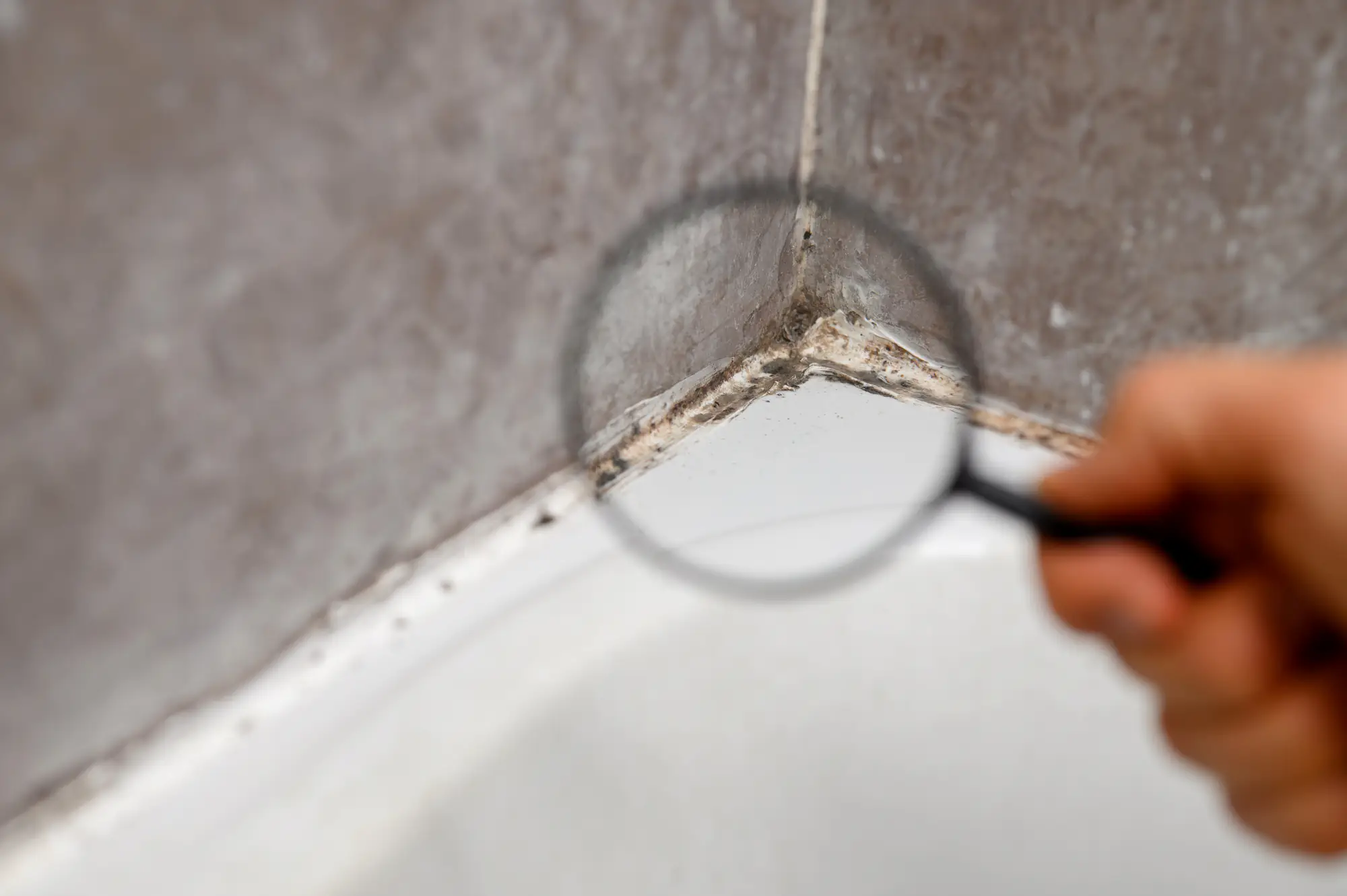
Most residential mold remediation projects take three to five days, but the timeline depends entirely on the extent of contamination and the size of affected areas. A bathroom with surface mold might take two days. A basement with significant water damage and mold growth throughout multiple rooms could take a week or longer.
The process can’t be rushed without compromising results. Containment setup, material removal, antimicrobial treatment, and drying all require specific timeframes to be effective. We’re not trying to get in and out quickly—we’re making sure the problem doesn’t come back.
You’ll have a clear timeline before work starts. We map out each phase, explain what’s happening when, and keep you updated if anything changes. Most homeowners can remain in their property during remediation, depending on which areas are affected and how extensive the containment needs to be.
Coverage depends on what caused the mold. If mold resulted from a sudden, accidental event—like a burst pipe or storm damage—most policies cover remediation. If mold developed from long-term neglect or maintenance issues, coverage typically doesn’t apply.
Pennsylvania insurers usually require professional documentation. That means IICRC-certified remediation with detailed reports, photos, and proof that work met industry standards. DIY cleanup rarely qualifies for reimbursement, and it won’t give you the documentation needed for claims.
Read your policy carefully. Some carriers exclude mold coverage entirely or cap it at low limits like $10,000. Others offer mold endorsements you can add for additional premium. If you’re filing a claim, document everything before remediation starts—photos, videos, written descriptions of what you’re seeing and smelling.
We provide the detailed reporting insurance companies require. You’ll have scope of work documents, before and after photos, air quality test results, and certification that remediation followed proper protocols. This documentation also protects your property value if you sell in the future.
Mold removal sounds like you’re eliminating every single spore, which isn’t realistic or necessary. Mold spores exist everywhere—in outdoor air, in every building, on every surface. Complete removal is impossible.
Mold remediation means bringing spore levels back to normal, safe concentrations and eliminating active growth. We remove contaminated materials, treat affected surfaces, fix moisture problems, and verify through air testing that your indoor environment is back to healthy levels.
The distinction matters because companies promising complete mold removal are either misrepresenting what’s achievable or don’t understand the science. Professional remediation focuses on what actually matters—stopping active growth, removing contaminated materials, and preventing recurrence by addressing moisture sources.
You’ll see this reflected in how we talk about the work. We’re not promising a mold-free home. We’re promising remediation that meets IICRC standards, brings your property back to normal spore levels, and includes the fixes needed to prevent regrowth.
Small surface areas—less than ten square feet—can sometimes be cleaned by homeowners if the mold is on non-porous surfaces and you’re confident about the moisture source. Anything larger, anything on porous materials like drywall or wood, or any situation where you’re not certain what caused it requires professional remediation.
Here’s what typically goes wrong with DIY mold cleaning. You treat visible growth but miss hidden contamination behind walls or under flooring. You disturb mold without proper containment, spreading spores throughout your home. You don’t address the moisture source, so growth returns within weeks. You don’t have documentation proving the work was done correctly, which creates problems during property sales.
Black mold removal specifically shouldn’t be DIY. Stachybotrys chartarum produces mycotoxins that create serious health risks when disturbed. Professional remediation includes containment, respiratory protection, and disposal protocols that protect both occupants and workers.
In Gladwyne’s real estate market, DIY mold cleanup can cost you significantly more than professional remediation. Buyers expect documentation. Home inspectors look for signs of amateur mold treatment. If your DIY work didn’t solve the underlying problem, you’re facing the same remediation costs later—plus potential property value loss and disclosure requirements.
Visible mold growth is always a problem. It means moisture levels are high enough to support active growth, and what you’re seeing on surfaces is a fraction of what’s present. Any visible mold—whether it’s black, green, white, or any other color—indicates conditions that need correction.
Musty odors without visible growth often mean hidden mold. That smell is microbial volatile organic compounds released during mold growth. If you smell it, there’s active growth somewhere—behind walls, under flooring, in ductwork, or in crawl spaces.
Health symptoms that improve when you leave your property suggest mold exposure. Persistent headaches, respiratory issues, fatigue, or allergy-like symptoms that diminish when you’re away from home warrant professional inspection.
Water damage history means you should verify remediation was complete. If your property experienced flooding, plumbing leaks, or roof damage, and you’re not certain professional remediation was performed, testing makes sense. Mold can grow in wall cavities and other hidden areas for years before becoming visible.
Pennsylvania’s climate creates higher mold risk than drier regions. Our humid summers and the prevalence of basements in Main Line homes mean moisture control requires attention. Professional inspection identifies problem areas before they become major remediation projects.
Basement moisture is the primary culprit. Most Gladwyne properties have basements, and Pennsylvania’s water table combined with our rainfall creates constant moisture pressure against foundations. Even minor foundation cracks or poor exterior drainage can introduce enough moisture to support mold growth.
HVAC condensation causes problems in both older and newer homes. Air conditioning systems generate significant condensation during humid summer months. If drain lines clog or drip pans overflow, water accumulates in areas with poor ventilation—perfect conditions for mold.
Older properties face unique challenges. Many Gladwyne homes were built before modern moisture barriers and ventilation standards. Original construction methods that worked fine in 1920 don’t account for how we heat, cool, and seal homes today. Adding central air to a house built for natural ventilation often creates condensation issues the original design never anticipated.
Bathroom and kitchen ventilation matters more than most homeowners realize. Shower steam and cooking moisture need to exhaust outside, not into attics or wall cavities. Inadequate ventilation in these high-moisture areas leads to mold growth in hidden spaces.
Roof leaks often go undetected until damage is extensive. Small leaks in valleys, around chimneys, or at flashing points can introduce water into attic spaces for months before you notice interior signs. By then, mold growth in attic sheathing and insulation is usually significant.
Other Services we provide in Gladwyne