

Hear from Our Customers
You’re coughing more at home. Your kids’ asthma is worse indoors than out. There’s a smell in the basement you can’t place, and you’ve spotted dark patches near the bathroom sink.
DIY kits from the hardware store won’t tell you if it’s Aspergillus, Penicillium, or just surface dirt. They can’t measure airborne spore counts or identify mycotoxin-producing species. And they definitely won’t hold up if you need documentation for an insurance claim or a real estate transaction.
Professional mold testing gives you lab-certified answers. We collect air samples, take surface swabs, and use moisture meters to find hidden problems behind walls and inside HVAC systems. Then an independent lab analyzes everything and tells you exactly what’s growing, how much, and whether it’s a health risk. You get a full report within 3-5 days—clear enough to make decisions, detailed enough to satisfy insurers or buyers.
We’ve spent more than 15 years working in North Philadelphia’s rowhomes, and we’ve seen what happens when shared walls trap moisture, when old plumbing leaks into brick foundations, and when summer humidity never lets up. We’re not a franchise. We’re certified through InterNACHI, and we’ve completed over 2,000 mold inspections across the area.
We know Strawberry Mansion’s housing stock—the two-story rowhouses with basements near the Delaware, the renovated properties with new HVAC but old ductwork, the homes where every shower raises the humidity because there’s no exhaust fan. That local knowledge matters when you’re trying to figure out if the problem is surface-level or structural.
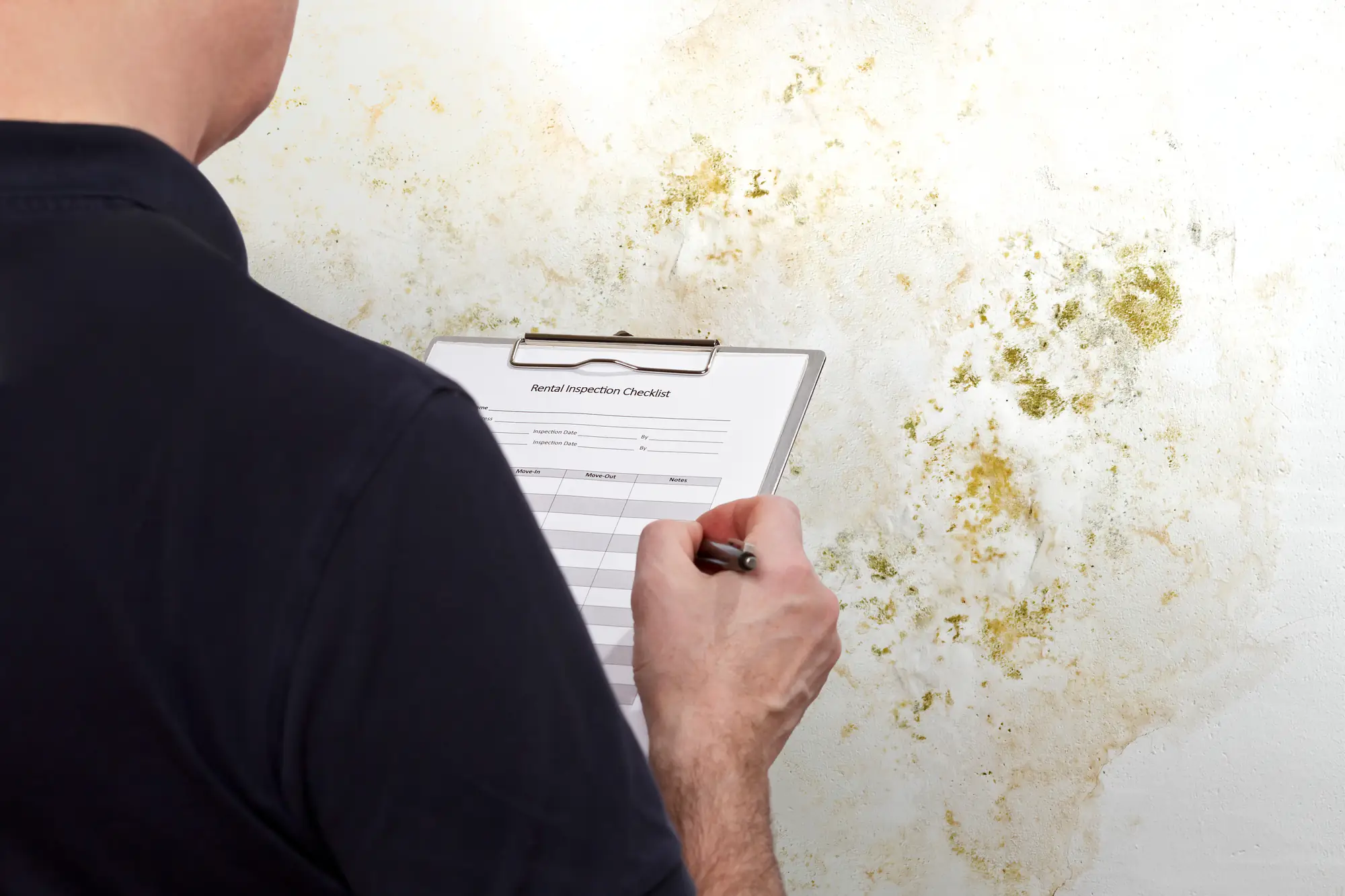
We start with a full visual assessment of your home—checking basements, bathrooms, kitchens, attics, and any areas where you’ve noticed discoloration, odors, or past water damage. We’re looking for active growth, but also for conditions that let mold thrive: high humidity, poor ventilation, hidden leaks.
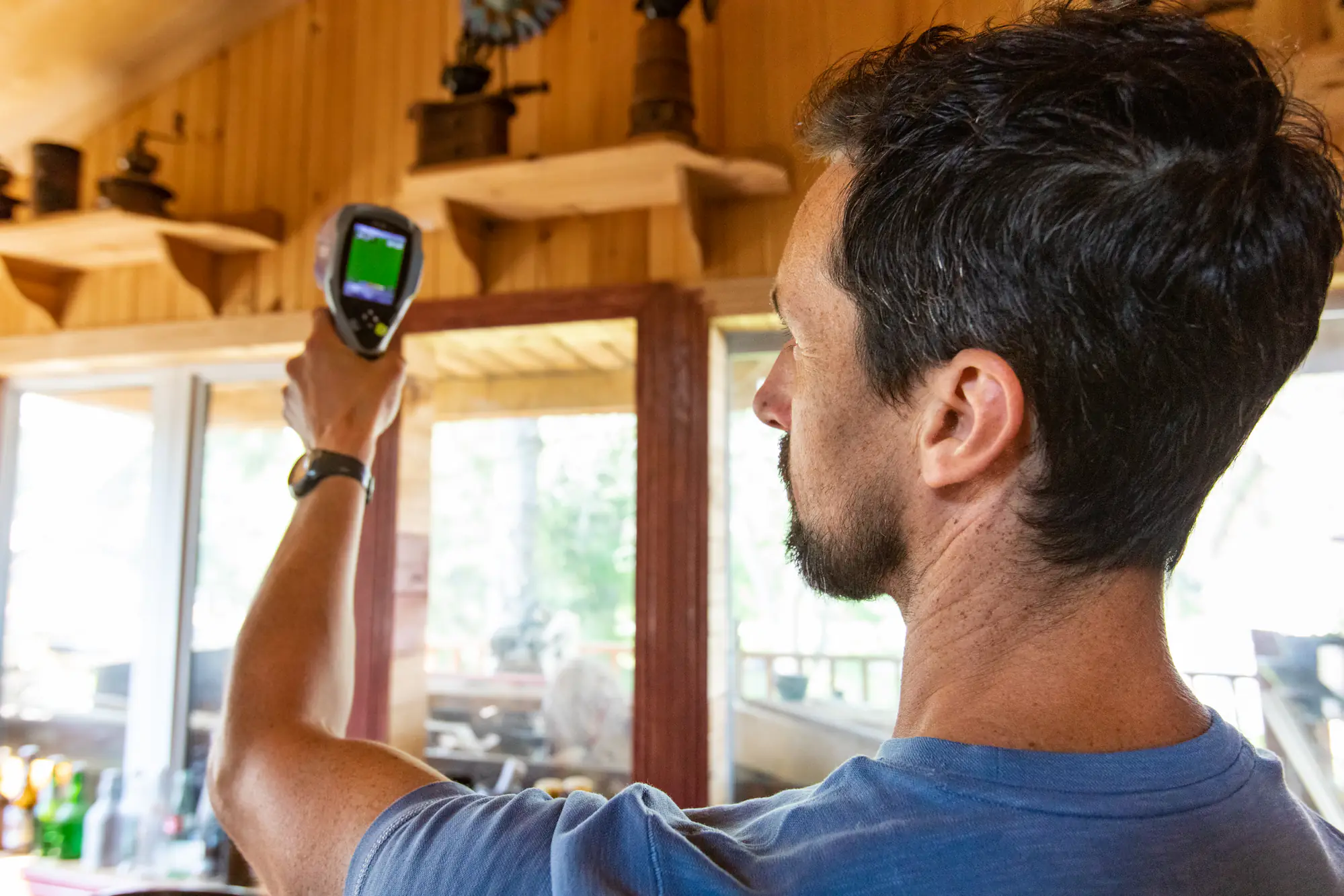
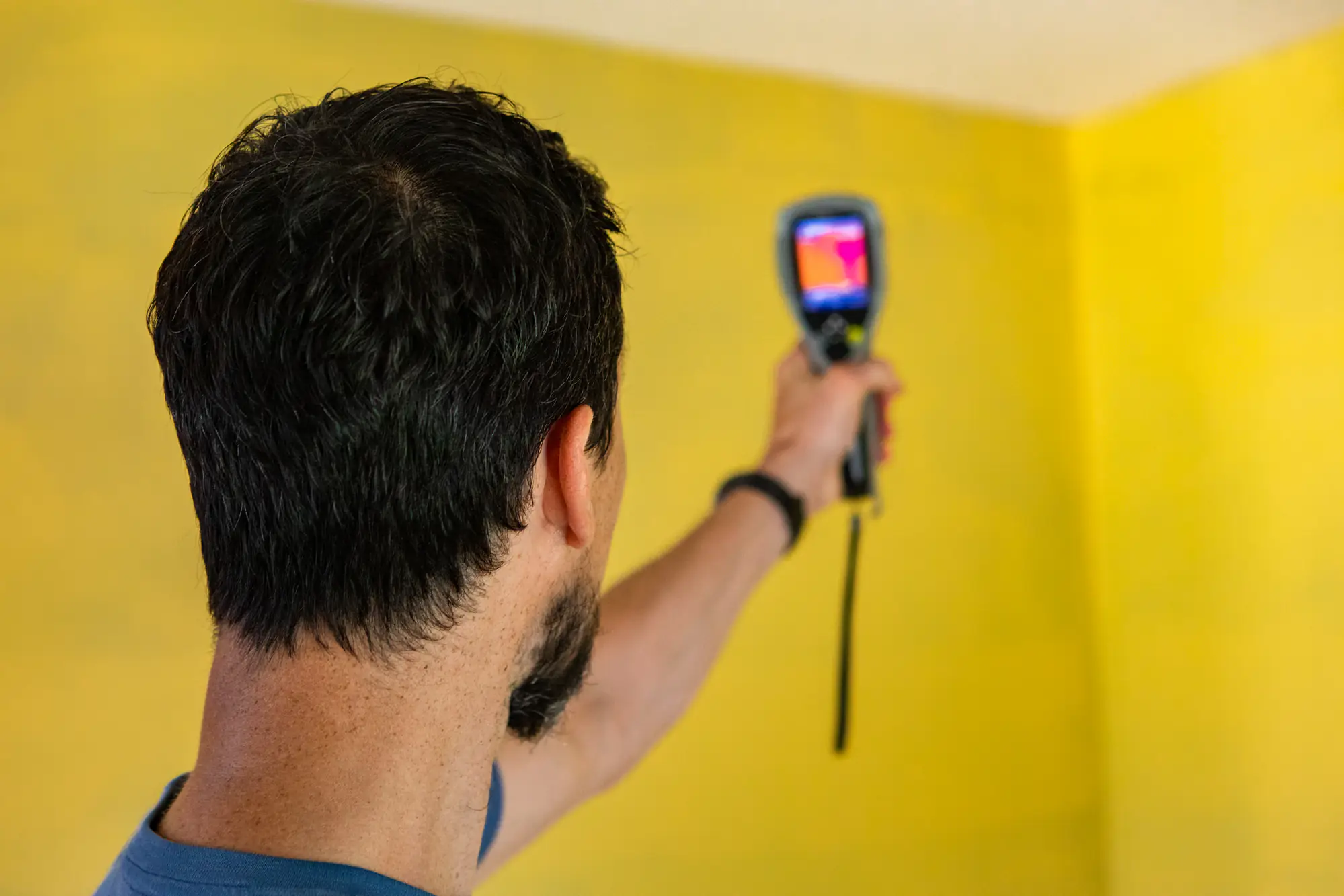
Next, we take moisture readings throughout the property using thermal imaging and moisture meters. This helps us find problems you can’t see—water intrusion behind drywall, condensation inside wall cavities, damp insulation in crawl spaces. Then we collect air samples from multiple rooms and send them to an independent certified lab for analysis. If there’s visible growth, we’ll take surface samples too.
The lab identifies the species, measures spore concentration, and flags anything that produces mycotoxins or poses respiratory risks. You get a detailed report within 3-5 days that breaks down what’s growing, where it’s concentrated, and what it means for your health and property. If you need faster results for a real estate closing, we can request expedited processing.
Ready to get started?
Every residential mold testing appointment includes a complete visual inspection, moisture mapping with thermal imaging, professional air sampling from multiple zones, and lab analysis with species identification. Most inspections in Strawberry Mansion run between $300 and $600 depending on home size and the number of samples needed.
Philadelphia’s older rowhomes create specific challenges. Shared walls mean moisture from a neighbor’s leak can migrate into your space. Basements near the Delaware deal with groundwater pressure and seasonal flooding. Summer humidity hits hard and lingers, especially in homes without central air or proper ventilation. We account for all of that during testing—checking HVAC systems for mold growth in ductwork, inspecting crawl spaces for standing water, and measuring humidity levels in problem areas.
If you’re buying a home, testing gives you leverage to negotiate repairs or walk away. If you’re dealing with health symptoms, it confirms whether mold is the cause. If you’ve already had remediation done, post-testing verifies the cleanup actually worked. And if you’re filing an insurance claim, you’ll have the documentation adjusters require.
If you’re dealing with unexplained respiratory symptoms that improve when you leave the house, that’s a strong indicator. Persistent coughing, sneezing, headaches, nosebleeds, or worsening asthma—especially in kids—can all be linked to mold exposure. Up to 21% of asthma cases are connected to mold, and damp indoor environments significantly increase respiratory risks.
You should also test if there’s a musty smell with no visible source, if you’ve had past water damage or flooding, or if you’re buying a home and want to know what you’re getting into. Some insurance companies won’t cover properties with known mold problems, so catching issues early matters. Testing before you close gives you documentation and negotiating power.
Post-remediation testing is just as important. It’s the only way to verify that cleanup actually eliminated the problem and brought spore counts back to normal levels.
DIY kits can tell you if mold spores are present, but they can’t tell you what species, how much, or whether it’s dangerous. They also can’t measure airborne concentration levels or identify mycotoxin-producing molds like certain strains of Aspergillus or Stachybotrys.
Professional testing uses calibrated air sampling equipment to measure spore counts in multiple rooms, compares indoor levels to outdoor baselines, and sends samples to independent certified labs for analysis. The lab identifies the exact species, measures concentration, and flags health risks. You get a full report that’s detailed enough for insurance claims, real estate transactions, or medical consultations.
We also use moisture meters and thermal imaging to find hidden problems—water intrusion behind walls, condensation in HVAC systems, damp insulation in crawl spaces. DIY kits can’t do any of that. They’re cheap, but they don’t give you the information you actually need to make decisions.
Most lab reports come back within 3-5 business days after we collect samples. The timeline depends on the lab’s workload and the complexity of the analysis, but that’s the standard turnaround for residential mold testing in the Philadelphia area.
If you’re working against a real estate closing deadline or need results faster for another reason, we can request expedited processing. That usually cuts the timeline down to 24-48 hours, though it comes with an additional lab fee.
Once results are in, we’ll walk you through the report and explain what the findings mean. You’ll see species identification, spore concentration levels, comparisons to outdoor air samples, and any health risk flags. If remediation is needed, the report gives contractors a clear baseline to work from. If levels are normal, you’ll have documentation proving your indoor air quality is fine.
Aspergillus, Penicillium, and Cladosporium are the three species we see most often in North Philadelphia rowhomes. All three thrive in damp, humid conditions—which describes most basements and poorly ventilated bathrooms in the area.
Aspergillus grows on water-damaged materials like drywall, insulation, and wood framing. Some strains produce mycotoxins that cause respiratory problems and allergic reactions. Penicillium shows up on water-damaged carpets, wallpaper, and insulation, and it spreads quickly once it takes hold. Cladosporium is common on HVAC systems, window sills, and any surface with condensation buildup.
Stachybotrys—the “black mold” people worry about—is less common but definitely present in homes with serious water damage or long-term leaks. It grows on cellulose-based materials like drywall and produces mycotoxins that can cause severe respiratory issues. Lab testing identifies which species you’re dealing with, so you know whether you’re looking at a surface cleaning job or a full remediation project.
It depends on what caused the mold and what your policy covers. Most homeowners insurance will cover mold remediation if it resulted from a sudden, accidental event—like a burst pipe or storm damage. But if mold developed because of long-term neglect, poor maintenance, or gradual leaks, insurers typically won’t pay.
That’s why documentation matters. Professional mold testing gives you a detailed report showing what’s growing, where it’s concentrated, and how severe the contamination is. If you’re filing a claim, adjusters will want that information before approving coverage. Without it, you’re just guessing, and they’re not going to take your word for it.
Some insurers also won’t cover homes with a history of mold claims, which makes it harder to get coverage in the future. Testing before problems escalate helps you catch issues early, address them before they become major, and avoid claim complications down the road. If you’re buying a home, testing during inspection protects you from inheriting someone else’s mold problem and the insurance headaches that come with it.
Mold can start growing within 24-48 hours if conditions are right. All it needs is moisture, organic material like drywall or wood, and temperatures between 60-80 degrees—which describes most Philadelphia homes during spring, summer, and fall.
That’s why timing matters after a leak, flood, or plumbing failure. The longer water sits, the more likely mold will take hold. And once it starts growing, it spreads fast. Spores become airborne, settle on new surfaces, and colonize anywhere moisture is present. Within a week, you can go from a small patch to contamination across multiple rooms.
If you’ve had recent water damage—even if it’s been dried out—testing confirms whether mold has already started growing behind walls, under flooring, or inside HVAC systems. Catching it early means smaller remediation costs, less health risk, and no long-term damage to your property. Waiting just gives it time to spread.
Other Services we provide in Strawberry Mansion