
Hear from Our Customers
Most companies offer free mold inspections because they want to sell you remediation. That creates a problem: they have a financial reason to find issues, whether or not the science backs it up.
We keep testing separate. You’re paying for accuracy, not someone trying to upsell you on a $5,000 remediation job you might not need.
Here’s what that means for you: a full visual inspection of your home, moisture readings in the areas that matter, professional air sampling sent to an independent certified lab, and a detailed report within 3 to 5 days. The report tells you what’s in your air, at what levels, and whether it’s actually a health risk. Then you decide what to do next.
If your family’s dealing with unexplained respiratory symptoms that get better when you leave the house, you need to know if mold is the cause. If you’re buying a rowhome in Strawberry Mansion and the basement smells off, you need real data before you sign. If someone in your household has asthma or a compromised immune system, guessing isn’t good enough.
We’re certified through InterNACHI as mold inspectors, and we’ve done over 2,000 inspections across Philadelphia. We’ve spent more than 20 years in construction, so we understand how buildings work and where problems hide.
Strawberry Mansion has some of the oldest housing stock in the city. Many of these rowhomes were built before 1950, and some go back even further. That means less-than-ideal drainage, older window builds, shared walls, and basements that stay damp no matter what you do.
We’re not a franchise following a script from another state. We know this area, and we know what to look for when older homes meet Philadelphia’s humid summers and temperature swings.

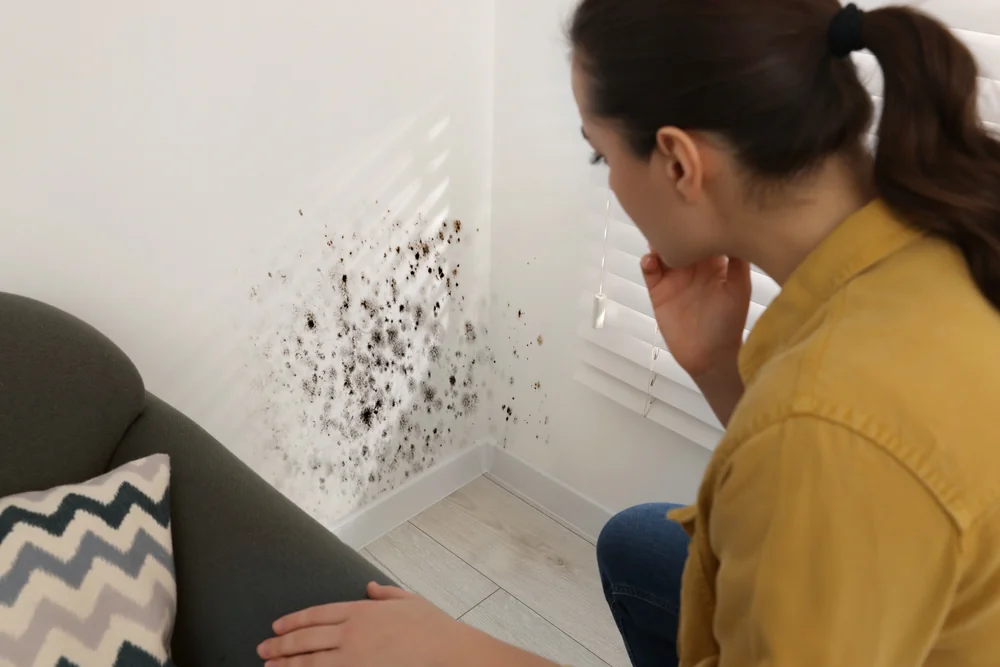
We start with a full visual inspection of your property. That means checking basements, crawl spaces, attics, bathrooms, and anywhere moisture tends to collect. We’re looking for visible mold, water stains, condensation, and signs of past leaks.
Next, we take moisture readings throughout your home using professional-grade meters. High moisture doesn’t always mean mold, but it tells us where to focus. In rowhomes, shared walls can trap moisture. In older homes, poor ventilation makes things worse.
Then we collect air samples from multiple areas. We use calibrated equipment to pull air through a collection device, which captures mold spores and other particles. Those samples go to an independent certified lab for analysis.
The lab identifies specific mold species, measures their concentration levels, and compares them to outdoor air. You get a written report that breaks down what was found, where it was found, and whether the levels are high enough to be a health concern. That report is yours to keep, and you can use it however you need—whether that’s deciding on remediation, filing an insurance claim, or walking away from a real estate deal.
Ready to get started?
Every inspection includes a complete visual assessment, moisture readings in key areas, and professional air sampling. We test multiple rooms to get an accurate picture of your indoor air quality, not just one problem spot.
All samples are analyzed by an independent certified lab. You’re not relying on a field test kit or someone’s opinion. You get lab results that identify mold species by name, measure spore concentrations, and compare indoor levels to outdoor baselines.
In Strawberry Mansion, we see a lot of basement moisture issues. The area’s older rowhomes weren’t built with modern drainage or ventilation, and Philadelphia’s humidity during summer regularly exceeds 60%. That creates conditions where mold grows fast, especially in spaces that don’t get much airflow.
Most residential air quality testing in this area runs between $400 and $500 for a typical rowhome. That includes the inspection, lab analysis, and a full written report. If you need additional sampling or expedited lab results, we can do that too. The price depends on the size of your home and how many areas need testing, but we’ll tell you the cost upfront before we start.
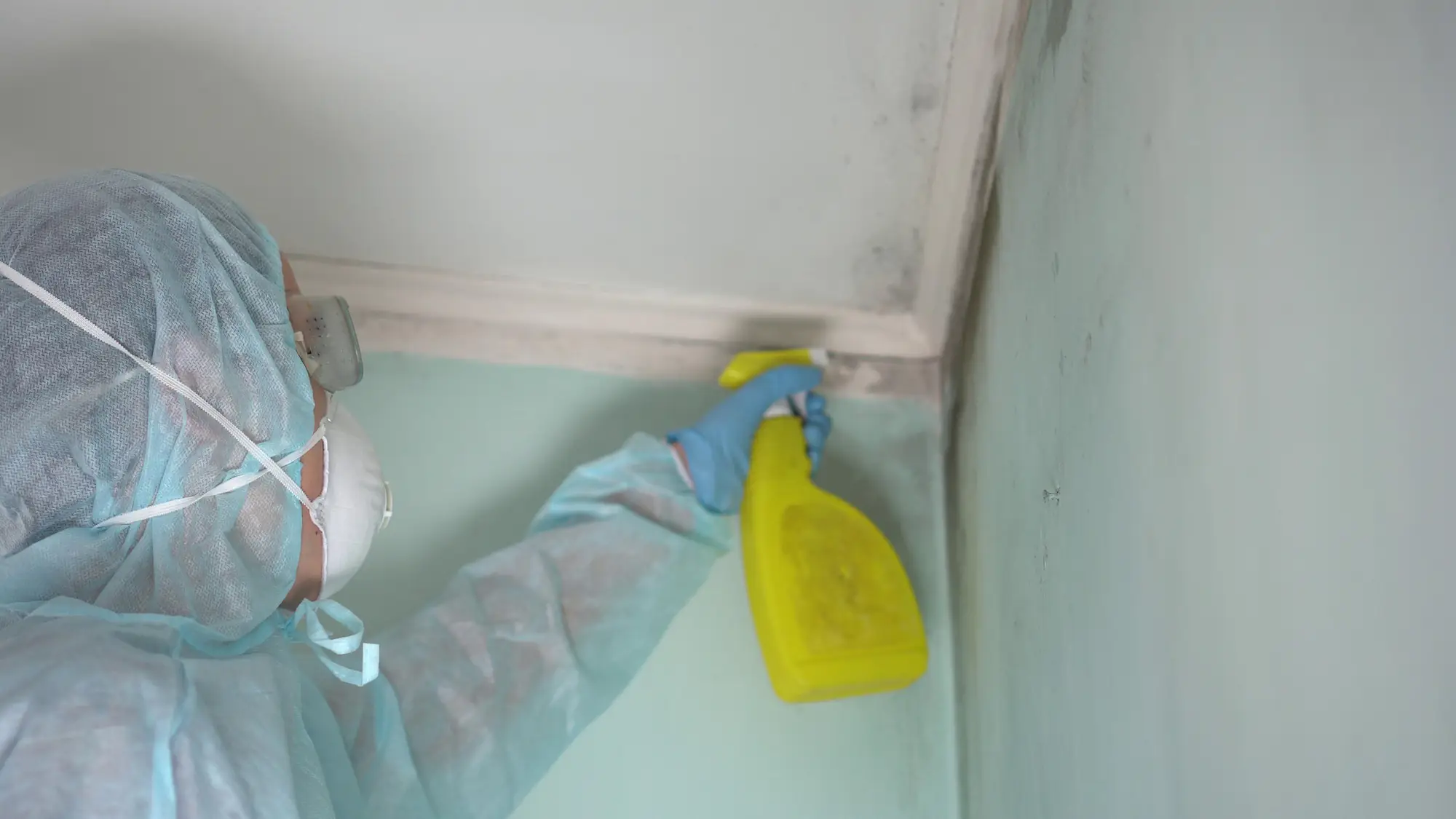
You need testing if someone in your household is experiencing respiratory symptoms, allergies, or asthma attacks that improve when they leave the house. That pattern suggests something in your indoor air is triggering the reaction, and mold is one of the most common culprits.
You also need testing if you’ve had water damage—whether that’s a burst pipe, a roof leak, or chronic basement moisture. Mold starts growing within 24 to 48 hours after water exposure, and it doesn’t always show up where you can see it. It can grow inside walls, under flooring, or in HVAC ducts.
If you’re buying a home in Strawberry Mansion and the basement smells musty, or you notice water stains or discoloration, get testing done before you close. A home air quality test gives you leverage to negotiate repairs or walk away if the problem is worse than it looks. And if you’re selling, testing can help you address issues before they kill a deal.
DIY kits can tell you if mold spores are present, but they can’t tell you what species you’re dealing with or whether the levels are actually dangerous. Most kits use petri dishes that collect whatever lands on them, which means you’re getting surface-level data at best.
A professional air quality test uses calibrated equipment to pull a measured volume of air through a collection device. That sample goes to a certified lab where technicians identify specific mold species, count spore concentrations, and compare your indoor levels to outdoor air. The difference matters because not all mold is equally harmful, and concentration levels determine whether you’re dealing with a minor issue or a serious health risk.
DIY kits also can’t detect hidden mold. If the problem is behind a wall or under flooring, a petri dish sitting on your counter won’t pick it up. We use moisture meters and thermal imaging to find problem areas you can’t see, then we sample those areas directly.
Standard turnaround is 3 to 5 business days from the time we collect samples. The lab needs time to culture the samples, identify species, and generate a detailed report. That report includes everything you need: what was found, where it was found, concentration levels, and whether those levels pose a health risk.
If you’re in a situation where you need results faster—maybe you’re closing on a house or dealing with a health emergency—we can request expedited lab analysis. That usually cuts the turnaround to 24 to 48 hours, but it costs more.
Once the report is ready, we’ll walk you through it. Lab reports can be technical, and we want to make sure you understand what you’re looking at. We’ll explain which species were found, what the concentration levels mean, and whether remediation is necessary. You’ll get a copy of the full report to keep for your records.
Testing tells you what’s in your air and at what levels. If mold spore concentrations are elevated, and the species present are known to cause respiratory issues or allergic reactions, then you have data that says your indoor air quality isn’t where it should be. That’s especially important if your kids have asthma, allergies, or any kind of compromised immune system.
Children are more vulnerable to mold exposure than adults because their respiratory systems are still developing. Prolonged exposure can lead to chronic respiratory problems, even after the mold is removed. Testing gives you the information you need to make decisions—whether that’s hiring a remediation company, improving ventilation, or addressing a moisture problem that’s feeding mold growth.
The lab report will identify specific species. Some molds, like Stachybotrys (black mold), are more toxic than others. Knowing what you’re dealing with helps you understand the risk and take action that’s proportional to the problem.
If the lab results show elevated mold levels, the first step is figuring out where the moisture is coming from. Mold doesn’t grow without water, so you’re dealing with a leak, condensation, high humidity, or poor ventilation. We’ll include moisture readings and observations in your report to help pinpoint the source.
From there, you’ll need remediation if the contamination is widespread or if the mold species present are known health hazards. Remediation involves containing the affected area, removing contaminated materials, cleaning surfaces, and fixing the moisture problem so mold doesn’t come back. You can hire a remediation company to handle that work.
If the levels are elevated but not extreme, you might be able to address it with better ventilation, a dehumidifier, or fixing a minor leak. The report will give you enough information to decide what makes sense. You’re not locked into anything, and you’re not getting pressured into a service you don’t need. You’re just getting the facts.
Most residential air quality testing for a typical rowhome in Strawberry Mansion runs between $400 and $500. That includes the visual inspection, moisture readings, air sampling, lab analysis, and a full written report. The price depends on the size of your home and how many samples we need to take.
If you have a larger property or you want to test multiple areas—like the basement, first floor, and attic—the cost goes up because we’re collecting more samples and the lab work takes longer. If you need expedited results, that’s an additional charge.
We’ll give you a clear price before we start. No surprises, no upselling. You’re paying for accuracy and independent lab results, not a free inspection that’s designed to sell you remediation. The cost of testing is a fraction of what you’d spend on unnecessary remediation or dealing with health problems down the road.
Other Services we provide in Strawberry Mansion