
Mold Inspection in Pinewood, PA

Find It Before It Finds You

Free mold inspection that catches hidden growth before it affects your health, your home value, or your next real estate deal.
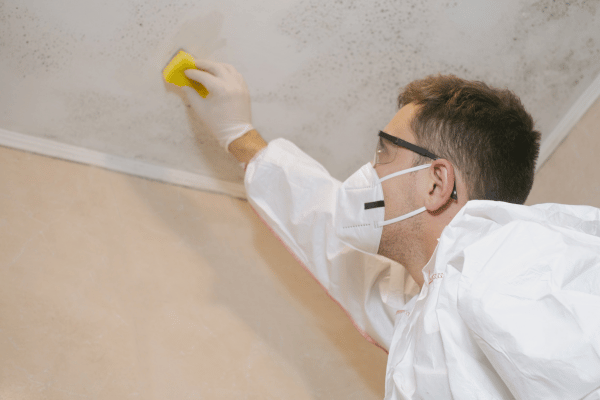
Protective worker in safety suit inspecting or treating mold spots on an indoor ceiling, addressing moisture damage and potential mold growth inside a building.

Hear from Our Customers

Professional Mold Detection in Pinewood

What You Get From a Real Inspection

You get answers. Not a sales pitch disguised as an inspection, but actual documentation of what’s growing, where it’s growing, and why it started in the first place.

Pennsylvania’s humid summers create perfect conditions for mold. Humidity hits 70% or higher from June through August, and older homes in Bucks County weren’t built with the ventilation needed to handle that kind of moisture. Basements stay damp. Crawl spaces trap water. And mold starts growing within 24 to 48 hours after water shows up.

A real mold inspection uses thermal imaging and moisture meters to find problems you can’t see. Behind walls. Under floors. In attics where insulation hides the damage. You’ll know if there’s a problem, how bad it is, and what caused it. That’s what matters when you’re trying to sell a house, close on a purchase, or just sleep better knowing your family isn’t breathing in spores every night.

Certified Mold Inspectors Serving Bucks County

We've Been Doing This for Years

We’ve been handling mold problems across Bucks County, Montgomery County, and the greater Philadelphia area for years. We’re not a franchise using cookie-cutter checklists. We’re local technicians who understand what happens to homes in this climate.

We know the older homes in Pinewood. The stone foundations that leak. The basements that flood after heavy rain. The attics that turn into saunas every summer. Every inspection is free, and every job comes with a 5-year warranty because we fix the source, not just the symptoms.

Our inspectors are certified, our equipment is professional-grade, and our process follows EPA-approved methods. You’re not getting a guy with a flashlight. You’re getting a full diagnostic that tells you what’s wrong and what to do about it.

Protective worker collecting a mold sample from a stained indoor ceiling using a swab, inspecting moisture damage and potential mold growth inside a building.

How Our Mold Inspection Process Works

Here's What Happens During Your Inspection

First, we walk through your home and talk about what you’ve noticed. Musty smells. Water stains. Allergies that won’t quit. We’re looking for visible signs, but also listening for clues about where moisture is coming from.

Then we use thermal imaging cameras to scan walls, ceilings, and floors. Cold spots show up where water is hiding. Moisture meters confirm it. If we find elevated moisture levels, we know mold is either growing or about to start. We check basements, crawl spaces, attics, bathrooms, and anywhere else water tends to collect in Pennsylvania homes.

After the inspection, you get a full report. It explains what we found, where the moisture is coming from, and what needs to happen next. If there’s mold, we’ll map out a remediation plan. If there’s just moisture, we’ll tell you how to stop it before mold starts. You’ll have documentation you can use for insurance claims, real estate transactions, or just your own peace of mind.

The whole process takes a couple of hours, and you’ll know exactly what you’re dealing with before we leave.

Home interior with mold remediation in progress as a worker sprays treatment on a wall using a ladder, while a resident relaxes on a covered sofa in a renovated living room.

Ready to get started?

Explore More Services

About Mack's Mold Removal

What's Included in Pinewood Mold Inspections

You're Not Paying for This Inspection

The inspection is free. You get a certified inspector, thermal imaging, moisture testing, and a written report at no cost. If you need remediation, we’ll give you a clear estimate. If you don’t, we’ll tell you that too.

Bucks County has some of the oldest housing stock in Pennsylvania, and that means homes built before modern moisture barriers, vapor barriers, and proper ventilation. Mold is common here, especially in basements where stone foundations let groundwater seep through. During our inspections, we’re looking at the whole system—not just where mold is growing, but what’s feeding it.

We also know the local real estate market. Mold kills deals in Bucks County faster than almost anything else. Sellers who address mold problems before listing often recover $20,000 or more in resale value compared to homes where buyers discover it during their own inspection. If you’re buying, you need to know what you’re getting into before you sign. If you’re selling, you need to know what you’re required to disclose under Pennsylvania law.

How do I know if I actually need a mold inspection?

You need one if you’ve had water damage, if you’re buying or selling a home, or if you’re noticing signs that mold might be growing. Musty smells are the biggest giveaway. If your basement smells like mildew, there’s mold somewhere. Water stains on ceilings or walls mean moisture got in, and mold follows moisture.

Health symptoms are another red flag. If allergies get worse at home, if you’re coughing more than usual, or if you’re dealing with headaches and fatigue that improve when you leave the house, mold exposure could be the cause. People with asthma are especially vulnerable—studies show that up to 21% of asthma cases in the U.S. are linked to mold and dampness in buildings.

Real estate transactions are the other big reason. If you’re selling, Pennsylvania law requires you to disclose known defects, and mold qualifies. If you’re buying, you want to know what you’re getting before you close. A mold inspection gives you leverage to negotiate repairs or walk away if the problem is too big.

A mold inspection is a visual and technical assessment using moisture meters and thermal imaging to find where mold is growing and why. Mold testing involves taking air or surface samples and sending them to a lab to identify the specific type of mold and measure spore counts. Most people don’t need testing—they need an inspection.

Here’s why: if you can see mold or smell mold, you already know it’s there. Testing won’t change that. What matters is finding the source of moisture and removing the mold, and that’s what an inspection does. Testing makes sense in a few situations—if someone in your home has serious health issues and a doctor wants to confirm mold exposure, or if you’ve had remediation done and want to verify that spore levels are back to normal.

In Pinewood and the rest of Bucks County, the most common mold problems come from basement moisture, roof leaks, and poor ventilation in older homes. An inspection will catch those issues and give you a plan to fix them. Testing just tells you what kind of mold you’re dealing with, which doesn’t change the remediation process.

Most inspections take two to three hours, depending on the size of your home and how much moisture we find. We’re not rushing through it. We’re checking every area where mold typically grows in Pennsylvania homes—basements, crawl spaces, attics, bathrooms, kitchens, and around windows and doors.

The process involves a visual inspection first, looking for water stains, discoloration, and visible mold growth. Then we use thermal imaging to scan walls and ceilings for temperature differences that indicate hidden moisture. Moisture meters confirm what the camera shows. If we find problem areas, we spend extra time documenting them and figuring out where the water is coming from.

After the inspection, we’ll walk you through what we found before we leave. You’ll get a written report within a day or two that includes photos, moisture readings, and recommendations. If you need remediation, we’ll give you an estimate on the spot. If you just need to fix a leak or improve ventilation, we’ll tell you that instead.

Small surface mold—like a little bit of mildew on a bathroom tile—you can handle yourself with bleach or a mold-specific cleaner. Anything bigger than that, you’re taking a risk. Mold spreads through spores, and disturbing it without proper containment just sends those spores into the air where you breathe them in and where they land on new surfaces to start growing again.

Black mold, which is common in damp basements and behind walls in older Bucks County homes, can cause serious respiratory problems. Scrubbing it off the surface doesn’t kill what’s growing inside the drywall or insulation. You need to remove the contaminated materials, treat the area with antimicrobial solutions, and fix whatever moisture problem caused it in the first place. That requires equipment most homeowners don’t have—HEPA vacuums, air scrubbers, and protective gear.

The bigger issue is that DIY mold removal doesn’t come with any documentation. If you’re selling your home and a buyer asks if you’ve ever had mold, you’ll have to disclose it. If you didn’t have it professionally remediated, that’s a red flag. Professional remediation includes a warranty and proof that the job was done right, which protects your property value and keeps you out of legal trouble down the road.

Yes, if there’s moisture behind the wall. We use thermal imaging cameras that detect temperature differences, and wet building materials show up as cold spots because water conducts heat differently than dry drywall or insulation. Moisture meters confirm it by measuring the moisture content in the wall without cutting it open.

If we find elevated moisture levels, we know there’s either active mold growth or conditions that will cause mold to start growing within a day or two. At that point, we’ll recommend removing a small section of drywall to visually confirm what’s happening and assess how far the damage has spread. That’s not part of the inspection—it’s part of remediation—but we won’t do it without talking to you first.

Hidden mold is extremely common in Pinewood and the surrounding area because so many homes were built before modern moisture barriers existed. Water gets in through stone foundations, old windows, and roof leaks that go unnoticed for months. By the time you see stains on the wall, mold has usually been growing behind it for a while. Thermal imaging catches it early, which saves you money and prevents bigger structural damage.

No inspection can guarantee that every single spore in your home is gone, because mold spores are everywhere. They’re in the air outside, they come in through open doors and windows, and they’re part of the normal environment. What an inspection does is identify active mold growth and the moisture conditions that allow mold to thrive indoors.

If we inspect your home and don’t find elevated moisture levels, visible mold, or musty odors, that’s a good sign. It means you don’t have an active mold problem. But mold can start growing anytime water shows up—after a pipe bursts, after a heavy rainstorm floods your basement, or after a roof leak you didn’t know about. That’s why addressing moisture problems is just as important as removing mold.

In Bucks County, the climate makes mold prevention an ongoing process. Humidity spikes in summer. Basements stay damp year-round in older homes. Gutters clog and water runs down foundation walls. A mold inspection gives you a snapshot of what’s happening right now and tells you what to fix to keep mold from coming back. It’s not a lifetime guarantee, but it’s the best way to know if you have a problem and what to do about it.

Other Services we provide in Pinewood