

Hear from Our Customers
You shouldn’t have to wonder if the mold is really gone. Or if it’s hiding somewhere you can’t see. Or if your kids are breathing in something they shouldn’t be.
When we finish a mold removal job in Pinewood, you get documentation that proves the air is clean. You get a plan that addresses the moisture source so it doesn’t come back. And you get your home back without the constant worry that something’s growing behind your walls.
Most mold problems don’t start as mold problems. They start as a small leak, a damp basement, or humidity that never quite dries out. Pinewood homes—especially the ones built in the 50s and 60s—weren’t designed with today’s moisture control in mind. Add Bucks County’s humid summers, and you’ve got the perfect setup for mold growth.
We don’t just clean what you can see. We find where it’s coming from, remove it down to the source, and make sure the conditions that caused it don’t stick around.
We’ve been serving Pinewood and Bucks County for years, and we’ve seen what happens when mold removal gets done halfway. You end up calling someone else six months later because the problem came back.
We’re IICRC-certified, which means we follow the same protocols used by insurance companies and restoration professionals nationwide. We use EPA-approved methods, and we document everything—before, during, and after—so you have proof the job was done right.
Pinewood homeowners deal with specific challenges. Older homes with basements that weren’t waterproofed. Crawl spaces that trap moisture. Attics with poor ventilation. We’ve worked in hundreds of homes just like yours, and we know what to look for before it becomes a bigger issue.

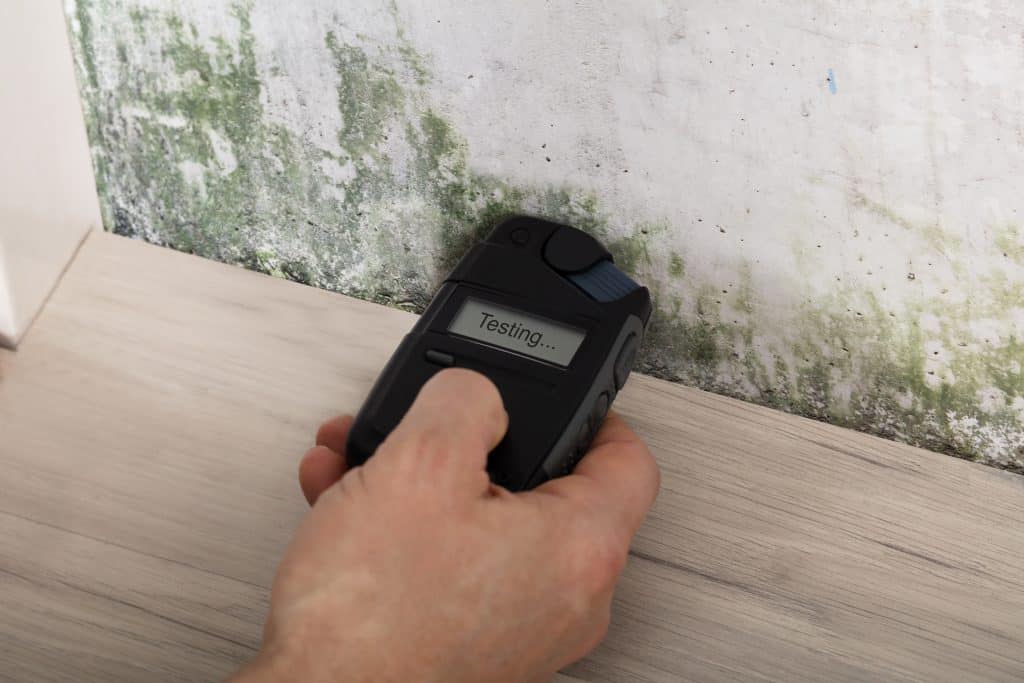
First, we do a full inspection. That means checking the obvious spots and the ones most people miss—behind appliances, inside HVAC systems, under flooring, around windows. We use moisture meters and thermal imaging to find hidden water sources.
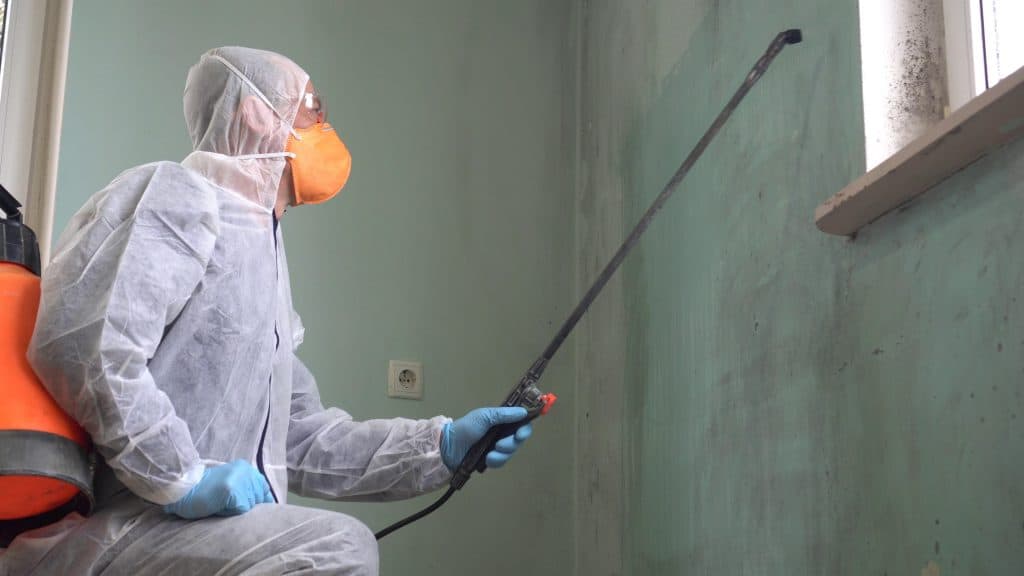
Once we know what we’re dealing with, we contain the area. This keeps mold spores from spreading to other parts of your home while we work. We set up negative air pressure and physical barriers so the rest of your house stays clean.
Then we remove the mold. Not just surface cleaning—actual removal of contaminated materials if needed. We treat affected areas with antimicrobial solutions and use HEPA filtration to clean the air.
After removal, we verify the air quality with testing. You get lab results that show your home is safe. And we walk you through what caused it in the first place—whether that’s a leaky pipe, poor ventilation, or a drainage issue—so you can address it and avoid this happening again.
Ready to get started?
Every mold removal job includes a full inspection with moisture mapping. You’re not paying for guesswork. We identify exactly where the mold is, how far it’s spread, and what’s feeding it.
You get professional containment and air filtration during the entire process. This isn’t optional—it’s how we make sure mold spores don’t end up in your bedroom while we’re working in your basement.
We remove contaminated materials safely and treat all affected surfaces. If drywall or insulation needs to come out, we handle disposal according to Pennsylvania guidelines. If it can be treated and saved, we do that instead.
After removal, you receive third-party lab testing that confirms your air quality is back to normal. We also provide a detailed report with photos, moisture readings, and our recommendations for preventing future growth. This documentation is critical if you’re filing an insurance claim or selling your home down the road.
Pinewood’s housing stock—mostly built between 1940 and 1969—means a lot of homes here are dealing with aging infrastructure. Basements that weren’t sealed properly. Crawl spaces with dirt floors. Roofs that have seen better days. We factor all of this in when we assess your property, because what works in a newer home doesn’t always apply here.
Most residential mold removal projects take between two and five days, depending on the size of the affected area and how far the mold has spread. A small bathroom with surface mold might be done in a day or two. A basement with widespread contamination and moisture issues could take a full week.
The timeline also depends on what’s causing the mold. If there’s an active leak or drainage problem, we need to make sure that’s fixed before we finish the job. Otherwise, you’re just going to see mold again in a few months.
We don’t rush jobs to hit a deadline. You’ll get a realistic timeline upfront, and we’ll keep you updated if anything changes. The goal is to do it right, not fast.
It depends on the scope of the project and where the mold is located. If we’re working in a contained area like a basement or a single bathroom, most families stay in the home without any issues. We seal off the work area and use negative air pressure to keep spores from spreading.
If the contamination is extensive—say, throughout multiple rooms or in your HVAC system—we’ll usually recommend staying elsewhere for a few days. It’s not always necessary, but it’s the safest option, especially if you have young kids, elderly family members, or anyone with respiratory issues.
We’ll walk you through what makes sense for your situation during the inspection. No one wants to leave their home if they don’t have to, and we won’t suggest it unless there’s a real reason.
Sometimes. It depends on what caused the mold and what your policy covers. If the mold is the result of a sudden, accidental event—like a burst pipe or a roof leak during a storm—most policies will cover at least part of the remediation cost.
If the mold developed over time due to ongoing moisture problems or lack of maintenance, insurance usually won’t pay for it. That’s why documentation matters. We provide detailed reports with photos, moisture readings, and timelines that help support your claim if you’re filing one.
We work directly with insurance companies regularly, and we can walk you through what they’ll need to see. Even if your claim gets denied, we’ll give you a clear breakdown of costs upfront so there are no surprises.
Mold removal refers to physically removing mold from surfaces or materials. Mold remediation is the full process—removing the mold, addressing the moisture source, treating affected areas, and restoring your home to safe conditions.
You can remove mold with bleach and a sponge, but if you don’t fix the leak or control the humidity, it’s coming back. That’s the difference. Remediation solves the problem. Removal is just one step in the process.
When people search for “mold removal near me” or “black mold removal,” they’re usually looking for the full remediation process—they just don’t know the terminology. That’s what we do. We don’t clean mold and leave. We remove it, fix what caused it, and verify the air is safe before we’re done.
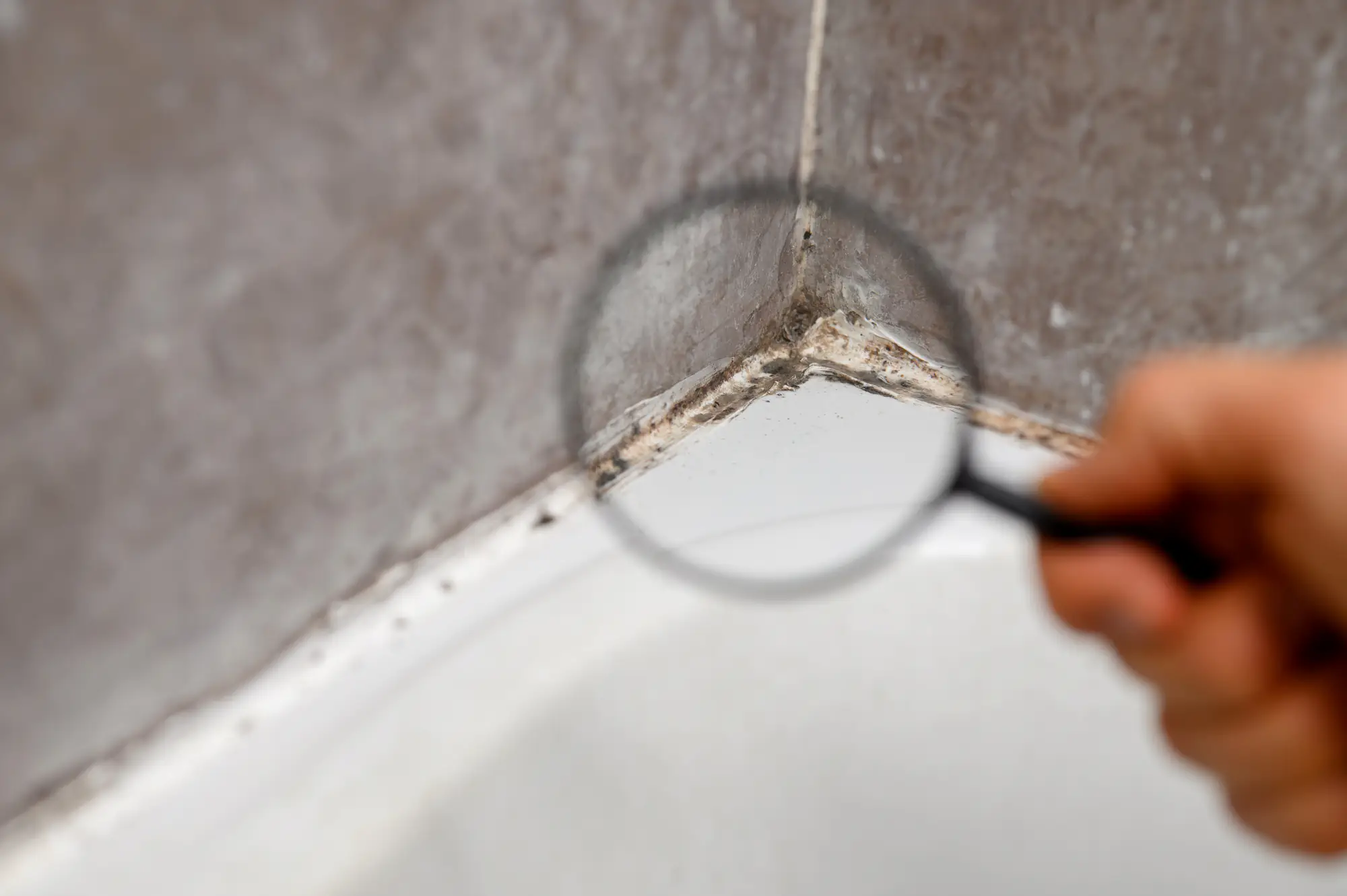
Mildew is a type of mold, but it’s usually surface-level and easier to clean. It’s the powdery, white or gray stuff you see on shower tiles or damp towels. It wipes off pretty easily and doesn’t usually penetrate deep into materials.
Mold—especially black mold—tends to look slimy or fuzzy, and it grows into the material, not just on top of it. It’s harder to remove, spreads faster, and poses more serious health risks. If you’re seeing dark spots on drywall, wood, or insulation, that’s likely mold, not mildew.
The bigger issue is what’s underneath. Even if it looks like mildew on the surface, there could be mold growing behind the wall or under the floor. That’s why we use moisture meters and thermal imaging during inspections. You can’t always trust what you see.
Pinewood homes face a few specific challenges. Most were built between the 1940s and 1960s, which means they weren’t designed with modern moisture barriers or ventilation systems. Basements often have porous concrete or stone foundations that let water seep in. Crawl spaces weren’t sealed. Attics don’t always have proper airflow.
Add in Bucks County’s humid summers—where indoor humidity regularly climbs above 60%—and you’ve got perfect conditions for mold growth. It doesn’t take a flood. A slow leak under the sink, condensation on old windows, or a bathroom fan that doesn’t vent outside can all lead to mold over time.
The good news is that once you know what’s causing it, you can fix it. We’ll identify the moisture source during the inspection and give you a realistic plan for keeping mold from coming back. Sometimes it’s as simple as a dehumidifier and better ventilation. Other times, it’s a waterproofing issue that needs professional attention. Either way, you’ll know exactly what you’re dealing with.
Other Services we provide in Pinewood