
Hear from Our Customers
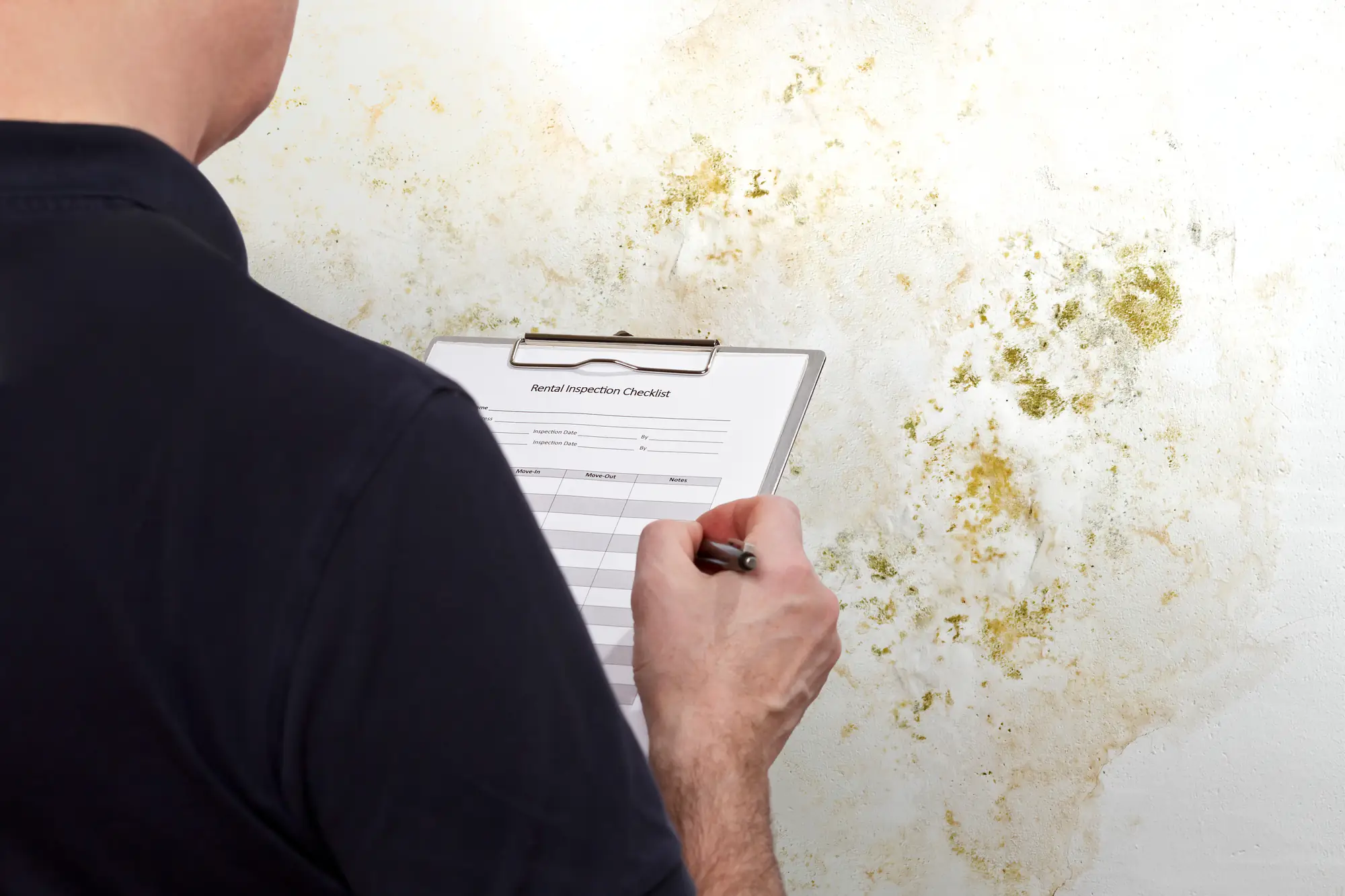
You can’t fix what you can’t see. Mold hides behind walls, under floors, in crawl spaces, and inside HVAC systems where moisture builds up over time.
A proper mold inspection gives you the full picture. Not just where the mold is, but why it’s there and what needs to happen to stop it from coming back. That’s what separates a real assessment from someone walking through your house with a flashlight.
We use moisture meters and infrared cameras to detect problems you’d never spot on your own. The goal isn’t to scare you or oversell the problem. It’s to give you accurate information so you can make the right call for your home and your family.
We serve homeowners throughout Bucks County, and we’ve worked in plenty of Somerton properties. The rowhouses, duplexes, and older attached homes built in the ’60s through the ’90s all share similar vulnerabilities.
Shared walls trap moisture. Brick basements stay damp. Poor drainage around foundations leads to seepage. We’ve seen it dozens of times, and we know what to look for.
Our inspectors are certified and trained to assess both visible and hidden mold growth. We follow EPA-approved methods and comply with all Pennsylvania regulations. Every inspection is thorough, documented, and explained in plain terms so you understand what’s happening in your home.
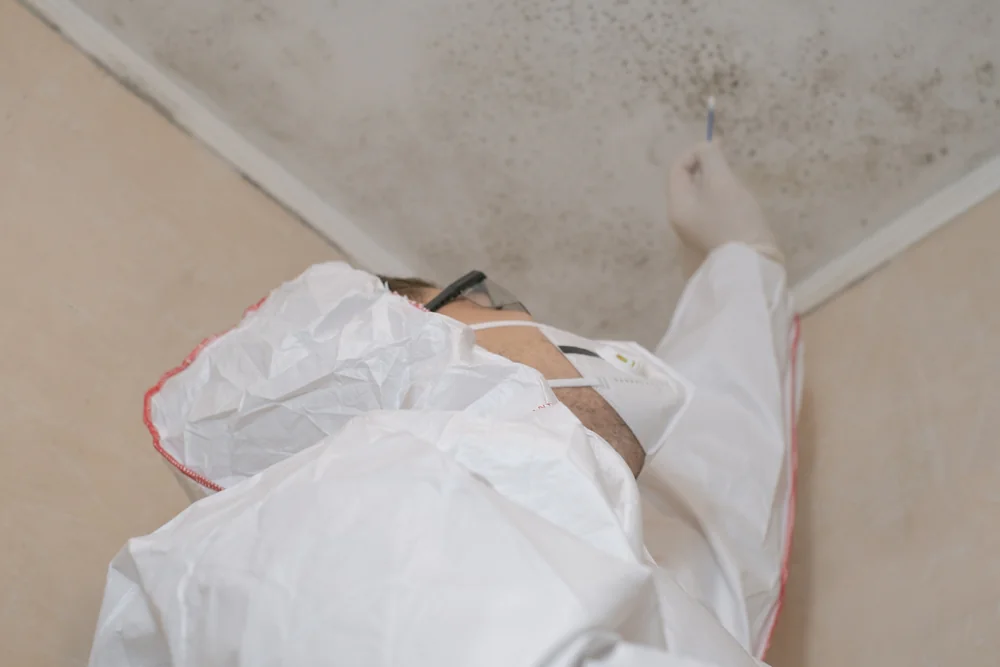
We start with a visual assessment of your entire property. That includes basements, attics, bathrooms, kitchens, crawl spaces, and any area where moisture tends to accumulate.
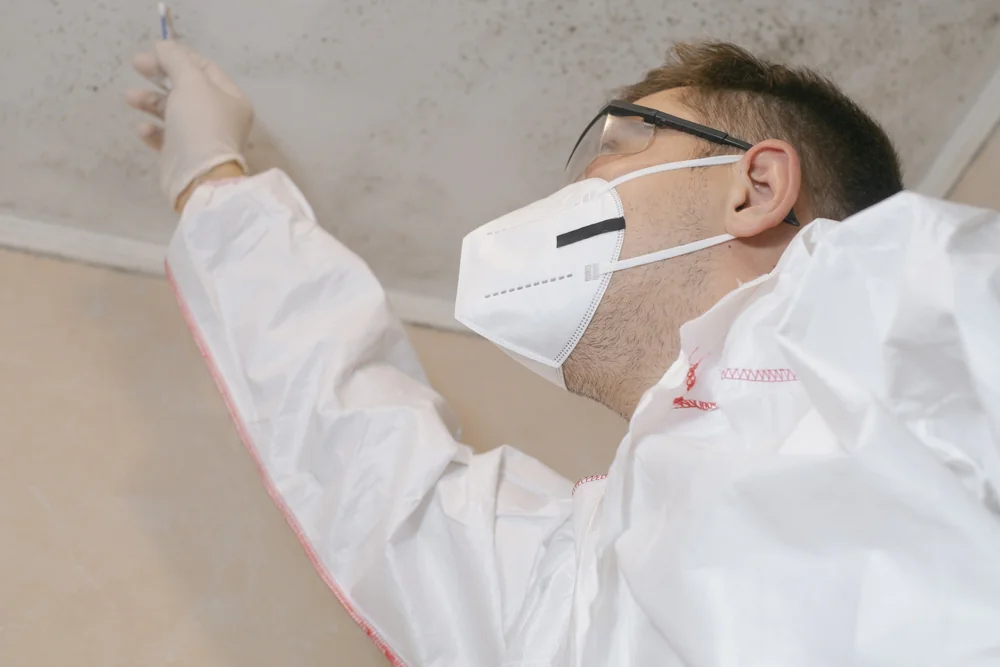
Next, we use moisture meters to measure humidity levels in walls, ceilings, and floors. High moisture readings tell us where mold is likely growing, even if you can’t see it yet. Infrared cameras help us identify temperature differences that indicate water intrusion or poor ventilation.
If we find mold, we document it with photos and notes. We’ll explain what type of mold we’re seeing, how extensive the growth is, and what’s causing it. Then we’ll walk you through your options for remediation and prevention.
You’ll get a detailed report that outlines everything we found. If you need remediation, we’ll provide a clear estimate before any work begins. If the problem is minor, we’ll tell you that too. No upselling. No pressure. Just honest information.

Ready to get started?
Every mold inspection includes a full property assessment, moisture testing, infrared scanning, and a written report with photos. We check all the common problem areas and the hidden ones most people miss.
Somerton’s housing stock creates specific challenges. Many homes here were built between 1970 and 1999, and older construction methods didn’t account for modern moisture control. Plaster walls, uninsulated basements, and outdated ventilation systems all contribute to mold growth.
Humidity in this area regularly exceeds 60% during summer months. When warm, humid air hits cool basement walls or attic surfaces, condensation forms. That’s how mold starts. Add in aging window seals, inadequate drainage, and shared walls that trap moisture, and you’ve got the perfect environment for recurring problems.
We look at all of it. Not just the mold itself, but the conditions that allow it to grow. That’s how you prevent it from coming back after remediation.

If you see visible mold, smell a musty odor, or notice water damage, you need an inspection. But even without obvious signs, there are situations where an inspection makes sense.
Recent water damage from leaks, floods, or plumbing issues creates conditions for mold growth within 24 to 48 hours. If your home has had any moisture problems in the past few months, an inspection can catch mold before it spreads.
Health symptoms are another red flag. Persistent coughing, sneezing, headaches, or respiratory issues that improve when you leave the house can indicate mold exposure. Older homes in Somerton with basements, shared walls, or poor ventilation are especially prone to hidden mold growth. An inspection gives you peace of mind and protects your family’s health.
A mold inspection is a visual assessment that identifies mold growth and moisture problems in your home. An inspector examines your property, uses detection equipment, and documents any issues they find.
Mold testing involves collecting air or surface samples and sending them to a lab for analysis. Testing tells you what type of mold is present and the concentration of spores in your indoor air. It’s not always necessary.
Most of the time, a thorough inspection is enough. If you can see mold or detect moisture problems, you already know remediation is needed. Testing makes sense in specific situations: if someone in your home has severe allergies or respiratory issues, if you’re buying or selling a property, or if you need documentation for insurance claims or legal purposes.
Most residential mold inspections take between one and two hours, depending on the size of your home and the extent of the problem. Larger properties or homes with multiple problem areas may take longer.
During that time, we’re checking every area where mold typically grows: basements, attics, bathrooms, kitchens, crawl spaces, and HVAC systems. We’re also using moisture meters and infrared cameras to detect hidden issues behind walls and under floors.
After the inspection, we’ll spend time explaining what we found and answering your questions. You’ll receive a written report within 24 to 48 hours that includes photos, moisture readings, and our recommendations. If remediation is needed, we’ll provide a detailed estimate so you know exactly what to expect.
It depends on the type of mold, the extent of the growth, and your family’s health. Small amounts of surface mold in a bathroom or kitchen usually aren’t an immediate health risk, and you can stay in your home during remediation.
Extensive mold growth, especially black mold or mold that’s spread through your HVAC system, is a different situation. If mold is affecting your indoor air quality or causing health symptoms, it’s safer to stay elsewhere until remediation is complete.
We’ll be honest with you about the severity of the problem. If the mold is minor and contained, we’ll tell you. If it’s widespread or affecting your family’s health, we’ll recommend temporary relocation during the removal process. Your safety is the priority, and we’ll explain your options clearly so you can make an informed decision.
Insurance coverage for mold depends on what caused the mold growth. If mold resulted from a sudden, accidental event like a burst pipe or storm damage, your homeowner’s insurance will likely cover it. If mold developed over time due to poor maintenance or ongoing moisture issues, coverage is less likely.
Most policies have specific exclusions for mold, so it’s important to review your coverage and understand what’s included. Some insurers require a professional inspection and documentation before approving a claim.
We work with insurance companies regularly and can help you navigate the claims process. We’ll provide detailed reports, photos, and estimates that outline the extent of the damage and the necessary remediation steps. If your claim is denied, we’ll explain your options and work with you to find a solution that fits your budget.
The biggest reason mold comes back is when the moisture source isn’t properly addressed. Removing mold without fixing the underlying problem is like mopping the floor while the faucet’s still running.
After remediation, you need to control humidity and moisture in your home. That means fixing leaks, improving ventilation, and addressing drainage issues around your foundation. Dehumidifiers help in basements and crawl spaces where humidity stays high.
In Somerton’s older homes, you’re dealing with construction methods that weren’t designed for modern moisture control. Upgrading window seals, improving attic ventilation, and ensuring proper grading around your foundation all make a difference. We’ll identify the specific moisture sources in your home and recommend practical solutions to prevent future mold growth. Prevention is always cheaper than remediation.
Other Services we provide in Somerton