

Hear from Our Customers
You can’t fix what you can’t see. That musty smell in your basement, the discoloration on your ceiling, the allergies that won’t quit—these are signs, not answers. A black mold test or residential mold testing gives you actual data about what’s growing in your home and where it’s hiding.
Most mold problems in Somerton homes start in places you don’t check often. Behind drywall. Inside HVAC ducts. Under flooring near old plumbing. Pennsylvania’s humid summers create perfect conditions for mold to take hold fast, and by the time you see it, it’s usually been growing for weeks.
Professional mold testing uses air samples, surface samples, and moisture detection to map the problem. You’ll know if it’s surface-level or structural. You’ll know if it’s toxic or just unsightly. And you’ll know what needs to happen next—no guessing, no panic, just a plan.
We’ve been helping Somerton homeowners deal with mold for years. We know the common culprits here—older homes with basement moisture issues, HVAC systems that haven’t been serviced in years, roof leaks that go unnoticed until the damage spreads.
We’re not a national franchise reading from a script. We’re local, and we understand how Pennsylvania’s climate affects your home. Our team uses EPA-approved testing methods and sends samples to certified labs for analysis. We show up on time, explain what we find, and give you options—not pressure.
If you’ve got a mold problem, we’ll tell you. If you don’t, we’ll tell you that too.
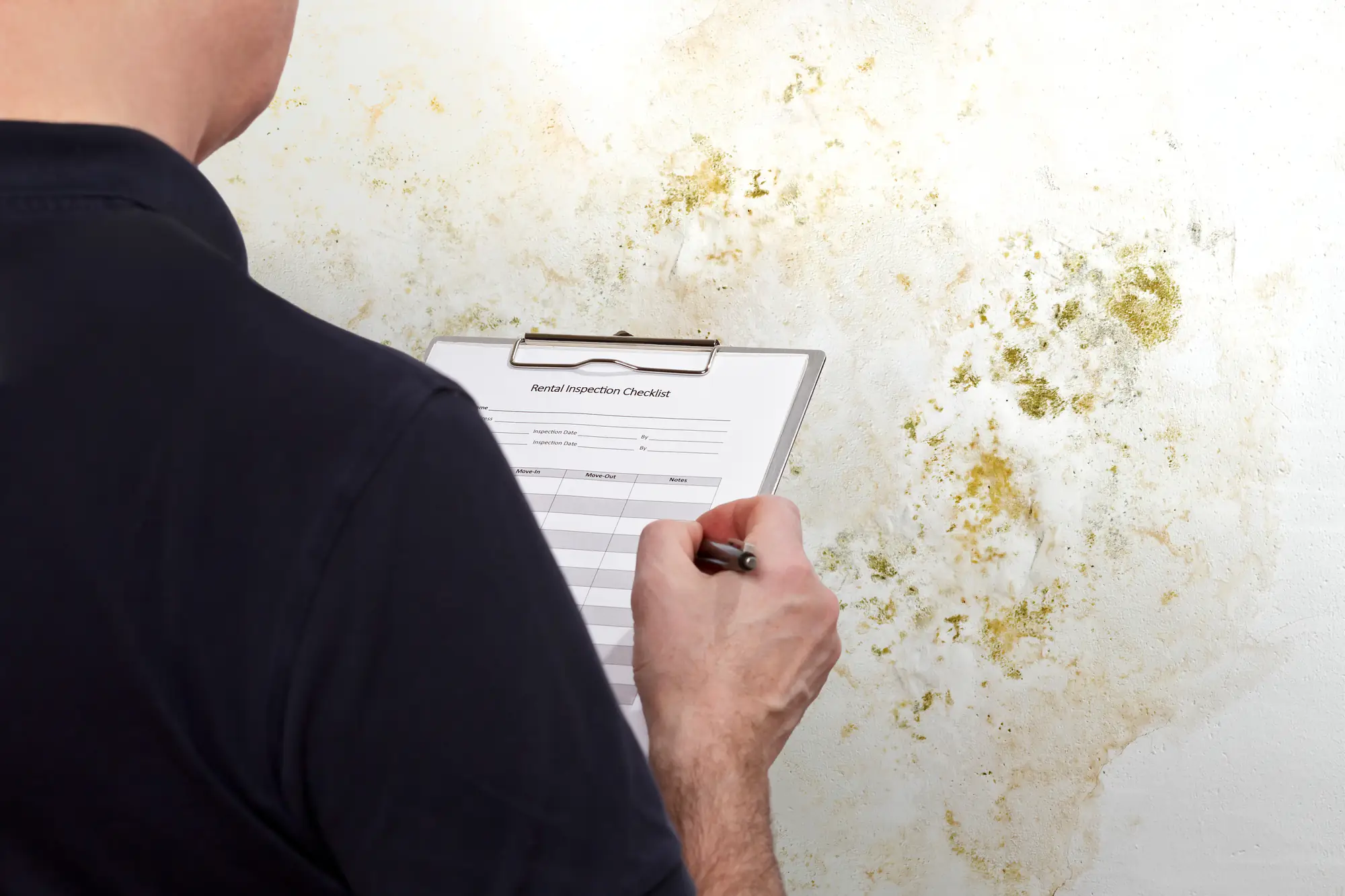
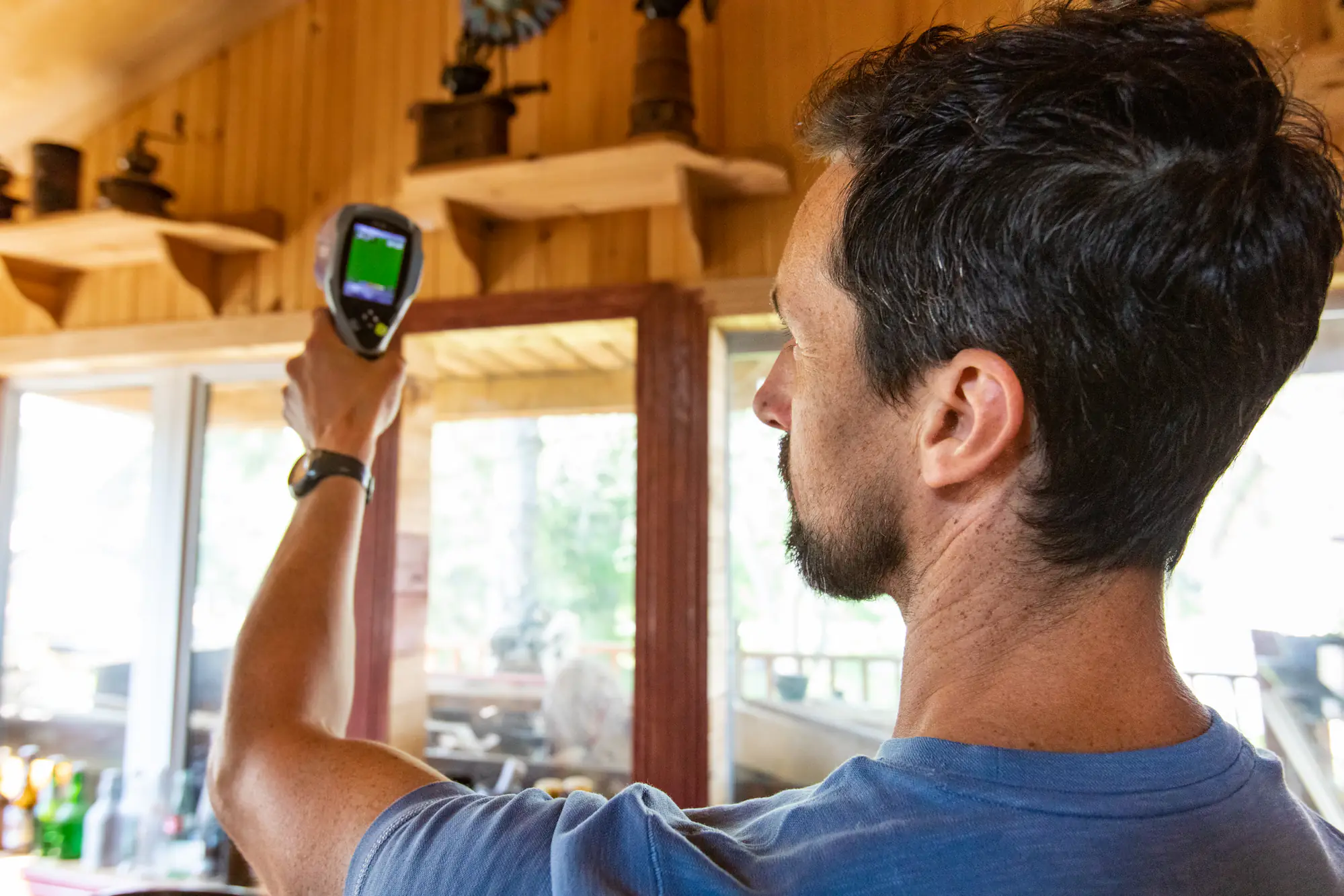
First, we come to your property for a free inspection. We’re looking for visible mold, moisture sources, and areas where mold typically hides. We use infrared cameras and moisture meters to check behind walls and under floors without tearing anything apart.
If testing is needed, we collect air samples and surface samples from affected areas and send them to a certified lab. Air samples tell us what’s floating around that you’re breathing in. Surface samples tell us what’s actively growing and what type of mold it is. Lab results usually come back within a few days.
Once we have the results, we walk you through what they mean. We’ll show you where the mold is, what’s causing it, and what needs to happen to fix it. If you need remediation, we handle that too. If it’s something you can address yourself, we’ll tell you how. The goal is to give you clarity, not upsell you on services you don’t need.
Ready to get started?
Every mold testing service starts with a thorough visual inspection of your property. We check basements, crawl spaces, attics, bathrooms, kitchens—anywhere moisture tends to accumulate in Somerton homes. We’re looking for active growth, water damage, condensation issues, and ventilation problems.
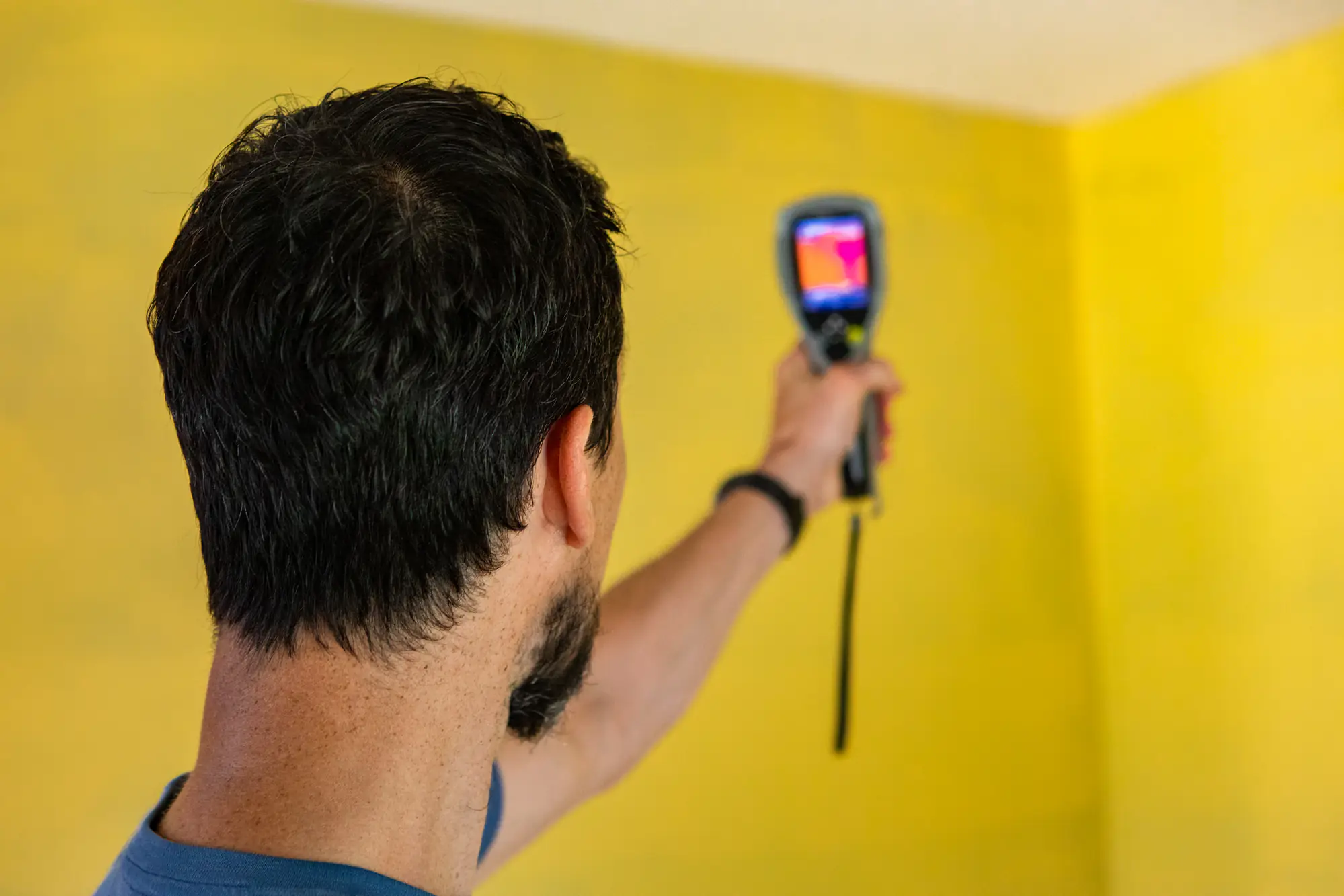
We use thermal imaging to detect temperature differences that indicate moisture behind walls or ceilings. Moisture meters measure exact humidity levels in building materials. These tools help us find mold before it becomes visible, which is critical in older Bucks County homes where mold can spread through wall cavities undetected.
Testing includes both air and surface sampling. Air samples capture mold spore concentrations in your indoor environment compared to outdoor levels. Surface samples identify the specific mold species present. All samples go to an accredited lab that follows EPA guidelines. You receive a detailed report that breaks down mold types, concentrations, and health risk levels.
We also identify the moisture source. Mold doesn’t grow without water, so if we’re finding mold, something is feeding it. Leaky pipes, poor drainage, condensation, roof damage—we find the root cause so you can fix the problem permanently, not just treat the symptoms.
Most residential mold testing in Somerton runs between $250 and $500, depending on the size of your home and how many samples we need to collect. If you’re testing multiple rooms or need both air and surface samples from several areas, costs can go higher. The inspection itself is free—you only pay if testing is necessary.
Here’s what affects the price: square footage, number of suspected areas, and whether we’re testing air quality throughout the home or just checking a specific spot. A single-room test costs less than a whole-house assessment. If you’re buying a home and want a pre-purchase mold inspection, that’s typically more comprehensive and falls on the higher end.
We give you an upfront estimate before collecting any samples. No surprises, no hidden fees. And if your mold problem is related to a covered insurance claim—like water damage from a burst pipe—your policy may cover testing costs. We can work directly with your insurance company to help with that process.
Lab results usually come back within three to five business days after we collect samples. The lab needs time to culture the samples and identify mold species accurately. Some labs offer rush services for an additional fee if you need results faster, but standard turnaround is about a week from the day we visit your property.
Once we receive the lab report, we’ll contact you to go over the findings. We don’t just email you a document full of technical terms and leave you to figure it out. We’ll explain what the results mean, what types of mold were found, whether the concentrations are concerning, and what your next steps should be.
If the situation is urgent—like you’re experiencing severe respiratory symptoms or there’s extensive visible growth—we can start remediation planning before the lab results come back. But for most situations, waiting a few days for accurate lab analysis is the smarter move. It ensures you’re treating the right problem with the right approach.
You can buy DIY mold test kits for $10 to $100 at hardware stores, but they’re not as reliable as professional testing. Most DIY kits only tell you if mold is present—not what type, how much, or where it’s coming from. They also don’t account for normal background mold levels, so you might get a positive result even when there’s no actual problem.
Professional mold testing uses calibrated equipment and certified lab analysis. We compare your indoor air quality to outdoor baselines, which gives context to the results. We also use moisture meters and thermal imaging to find hidden mold that a DIY kit would miss completely. If mold is growing inside your walls or HVAC system, a surface swab kit won’t detect it.
The bigger issue is that DIY testing doesn’t come with expert interpretation. Even if the kit tells you mold is present, it won’t tell you if it’s a health risk, what’s causing it, or how to fix it. If you’re serious about understanding your mold situation—especially in a humid climate like Somerton—professional testing is worth the investment.
A mold inspection is a visual assessment of your property. We look for visible mold, water damage, moisture problems, and conditions that promote mold growth. We check common problem areas and use tools like moisture meters and infrared cameras to detect hidden issues. An inspection tells you if there’s a mold problem and where it’s likely located.
Mold testing goes further. It involves collecting air or surface samples and sending them to a lab for analysis. Testing identifies the specific types of mold present, measures spore concentrations, and determines whether levels are abnormal compared to outdoor air. Testing is useful when you can smell mold but can’t find it, when you’re experiencing health symptoms, or when you need documentation for insurance or real estate transactions.
You don’t always need testing. If we find obvious mold during the inspection, we already know you have a problem and can move forward with remediation. But if the source isn’t clear, if you’re dealing with health concerns, or if you need proof for a claim, testing provides the data you need to make informed decisions.
It depends on what caused the mold. If mold growth resulted from a sudden, covered event—like a burst pipe, roof leak during a storm, or appliance malfunction—your homeowners insurance may cover testing and remediation. If mold developed due to long-term neglect, poor maintenance, or humidity issues you didn’t address, insurance typically won’t cover it.
Pennsylvania insurance policies vary, and many have specific mold coverage limits or exclusions. Some policies cap mold coverage at $5,000 or $10,000. Others exclude mold entirely unless you purchase additional coverage. You’ll need to review your policy or talk to your insurance agent to know what’s covered.
We work with insurance companies regularly and can help document your mold problem for claims purposes. We provide detailed reports, photos, and lab results that insurers require. If your claim gets approved, we can bill your insurance directly in many cases. If it’s not covered, we’ll give you a clear estimate so you know what you’re paying out of pocket.
We can usually schedule your free inspection within 24 to 48 hours of your call. If you’re dealing with an emergency—like flooding, sewage backup, or sudden water damage—we offer same-day service. Mold can start growing within 24 to 48 hours of water exposure, so fast response matters.
For non-emergency situations, we’ll find a time that works with your schedule. Inspections typically take one to two hours depending on your property size and the extent of the suspected problem. We don’t rush through it. We check every area that could be affected and answer all your questions on the spot.
Once the inspection is done, we’ll let you know right away if testing is recommended. If you decide to move forward, we can often collect samples the same day. The sooner we test, the sooner you’ll have answers and can take action. We’re available 24/7 because mold problems don’t wait for business hours.
Other Services we provide in Somerton