
Hear from Our Customers

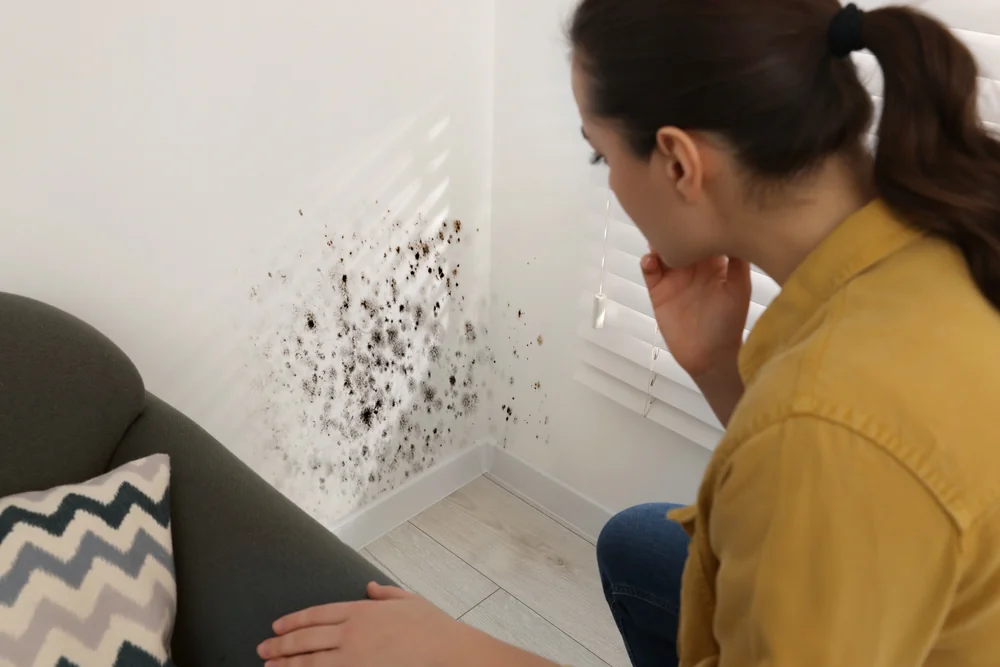
You’re noticing symptoms. Maybe it’s a persistent cough that won’t quit, allergy-like reactions that seem worse at home, or that musty smell you can’t quite locate. You’ve opened windows, changed filters, cleaned everything twice—but something still feels off.
A home air quality test gives you actual data instead of guesswork. Our indoor air quality assessment uses laboratory analysis to identify exactly what’s in your air and at what concentration levels. You’ll know if mold spores are elevated, which species are present, and whether they pose health risks to your family.
Most homeowners in Somerton who call us have been dealing with symptoms for weeks or months. They’ve tried DIY solutions that didn’t work because they were treating the wrong problem. Professional air quality testing stops that cycle. You get a clear report that shows what’s happening, where it’s coming from, and what needs to happen next.
Early detection matters. Undetected mold can reduce your home’s value by 20-37% and lead to remediation costs between $3,000 and $20,000 if problems spread. A mold air test now costs a fraction of what you’ll spend if contamination goes unnoticed for another year.
Mack’s Mold Removal has been conducting residential air quality testing across Bucks County for years. Our certified inspectors know Somerton’s housing stock—the older homes near Bustleton Avenue with basement moisture issues, the split-levels that trap humidity in lower levels, the row homes where shared walls can hide water intrusion.
We use the same equipment and protocols regardless of your home’s age or size. Infrared cameras detect temperature variations that indicate moisture problems. Digital moisture meters measure humidity levels in walls, floors, and ceilings. Air sampling equipment collects spore counts that get analyzed by independent laboratories.
You’re not getting a sales pitch disguised as an inspection. Our job is to collect accurate samples and give you honest information about what the lab finds. If your air quality is fine, we’ll tell you. If there’s a problem, you’ll get specific data about what needs attention and why.

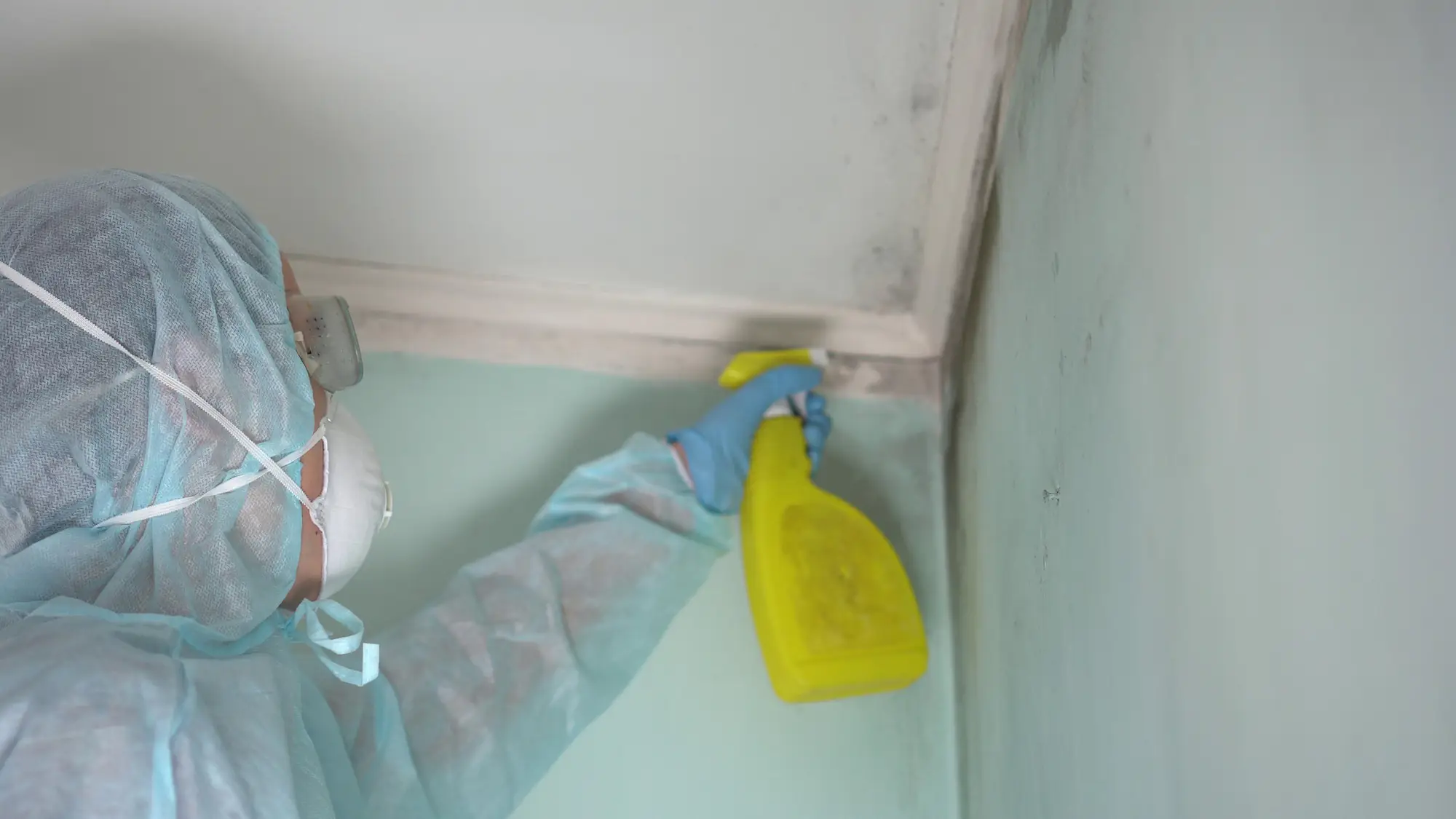
The inspection starts with a visual assessment of your entire property. We’re looking for water stains, discoloration, warped materials, condensation patterns, and any visible mold growth. We check basements, crawl spaces, attics, bathrooms, kitchens, and areas around windows and doors—anywhere moisture tends to accumulate in Somerton’s humid climate.
Next comes moisture mapping. We use meters to measure humidity levels throughout your home, identifying areas where elevated moisture could be supporting mold growth. High readings don’t always mean you have mold, but they tell us where to focus our sampling efforts.
Air sampling is where we collect the data that matters most. We take samples from multiple locations inside your home and compare them to outdoor baseline levels. This comparison shows whether your indoor air has elevated spore counts and which mold species are present. Even hidden mold releases spores into the air, so this method detects problems you can’t see behind walls or under flooring.
The samples go to an independent laboratory for analysis. Results typically take 3-7 business days. You’ll receive a detailed report that includes lab findings, photographs from the inspection, moisture readings from each area we tested, and our interpretation of what the data means for your specific situation.

Ready to get started?
Every residential air quality testing appointment includes a thorough visual inspection of accessible areas in your home. We document conditions with photographs, note any visible mold or moisture damage, and identify potential sources of water intrusion.
You get professional air sampling from multiple locations. We collect samples from areas where you’ve noticed symptoms or odors, plus baseline samples from other rooms for comparison. Outdoor samples establish what normal spore counts look like in Somerton on the day of testing.
The laboratory analysis identifies specific mold species and their concentration levels. This isn’t a simple pass/fail test. You’ll see exactly which molds are present, whether they’re common outdoor varieties that drifted inside or species that indicate active indoor growth, and how their concentrations compare to typical outdoor levels.
Moisture readings throughout your home show where humidity levels are elevated. In Somerton, we pay particular attention to basements and crawl spaces where Bucks County’s climate creates conditions for mold growth. These readings help identify problem areas even when mold isn’t visible yet.
Your report includes our professional interpretation and recommendations. We explain what the lab results mean in plain language, identify likely sources based on moisture readings and visual findings, and outline what steps make sense for your specific situation. Many homeowners use these reports for insurance claims or real estate transactions, so we make sure the documentation is thorough and clear.
You need professional testing if you’re experiencing health symptoms that improve when you leave home. Persistent coughing, wheezing, congestion, headaches, or allergy-like reactions that seem worse indoors often indicate air quality problems.
Musty odors are another clear sign. If you smell something but can’t locate the source, mold is likely growing somewhere hidden. Air sampling detects spores even when you can’t see the colony producing them.
Recent water damage—from leaks, floods, or plumbing issues—should trigger testing even if you don’t notice symptoms yet. Mold can start growing within 24-48 hours of water exposure. Testing confirms whether remediation was complete or if moisture is still supporting growth behind walls or under flooring.
If you’re buying or selling a home in Somerton, testing provides documentation of air quality conditions. Many buyers request mold inspections before closing, and sellers benefit from knowing about problems before they derail a sale.
Visual inspections identify mold you can see and conditions that support mold growth. We examine surfaces, check for water damage, measure moisture levels, and document visible contamination. This approach works well when mold is obvious and accessible.
Air testing detects mold you can’t see. Spores become airborne from hidden colonies behind drywall, under flooring, inside HVAC systems, or in wall cavities. Sampling captures these spores and laboratory analysis identifies which species are present and their concentration levels.
Most comprehensive assessments include both methods. The visual inspection finds obvious problems and moisture sources. Air sampling reveals hidden contamination and confirms whether visible mold has released significant spore counts into your breathing space.
You might only need air testing if you have symptoms but no visible mold. You might only need a visual inspection if you have obvious growth in a small area. But when homeowners in Somerton call us with health concerns and no clear source, we recommend both approaches to get complete information about what’s happening in their home.
DIY kits can’t provide the analysis you need to make informed decisions. Most settle-plate tests just confirm that mold spores exist in your air—which is true in every home. They don’t identify species, measure concentration levels, or compare indoor counts to outdoor baselines.
Professional testing uses calibrated air sampling equipment that collects specific volumes of air over controlled time periods. This precision matters because concentration levels determine whether you have a problem. Finding 100 spores per cubic meter is very different from finding 10,000, but DIY kits can’t measure that difference.
Laboratory analysis identifies specific mold species. Some molds are harmless outdoor varieties that drift inside through open windows. Others indicate active indoor growth from moisture problems. Species like Stachybotrys require different responses than common Cladosporium. You need to know what you’re dealing with, not just that “mold is present.”
Our testing also includes professional interpretation. Lab results show numbers and species names, but understanding what those results mean for your specific situation requires experience. We’ve tested hundreds of Somerton homes and can tell you whether your results indicate a minor issue or a serious problem that needs immediate attention.
Air testing is specifically designed to detect hidden mold. When mold grows behind drywall, under flooring, or inside wall cavities, it releases spores into the air. Our sampling equipment captures those spores even when you can’t access the colony producing them.
Elevated indoor spore counts compared to outdoor levels indicate hidden growth somewhere in your home. The laboratory analysis shows which species are present, and certain molds only grow indoors on specific materials. Finding high concentrations of these species confirms active indoor contamination even when visual inspection doesn’t reveal the source.
We combine air sampling with moisture mapping to narrow down likely locations. If your air test shows elevated Stachybotrys counts and our moisture meter detects high humidity levels in your basement walls, we know where to focus further investigation. Infrared cameras can then reveal temperature variations that indicate water intrusion behind those walls.
Air testing won’t tell you the exact location of hidden mold, but it confirms whether hidden contamination exists and provides data to guide targeted investigation. This approach is far more effective than cutting into walls randomly hoping to find the source of that musty smell you’ve been noticing.
Laboratory analysis typically takes 3-7 business days from the time we collect samples. The lab needs time to culture samples, identify species under microscopy, and count spore concentrations. Rushing this process reduces accuracy, so we use laboratories that prioritize thoroughness over speed.
You’ll receive a comprehensive written report that includes all lab findings, photographs from the visual inspection, moisture readings from each tested area, and our professional interpretation of what the data means. The report explains which mold species were found, their concentration levels, how indoor counts compare to outdoor baselines, and what these findings suggest about conditions in your home.
If you need results faster for a real estate transaction or insurance claim, some laboratories offer expedited processing for an additional fee. Rush service can deliver results in 24-48 hours, though this option costs more and isn’t necessary for most residential situations.
The inspection itself takes 1-3 hours depending on your home’s size and the number of areas we’re testing. We can usually schedule appointments within a few days of your call. While waiting for lab results feels long when you’re concerned about your family’s health, accurate analysis requires time. The data you receive will be worth the wait because it gives you clear answers instead of guesswork about your indoor air quality.
Coverage depends on your specific policy and the reason you’re testing. Many insurance policies cover mold inspections and testing when they’re related to a covered water damage event—like a burst pipe, roof leak, or appliance failure. If you filed a claim for water damage, testing to confirm whether mold developed afterward is often covered.
Insurance typically doesn’t cover testing for maintenance issues or long-term moisture problems. If mold grew because of gradual plumbing leaks, poor ventilation, or deferred maintenance, you’ll likely pay out of pocket. Policies exclude damage that results from lack of upkeep.
Review your policy or call your insurance agent before scheduling testing. Ask specifically whether mold inspection and air quality testing are covered under your current situation. If you’re testing because of recent water damage from a covered event, document everything and keep all receipts.
Even when insurance doesn’t cover testing costs, the investment protects you from much larger expenses down the road. Early detection through professional air quality testing saves thousands compared to extensive remediation later. Most Somerton homeowners who test their air quality do so because they want answers about symptoms or concerns—not because insurance will pay for it. The peace of mind and health protection are worth the cost regardless of coverage.
Other Services we provide in Somerton