
Hear from Our Customers
You’re not looking for guesswork. You need to know if there’s mold, where it is, what type, and how serious the problem actually is.
A professional mold inspection gives you lab-certified answers. We check the places standard home inspections miss—behind walls, under flooring, inside HVAC systems. You get a detailed report that tells you what’s growing, why it’s there, and what needs to happen next.
In Village Shires, where 80% of homes were built between 1970 and 1999, aging infrastructure and Pennsylvania’s increasingly humid climate create the exact conditions mold thrives in. The homes here are valuable—median price over $635,000—and protecting that investment means catching problems early. If you’re buying, selling, or just noticing symptoms you can’t explain, a certified inspection removes the uncertainty.
Mack’s Mold Removal operates under Pennsylvania’s mold assessment licensing requirements. That’s not optional—it’s the law, and it exists to protect you from unqualified inspectors making guesses about your property.
We serve homes and businesses throughout Bucks County, including Village Shires, with IICRC-certified technicians and partnerships with EPA-certified labs like InspectorLab. Every sample we collect gets analyzed by professionals who identify the exact species and concentration levels.
Village Shires has a higher-than-average number of retirees and older residents. Health matters here. When you’re spending 30,000 breaths a day in your home, the air quality isn’t something to ignore. We’ve worked with enough local homeowners to know the common trouble spots in homes from this era, and we know what buyers and sellers are dealing with in this competitive real estate market.
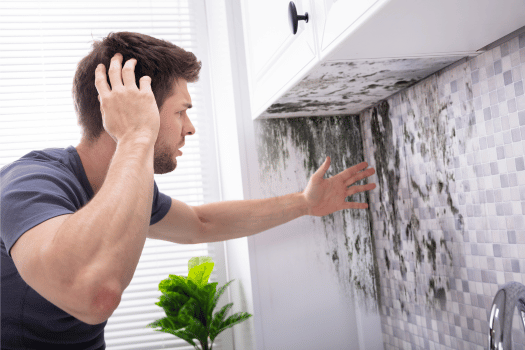
First, we walk the property and look for visible signs—water stains, discoloration, musty odors, areas with known moisture issues. But visible mold is only part of the story.
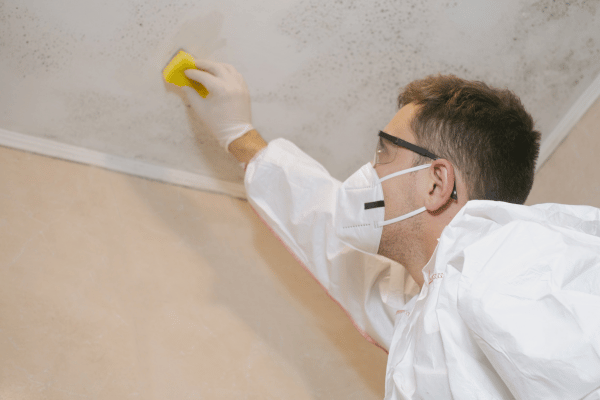
Next, we test the areas you can’t see. That includes air sampling to measure spore levels and surface sampling in concealed spaces like wall cavities, attic insulation, and ductwork. We use moisture meters and thermal imaging when needed to find hidden water intrusion that hasn’t shown itself yet.
All samples go to a certified lab for analysis. You’re not getting a visual opinion—you’re getting data on mold type, spore count, and contamination levels. The lab report comes back in a few days, and we walk you through what it means in plain terms.
Finally, you get a written report with our findings and recommendations. If remediation is needed, we’ll tell you what that looks like. If the issue is minor and fixable with better ventilation or a small repair, we’ll tell you that too. The goal is clarity, not upselling.
Ready to get started?
You’re paying for a licensed assessment that meets Pennsylvania’s regulatory standards. That includes a visual inspection of the entire property, moisture mapping, air quality testing, and surface sampling from suspected problem areas.
We test for all mold types, including black mold (Stachybotrys), which gets the most attention but isn’t the only species that causes problems. Aspergillus, Penicillium, Cladosporium—they all show up in Pennsylvania homes, especially in areas with recent increases in precipitation like Bucks County.
The inspection also identifies the moisture source. Mold doesn’t grow without water, so if we find growth, we find where the water is coming from—roof leaks, foundation seepage, condensation, plumbing issues, poor drainage. Fixing mold without fixing the moisture problem is a waste of money.
You’ll receive a comprehensive report with lab results, photos, moisture readings, and a remediation plan if needed. If you’re in a real estate transaction, this documentation is critical for disclosure, negotiation, or insurance claims. In Village Shires’s competitive market where homes sell in about 21 days, having certified test results can make or break a deal.
Cost depends on the size of your home and the scope of testing needed. A standard inspection for a single-family home typically ranges from $300 to $600. Larger homes or properties with multiple suspected areas may cost more.
That price usually includes the visual inspection, air sampling, a few surface samples, and the lab analysis. If you need extensive testing—say, multiple rooms or a full HVAC system evaluation—expect the price to go up accordingly.
Here’s the thing: if you’re buying a $635,000 home in Village Shires, spending $400 to know whether there’s a hidden mold problem is a small insurance policy. Sellers who’ve invested in professional remediation have recovered nearly $20,000 more in resale value, according to industry data. The inspection cost is minor compared to what you’re protecting.
Visible mold is obvious, but most people call us because something feels off and they can’t pinpoint it. Persistent musty odors, especially in basements or bathrooms, are a red flag. So are unexplained health symptoms—headaches, respiratory issues, skin irritation, allergy flare-ups that won’t quit.
Water damage is another trigger. If you’ve had a leak, flooding, or even just chronic condensation, mold is likely growing somewhere. In Village Shires, where many homes have older roofing and plumbing systems, small leaks can go unnoticed for months.
You should also get an inspection if you’re buying or selling a home. Pennsylvania law requires sellers to disclose known material defects, and mold qualifies. If a buyer finds mold after closing and proves you knew about it, you’re facing a lawsuit plus repair costs. An inspection before listing protects everyone and speeds up the transaction.
Plan on two to three hours for a typical single-family home. We’re not rushing through it—we’re checking attics, crawlspaces, behind appliances, inside ductwork, anywhere moisture or mold could hide.
The actual time depends on the size of your property and how many areas need sampling. A small ranch might take 90 minutes. A larger two-story home with a finished basement could take closer to four hours.
Lab results usually come back within three to five business days. Once we have the data, we’ll schedule a follow-up call or meeting to review the findings and discuss next steps. If you’re under a time crunch—say, you’re in the middle of a real estate transaction—let us know upfront and we’ll prioritize the turnaround.
You can buy a kit at the hardware store, but it won’t give you the full picture. Those kits usually just tell you that mold spores are present, which isn’t useful—mold spores are everywhere. What matters is the type, concentration, and location.
A professional inspection uses calibrated equipment, controlled sampling methods, and certified lab analysis. We’re measuring spore counts in the air, identifying species under a microscope, and comparing indoor levels to outdoor baselines. That’s how you know if you have a problem or just normal background levels.
Pennsylvania also requires a license to conduct professional mold assessments. That licensing exists because improper testing leads to bad decisions—either unnecessary panic or missed problems. If you’re dealing with a real estate transaction, insurance claim, or health concern, a DIY kit won’t hold up. You need certified documentation from a licensed inspector.
Inspection is the diagnostic phase. We find the mold, identify it, measure it, and tell you what’s causing it. Remediation is the fix—actually removing the mold and repairing the damage.
In Pennsylvania, these are separate services, and that’s intentional. The person testing for mold shouldn’t be the same person selling you the cleanup, because that creates a conflict of interest. We inspect and test. If remediation is needed, we’ll recommend next steps, but we’re not inflating the problem to upsell you on services.
Some companies do both, which isn’t illegal, but it raises questions about objectivity. Our job is to give you accurate information so you can make an informed decision. If the mold issue is minor—maybe some surface growth in a bathroom that needs better ventilation—we’ll tell you that. If it’s serious and requires professional remediation, we’ll tell you that too, with documentation to back it up.
Sometimes, but not always. A standard home inspection is a visual assessment of the property’s overall condition. Inspectors look for obvious issues—water stains, visible mold, structural problems—but they’re not opening walls or testing air quality.
Mold often hides in places a general inspector won’t access: inside HVAC ducts, behind wallpaper, under flooring, in wall cavities. If there’s no visible sign, it doesn’t get flagged. That’s especially common in older homes like most of Village Shires, where cosmetic updates can cover underlying moisture problems.
A dedicated mold inspection uses specialized tools and testing methods that go deeper. If you’re buying a home built in the 1970s through 1990s, or if the property has a history of water issues, a separate mold inspection is worth it. The general home inspection gives you the big picture. The mold inspection zooms in on a specific risk that could cost you thousands down the road.
Other Services we provide in Village Shires