
Hear from Our Customers
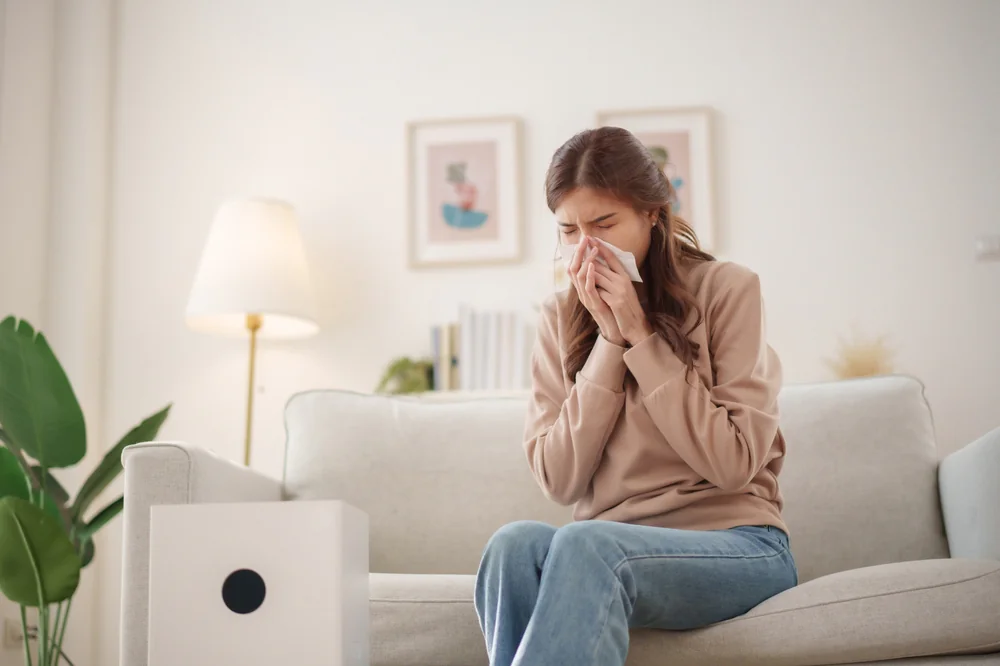
You don’t think about your air until someone starts coughing at night. Or allergies that never quite go away. Or that musty smell you can’t pin down.
Indoor air is typically 2-5 times more contaminated than outdoor air. Mold spores, VOCs, allergens, dust—they’re circulating through your home right now. Some of it you can see. Most of it you can’t.
A home air quality test gives you actual data. Not guesses. Not assumptions based on how the basement smells. Real lab results that show what’s in your air and at what levels.
That’s what lets you make informed decisions. Whether you’re buying a home in Village Shires, dealing with unexplained health symptoms, or just want to know what your family is breathing—testing removes the uncertainty. And in Bucks County, where homes range from brand new builds to century-old structures, that uncertainty can hide expensive problems.
We serve Village Shires and the surrounding Bucks County area with EPA-compliant testing methods and professional laboratory analysis. We’re not selling you a kit from the hardware store.
Our residential air quality testing covers what matters: mold spores, moisture levels, airborne particles, and contaminants that affect your health. We’ve worked with enough homes in this area to know what to look for—and where problems typically hide in Pennsylvania’s diverse housing stock.
You get a callback within 24-48 hours of requesting a quote. Testing happens fast. Results come with clear explanations and next steps, not jargon you need a biology degree to understand.
First, we talk. You tell us what’s going on—symptoms, concerns, areas of the home that worry you. That shapes where we test and what we test for.
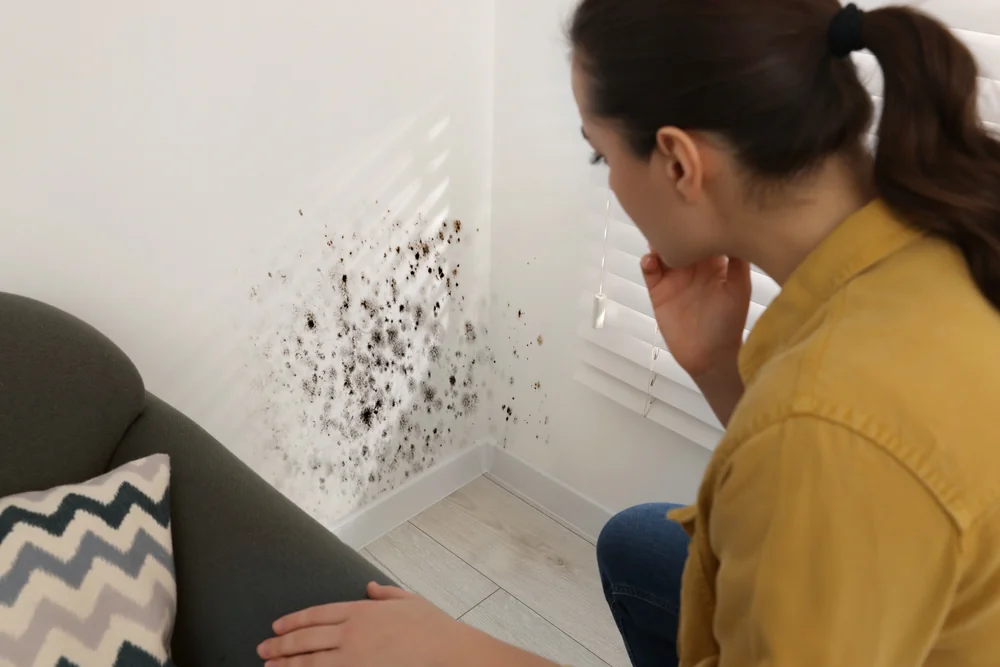
Then we collect samples. Air sampling captures airborne mold spores and particles. Surface testing checks specific areas where you’ve seen discoloration or suspect growth. We also measure humidity levels since moisture drives most air quality problems in Pennsylvania homes.
Samples go to an accredited lab. They analyze what’s present and at what concentration. You get a detailed report that breaks down the findings in plain language.
Finally, we walk you through the results. If there’s a problem, we explain what it means and what your options are. If your air quality is fine, you have documentation and peace of mind. Either way, you know exactly where you stand.
Ready to get started?
A professional air quality test isn’t just a mold air test. It’s a complete assessment of what’s affecting your indoor environment.
We test for mold species and spore counts—critical in Village Shires where Bucks County’s wet climate and aging homes create ideal conditions for growth. We measure airborne allergens like dust, pet dander, and pollen that accumulate in HVAC systems. We check for volatile organic compounds (VOCs) from cleaning products, building materials, and off-gassing.
Pennsylvania has one of the worst radon problems in the country. Forty percent of homes here test above EPA action levels. If radon testing makes sense for your situation, we can include it.
You also get humidity and moisture readings. High moisture is the root cause of most air quality issues. Knowing where moisture is elevated tells you where problems will develop if they haven’t already.
Everything is documented in a report you can share with real estate agents, contractors, or insurance companies. It’s the kind of documentation that protects property value and gives buyers confidence during transactions.
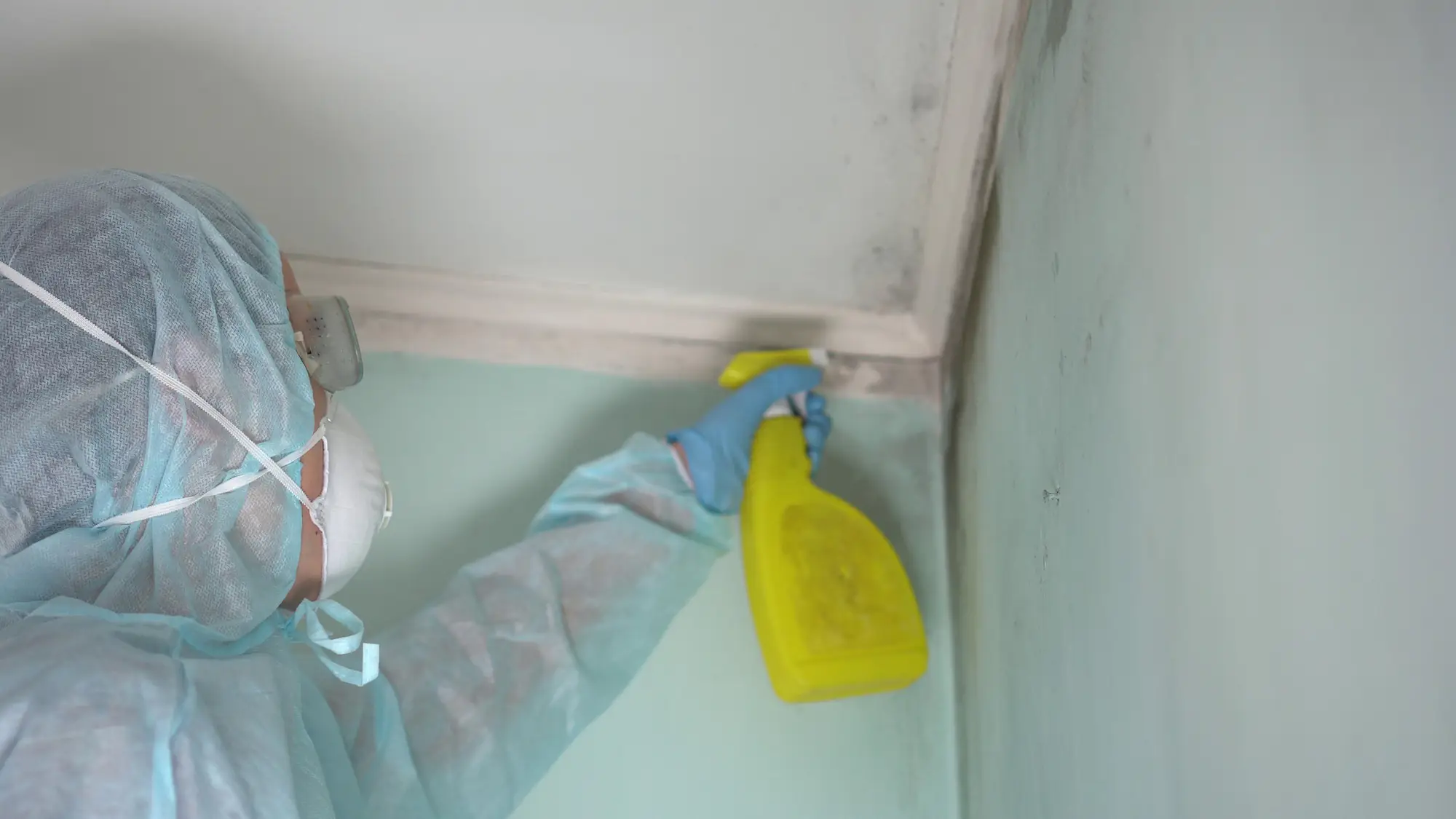
Cost depends on what you’re testing for and the size of your home. A basic mold air test with lab analysis typically runs a few hundred dollars. More comprehensive testing that includes multiple contaminants, several rooms, or additional services like radon testing will cost more.
Here’s what affects price: square footage, number of sample locations, types of tests requested, and whether you need surface testing in addition to air sampling. A 1,500 square foot home with standard air quality concerns costs less than a 3,000 square foot property with suspected mold in multiple areas.
Most homeowners in Bucks County spend between $300-$600 for professional air quality testing. That’s a fraction of what you’d pay for remediation if a problem goes undetected. It’s also far less than the negotiating power you lose in a real estate deal when you don’t have testing data.
We provide quotes after understanding your specific situation. No surprises, no upselling tests you don’t need.
An indoor air quality test identifies and measures contaminants circulating through your home. Mold spores are the big one—both the type of mold and the concentration. Some molds are relatively harmless. Others produce mycotoxins that cause serious health problems.
You’ll also see results for common allergens: dust mites, pollen, pet dander, and other particles that trigger respiratory issues. VOC testing reveals chemicals from paints, cleaners, furniture, and building materials that off-gas into your air.
Depending on the scope of testing, you might also get data on bacteria, radon levels, carbon monoxide, and humidity readings. Humidity matters because anything above 60% creates conditions for mold growth. Anything below 30% dries out respiratory systems and makes you more susceptible to illness.
The lab report breaks down each contaminant, shows measured levels, and compares them to acceptable ranges. That’s how you know if what’s in your air is normal or if it’s a problem that needs addressing.
The actual testing appointment usually takes 1-2 hours depending on your home’s size and how many areas we’re sampling. We’re not rushing through it. Proper sample collection requires time and attention to detail.
Lab analysis takes 3-5 business days in most cases. Some tests come back faster, others take a bit longer if the lab is running specialized analysis. We don’t control lab turnaround time, but we do use accredited facilities that prioritize accuracy over speed.
Once results are in, we schedule a time to review them with you. That conversation typically takes 30-45 minutes. We want you to understand what the numbers mean and what your options are.
From the day we collect samples to the day you have a complete report and consultation, expect about a week. If you’re working within a real estate transaction timeline, let us know upfront. We can often expedite processing when timing is critical.
Yes. Air quality testing should be part of your due diligence, just like the roof inspection and foundation check. You’re about to invest hundreds of thousands of dollars. Knowing what you’ll be breathing matters.
Bucks County has incredibly diverse housing stock. Many homes are over 100 years old, built before modern building codes. Pennsylvania’s wet, four-season climate means water intrusion, foundation issues, and mold growth are common. You can’t see mold behind walls or in HVAC systems during a walkthrough.
Testing reveals problems before you close. If results show elevated mold, moisture issues, or air quality concerns, you have negotiating power. Sellers can address it, reduce the price, or you can walk away. Discovering these problems after moving in costs more—both financially and in terms of your family’s health exposure.
A recent survey found 85% of young buyers felt pressured to skip inspections just to afford a home. That’s a mistake. A home inspection and air quality test are a tiny fraction of your total closing costs, and the ROI is massive when they uncover issues that would have cost you thousands later.
You can, but you won’t get the same accuracy or actionable information. Store-bought kits have limitations. They often test for limited contaminants, use less sensitive collection methods, and provide vague results that don’t tell you much about actual risk levels.
Professional air quality testing uses calibrated equipment and follows EPA-compliant protocols. We know where to sample, how long to run air pumps, and which tests make sense for your specific concerns. Samples go to accredited labs with trained technicians analyzing them.
The bigger issue is interpretation. A DIY kit might tell you mold is present. It won’t tell you what species, at what concentration, or whether that level is actually problematic. It won’t explain why it’s there or what needs to happen next.
If you’re making decisions about your family’s health, a real estate transaction, or potential remediation work, you need reliable data. Professional testing costs more upfront but gives you information you can actually use. That’s worth the difference.
Every 3-5 years is a good baseline for most homes, especially if anyone in your household deals with allergies or respiratory issues. Air quality changes over time due to seasonal weather, renovations, new furniture, changes in how you use the space, and normal aging of building materials.
Test sooner if you notice new symptoms. Persistent coughing, unexplained allergies, headaches, or fatigue that improves when you leave the house—those are red flags. Same with visible mold, water damage from leaks or flooding, or musty odors you can’t locate.
You should also test after any significant water event. A burst pipe, roof leak, or basement flooding introduces moisture that creates mold growth within 24-48 hours. Even if you dried everything out, testing confirms whether spores are circulating.
For homes in Village Shires and Bucks County, where humidity and older construction are factors, staying on top of air quality prevents small issues from becoming expensive problems. Testing isn’t just reactive—it’s maintenance that protects your investment and your health.
Other Services we provide in Village Shires