

Hear from Our Customers
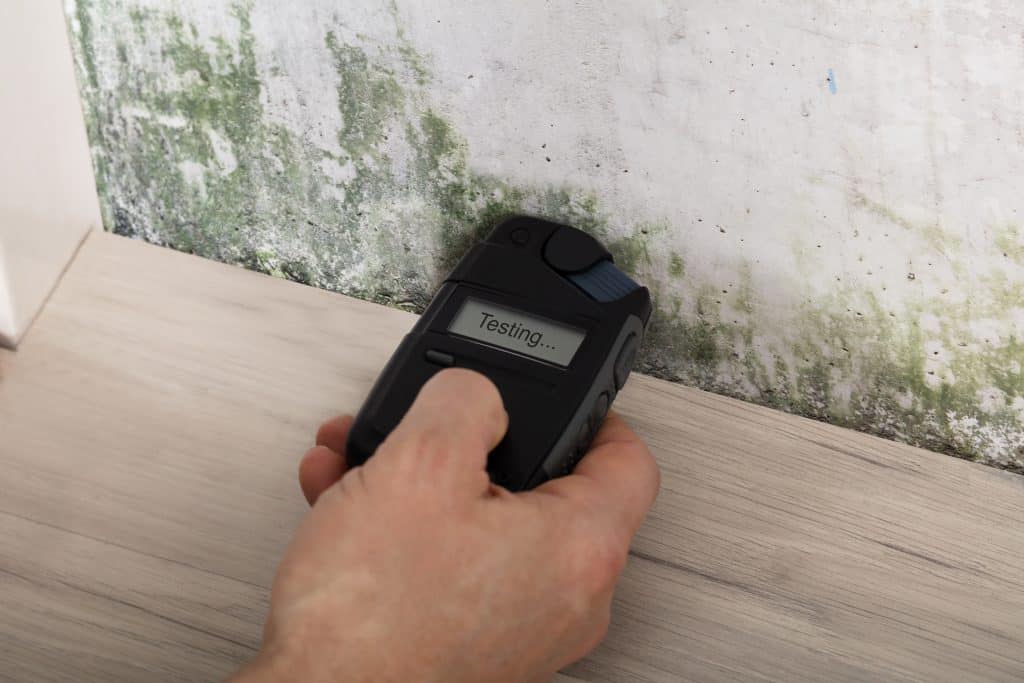
You’ll breathe easier. That musty smell in your basement? Gone. The black spots creeping up your walls? Removed completely, along with the moisture problem feeding them.
Your kids can play downstairs without you worrying. You’re not constantly checking corners or running a dehumidifier that barely keeps up. The air quality improves, allergy symptoms drop off, and you stop wondering if that cough is from the house.
We don’t just clean mold. We identify why it grew, eliminate the source, and restore the affected areas using EPA-approved methods. That means you’re not calling someone else in six months because it came back. You’re done with it.
We serve Village Shires and the surrounding Bucks County area with one focus: getting mold out and keeping it out. We’ve worked in enough Pennsylvania homes to know that basements here don’t just get damp—they stay damp, especially in spring and summer when humidity climbs and ventilation can’t keep up.
Clay-heavy soil, older construction, and seasonal groundwater shifts make this region a hotspot for mold growth. We’ve seen it all: finished basements with hidden mold behind drywall, crawl spaces with standing water, and HVAC systems spreading spores through the whole house.
We’re not a franchise following a script. We’re local, we’re certified, and we find the root cause—not just the symptoms.

First, we inspect your property—thoroughly. That means basements, crawl spaces, attics, behind walls if needed, and anywhere moisture tends to hide. We’re looking for active mold growth and the conditions that caused it. We test to identify mold types and measure humidity levels.
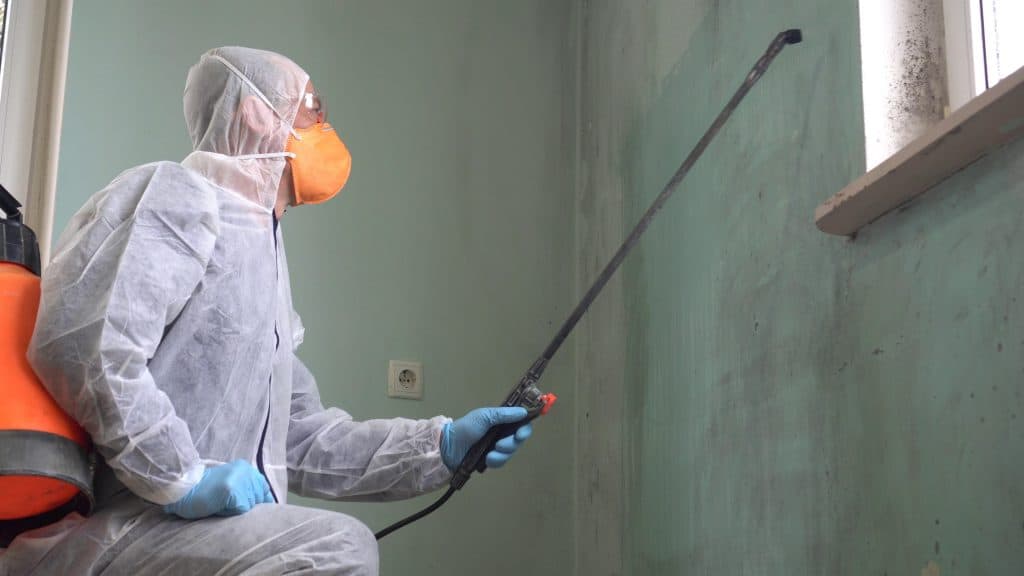
Next, we contain the area to prevent spores from spreading during removal. We use negative air pressure and physical barriers to isolate the workspace. Then we remove contaminated materials—drywall, insulation, flooring, whatever can’t be salvaged—and clean everything else with HEPA filtration and antimicrobial treatments.
After removal, we address the moisture source. That could mean fixing a leak, improving drainage, sealing foundation cracks, or upgrading ventilation. If we don’t fix what caused the mold, you’ll be dealing with it again.
Finally, we restore the space. Depending on what was removed, that might involve replacing drywall, repainting, or reinstalling flooring. You get your home back—cleaner, drier, and healthier than before.
Ready to get started?
You get a free inspection with no obligation. We assess the full scope of the problem, explain what we find, and give you upfront pricing before any work starts. No surprises, no upselling.
Our mold cleaning services cover everything from small bathroom mold to full basement remediation. We handle black mold removal, which can be especially concerning for families with young children or anyone with respiratory issues. Black mold exposure has been linked to chronic breathing problems and worsened asthma—removing it can reduce symptoms by 25% to 45% according to recent studies.
In Bucks County, basement mold is the most common issue we see. Pennsylvania’s clay soil holds water, older homes weren’t built with modern moisture barriers, and humidity regularly hits 60% or higher in lower levels during warmer months. That’s the perfect environment for mold to thrive.
We use EPA-compliant methods and IICRC-certified techniques. We also work directly with your insurance company if your mold issue is related to water damage or a covered event. Our goal is to make the process as straightforward as possible while delivering results that last.
Most homeowners in Bucks County pay between $1,200 and $3,400 for professional mold removal. Small, isolated problems—like mold in a bathroom or closet—typically run $500 to $1,500. Larger infestations, especially in basements or crawl spaces, can reach $5,000 or more depending on the extent of damage and what needs to be replaced.
The cost depends on the size of the affected area, the type of mold, how deep it’s spread, and whether structural materials need removal. If your floor joists are rotted or insulation is soaked, that adds to the scope. We provide a detailed estimate after the inspection so you know exactly what you’re paying for and why.
If your mold problem is tied to a recent water event—like a burst pipe or storm damage—your homeowner’s insurance may cover part or all of the remediation. We help with documentation and work directly with your insurance company to simplify the claims process.
A typical mold removal job takes anywhere from one to five days, depending on the size and severity of the problem. A small area like a bathroom might be done in a day. A full basement with structural damage could take a week or more, especially if we’re replacing drywall, insulation, or flooring.
The timeline also depends on drying time. After we remove the mold and treat the area, we need to make sure everything is completely dry before we close it back up. If we rush that step, moisture gets trapped and mold comes back. We use dehumidifiers and air movers to speed up the process without cutting corners.
We’ll give you a clear timeline during the estimate. If something changes—like discovering mold behind a wall we didn’t originally plan to open—we’ll let you know right away and explain how it affects the schedule. You’re never left guessing where we are in the process.
If it’s a very small area—less than 10 square feet, surface-level only, and you know exactly what caused it—you might be able to handle it yourself with the right protective gear and cleaning products. But most mold problems are bigger than they look, and DIY attempts often make things worse.
Mold spreads through spores. If you disturb it without proper containment, you’re sending those spores into your HVAC system and throughout your home. You also need to know what type of mold you’re dealing with. Black mold requires different handling than surface mildew, and misidentifying it puts your health at risk.
Professional mold removal uses containment barriers, HEPA filtration, negative air pressure, and antimicrobial treatments that aren’t available at the hardware store. More importantly, we find and fix the moisture source. Scrubbing mold off a wall doesn’t stop it from coming back if the underlying problem is still there. Pennsylvania has no state licensing requirements for mold remediation, which means anyone can claim they do it—so hiring a certified, experienced company matters.
Basements in Bucks County deal with a perfect storm of mold-friendly conditions. The soil here is clay-heavy, which means it doesn’t drain well. Water sits around your foundation, seeps through cracks, and raises humidity levels inside. Add in older home construction—many houses in this area were built before modern waterproofing standards—and you’ve got chronic moisture problems.
Humidity is the main driver. Mold needs moisture to survive, and once your basement hits 60% relative humidity or higher, mold will grow. That threshold is easy to reach in Pennsylvania, especially during spring and summer when temperatures rise and ventilation is poor. Condensation on cold pipes, minor foundation leaks, and even just damp air trapped in an unfinished basement can all trigger growth.
Flooding and water damage accelerate the timeline. If materials stay wet for more than 24 to 48 hours, mold spores start germinating. Once that window closes, you’re dealing with an active infestation. The longer it sits, the deeper it spreads—into insulation, wood framing, and behind finished walls where you can’t see it.
Not if the job is done right. Mold comes back when the moisture source isn’t addressed. If we remove the mold but leave a leaking pipe, poor drainage, or high humidity, you’ll see growth again within months.
That’s why our process focuses on the root cause. We don’t just clean what’s visible—we identify why it grew in the first place and fix that problem. That might mean sealing foundation cracks, rerouting downspouts, installing a sump pump, upgrading ventilation, or replacing damaged materials that are holding moisture. Every job is different, but the principle is the same: eliminate the conditions mold needs to survive.
We also back our work. We offer warranties—some up to five years—guaranteeing the mold won’t return in the treated area. If it does, we come back and make it right. That’s the difference between a professional mold removal company and a handyman with a spray bottle.
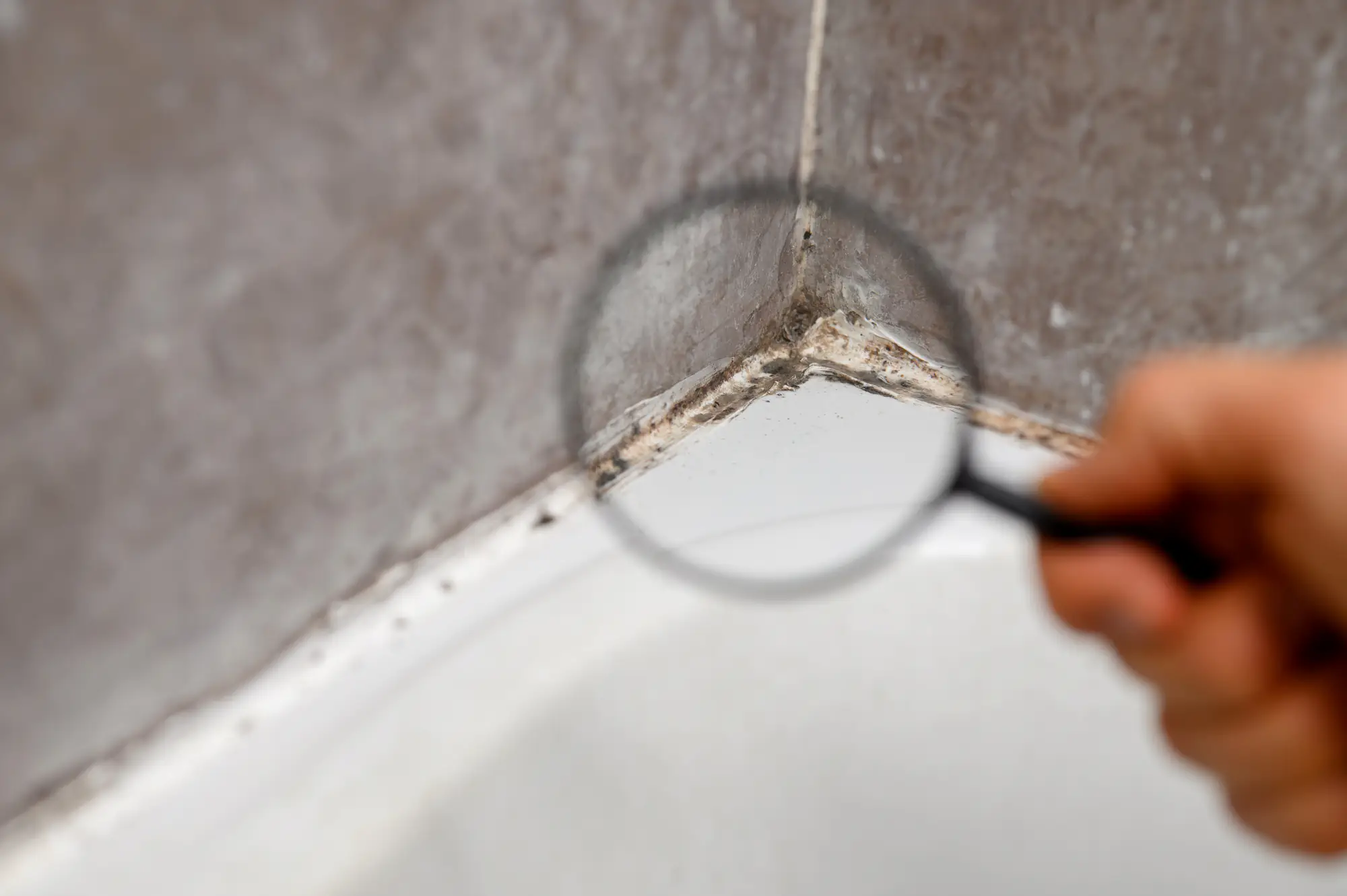
The most obvious sign is visible growth—black, green, or white patches on walls, ceilings, or floors. But mold often hides in places you don’t check regularly: behind drywall, under carpets, in crawl spaces, or inside HVAC ducts.
Smell is another indicator. That musty, earthy odor in your basement or bathroom? That’s mold. If the smell gets stronger when you run the air conditioning or heat, it’s likely spreading through your ventilation system.
Health symptoms can also point to mold exposure. Increased allergy symptoms, persistent coughing, headaches, or respiratory issues that improve when you leave the house are all red flags. Mold contributes to 4.6 million asthma cases annually in the U.S., and homes with mold double the risk of asthma in children.
If you’re not sure, get a professional inspection. We check the areas most prone to mold growth, test air quality and surface samples, and measure humidity levels. The inspection is free, and it gives you a clear answer—along with a plan to fix it if mold is present.
Other Services we provide in Village Shires