
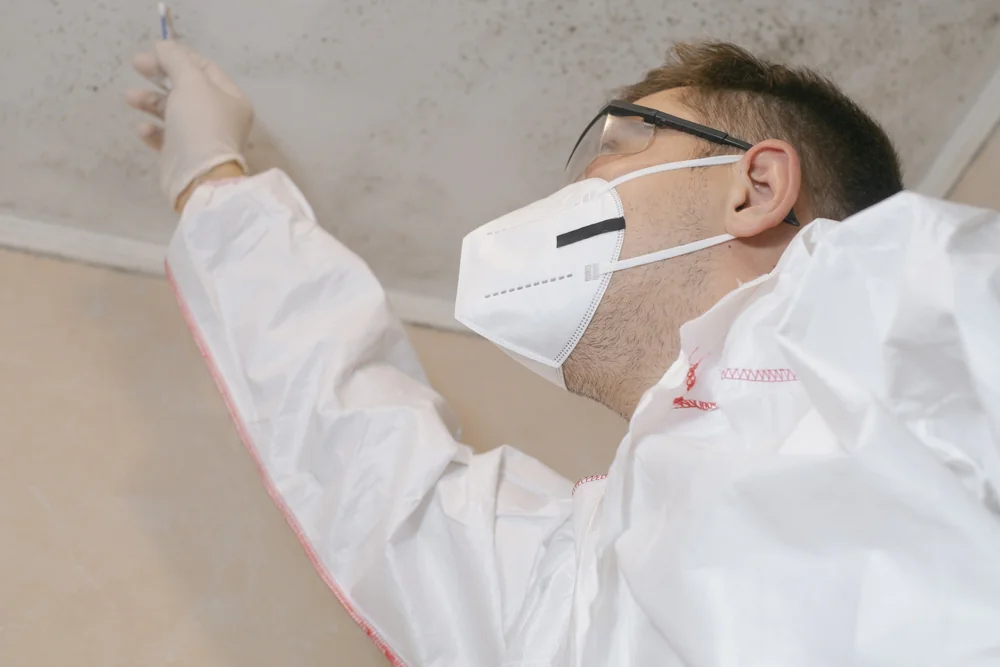
Hear from Our Customers
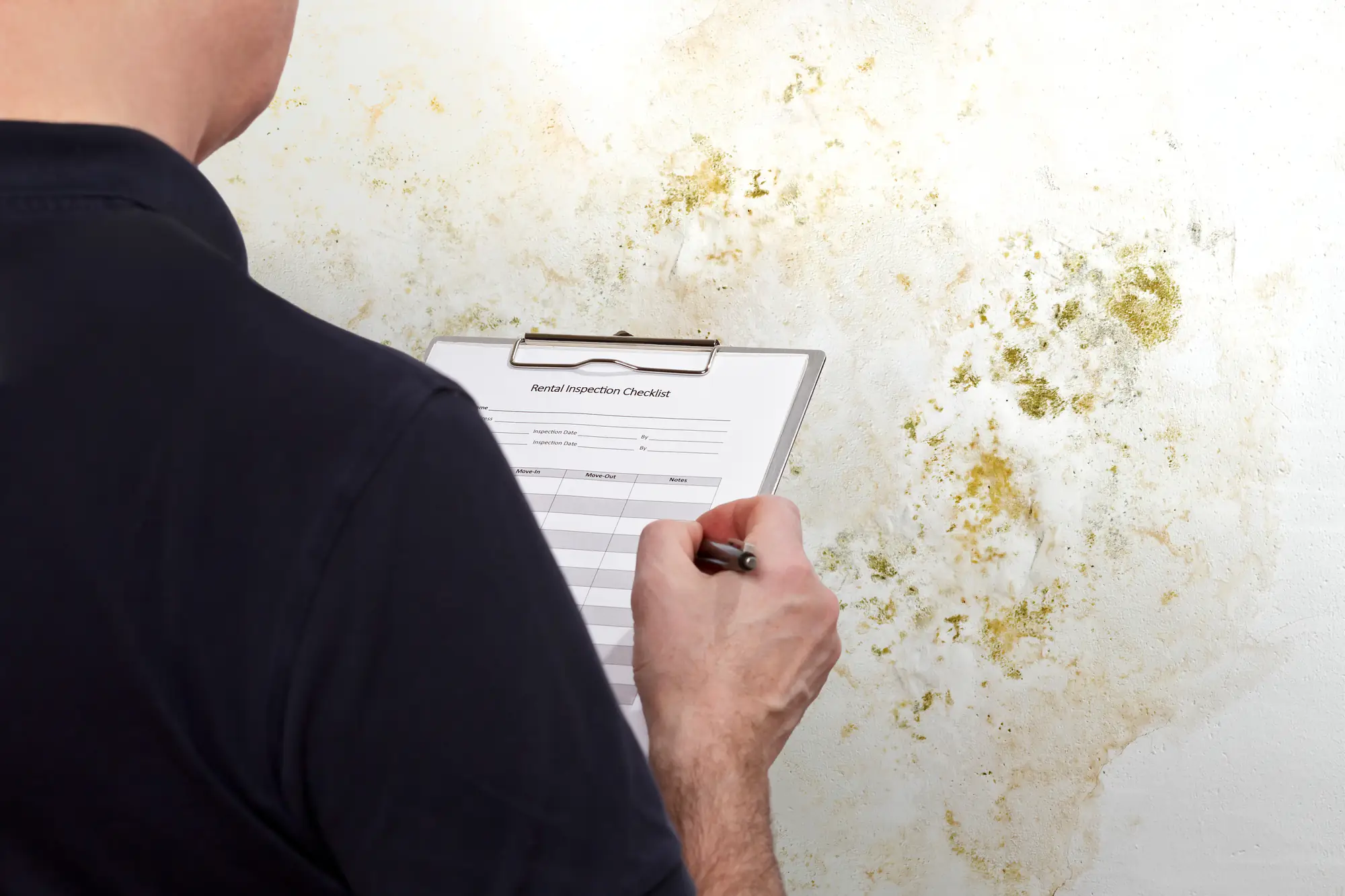
Most mold grows where you can’t see it. Behind walls, under floors, in crawl spaces. By the time you spot it, you’re already looking at serious money to fix it.
A proper mold inspection gives you the full picture. You’ll know if that water leak from last month turned into a mold problem. You’ll know if the house you’re buying has hidden issues that’ll cost you later. You’ll know whether that smell in the basement is just mustiness or something that needs attention now.
Pennsylvania’s humid summers and older building stock make Maple Shade homes especially vulnerable. Precipitation in this area has increased 5-10% in recent years. More moisture means more mold risk. The homes built before modern moisture barriers don’t stand a chance without regular checks.
Here’s what changes after an inspection: you stop wondering. You get documentation for insurance or real estate deals. You catch problems while they’re still small. And if there’s nothing wrong, you get confirmation that your home is safe.
We’ve served Bucks County for over 27 years. We’re IICRC-certified, which means we follow national standards for mold detection and remediation. We’re not new to this, and we’re not learning on your property.
We know Maple Shade homes. We know which basements flood during heavy storms. We know which older homes have poor ventilation. We know where mold hides in properties built in the 60s and 70s versus newer construction.
Every inspection we do is free. You’re not paying to find out if you have a problem. We use moisture meters, thermal imaging, and air quality testing to give you accurate information. Then we explain what we found in plain language, show you the report, and tell you what it’ll cost to fix if there’s an issue.
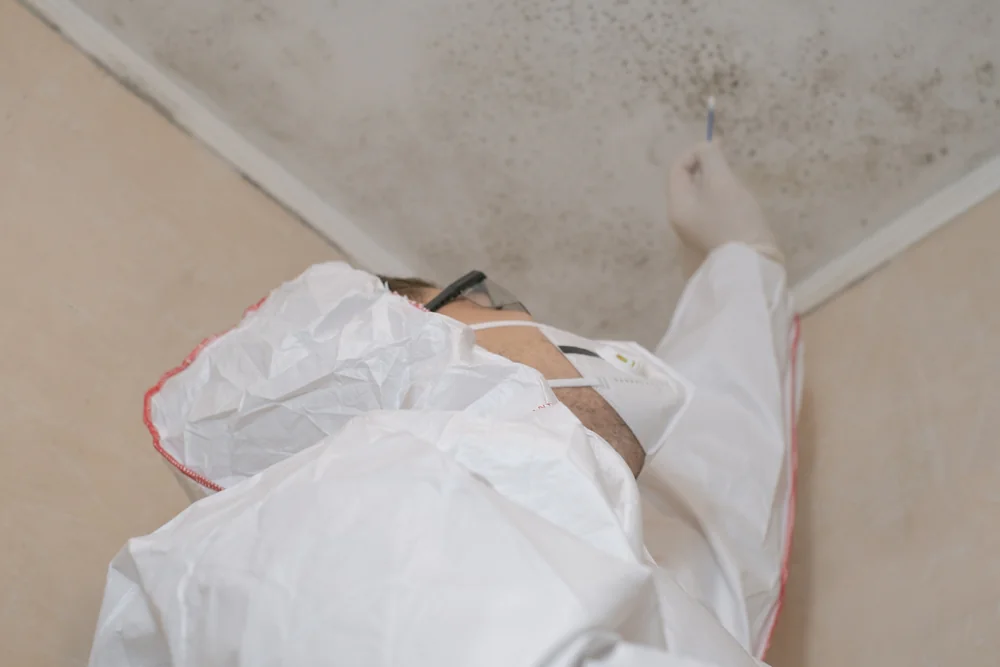
You call us or fill out the form. We schedule your free inspection, usually within 24-48 hours if it’s urgent.
When we arrive, we start with a visual assessment of your entire property. We’re looking at basements, bathrooms, kitchens, attics, crawl spaces—anywhere moisture accumulates. We use moisture meters to measure water content in walls, floors, and ceilings. High readings tell us where mold is likely growing even if we can’t see it yet.
If we find visible mold or high moisture levels, we take air samples. These samples get sent to a lab that identifies the specific type of mold and concentration levels. This matters because some molds are more dangerous than others, and knowing what you’re dealing with determines the right remediation approach.
We also use thermal imaging to spot temperature differences that indicate moisture intrusion. Cold spots often mean water is present behind a surface.
After the inspection, you get a detailed report. It shows exactly where we found issues, what type of mold is present if any, and what’s causing the moisture problem. We explain your options and give you a clear estimate for remediation if needed. No surprises, no pressure.

Ready to get started?
Your inspection covers every area of your home where mold typically grows. We check basements and crawl spaces where humidity stays high. We inspect bathrooms and kitchens where water use is constant. We examine attics where roof leaks and poor ventilation create problems. We look at HVAC systems where condensation and dust create perfect mold conditions.
We use professional-grade moisture detection equipment. Our meters measure moisture content in wood, drywall, concrete, and other building materials. Readings above 16% in wood or 1% in drywall signal mold risk. We also use thermal cameras that show temperature variations indicating hidden moisture.
Air quality testing is included when we find visible mold or high moisture readings. We collect samples from multiple areas and send them to an independent lab. You get results that show mold type, spore count, and comparison to outdoor air quality. This data tells you if your indoor air is safe or if remediation is necessary.
In Maple Shade specifically, we see mold issues most often in older homes with stone foundations, properties near creeks or low-lying areas, and homes that experienced flooding during severe storms. If your home fits any of these categories, regular inspections catch problems before they become expensive.
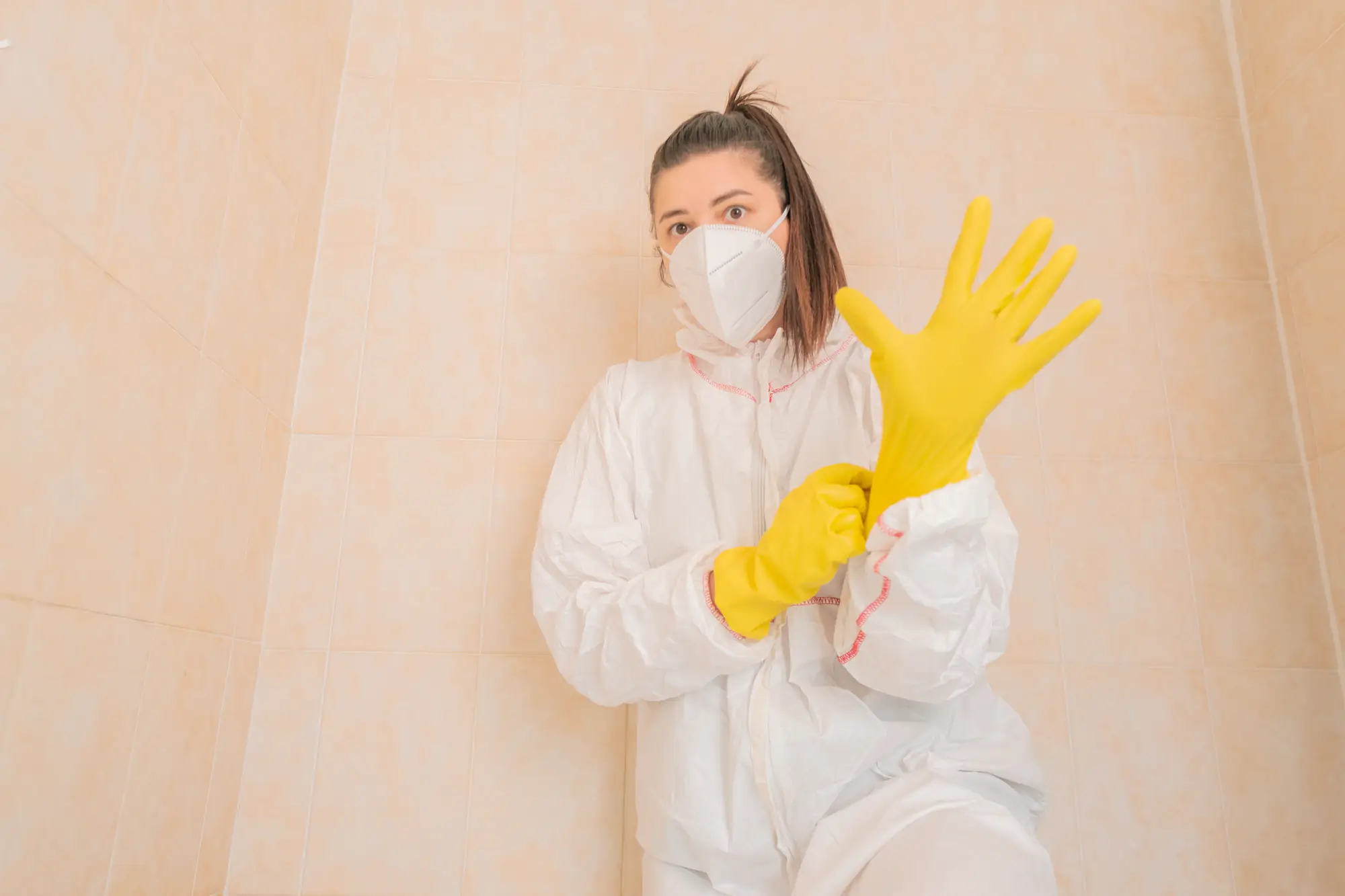
We provide free mold inspections. You’re not paying anything to find out if you have a problem.
Most mold inspection companies in Pennsylvania charge $300-$1,000 depending on home size and testing complexity. We skip that fee because we want you to know what you’re dealing with before spending money. If we find mold and you choose to hire us for remediation, the inspection was free. If we don’t find anything, you spent nothing to get peace of mind.
The only time you might pay separately is if you need extensive lab testing beyond standard air samples—but we’ll tell you that upfront and explain why it’s necessary. No hidden fees.
A mold inspection is the visual assessment and moisture detection we do throughout your property. We’re looking for visible mold, water damage, high humidity, and conditions that support mold growth. This is the foundation of understanding your situation.
Mold testing means taking air or surface samples and sending them to a lab for analysis. Testing identifies the specific mold species present and measures spore concentration in your air. We do testing when we find visible mold or high moisture readings during the inspection.
You need the inspection first. Testing without inspection is like treating symptoms without diagnosing the disease. We need to know where the mold is growing and why before we can tell you how to fix it. The inspection finds the source—usually a moisture problem. Testing confirms what’s growing there. Both together give you the complete picture.
Most home inspections take 1-2 hours depending on your property size and how many areas need detailed examination.
A small home with no visible issues might take an hour. We do a thorough walkthrough, check moisture levels in key areas, and give you our findings. Larger homes or properties with basements, crawl spaces, and attics take longer because there’s more area to cover.
If we find mold or high moisture readings, we’ll spend extra time taking air samples and documenting the affected areas. We’re not rushing through this. You need accurate information, and that takes time.
You’ll get preliminary findings the same day. Lab results from air samples typically come back within 3-5 business days. Once we have those results, we’ll call you to explain what they mean and discuss next steps if remediation is needed.
You can spot obvious mold yourself—the black spots in your shower or the fuzzy growth on basement walls. But that’s not where the real problems usually are.
Mold grows in places you can’t easily access. Inside wall cavities where pipes leaked. Under flooring where water seeped through. In HVAC ducts where condensation accumulates. Behind appliances. In attic insulation. A flashlight and your eyes won’t find these issues.
Professional equipment makes the difference. Our moisture meters detect water content inside materials without tearing them apart. Our thermal cameras show temperature variations that indicate hidden moisture. Our air sampling equipment measures spore counts that tell us if your indoor air quality is compromised even when you can’t see mold.
The other issue is knowing what you’re looking at. Not all mold is dangerous, but some types require immediate attention. Black mold (Stachybotrys) produces toxins that cause serious health problems. Other species are mostly just annoying. Lab testing identifies which type you’re dealing with so you know whether to act urgently or just keep an eye on it.
If you’re buying a home in Maple Shade, get a professional inspection. Sellers aren’t always transparent about past water damage, and you don’t want to discover a $10,000 mold problem after closing.
Moisture. That’s the only thing mold needs to grow. Mold spores are everywhere—in your home right now, floating in the air. They’re harmless until they land on a wet surface. Then they start growing within 24-48 hours.
In Maple Shade specifically, we see mold caused by several common issues. Basement flooding from heavy storms or spring thaw. Roof leaks that go unnoticed until water stains appear on ceilings. Plumbing leaks behind walls or under sinks. Poor ventilation in bathrooms where shower steam never fully dries. HVAC systems that produce condensation without proper drainage. Crawl spaces with dirt floors that release moisture into the home.
Pennsylvania’s climate makes everything worse. Humid summers mean your home’s building materials absorb moisture from the air. Temperature swings cause condensation on cold surfaces. Increased precipitation over the past decade means more water intrusion events.
Older homes in Maple Shade face additional challenges. Many were built before modern moisture barriers and vapor barriers became standard. Stone foundations are porous and let groundwater seep through. Poor grading around the foundation directs rainwater toward the house instead of away from it.
The key is controlling moisture. Fix leaks immediately. Use dehumidifiers in basements. Ensure proper ventilation in bathrooms and kitchens. Keep gutters clean so water doesn’t overflow near your foundation. These steps prevent mold before it starts.
Maybe. It depends on what caused the mold and what your policy says.
Most homeowners insurance covers mold remediation if the mold resulted from a covered peril—like a burst pipe or storm damage. If your washing machine hose breaks and floods your basement, and mold grows as a result, insurance typically covers both the water damage cleanup and mold remediation.
Insurance usually doesn’t cover mold from long-term neglect or maintenance issues. If your roof has been leaking for months and you didn’t fix it, that’s a maintenance problem. If your basement has chronic humidity issues you ignored, that’s not a sudden accident. Insurance companies expect you to maintain your property and address problems promptly.
Many policies have mold coverage limits—often $10,000 or less. If your mold problem costs $20,000 to remediate, you’re paying the difference out of pocket.
Here’s why the inspection matters for insurance: documentation. If you discover water damage and immediately call for an inspection, you’re showing the insurance company you acted quickly. Our inspection report provides evidence of when the problem started and what caused it. That documentation supports your claim.
If you’re buying a home, get an inspection before closing. If the seller knew about mold and didn’t disclose it, you might have legal recourse—but only if you can prove the problem existed before you bought the property. Our inspection gives you that proof.
Other Services we provide in Maple Shade