

Hear from Our Customers

Most homeowners in Maple Shade don’t think about their ductwork until something feels off a musty smell when the heat kicks on, allergy symptoms that won’t quit, or a vague unease after finding mold somewhere else in the house. By the time those signs show up, the problem inside the ducts is usually well past the early stages.
Here’s what changes when you actually address it. The air circulating through your home stops carrying whatever has been growing in those hidden duct runs. The musty smell goes away not because you’ve masked it, but because the source is gone. If you’ve got kids at home, or you work remotely and spend most of your day breathing recirculated air, that matters.
The other piece that matters in Maple Shade is the moisture situation. The area sits in the Delaware River floodplain, and even when there’s no flooding, the water table pushes moisture up through slab foundations year-round. That baseline humidity feeds mold in exactly the places you can’t see inside wall cavities, beneath floors, and along the duct runs that thread through them. Cleaning the ducts without understanding that moisture dynamic is just treating the symptom. We address both.
We’ve been operating in Bucks County for over 15 years, based out of Bensalem just a few miles up Route 13 from Maple Shade. That proximity isn’t just a convenience. It means our team has worked in the same postwar Cape Cods, ranchers, and slab-on-grade homes that make up Maple Shade, and we understand what decades of Delaware River humidity does to a home’s structure and HVAC system.
What separates us from a general duct cleaning company is our mold remediation background. Certified mold inspectors and remediation specialists do this work not HVAC generalists who happen to offer duct cleaning as an add-on. That distinction matters when mold is part of the picture, because disturbing mold inside ductwork without proper containment can spread spores through the entire house. We handle the full problem, not just the surface of it.
Customers consistently mention the same things: upfront quotes that don’t change, a team that communicates throughout the job, and post-cleaning verification that confirms the mold is actually gone not just assumed to be. That last part is rare in this industry, and it’s the kind of thing that makes a real difference when you’re trying to feel confident about the air your family is breathing.
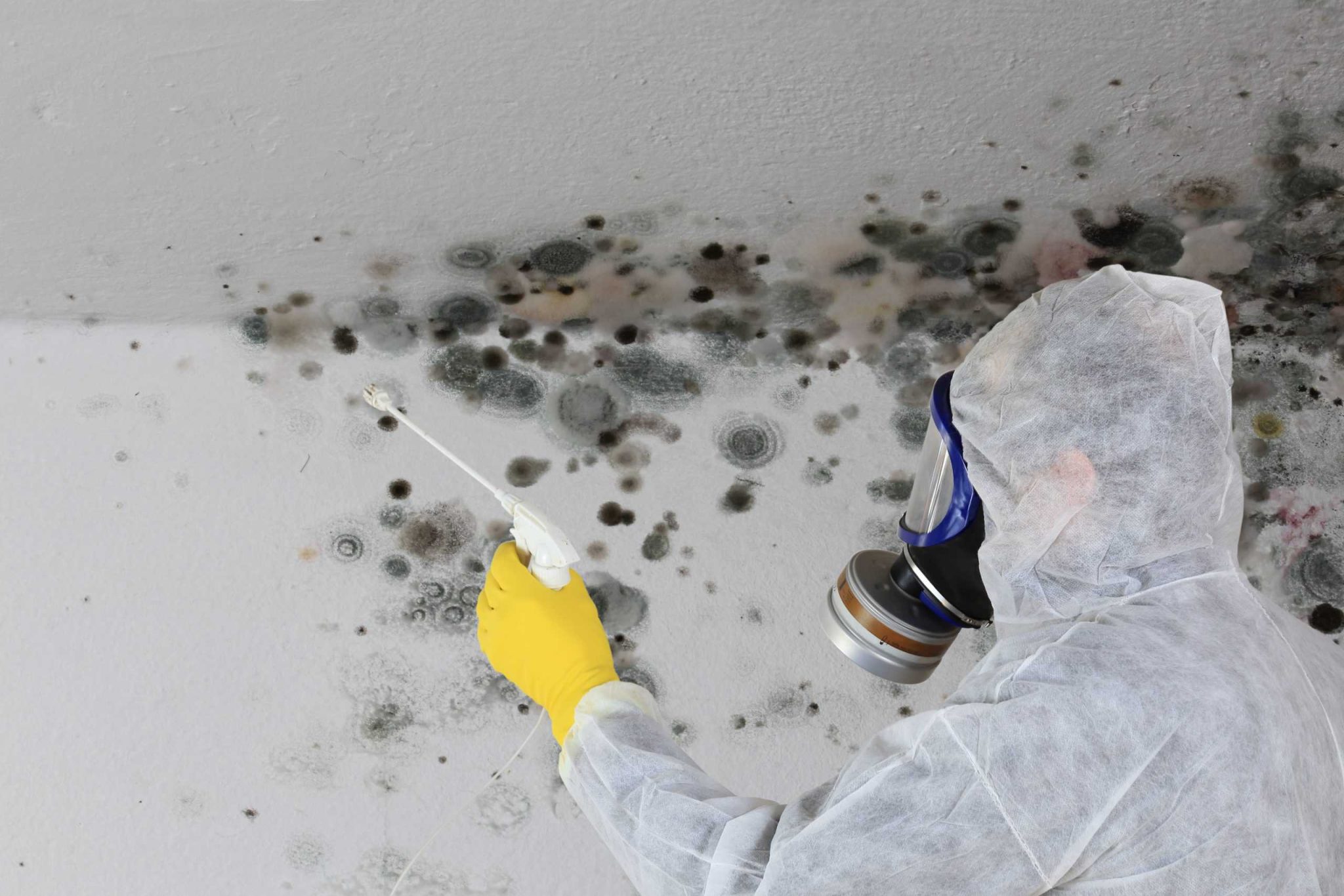
It starts with a free inspection. Before any work is quoted or scheduled, a certified specialist takes a look at your system not just the registers you can see, but the interior duct runs, the connections, and any areas where moisture or biological growth might be present. In a Maple Shade home, that inspection often pays particular attention to the lower sections of the duct system, where slab moisture migration tends to create the conditions mold needs to get established.
Once the inspection is done, you get a clear, upfront quote. That number doesn’t change when the job is finished. If the inspection confirms mold in the ductwork, the process includes proper containment before anything is disturbed this is the step that prevents spores from being pushed into the rest of the house. The actual cleaning uses professional-grade equipment that reaches deep into the duct runs, not just the accessible sections near the vents.
In cases where mold is confirmed, air duct sanitizing follows the mechanical cleaning to address biological contamination that a brush and vacuum alone can’t eliminate. After the work is complete, we test to verify the results. You’re not left taking anyone’s word for it there’s documentation that the mold is gone. For homeowners in Maple Shade who’ve dealt with moisture issues tied to the Delaware River floodplain, that verification step isn’t a formality. It’s the part that actually lets you move on.
Ready to get started?
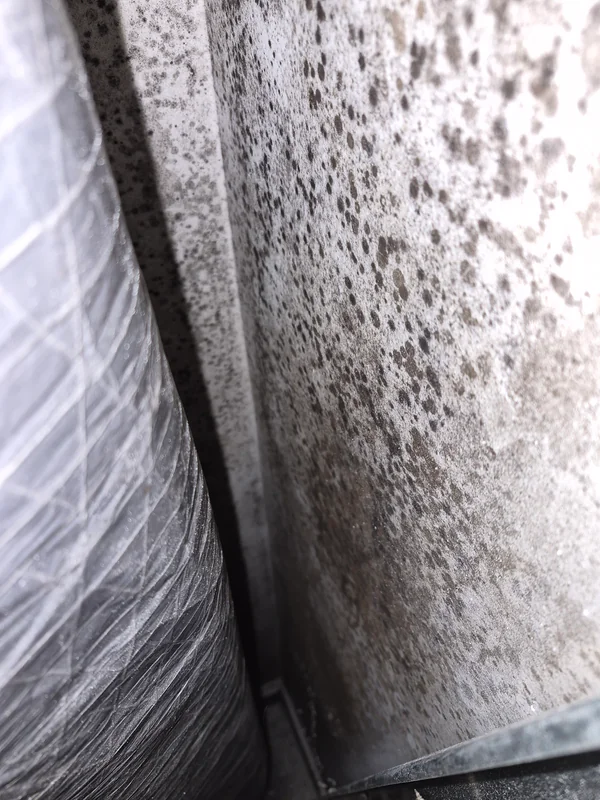
Air duct cleaning through our service isn’t a standalone maintenance task it’s a mold-informed process that accounts for what’s actually happening inside the system. That means the inspection covers the full duct network, including supply and return ducts, not just the registers. In Maple Shade’s aging housing stock, where original sheet metal ductwork from the 1950s and 1960s is still common, those interior sections are often where the real problems are hiding.
When mold is found, the service includes containment, mechanical cleaning, and air duct sanitizing the application of antimicrobial treatment to the duct surfaces after the physical debris has been removed. That sanitizing step is what addresses mold that has colonized the duct walls themselves, not just accumulated in the debris. It’s the difference between a clean-looking duct and one that’s actually clean.
Dryer vent cleaning is also available and worth mentioning for homes in this area. A lot of Maple Shade’s postwar homes have dryer vent configurations that were routed through interior walls in ways that don’t always meet current safety standards. Lint buildup in a long or convoluted vent run is a genuine fire risk the NFPA attributes roughly 15,970 dryer-related house fires per year to failure to clean vents. We handle dryer vent cleaning as part of the same visit when needed, and flexible financing is available for any combination of services so cost doesn’t have to be the reason you put it off.
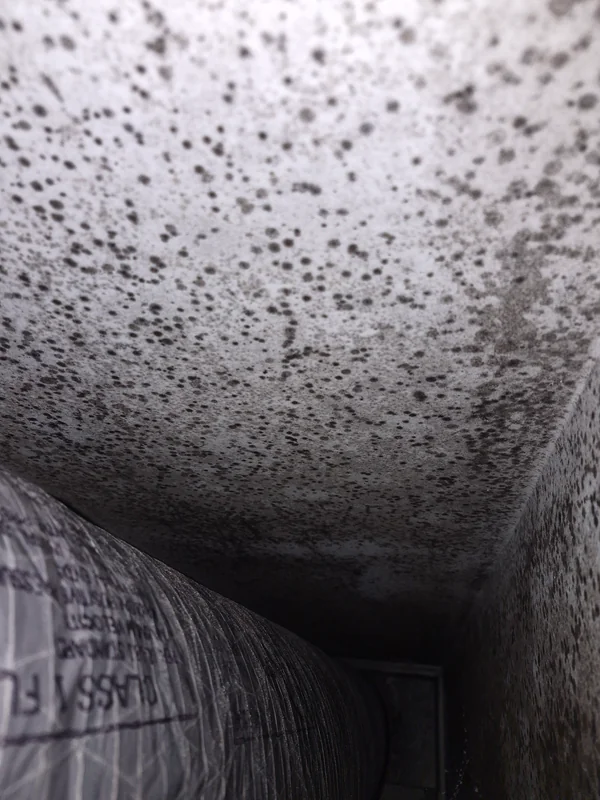
The most common sign is a musty or stale smell that appears specifically when your HVAC system turns on not a general odor in the house, but one that seems to come from the vents. In Maple Shade, where a lot of homes were built slab-on-grade in the postwar years, that smell is often tied to moisture that has been working its way into the duct system through the building envelope for years without anyone realizing it.
Other signs include worsening allergy or asthma symptoms that seem better when you’re outside or away from home, visible discoloration around vent registers, or a history of water intrusion anywhere in the house. If you’ve had mold remediated in another part of your home a basement, a bathroom, a crawlspace and didn’t have the ductwork inspected at the same time, there’s a real possibility the HVAC system was already involved. A free inspection from us will give you a clear answer without any financial commitment upfront.
The honest answer is that it depends on what’s in your ducts. The EPA’s position is nuanced routine cleaning in the absence of a specific problem has unclear benefits. But when mold is confirmed, when there’s been pest activity, or when significant debris is clogging the system, the EPA explicitly recommends cleaning. For most of the homeowners we work with, the situation isn’t routine maintenance it’s a response to a real, identified problem.
In Maple Shade specifically, the combination of aging housing stock and Delaware River floodplain moisture conditions means that “is there mold in my ducts?” is a more relevant question than it would be for a newer home in a drier part of the region. Homes built in the 1940s through 1960s with original ductwork and slab foundations have had decades of moisture exposure. If an inspection confirms biological growth, cleaning and sanitizing the ducts is not optional maintenance it’s the necessary step to stop the HVAC system from distributing mold spores to every room in the house every time it runs.
Air duct cleaning is the mechanical process using professional equipment to physically remove dust, debris, and biological material from the duct runs. It’s the core of the job and what most people picture when they think about duct cleaning. Air duct sanitizing is what comes after: the application of an antimicrobial treatment to the interior duct surfaces to kill mold, bacteria, and other biological contaminants that have colonized the material itself, not just accumulated in the debris.
Whether you need both depends on what the inspection finds. If the issue is primarily dust and particulate buildup without confirmed mold growth, mechanical cleaning alone may be sufficient. If mold is present which is a realistic finding in a Maple Shade home given the area’s moisture conditions sanitizing is the step that actually addresses the biological contamination rather than just removing the visible debris. We don’t recommend sanitizing to every customer regardless of what the inspection shows. If it’s needed, it’ll be in the quote. If it’s not, it won’t be.
A proper air duct cleaning for a typical home takes four to six hours. That’s the industry standard for a job done correctly both supply and return ducts cleaned, not just one side of the system. If the job also includes mold containment, sanitizing, or dryer vent cleaning, expect it to run toward the longer end of that range or slightly beyond.
For homes in Maple Shade, the age and layout of the ductwork can affect the timeline. Postwar homes from the 1950s and 1960s often have duct configurations that were designed before modern HVAC standards, with longer runs, more transitions, and sometimes less accessible sections than newer construction. That doesn’t mean the job takes dramatically longer, but it does mean the technician needs to account for those conditions during the inspection so the quote and timeline are accurate before work begins. We’ll walk you through what to expect for your specific home not a generic estimate based on square footage alone.
Yes, and this is one of the most common oversights in the mold remediation process. When mold is found and treated in a specific area a basement, a bathroom wall, a section of drywall the remediation work focuses on that location. But if the HVAC system was running while the mold was active, there’s a real chance spores were pulled into the duct system and distributed throughout the house before the problem was identified.
In a Maple Shade home, where the slab foundation and Delaware River moisture conditions can create ongoing humidity throughout the building envelope, the HVAC system is often one of the last places inspected during a remediation job and one of the first places mold reestablishes itself if it’s left untreated. Having the ducts inspected after remediation elsewhere in the house isn’t redundant it’s the step that confirms the remediation actually solved the problem rather than just relocated it. We include post-remediation verification testing, so you get documented confirmation rather than an assumption.
The biggest red flag in this industry is the low-ball offer the $99 or similarly priced “whole house” duct cleaning that gets your attention and then expands significantly once the technician is in your home. It’s a well-documented pattern, and it hits harder when you’re on a working-class budget and weren’t expecting the final number to look nothing like the original quote. The way to avoid it is straightforward: get a written upfront quote after an actual inspection, and confirm that the price you’re given is the price you’ll pay.
Beyond pricing, look for a company that cleans both supply and return ducts not just one side of the system and that can show you documentation of what was found and what was done. If mold is part of the reason you’re calling, make sure you’re working with someone who has actual mold remediation credentials, not just duct cleaning equipment. A general HVAC cleaner who disturbs mold without containment protocols can make the problem significantly worse. We provide free inspections, written upfront pricing, and post-cleaning verification and the team working in your home has certified mold remediation training, not just a vacuum and a truck.
Other Services we provide in Maple Shade