
Hear from Our Customers
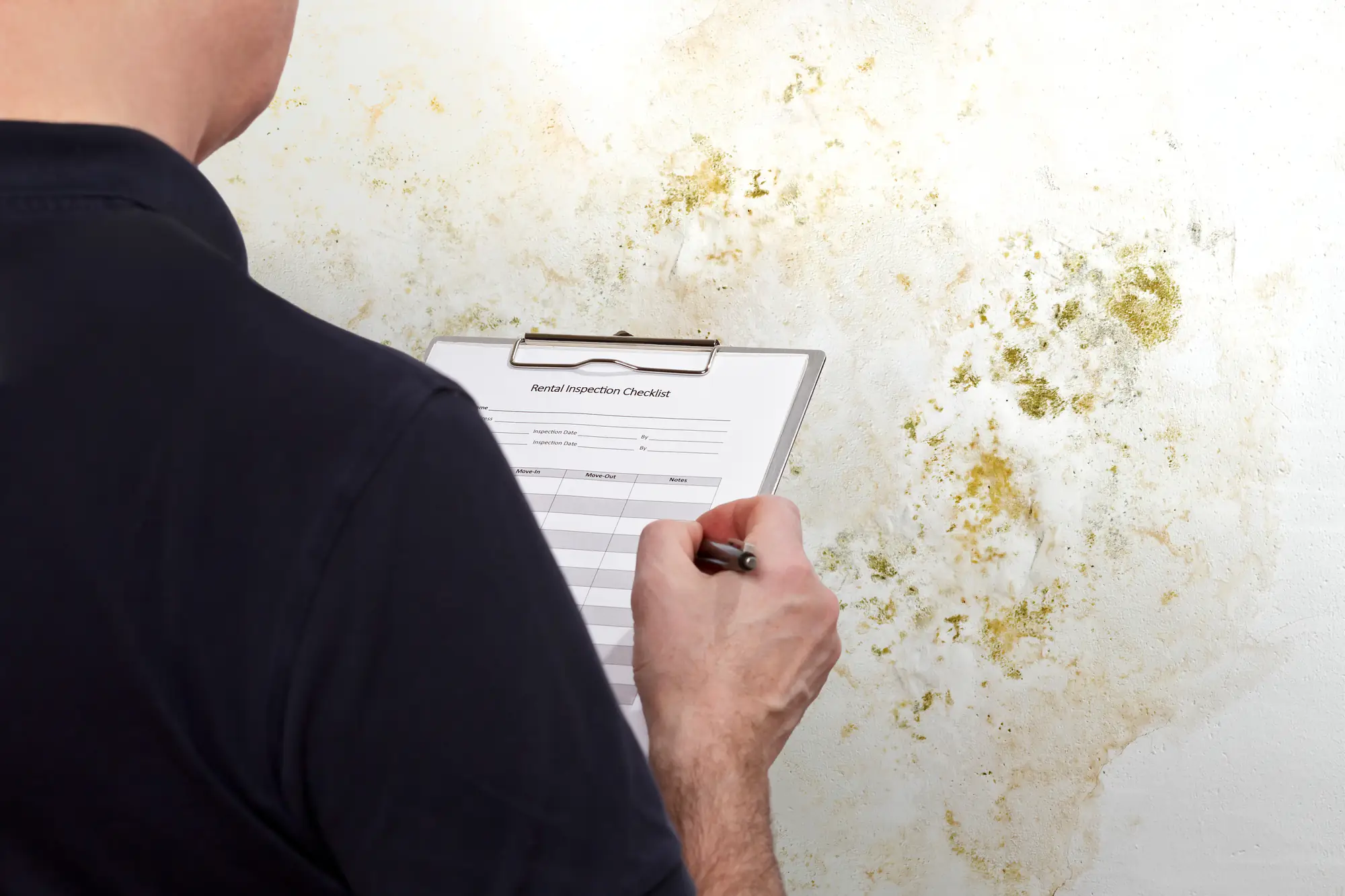
You’ve noticed the musty smell in the basement. Maybe your allergies have been worse since moving in, or you’re dealing with constant sinus pressure that won’t quit. That lingering odor after a pipe leak three months ago still hasn’t gone away.
Mold doesn’t announce itself. It grows behind drywall, under flooring, inside ductwork. By the time you see it, it’s been there for weeks or months.
A proper mold inspection tells you what’s actually happening in your home. We use thermal imaging and moisture mapping to find problems you can’t see. You get a detailed report that shows exactly where mold is growing, how bad it is, and what needs to happen next. No guessing. No wondering if that dark spot is just a stain or something worse.
This matters in White Horse because most homes here were built before 1970. Older construction means older plumbing, settling foundations, and ventilation systems that weren’t designed for today’s standards. Add in Pennsylvania’s increased rainfall over the past decade, and you’ve got the perfect recipe for moisture problems.
We focus exclusively on finding and eliminating mold. We’re not a general restoration company that does mold work on the side. This is what we do every day.
Our inspectors are board-certified and trained in environmental testing. Every inspection gets reviewed by two sets of eyes: your inspector and a senior mold analyst. That’s how we catch things other companies miss.
We’ve been serving homeowners in Bucks, Montgomery, Delaware, and Chester Counties for years. White Horse homes, with their historic construction and attached rowhouse layouts, need someone who understands how moisture moves through older buildings. We know where to look because we’ve seen what happens when inspections get rushed or skipped entirely.
First, we walk through your home and talk about what you’ve noticed. Smells, stains, health symptoms, recent water damage. This tells us where to focus.
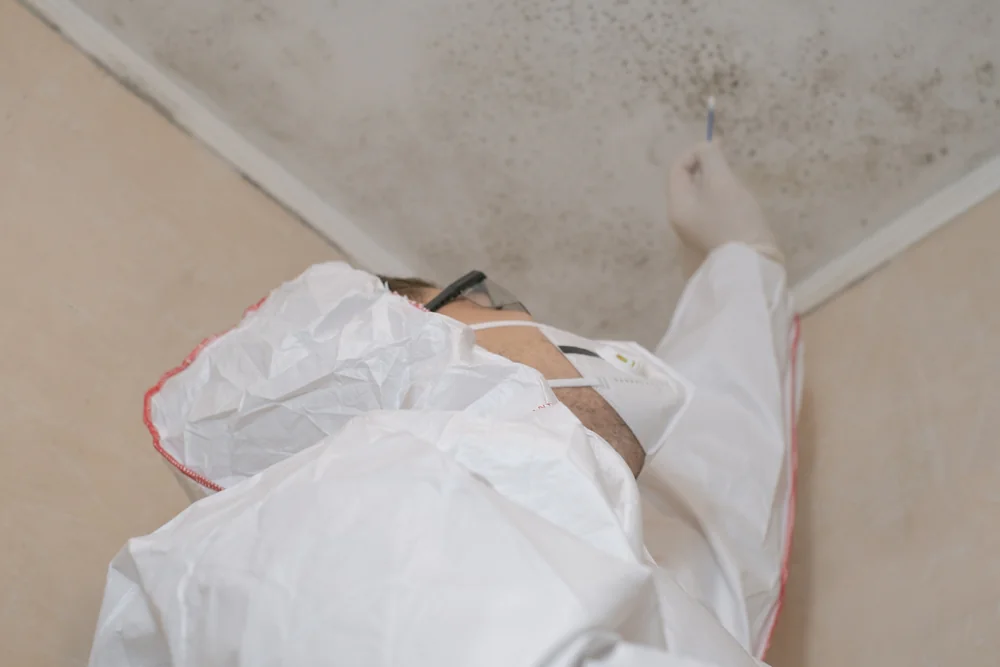
Then we start the actual inspection. We use thermal imaging cameras to detect temperature differences in walls and ceilings that indicate moisture. Infrared moisture mapping shows us wet areas that feel dry to the touch. We check HVAC systems, crawlspaces, attics, bathrooms, and anywhere water could be hiding.
If we find suspected mold, we take air samples and surface samples. These get sent to a lab for analysis. You’ll know exactly what type of mold is present and the concentration levels in your indoor air quality.
Within a few days, you get a full report. It includes photos, lab results, moisture readings, and our recommendations. If remediation is needed, the report tells you what needs to be done and why. If your home is clear, you have documentation proving it.
The whole process usually takes a few hours for the inspection itself. Lab results come back in three to five business days. You’re not left wondering what’s next.

Ready to get started?
Every mold inspection we perform includes a visual assessment of your entire property, thermal imaging to detect hidden moisture, and moisture mapping of suspected areas. We inspect HVAC systems, check behind appliances, and examine areas where mold commonly hides in White Horse’s older homes.
Air quality testing measures mold spore counts in your indoor environment. Surface sampling identifies the specific type of mold present. Both samples go to an accredited lab, not some in-house test that gives you vague results.
You receive a detailed written report with photos, lab analysis, moisture readings, and clear recommendations. If black mold or other toxic varieties are present, we explain the health risks and urgency level. If remediation is needed, the report serves as documentation for contractors and insurance claims.
This matters because Pennsylvania requires licensed professionals for mold assessment work. You can’t just hire anyone with a moisture meter. White Horse’s housing stock, with 26.8% attached homes and most properties built decades ago, needs someone who understands how mold spreads through shared walls and aging infrastructure. Our inspection process is designed specifically for the challenges older homes face in this climate.
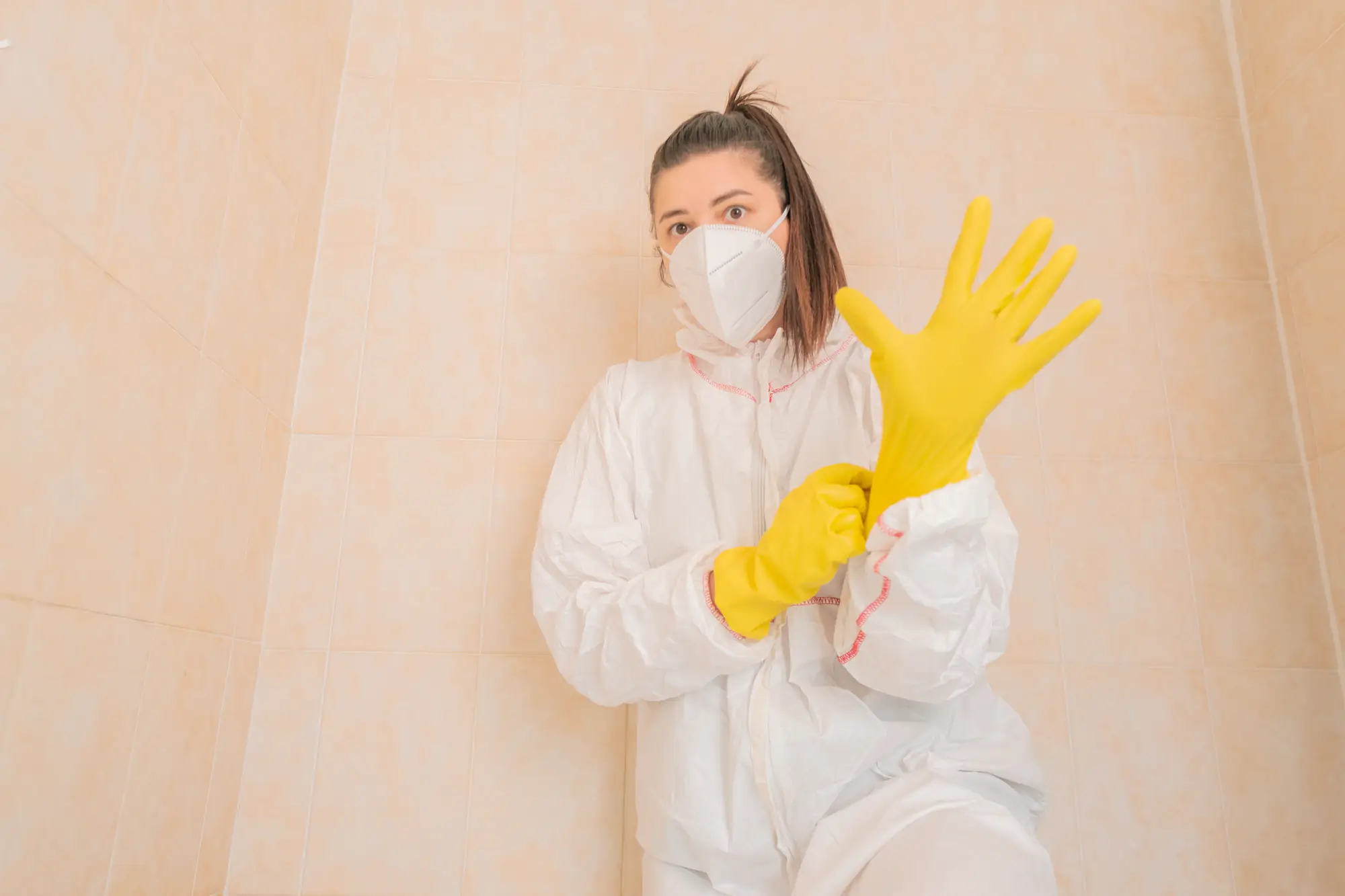
Most mold inspections in this area run between $300 and $600, depending on your home’s size and how many samples we need to take. A typical single-family home inspection with air and surface sampling usually falls around $400 to $500.
That’s significantly less than what you’ll pay if mold spreads and you need full remediation. We’ve seen homeowners spend $3,000 to $10,000 on mold removal that could have been caught early with a $400 inspection.
The cost covers the inspection itself, lab analysis of all samples, thermal imaging, moisture mapping, and a detailed report you can use for insurance claims or remediation planning. Some homeowner’s insurance policies cover mold inspection if the mold resulted from a covered event like a burst pipe. Check your policy or ask us about documentation for your claim.
A standard home inspection looks at your property’s overall condition: roof, foundation, electrical, plumbing, HVAC. Mold might get mentioned if the inspector sees visible growth, but they’re not equipped to find hidden mold or test air quality.
A mold inspection goes deeper. We use specialized equipment to detect moisture and mold behind walls, under floors, and in ductwork. We take samples and send them to a lab for analysis. You get specific information about mold types, spore counts, and contamination levels.
If you’re buying a home in White Horse, especially one built before 1970, a general home inspection won’t tell you if there’s mold growing in the crawlspace or behind that freshly painted basement wall. Many buyers here have closed on a house only to discover mold problems weeks later. A dedicated mold inspection catches these issues before you sign papers.
The on-site inspection usually takes two to four hours for an average-sized home. Larger properties or homes with multiple suspected areas take longer.
We’re not rushing through with a checklist. We’re using thermal cameras, taking moisture readings, collecting samples, and documenting everything with photos. If your home has a finished basement, attached garage, or complex HVAC system, expect to be on the longer end of that range.
Lab results come back in three to five business days. You’ll receive your full report with findings and recommendations shortly after. If you need results faster for a real estate transaction, ask about expedited lab processing. The inspection itself can’t be rushed without missing something important, but we can prioritize your samples at the lab.
You can buy a mold test kit at the hardware store for $40, but it won’t tell you much. Those kits test air quality in one room at one moment in time. They don’t find hidden mold. They don’t measure moisture levels. They can’t tell you if that mold is toxic or just surface mildew.
Mold grows in places you can’t see. Behind drywall where a pipe leaked two years ago. Under flooring near the bathroom. Inside your HVAC system spreading spores through every room. A kit sitting on your kitchen counter won’t detect any of that.
Professional mold detection uses thermal imaging to see temperature differences that indicate moisture problems. We know where mold hides in White Horse’s older homes because we’ve inspected hundreds of them. We take multiple samples from suspected areas and compare indoor air quality to outdoor baseline levels. The lab analysis tells you exactly what you’re dealing with. A home test kit gives you a yes/no answer with no context about severity, location, or what to do next.
Musty odors that don’t go away are the biggest indicator. If your basement, bathroom, or any room smells like mildew even after cleaning, mold is growing somewhere.
Worsening allergies, constant sinus pressure, headaches, or respiratory issues that improve when you leave the house point to indoor air quality problems. Mold spores trigger these symptoms, especially in older adults and children.
Visible signs include water stains on ceilings or walls, peeling paint, warping floors, or condensation on windows. Any past water damage from leaks, floods, or burst pipes creates conditions for mold growth. Even if the leak was fixed months ago, mold could still be growing in the wall cavity.
White Horse homes with attached construction face additional risk. If your neighbor had a water leak, moisture could have spread to your side through shared walls. Pennsylvania’s increased rainfall over the past decade means more basement seepage and foundation moisture. If you’re experiencing any of these signs, get an inspection before the problem spreads.
The inspection and remediation are separate services. During the inspection, we’re documenting what’s there and how extensive the problem is. We don’t start tearing out drywall or removing materials until you have the full report and understand what needs to happen.
This separation is important. It keeps the inspection objective. We’re not finding problems just to sell you remediation work. You get an honest assessment, and then you decide how to move forward.
If remediation is needed, we provide a detailed scope of work and cost estimate based on the inspection findings. You can use our services or hire another company. Either way, you have documentation showing exactly what needs to be addressed. Many homeowners appreciate having the inspection results before committing to remediation costs, especially if insurance is involved.
Other Services we provide in White Horse