
Hear from Our Customers
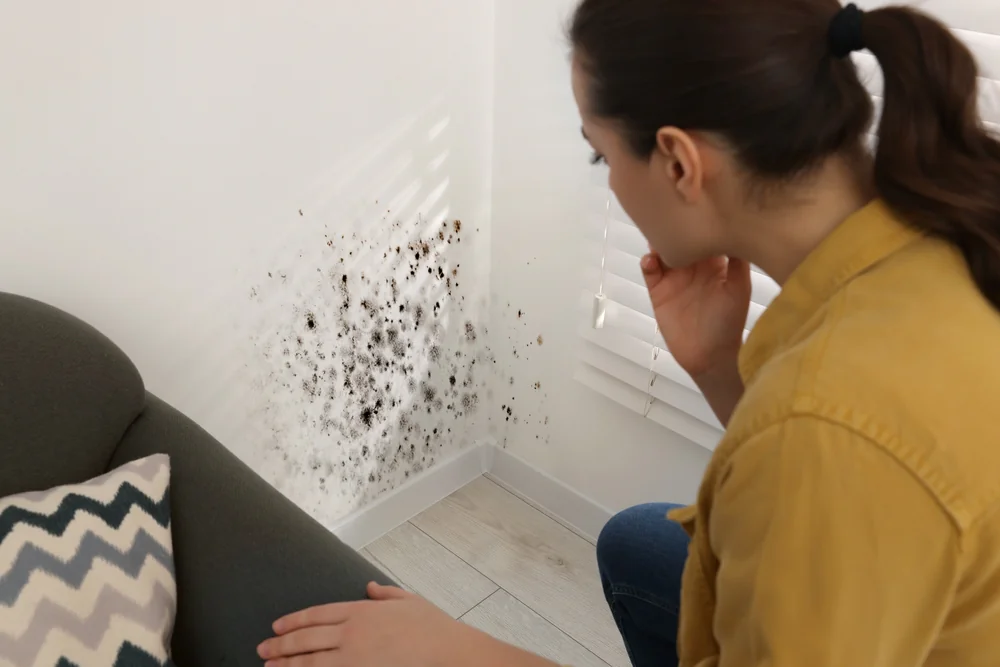
You’re not imagining it. The headaches, the stuffiness, the allergies that won’t quit—they’re real, and they might be coming from your air.
A home air quality test gives you actual data. Not guesses. Not assumptions. You’ll know if mold spores are elevated, if VOCs are present from building materials or household products, or if particulate matter is circulating through your HVAC system.
That clarity matters when you’re deciding whether to buy a home, when someone in your family has unexplained respiratory symptoms, or when you just want to stop wondering if your indoor air is safe. Testing takes the guesswork out. You get lab results, contamination levels, and a clear path forward—whether that’s remediation, ventilation improvements, or just peace of mind.
We’ve been testing indoor air quality in White Horse and throughout Bucks County for over 20 years. We’ve seen what aging infrastructure, basement moisture, and HVAC issues do to homes in this area—and we know which mold species show up most often in local air samples.
Every test we run gets sent to an accredited lab. You’re not getting a DIY kit interpretation or a visual-only inspection. You’re getting documented contamination levels and species identification that holds up for insurance claims, real estate transactions, or your own decision-making.
We’re local. We understand the seasonal humidity swings, the older housing stock, and the radon concerns that come with living in Pennsylvania. That context matters when you’re interpreting air quality results and figuring out what to do next.
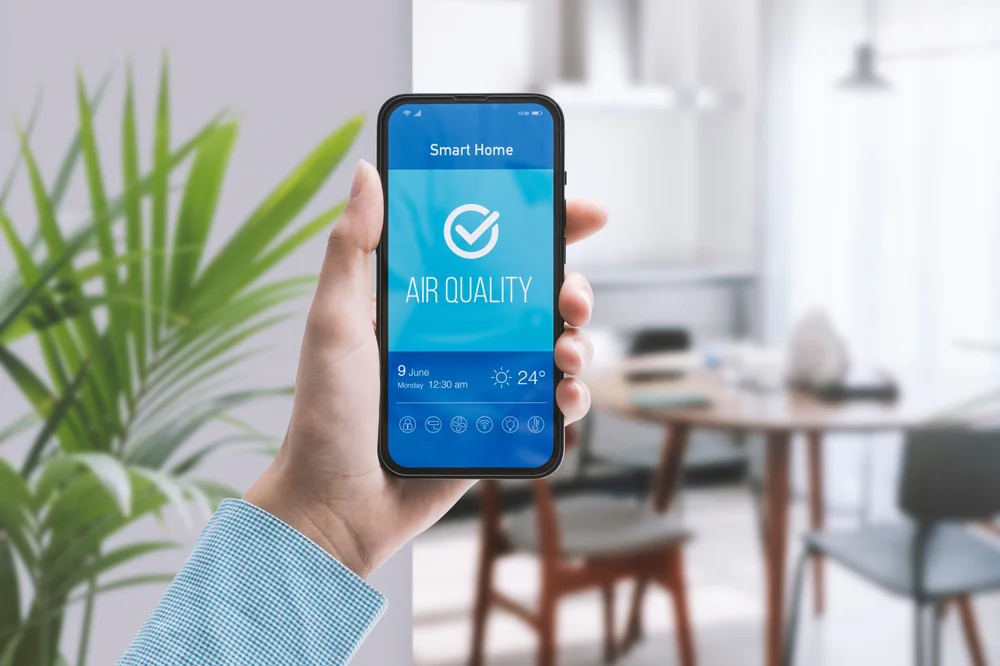
First, we walk through your property with you. We’re looking at HVAC systems, moisture-prone areas, visible signs of mold or water damage, and any spots where air quality issues typically originate.
Then we collect samples. That might be air sampling using laboratory-grade equipment to capture airborne mold spores and particulates, surface sampling from suspected contamination areas, or both depending on what your situation calls for. We’re not guessing—we’re gathering data that a lab can analyze.
Those samples go to an accredited laboratory for examination. They identify mold species, measure spore counts, detect VOCs, and quantify contamination levels. You get a detailed report that breaks down what’s in your air, how much of it there is, and whether those levels are a concern.
Once results come back, we review them with you. We explain what the numbers mean, what health risks might exist, and what your options are. If remediation is needed, we’ll tell you. If your air quality is fine, we’ll tell you that too.
Ready to get started?
You’re getting a full assessment—not a surface-level check. That includes a personal walkthrough to identify potential contamination sources, air sampling for mold spores and particulates, and surface sampling when visible growth or water damage is present.
In Bucks County, we’re dealing with specific challenges. The area received a failing grade for high ozone days—almost six per year on average. Forty percent of Pennsylvania homes show radon levels above EPA guidelines. Aging homes, basement seepage, and HVAC condensation create conditions where mold thrives before you notice symptoms.
Our testing accounts for that. We’re looking for the mold species common to this region, testing for VOCs that off-gas from building materials, and checking for particulate matter that gets circulated through ductwork. The lab analysis identifies everything from common allergens to potentially toxic species like Stachybotrys.
You’ll receive a written report with lab findings, contamination levels compared to acceptable standards, and clear recommendations. If remediation is necessary, you’ll know what needs to happen. If your air quality passes, you’ll have documentation proving it—useful for real estate deals, insurance purposes, or just your own confidence.
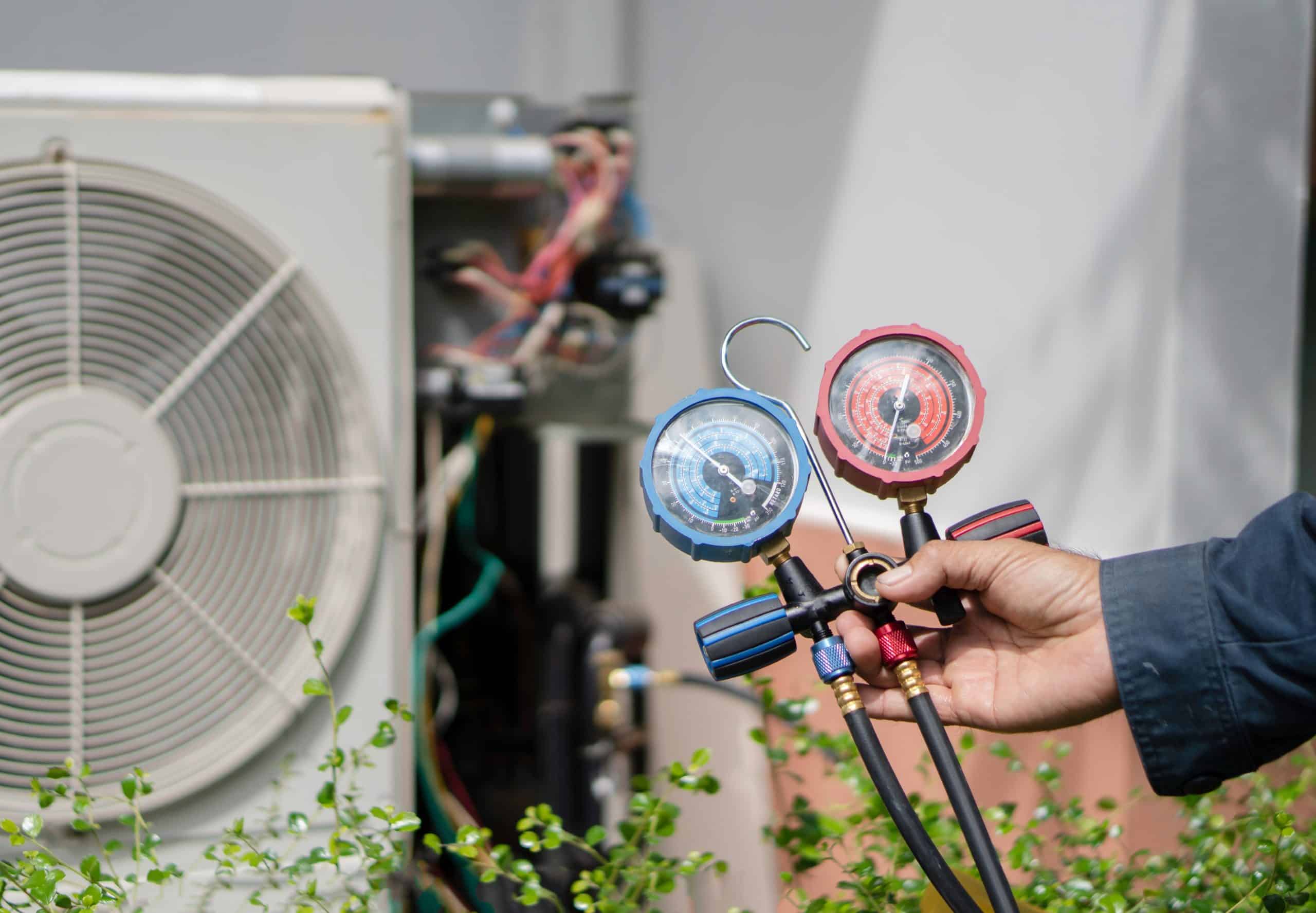
Cost depends on what you’re testing for and how many samples you need. A basic mold air test with lab analysis typically runs a few hundred dollars. More comprehensive indoor air quality testing that includes VOC detection, multiple sample locations, or asbestos fiber analysis costs more.
Here’s what affects price: the size of your property, the number of rooms or areas being tested, whether you need surface sampling in addition to air sampling, and how detailed the lab analysis needs to be. A 1,200-square-foot home with a suspected mold issue in one area costs less to test than a 3,000-square-foot property where you want air quality data from multiple floors.
We provide free quotes. You tell us what symptoms you’re experiencing or what concerns you have, and we’ll recommend the appropriate level of testing. No upselling—just what actually makes sense for your situation.
DIY kits can’t give you accurate contamination levels or identify dangerous species. They’re designed to detect presence, not quantity—and presence alone doesn’t tell you if you have a problem. Mold spores exist in every home. What matters is how much and what type.
Professional air quality testing uses calibrated equipment that measures spore counts per cubic meter of air. We’re comparing your indoor levels to outdoor baseline levels and established safety thresholds. The lab identifies specific species—some are harmless, others trigger severe respiratory reactions, and a few are toxic.
DIY kits also get misused. Sampling technique matters. Where you place the test, how long you run it, what conditions exist during collection—all of that affects results. We’ve seen homeowners panic over false positives and miss real contamination because a kit was positioned wrong. Professional testing eliminates that guesswork.
The on-site portion takes a few hours depending on your property size. We’re walking through, collecting air samples, taking surface samples if needed, and documenting conditions. For most homes, plan on two to three hours.
Lab analysis takes longer. Accredited laboratories need time to culture samples, identify species, and quantify contamination levels. You’re typically looking at five to seven business days for results—sometimes faster for rush processing, sometimes longer if the lab is backlogged or if samples require additional analysis.
Once results come in, we schedule a follow-up to review findings with you. That conversation usually takes 30 to 45 minutes. We walk through the report, explain what the data means, answer your questions, and discuss next steps if remediation or further testing is recommended.
Test when you’re experiencing unexplained health symptoms—chronic coughing, headaches, sinus issues, or respiratory problems that improve when you leave the house. Those are red flags that something in your indoor air is causing reactions.
Test before buying a home. Sellers aren’t required to disclose mold or air quality issues in Pennsylvania, and problems aren’t always visible during a walkthrough. An air quality test gives you leverage to negotiate repairs or walk away if contamination is severe.
Test after water damage, even if it’s been remediated. Flooding, pipe leaks, and roof damage create conditions for mold growth that can persist long after the visible water is gone. Testing confirms whether remediation was thorough or if hidden mold is still releasing spores into your air.
Test if you’re in an older home in Bucks County. Aging infrastructure, basement moisture, and outdated HVAC systems are common here—and all of them contribute to poor indoor air quality over time.
Mold spores are the most common concern. Testing identifies which species are present and at what concentration. Some molds are allergenic, others are pathogenic, and a few produce mycotoxins that cause serious health effects. The lab report breaks down exactly what’s in your air.
Volatile organic compounds (VOCs) are another major category. These chemicals off-gas from building materials, paints, cleaning products, and furnishings. Long-term exposure causes headaches, dizziness, and respiratory irritation. Testing measures VOC levels and identifies specific compounds.
Particulate matter—dust, pollen, fibers, and other airborne particles—gets measured as well. High particulate levels indicate poor ventilation or contamination from construction materials, HVAC systems, or outdoor pollutants entering your home.
Depending on your situation, we can also test for asbestos fibers (common in older Bucks County homes), radon gas (a significant issue in 40% of Pennsylvania properties), and other specific contaminants based on your concerns or symptoms.
Yes. The lab report shows contamination levels compared to acceptable thresholds. If your indoor mold spore counts are significantly higher than outdoor baseline levels, or if toxic species are present at any measurable concentration, remediation is necessary.
The report also identifies where contamination is likely originating. High spore counts in one area suggest localized growth—maybe a bathroom with poor ventilation or a basement with moisture intrusion. Elevated levels throughout the home indicate a systemic issue, possibly in your HVAC system or from widespread hidden growth behind walls.
We’ll walk you through the findings and explain what needs to happen. Sometimes remediation is straightforward—remove contaminated materials, fix the moisture source, and retest to confirm clearance. Other times it’s more involved. Either way, you’ll know exactly what you’re dealing with and what it takes to fix it. No guessing, no unnecessary work—just a clear plan based on actual data.
Other Services we provide in White Horse