

Mold Inspection in Durham Furnace, PA

Find Hidden Mold Before It Finds You

Free professional inspection using infrared cameras and moisture meters. Same-day service available throughout Durham Furnace, PA.
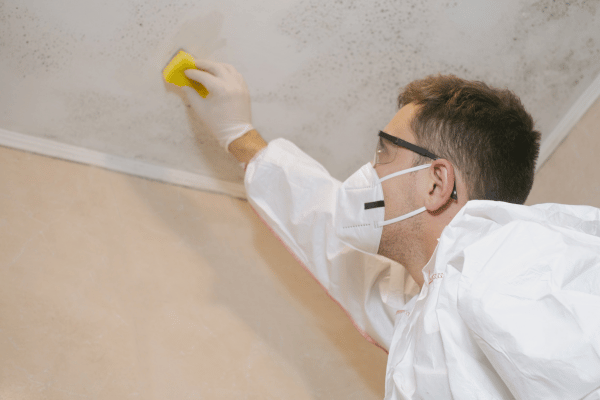
Protective worker in safety suit inspecting or treating mold spots on an indoor ceiling, addressing moisture damage and potential mold growth inside a building.

Hear from Our Customers

Professional Mold Detection in Durham Furnace

Stop Wondering What's Growing Behind Your Walls

You’ve noticed the musty smell in your basement. Maybe your kids’ allergies are worse at home than anywhere else. Or you’re just tired of wondering if that water damage from last year left something behind.

Here’s what changes after a proper mold inspection. You’ll know exactly where mold is growing, not just where you can see it. You’ll understand why it’s there – the moisture source, the ventilation issue, whatever’s feeding it. And you’ll have a clear plan to fix it before it spreads to places that cost real money to repair.

Most importantly, you’ll stop guessing. No more wondering if that headache is from mold or just stress. No more worrying about what’s happening in spaces you can’t see. Just facts, found with the same infrared and moisture detection technology that insurance adjusters use when they need to be certain.

Durham Furnace Mold Detection Company

We Only Do Mold - That's the Point

We serve homeowners throughout Bucks County, and we’ve seen what happens when mold problems sit too long. Durham Furnace homes face specific challenges – older construction, fluctuating humidity, and the kind of precipitation increases Pennsylvania’s been dealing with over the last decade.

We’re not a general restoration company that does mold on the side. This is what we do. Every inspection starts with a free assessment, and we use the same detection equipment whether you’re dealing with visible growth or just have a suspicion something’s off.

You’ll work with technicians who’ve handled everything from minor bathroom mold to full basement contamination. We explain what we find, why it matters, and what it’ll actually take to fix it.

Protective worker collecting a mold sample from a stained indoor ceiling using a swab, inspecting moisture damage and potential mold growth inside a building.

Home Mold Inspection Process

Here's What Happens During Your Inspection

First, we walk through your home and you show us the problem areas – or the places you’re concerned about. We’re looking for visible mold, but also water stains, discoloration, or anywhere moisture tends to collect.

Then we break out the equipment. Infrared cameras show us temperature differences that indicate moisture behind walls or under floors. Moisture meters give us exact readings so we know if materials are wet enough to support mold growth. If we find something suspicious, we can take samples to identify the specific type of mold and concentration levels.

You get a full report that explains what we found, where the moisture is coming from, and what needs to happen next. If it’s minor, we’ll tell you. If it’s serious, we’ll walk you through the remediation process and what it’ll cost. No surprises, no upselling – just the information you need to make a decision about your home.

Home interior with mold remediation in progress as a worker sprays treatment on a wall using a ladder, while a resident relaxes on a covered sofa in a renovated living room.

Ready to get started?

Explore More Services

About Mack's Mold Removal

Black Mold Inspection Services Durham Furnace

What You're Actually Getting When We Inspect

Every mold inspection includes a visual assessment of your entire home, not just the obvious problem spots. We check basements, crawl spaces, attics, HVAC systems, and anywhere else moisture tends to hide in Durham Furnace homes.

You get thermal imaging to detect hidden moisture, moisture meter readings on all suspect materials, and air quality assessment if we think spores are circulating through your ventilation. If we find mold, we identify the type – because black mold requires different handling than surface mildew.

We also trace the source. Finding mold is one thing. Finding why it keeps coming back is what prevents you from paying for the same problem twice. That might mean a leaking pipe, poor ventilation, groundwater seeping through your foundation, or a dozen other issues common in Bucks County’s older housing stock. We document everything, photograph the problem areas, and give you a written report you can use for insurance claims or contractor bids.

How do I know if I actually need a mold inspection?

You need an inspection if you can see mold, smell mold, or you’ve had water damage in the last year. But you should also consider it if anyone in your house has unexplained respiratory issues, allergies that get better when they leave the house, or persistent sinus problems.

Homes in Durham Furnace with basements, crawl spaces, or past flooding issues are at higher risk. Same goes for older homes with outdated ventilation or anywhere humidity regularly climbs above 50%. If you’re buying or selling a home, an inspection protects everyone involved.

The inspection itself is free, so there’s no cost to finding out whether you have a problem or just a suspicion. Most homeowners who call us fall into two camps: they’ve seen something concerning, or they’ve ruled out every other explanation for health symptoms and want to eliminate mold as a possibility.

An inspection is visual and technology-based. We look for mold, measure moisture levels, use thermal imaging to find hidden water, and assess your home’s risk factors. Most of the time, that tells us everything we need to know.

Testing means taking samples – either from surfaces or from the air – and sending them to a lab for analysis. We do this when we need to identify the specific type of mold, measure spore concentration, or confirm that mold is present even though we can’t see it. Testing costs extra and takes a few days for results.

For most Durham Furnace homeowners, the inspection is enough. You can see where the mold is, we can measure the moisture feeding it, and we can plan remediation without waiting on lab work. We recommend testing when you’re dealing with health issues and need documentation, when insurance requires it, or when we suspect hidden contamination but can’t confirm it visually.

You can, but those kits have serious limitations. They’ll tell you if mold spores are present – which they are in every home – but they won’t tell you if you have a problem that needs fixing. They can’t measure concentration levels, identify the type of mold, or locate the source.

More importantly, DIY kits can’t find hidden mold. If it’s growing inside your walls, under your flooring, or in your HVAC system, a surface swab or air sample won’t catch it. You need thermal imaging and moisture meters to track down those problems.

Professional mold detection also means you’re getting an expert assessment of why the mold is there and what it’ll take to remove it. A kit might confirm your suspicion, but it won’t tell you that your bathroom exhaust fan is venting into your attic instead of outside, or that your basement has a groundwater issue. We start with a free inspection, so you’re not saving much by going the DIY route – and you’re risking a lot if you miss something.

Plan on one to two hours for a typical home inspection. Larger homes or properties with extensive problem areas take longer. We’re not rushing through – we’re checking every space where mold commonly grows in Durham Furnace homes.

That includes your basement, attic, crawl spaces, bathrooms, kitchen, laundry areas, and around windows or doors where condensation builds up. We’ll also inspect your HVAC system and anywhere you’ve had past water damage or leaks.

If we find something that requires testing, you’ll get preliminary results the same day and lab results within a few days. Most homeowners get a full written report before we leave, including photos, moisture readings, and our recommendations for next steps. If you need remediation, we can usually start within 24 hours.

It depends on what caused the mold. If it’s from a sudden, covered event – like a burst pipe or storm damage – most policies will cover remediation. If it’s from long-term neglect, poor maintenance, or gradual moisture problems, probably not.

Pennsylvania doesn’t require insurance companies to cover mold, and many policies have specific limitations or exclusions. You’ll need to check your policy or call your agent. We work with insurance companies regularly and can help document everything they’ll need if you’re filing a claim.

Even if insurance won’t cover it, you’re still better off addressing mold sooner rather than later. The longer it grows, the more expensive remediation becomes. And if it’s compromising your home’s structure or your family’s health, waiting to find out about coverage just makes the problem worse. We offer financing options and flexible payment plans to make remediation manageable regardless of your insurance situation.

We’ll show you exactly where it is, explain what type we think it is based on appearance and location, and measure how much moisture is feeding it. Then we’ll trace the source – whether that’s a leak, condensation, poor ventilation, or groundwater intrusion.

You’ll get a written remediation plan that outlines what needs to be removed, what needs to be cleaned, and what needs to be fixed to prevent it from coming back. We’ll give you an upfront cost estimate before any work starts. No surprises, no pressure.

If it’s minor surface mold in a small area, we’ll tell you that too. Not every mold problem requires full remediation. But if it’s extensive, hidden, or the type that poses health risks, we’ll walk you through the removal process step by step. Most remediation projects in Durham Furnace homes take two to five days depending on the scope, and we handle everything from containment and removal to cleaning and restoration.

Other Services we provide in Durham Furnace