
Hear from Our Customers
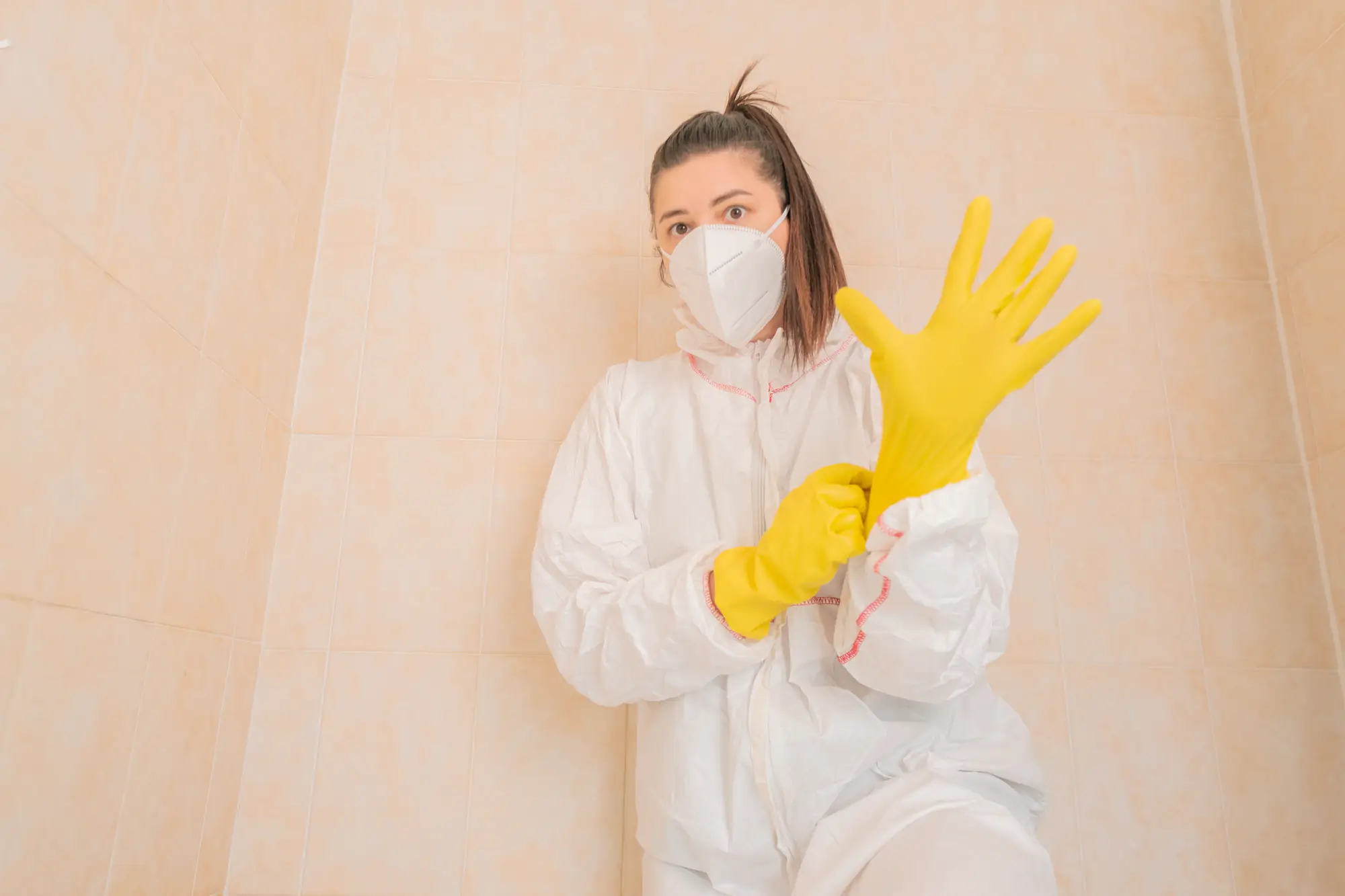
You stop wondering if that musty smell in the basement is a problem. You stop worrying about what’s growing behind the drywall or inside the HVAC system. Your family breathes easier—literally.
That’s what professional mold remediation does. It removes the contamination you can see and the stuff you can’t. It addresses the moisture problem that caused it in the first place, so you’re not dealing with the same issue six months later.
Durham Furnace sits in a mixed-humid climate zone where summer air hits cool basement walls and turns into condensation. That’s textbook mold conditions. If your home was built before 1980, or if you’ve had any kind of water issue—roof leak, plumbing problem, flooding—you’re at higher risk. The good news is that mold problems are fixable when handled correctly. You just need someone who knows what they’re looking at and how to deal with it for good.
We’ve been serving Durham Furnace and Bucks County since 1995. That’s over 5,000 mold remediation projects completed, most of them in homes just like yours—older construction, humid basements, the occasional water intrusion that turned into something bigger.
We’re certified, fully insured, and we follow EPA-approved methods and Pennsylvania regulations. But what matters more is how we work. We don’t use scare tactics. We don’t upsell services you don’t need. We show you what’s happening, explain what needs to happen next, and let you make the call.
Our team includes HVAC technicians and master plumbers, which means we can identify and fix the root cause—not just scrub the surface and hope for the best. Durham Furnace homeowners deal with specific challenges: older homes with stone foundations, high summer humidity, and limited airflow in basements and crawl spaces. We’ve seen it all, and we know how to handle it.
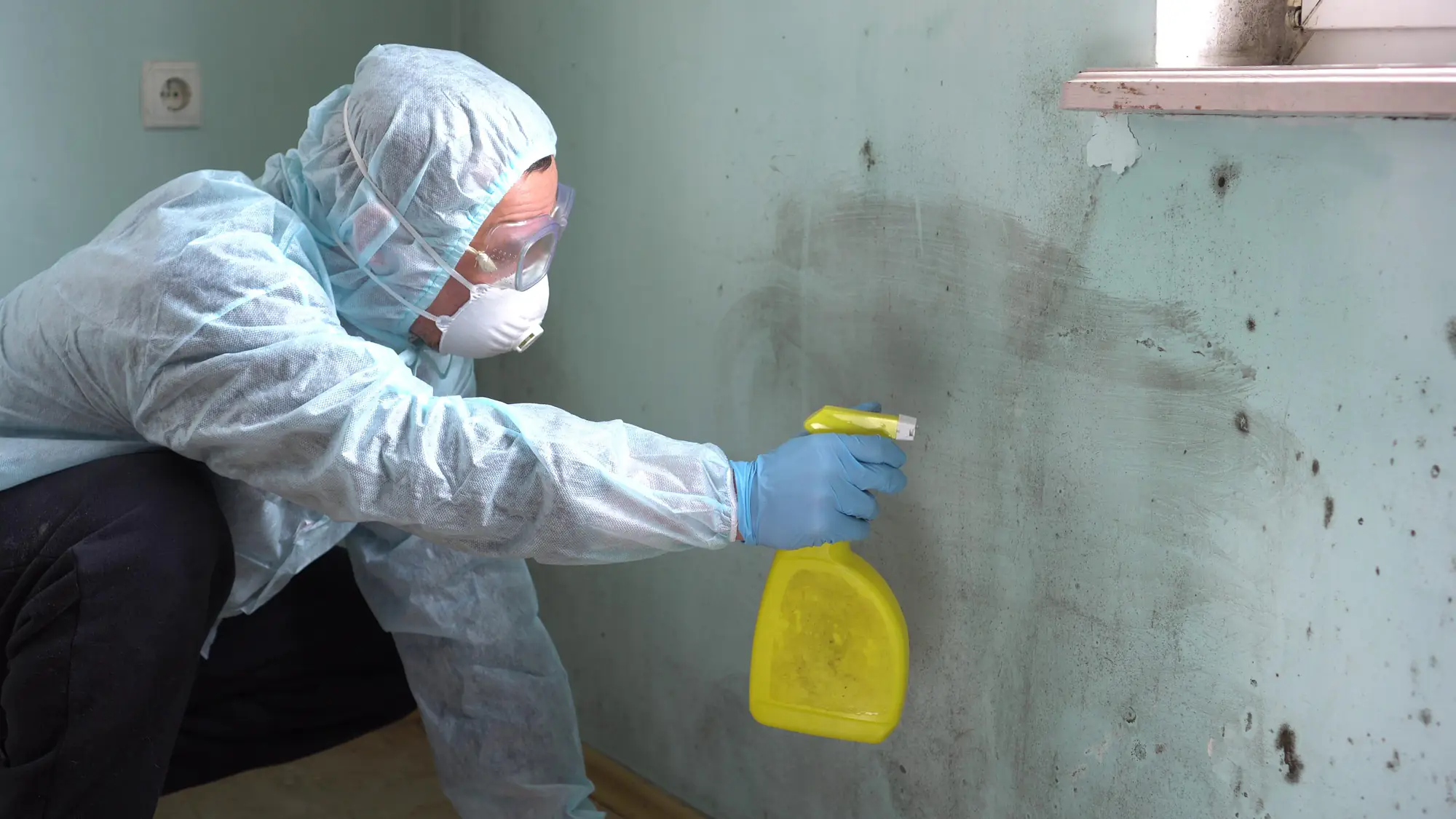
It starts with a free inspection. We come to your home, do a visual assessment, take moisture readings, and use thermal imaging to find hidden problems. If needed, we collect samples for lab analysis. You get a clear picture of what’s going on and what it’ll take to fix it.
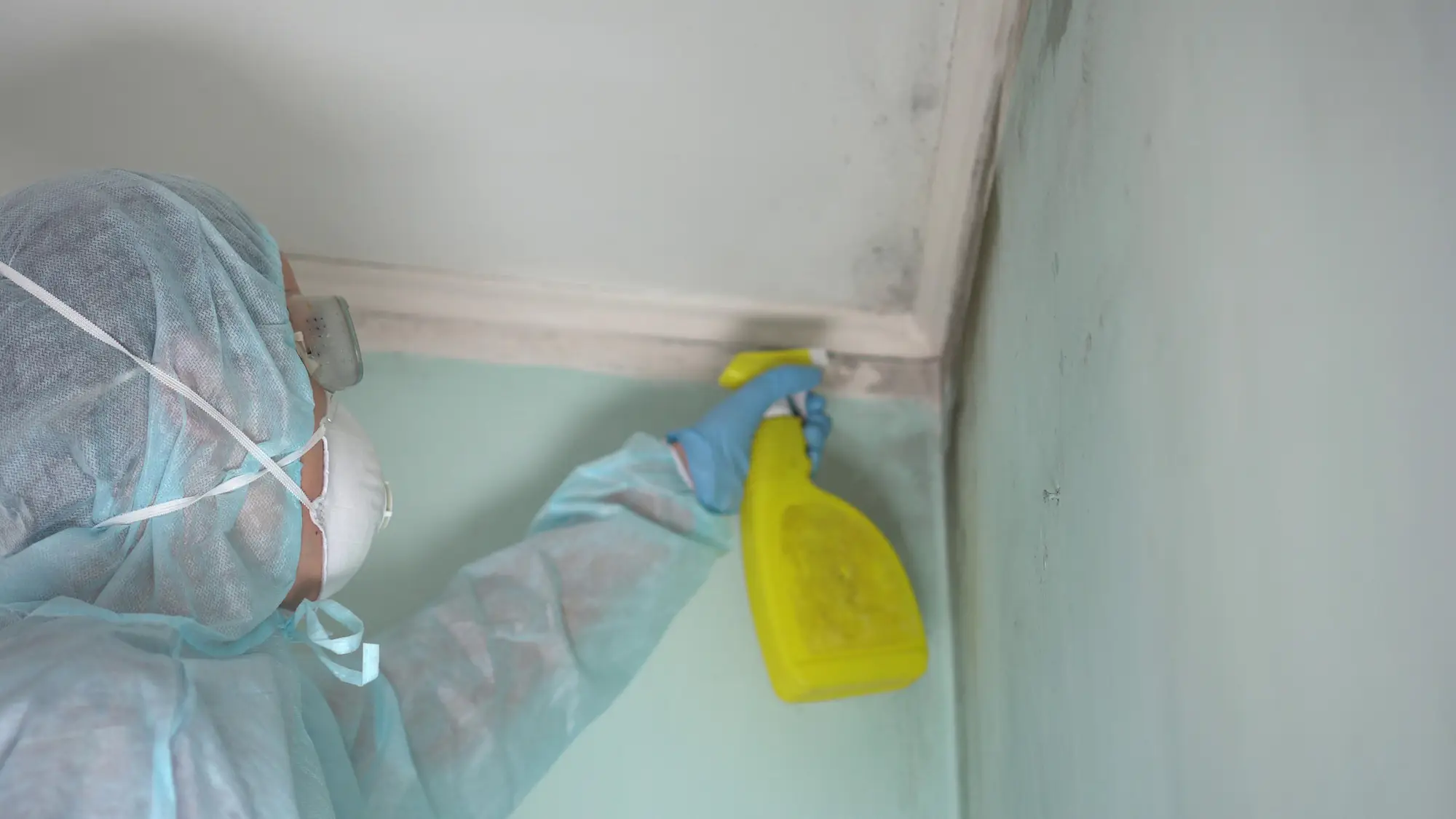
Once you approve the plan, we contain the affected area to prevent spores from spreading during removal. We use HEPA filtration and negative air pressure to keep contamination isolated. Then we remove the mold-contaminated materials—drywall, insulation, flooring, whatever’s affected—and treat surfaces with EPA-approved antimicrobial solutions.
But here’s the part that matters most: we find and fix the moisture source. That might mean repairing a leak, improving ventilation, installing a dehumidifier, or regrading drainage around your foundation. Without that step, mold comes back. After remediation is complete, we run post-testing to confirm the air quality is back to normal. Then, if needed, we handle the reconstruction—drywall, paint, flooring—so your home looks like nothing ever happened.
Ready to get started?
Mold remediation isn’t just cleaning visible mold off a wall. It’s a full-scope process that addresses contamination, air quality, and the conditions that allowed mold to grow in the first place.
You get a thorough inspection using moisture meters, infrared cameras, and air sampling equipment. You get containment and HEPA filtration during removal to protect the rest of your home. You get safe removal of contaminated materials and antimicrobial treatment of affected surfaces. And you get the fix—whatever’s causing the moisture problem, whether that’s a plumbing leak, poor ventilation, or foundation drainage issues.
In Durham Furnace, basement mold is the most common issue we see. Older homes here often have stone foundations that weren’t built with modern waterproofing. Summer humidity makes it worse. Warm outdoor air enters a cool basement, and moisture condenses on walls, pipes, and floors. Add poor airflow, and you’ve got mold growth on wood framing, insulation, and drywall. We also see mold in attics from roof leaks or inadequate ventilation, and inside HVAC systems where condensation builds up on evaporator coils. Each situation is different, but the approach is the same: find it, remove it, fix what caused it, and confirm it’s gone.

If you smell it, you probably have it. Mold produces volatile organic compounds that create that musty, earthy odor. It’s not something you should ignore or assume is normal, even in an older home.
Visible signs include discoloration on walls, ceilings, or floors—black, green, white, or orange patches. You might see bubbling paint, warping drywall, or water stains. But mold often grows in places you can’t see: behind drywall, under flooring, inside HVAC ducts, or in crawl spaces.
Health symptoms can also be a clue. If anyone in your home is experiencing unexplained coughing, wheezing, sinus congestion, or worsening asthma, mold exposure could be the cause. The only way to know for sure is a professional inspection. We use moisture meters and thermal imaging to detect hidden moisture, and we can take air or surface samples for lab testing if needed. That gives you a definitive answer instead of guessing.
It depends on what caused the mold. Most homeowners insurance policies in Pennsylvania cover mold remediation if it’s the result of a “covered peril”—like a sudden pipe burst, storm damage, or appliance malfunction. If your washing machine hose breaks and floods the basement, and mold grows as a result, that’s usually covered.
What’s typically not covered is mold from long-term neglect, lack of maintenance, or gradual leaks that went unnoticed. If a slow plumbing leak has been dripping for months and mold develops, the insurance company will likely deny the claim. Coverage limits for mold vary widely, often capped between $1,000 and $10,000 depending on your policy.
The key is documentation and timing. If you discover water damage, report it to your insurance company right away and get a professional assessment. We can help with that process. We document the damage, provide detailed estimates, and work with adjusters regularly. The faster you act after water intrusion, the better your chances of coverage—and the less likely mold becomes a major problem in the first place.
If it’s a very small area—less than 10 square feet—and it’s on a hard, non-porous surface like tile or glass, you can probably handle it yourself with proper precautions. Use a mask, gloves, and ventilation. Clean it with detergent and water, then dry the area completely.
But if the mold covers a larger area, is on porous materials like drywall or wood, or is inside your HVAC system, DIY removal usually makes things worse. Disturbing mold releases spores into the air, which can spread contamination to other parts of your home. Without proper containment, HEPA filtration, and antimicrobial treatment, you’re just moving the problem around.
More importantly, DIY methods don’t address the moisture source. You might scrub mold off a basement wall, but if the humidity issue or water intrusion isn’t fixed, it’ll grow back. Professional mold remediation includes moisture mapping, source identification, containment, safe removal, treatment, and post-testing to confirm the air quality is safe. That’s not something a bottle of bleach and a scrub brush can accomplish. If you’re dealing with black mold, health symptoms, or any uncertainty about the extent of contamination, call a mold removal specialist. It’s not worth the risk.
Most residential mold remediation projects in Durham Furnace take between one and five days, depending on the size of the affected area and the extent of contamination. A single basement wall might take a day or two. A whole basement or multiple rooms can take longer.
Whether you need to leave depends on the scope of the project and your household. If the mold is contained to one area—like a basement or a bathroom—and we can seal it off from the rest of the house, you can usually stay. We use plastic sheeting and negative air pressure to keep spores from spreading into living areas.
If the contamination is widespread, affects your HVAC system, or involves black mold in high concentrations, it’s safer to stay elsewhere during active remediation. Families with young children, elderly members, or anyone with respiratory issues should definitely consider relocating temporarily. We’ll let you know upfront what makes sense for your situation. Once the removal and treatment are done and air quality testing confirms it’s safe, you’re good to move back in. If reconstruction is needed—new drywall, flooring, paint—that adds time, but you can often be back in the space while finishing work happens.
Mold needs three things: moisture, organic material, and the right temperature. Durham Furnace’s mixed-humid climate provides plenty of moisture, especially in summer when warm air meets cool basement surfaces and condenses. That’s the number one cause of basement mold in this area.
Older homes here—many built in the 1800s and early 1900s—often have stone foundations without modern waterproofing or vapor barriers. Groundwater seeps through, humidity stays high, and mold grows on wood framing, drywall, insulation, and stored belongings. Poor ventilation makes it worse. Basements and crawl spaces with limited airflow trap moisture and create perfect conditions for mold and mildew.
Water intrusion is another major cause. Roof leaks, plumbing failures, overflowing gutters, or improper grading around the foundation can all introduce water where it doesn’t belong. Even small leaks—like a dripping pipe or a slow toilet leak—can cause mold if they go unnoticed for weeks or months. HVAC systems are also common culprits. Condensation builds up on evaporator coils, and if the drain line is clogged or the system isn’t maintained, mold grows inside the ductwork and gets blown throughout your home. The key is controlling moisture. Fix leaks fast, improve ventilation, use dehumidifiers in damp areas, and keep gutters and drainage working properly.
Mold removal sounds like you’re getting rid of every single mold spore in your home. That’s not realistic. Mold spores are everywhere—in outdoor air, on surfaces, floating around. The goal isn’t to eliminate every spore. It’s to bring mold levels back to normal, safe concentrations and remove active growth.
Mold remediation is the correct term for what we do. It means identifying the contamination, removing mold-damaged materials, treating affected surfaces, fixing the moisture problem, and restoring air quality to safe levels. It’s a process, not just a cleaning job.
Here’s why that distinction matters. A company that promises “complete mold removal” is either misleading you or doesn’t understand the science. What you want is a mold remediation company that follows EPA and industry guidelines, uses proper containment and filtration, addresses the root cause, and verifies results with post-testing. That’s how you actually solve a mold problem instead of just temporarily masking it. We’ve been doing this since 1995, and we’ve seen plenty of DIY jobs and bad remediation attempts that didn’t fix the underlying issue. Real remediation means the mold doesn’t come back because the conditions that allowed it to grow are gone.
Other Services we provide in Durham Furnace