
Hear from Our Customers

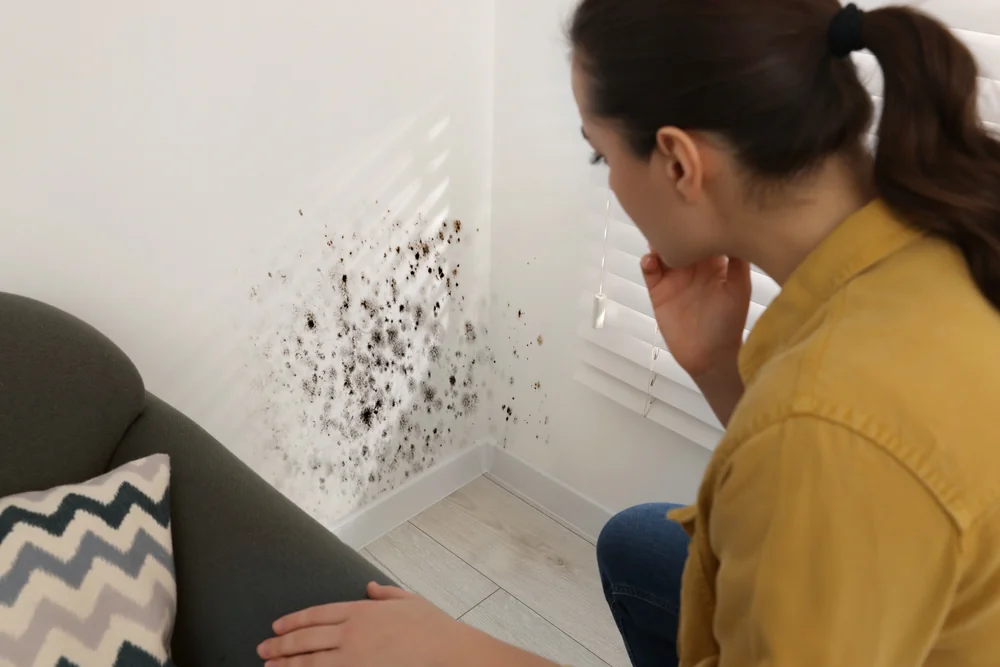
You’ve noticed the symptoms. Maybe it’s a musty smell that won’t go away, or someone in your house can’t stop coughing. Maybe you found water damage and you’re wondering what’s growing behind the walls.
A home air quality test gives you actual data instead of guessing. You’ll know if mold spores are present, where moisture problems exist, and what’s actually affecting the air your family breathes every day.
The indoor air in most homes is worse than outdoor air. Over 97% of homes exceed WHO limits for major pollutants. That’s not a scare tactic—it’s why testing matters. Once you know what’s there, you can fix it. Until then, you’re just hoping nothing’s wrong.
We serve Durham Furnace and Bucks County with residential air quality testing that homeowners rely on when they need straight answers. We use infrared cameras, moisture meters, and air sampling equipment to assess what’s happening in your home.
Durham Furnace homes—many of them older, detached single-family properties—deal with moisture issues from Pennsylvania weather, aging infrastructure, and natural settling. We’ve tested enough homes here to know what to look for and where problems typically hide.
You’re not getting a sales pitch. You’re getting testing, analysis, and recommendations based on what we actually find. If there’s a problem, we’ll tell you. If there isn’t, we’ll tell you that too.

First, we talk. You tell us what you’ve noticed—symptoms, smells, water damage, whatever prompted you to call. That helps us know where to focus.
Then we test. We use moisture meters to find hidden water problems. Infrared cameras show us temperature differences that indicate mold growth or air leaks. We take air samples to measure mold spores, allergens, and other contaminants in your indoor environment.
After testing, you get a report. It explains what we found, what it means for your health and your home, and what to do about it. If remediation is needed, we’ll walk you through that. If it’s a ventilation issue or a minor fix, we’ll tell you that instead. The goal is giving you enough information to make a smart decision.

Ready to get started?
A professional air quality testing service covers more than just looking around. We’re measuring moisture levels in walls, floors, and ceilings. We’re checking airflow patterns and identifying areas where humidity creates mold-friendly conditions.
Durham Furnace’s older housing stock and seasonal humidity make mold growth common, especially in basements, crawl spaces, and around windows. Many homes here were built before modern moisture barriers and ventilation standards existed. That doesn’t mean your home has a problem—it means testing gives you certainty.
We test for mold spores, but also for other air quality issues like dust mites and particulates that affect respiratory health. You’ll know if your HVAC system is circulating contaminants, if there’s hidden water damage, or if that musty smell is actually something that needs attention. The testing process typically takes a few hours depending on your home’s size, and you’ll have results within days.
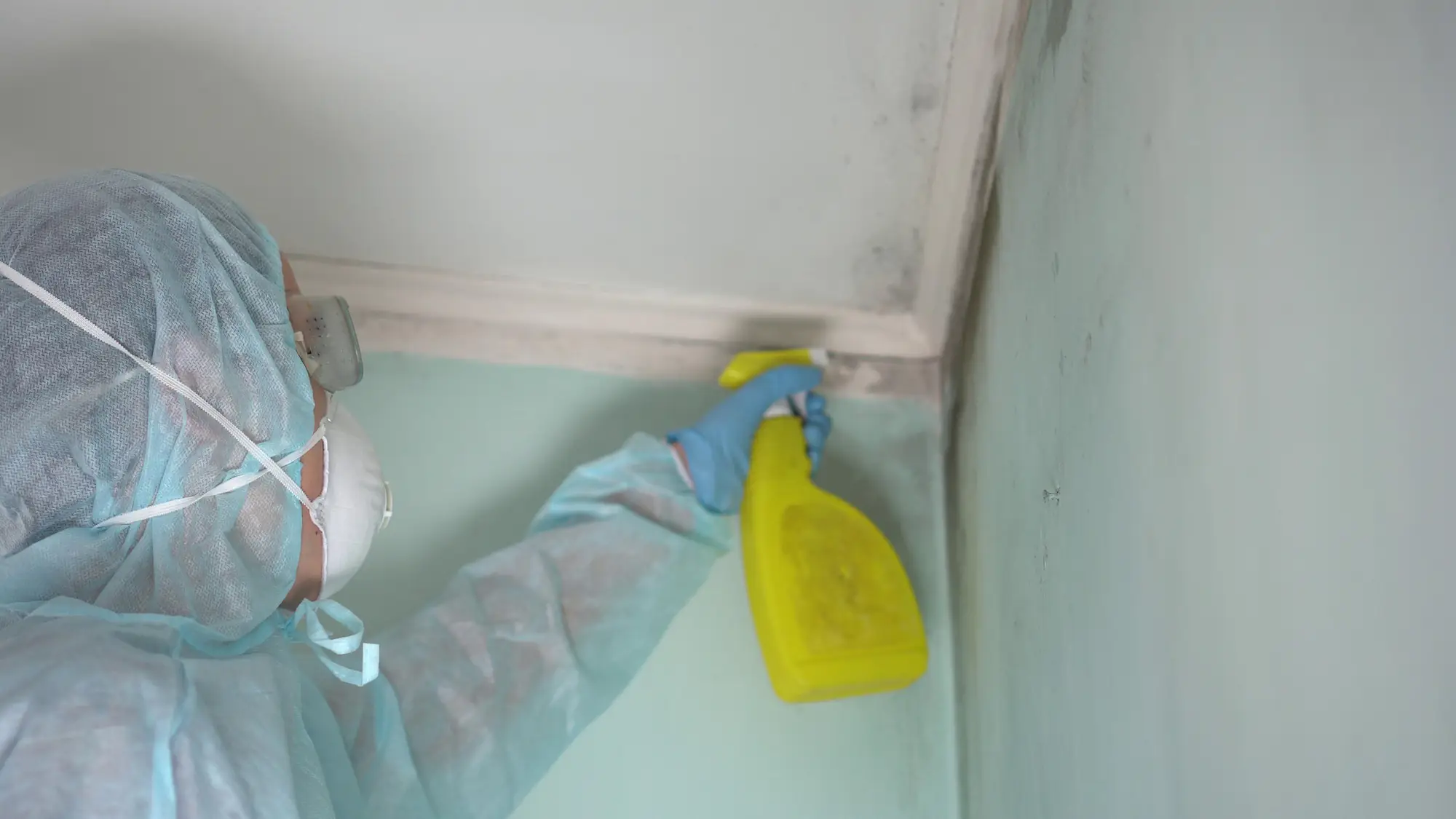
You need testing if you’re experiencing unexplained health symptoms like persistent coughing, itchy eyes, headaches, or allergy symptoms that won’t go away. Those are the most common signs that something in your air is affecting you.
Visible mold, musty odors, or recent water damage are obvious triggers. But you should also consider testing if you’re buying or selling a home in Durham Furnace, if someone in your household has asthma or respiratory issues, or if you’ve had flooding or leaks that were “fixed” but you’re not sure what’s behind the walls.
Testing gives you documentation. If you’re dealing with insurance, a real estate transaction, or just trying to protect your family’s health, professional air quality testing provides the evidence you need to take action or confirm everything’s fine.
DIY kits test one spot at one moment in time. They can tell you if mold spores are present, but they won’t tell you where the mold is, how bad the problem is, or what’s causing it.
Professional air quality testing uses multiple methods—air sampling, moisture detection, infrared imaging—to build a complete picture. We’re not just testing air. We’re finding the source of moisture, identifying hidden mold growth, and measuring conditions throughout your home.
You also get interpretation. A DIY kit might show elevated mold spores, but what does that mean? Is it dangerous? Where’s it coming from? Professional testing answers those questions. You’re paying for equipment you don’t own, expertise you don’t have, and a report that actually helps you solve the problem instead of just confirming one exists.
The actual testing takes between two and four hours depending on your home’s size and what we’re looking for. We’re not rushing through it—we’re checking every area where moisture or air quality problems typically occur.
Air samples go to a lab for analysis. You’ll typically have results within three to five business days. The report includes spore counts, identification of mold types if present, moisture readings, and our recommendations.
If we find something that needs immediate attention—like active water intrusion or extremely high mold levels—we’ll let you know right away instead of waiting for the full lab report. Most situations aren’t emergencies, but when they are, you’ll know fast. After you receive results, we’ll walk you through what they mean and what your options are for addressing any issues we found.
Yes. The lab analysis identifies what types of mold are present and at what concentrations. Some molds are more problematic than others, and the report will specify what you’re dealing with.
Any mold growth indoors is worth addressing, but certain types—like Stachybotrys (black mold) or Aspergillus—are bigger health concerns, especially for children, elderly family members, or anyone with respiratory issues. The testing tells you exactly what’s there so you can make informed decisions.
What matters most isn’t just the type of mold, but the concentration and where it’s located. High spore counts in living areas are more concerning than trace amounts in a basement. The report gives you context, not just data. You’ll understand whether you’re looking at a minor issue or something that needs immediate remediation.
Infrared cameras and moisture meters detect conditions where hidden mold is likely growing. We can see temperature differences and moisture levels that indicate problems you can’t see with your eyes.
Air sampling also helps. If mold spores are elevated in a room but there’s no visible mold, that tells us it’s growing somewhere hidden—inside walls, under flooring, or in HVAC ducts. We can narrow down the location based on moisture readings and airflow patterns.
We can’t see through walls without opening them up, but professional testing gets you close. If we find strong evidence of hidden mold, we’ll recommend the next steps—which might include targeted investigation in specific areas. The goal is avoiding unnecessary demolition while still finding the source of the problem. Most of the time, testing gives us enough information to pinpoint where issues exist without tearing apart your entire house.
You get a detailed report explaining what we found, where the problems are, and what’s causing them. Then we talk through your options for fixing it.
If mold remediation is needed, we’ll outline what that involves—containment, removal, cleaning, and addressing the moisture source so it doesn’t come back. If it’s a ventilation issue or a small repair, we’ll tell you that instead. Not every air quality problem requires major work.
You’re not locked into anything. The testing and the remediation are separate services. Some people use our results to handle fixes themselves or hire another contractor. Most choose to work with us because we already know what’s wrong and where it is, but the choice is yours. What matters is that you have the information you need to protect your home and your family’s health.
Other Services we provide in Durham Furnace