
Hear from Our Customers
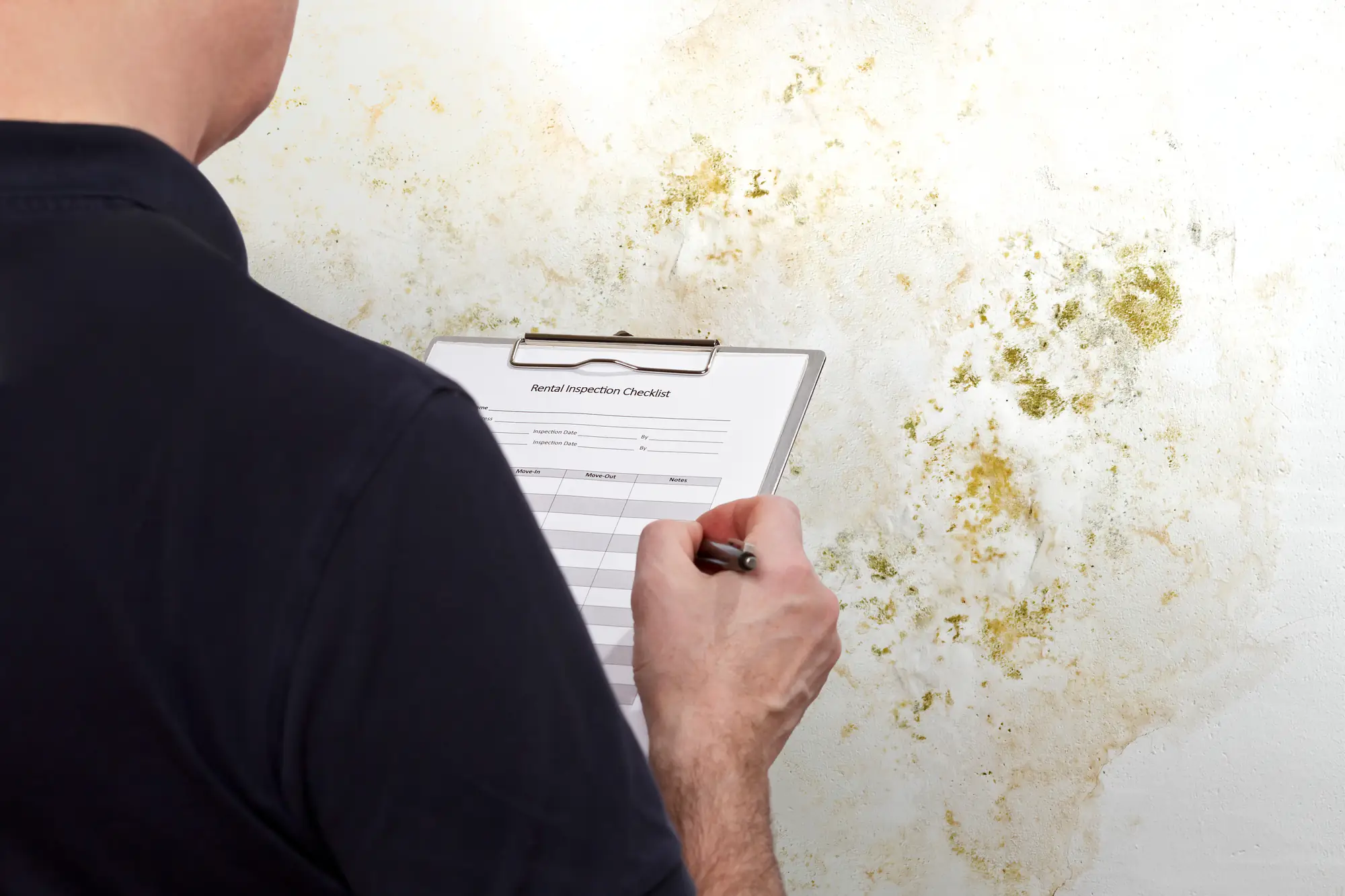
You’re not looking for someone to tell you everything’s fine when it’s not. You need the truth about what’s happening in your home, where the problem is, and what it’ll take to fix it.
A professional mold inspection gives you that clarity. Infrared cameras and moisture meters find mold growing in places you can’t see—under floors, behind walls, inside HVAC systems. Air samples and surface testing identify the exact type of mold and how widespread the contamination is.
Pennsylvania’s humid summers and cold, wet winters create perfect conditions for mold growth. That musty smell in your basement isn’t just unpleasant—it’s a warning. Respiratory issues that won’t go away, allergies that seem worse at home, or visible water damage all point to the same problem.
Early detection stops small issues from becoming structural nightmares. You’re protecting your family’s health, your property value, and your peace of mind. No guessing. No hoping it goes away on its own.
We serve homeowners throughout Gruversville, PA and the surrounding Bucks County area. Our certified inspectors use the latest detection equipment to find mold problems other companies miss.
We’re not here to upsell you on services you don’t need. You get a thorough inspection, clear findings, and honest recommendations. If there’s a problem, we’ll tell you what caused it and how to prevent it from coming back.
Gruversville’s older homes and humid climate mean mold issues are common—but they’re not inevitable. Local knowledge matters when you’re diagnosing moisture problems specific to Pennsylvania construction and weather patterns.
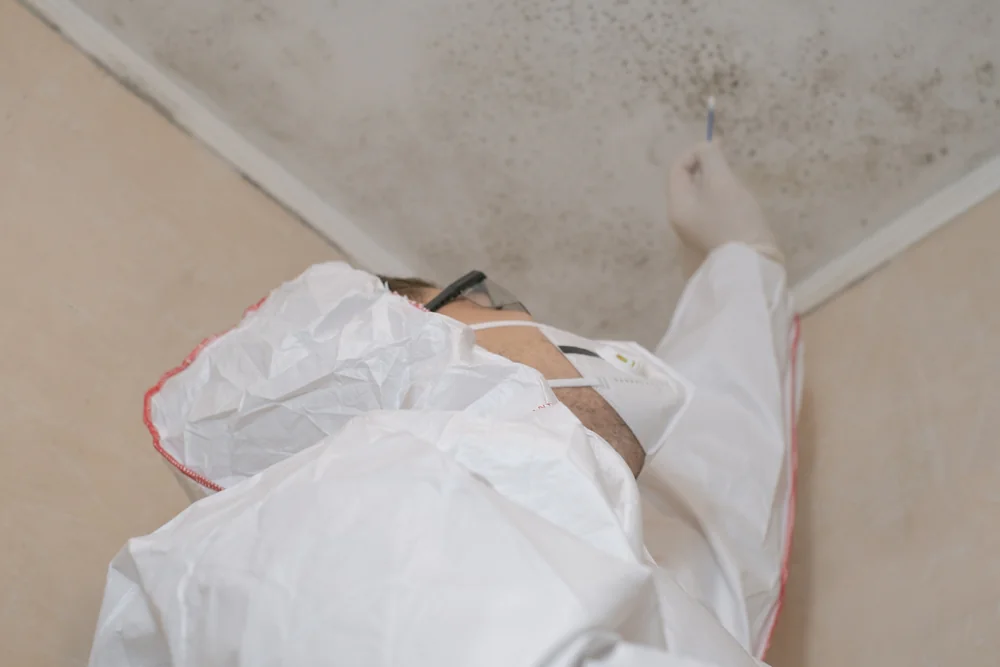
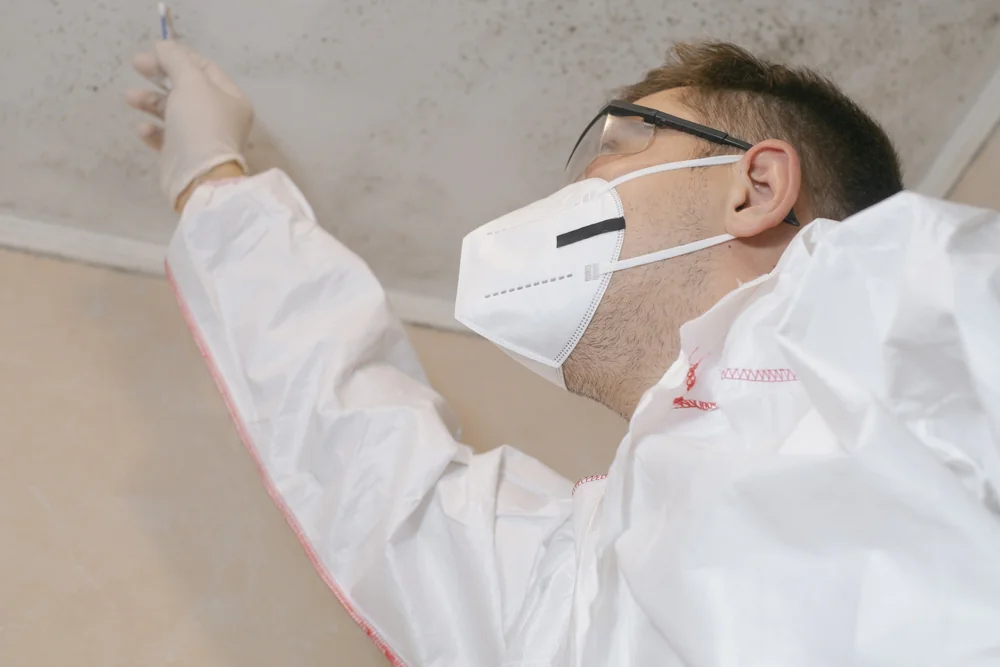
First, we walk through your property and look for visible signs of mold, water damage, and moisture problems. This includes checking basements, attics, crawl spaces, bathrooms, and anywhere water might accumulate.
Next, we use moisture meters and infrared cameras to detect hidden moisture behind walls, under flooring, and in other concealed areas. Mold grows where water collects—finding the moisture source is half the battle.
Then we collect air samples and surface samples from suspected problem areas. These samples go to an independent lab for analysis. You’ll get a detailed report showing what type of mold is present, the concentration levels, and whether it poses health risks.
Finally, we sit down with you and explain the findings in plain language. You’ll understand where the mold is, what caused it, how serious the problem is, and what your options are for remediation. No jargon. No pressure. Just the information you need to make the right decision for your home.

Ready to get started?
You’re getting a complete assessment of your indoor air quality and mold situation. Visual inspection covers every accessible area of your home where mold typically grows. We’re looking at ventilation systems, checking humidity levels, and identifying any active leaks or past water damage.
Moisture mapping with professional-grade meters shows us exactly where water is accumulating—even if there’s no visible mold yet. This is critical in Gruversville homes where foundation moisture and poor attic ventilation create ongoing problems.
Laboratory analysis of collected samples tells you precisely what you’re dealing with. Different mold types require different approaches. Black mold (Stachybotrys) is a serious health concern. Other species might be less dangerous but still need removal.
Your detailed inspection report includes photos, lab results, moisture readings, and specific recommendations. You’ll know if you need remediation, what areas require attention, and what steps prevent future growth. This documentation is also valuable if you’re buying, selling, or dealing with insurance claims.
Most professional mold inspections in the Gruversville area range from $300 to $600 depending on your home’s size and how many samples need lab analysis. A typical single-family home inspection with air and surface sampling usually falls around $400 to $500.
That cost covers the on-site inspection, moisture detection, sample collection, laboratory analysis, and a detailed written report. Some companies charge extra for things like crawl space access or additional sample testing—ask upfront what’s included.
If you’re already planning remediation with the same company, many will credit the inspection cost toward your total project. But getting an independent inspection first—before committing to remediation—often makes sense. You’ll have unbiased information about whether you actually need extensive work or if the problem is smaller than you feared.
Plan on two to three hours for a thorough inspection of an average-sized home. Larger properties or homes with extensive suspected contamination can take longer.
We need time to visually examine all areas, take moisture readings throughout the house, collect multiple air and surface samples, and document findings with photos. Rushing through this process means potentially missing hidden mold or moisture sources.
Lab results typically come back within three to five business days. You’ll receive a comprehensive report explaining what was found, where it’s located, and what it means for your home. We’ll do a follow-up call to walk through the results and answer your questions.
Musty odors that won’t go away are the most common sign. If your basement, bathroom, or any room smells like mildew even after cleaning, there’s likely hidden mold growth.
Visible water damage—stains on ceilings or walls, peeling paint, warped floors—means moisture has been present long enough to cause problems. Where there’s been water, mold usually follows within 24 to 48 hours.
Health symptoms that improve when you leave the house point to indoor air quality issues. Persistent coughing, sneezing, headaches, or respiratory irritation that gets better when you’re away from home often indicates mold exposure.
Recent flooding, plumbing leaks, or roof damage automatically warrant an inspection. Even if you cleaned up the visible water, moisture can remain trapped in walls, insulation, or subflooring. Pennsylvania’s humidity makes it hard for building materials to dry completely without professional intervention.
DIY mold test kits from hardware stores will tell you if mold spores are present—but that’s not particularly useful information. Mold spores exist in every home. What matters is the type of mold, the concentration, and the source of moisture feeding the growth.
Professional inspectors use calibrated equipment to measure moisture levels inside walls and other hidden areas. Infrared cameras detect temperature differences that indicate water intrusion. These tools aren’t available in consumer test kits.
Lab analysis from professional samples identifies specific mold species and spore counts. This information determines whether you’re dealing with a minor issue or a serious health hazard requiring immediate remediation. It also provides documentation if you need to file insurance claims or address issues during real estate transactions.
If you can see mold growth larger than a few square feet, you don’t need testing—you need remediation. But if you’re experiencing symptoms, smelling odors, or have had water damage without visible mold, a professional inspection finds problems before they become obvious.
First, don’t panic. Most mold problems are fixable, especially when caught early. Your inspection report will specify the type of mold, where it’s located, and how extensive the contamination is.
Small areas of surface mold—less than 10 square feet—can often be cleaned by homeowners following proper safety protocols. Larger infestations, black mold, or mold inside walls and HVAC systems require professional remediation.
The report will also identify what’s causing the mold growth. Maybe it’s a slow plumbing leak, poor ventilation in your bathroom, or foundation moisture seeping into your basement. Fixing the moisture source is just as important as removing the mold—otherwise, it’ll just come back.
You’ll get clear recommendations about next steps. This might include remediation services, repairs to address water intrusion, or improvements to ventilation and humidity control. You’re not obligated to use any particular company for the work. The inspection gives you the information to make informed decisions about protecting your home and your family’s health.
Control moisture and you control mold. Keep indoor humidity below 50% using dehumidifiers, especially in basements during Pennsylvania’s humid summer months. Bathroom and kitchen exhaust fans should vent outside—not into your attic.
Fix water problems immediately. That small roof leak or dripping pipe won’t get better on its own. The longer water sits, the more likely mold will start growing. Check under sinks, around toilets, and near water heaters regularly for signs of moisture.
Improve air circulation in problem areas. Basements, crawl spaces, and attics need proper ventilation to prevent moisture buildup. Make sure your gutters and downspouts direct water away from your foundation—not toward it.
Clean and maintain your HVAC system. Change filters regularly and have ducts inspected if you notice musty odors when the system runs. Mold growing in ductwork spreads spores throughout your entire home every time the heat or AC kicks on.
Regular inspections after any water event—flooding, major leaks, or storm damage—catch problems before they become expensive. Gruversville’s weather patterns mean moisture management isn’t optional. It’s ongoing maintenance that protects your investment and your health.
Other Services we provide in Gruversville