
Hear from Our Customers
You’ve noticed the smell. Maybe you’ve seen the dark spots creeping along the bathroom ceiling or behind the washing machine. Or maybe you haven’t seen anything yet, but someone in your house can’t stop coughing.
Mold doesn’t announce itself until it’s already a problem. And by the time you’re searching for mold removal experts in Gruversville, PA, you’re probably dealing with more than just a cosmetic issue. You’re worried about your family’s health, your home’s value, and whether this is going to cost you thousands to fix.
Here’s what happens when mold gets handled the right way. The air in your home clears up. The musty smell disappears. Your kids stop waking up with stuffy noses. You’re not wondering if every rainstorm is going to make it worse. And if you’re selling, you’re not scrambling to disclose a mold problem that tanks your asking price.
That’s what professional mold remediation actually does. It removes the contamination, addresses the moisture source, and gives you documentation that proves the job was done right. You’re not just covering up a problem—you’re eliminating it.
We’ve been serving Gruversville and Bucks County for over 15 years. We’re not a franchise with a call center three states away. Jeff, the owner, runs the jobs, answers the phone, and shows up when he says he will.
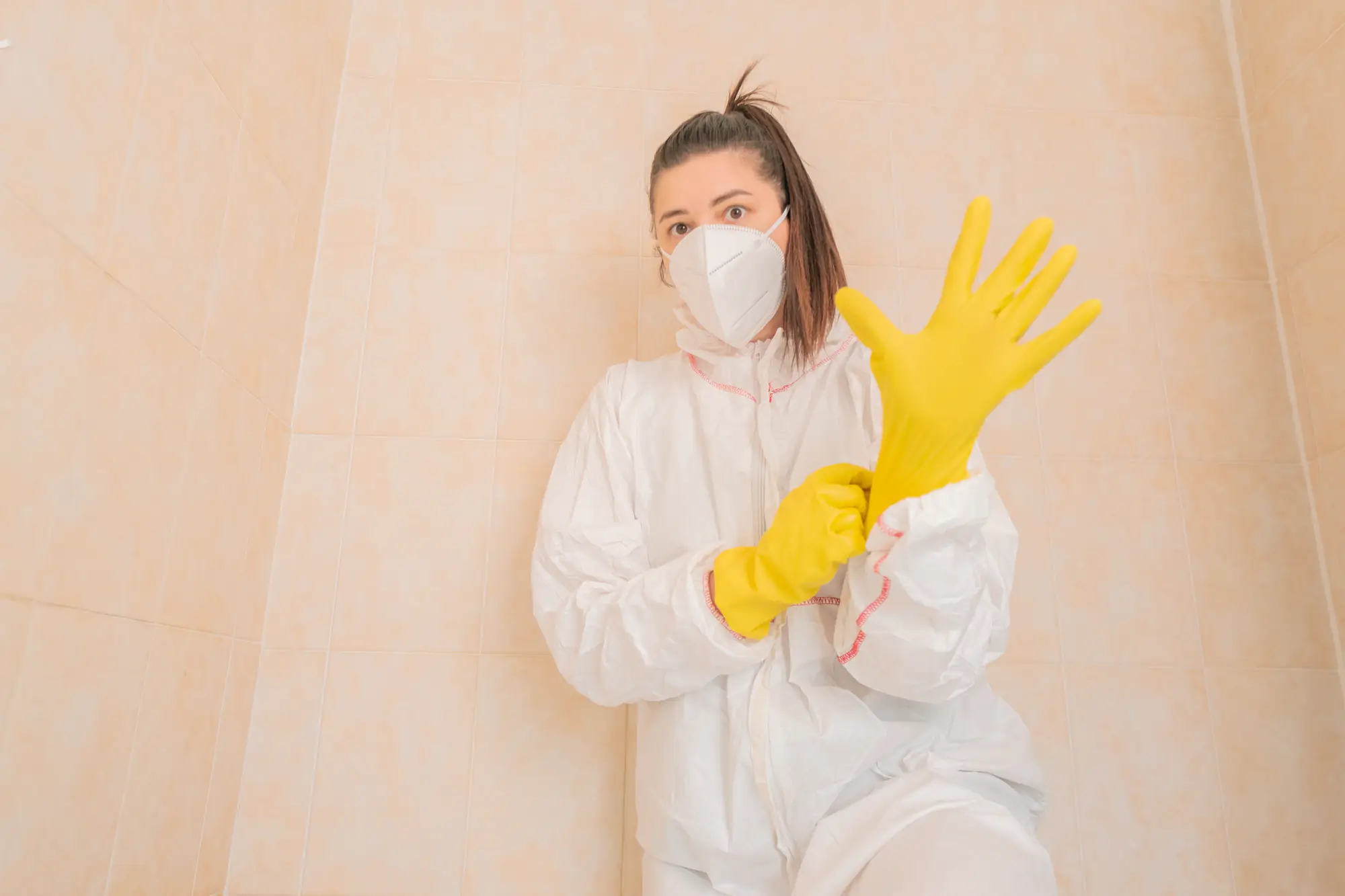
We’re certified mold remediation specialists who follow EPA protocols and Pennsylvania state guidelines. That means proper containment, HEPA filtration, and post-remediation testing to confirm the mold is actually gone. We’ve seen what happens when mold gets ignored in older Gruversville homes—especially the ones with stone foundations and crawl spaces that hold moisture like a sponge.
You’re not getting a sales pitch. You’re getting a free inspection, a clear explanation of what’s wrong, and a realistic plan to fix it. If you’ve got mold, we’ll tell you. If you don’t, we’ll tell you that too.
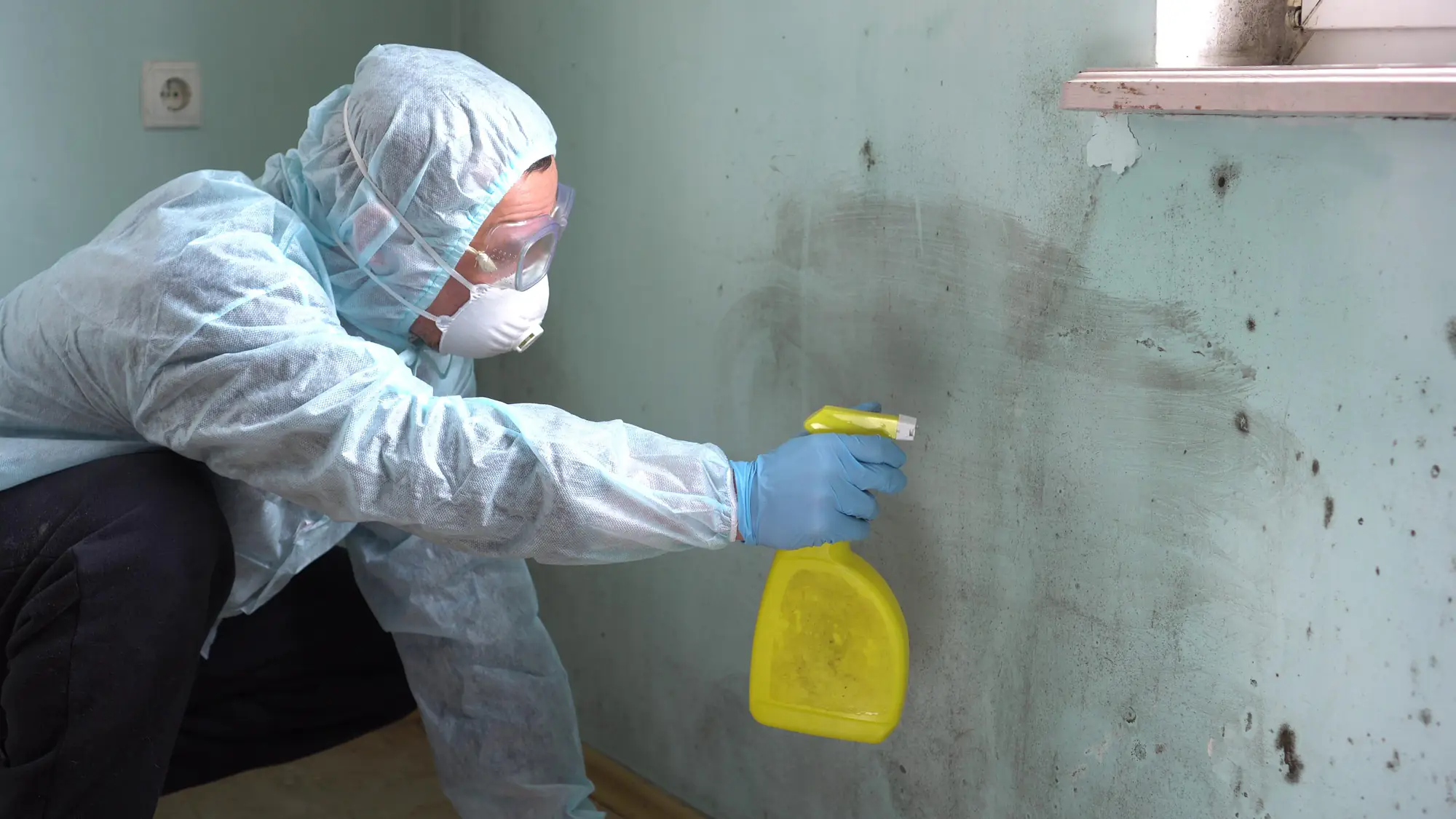
First, we come out and inspect your property at no cost. We’re looking for visible mold, moisture sources, and hidden problem areas using thermal imaging and moisture meters. If we find mold, we’ll test it to identify the type and severity.
You’ll get a detailed report within 24 hours. No jargon, no upselling—just a breakdown of what’s growing, where it’s coming from, and what it’ll take to remove it. If insurance is involved, we’ll document everything you need for your claim.
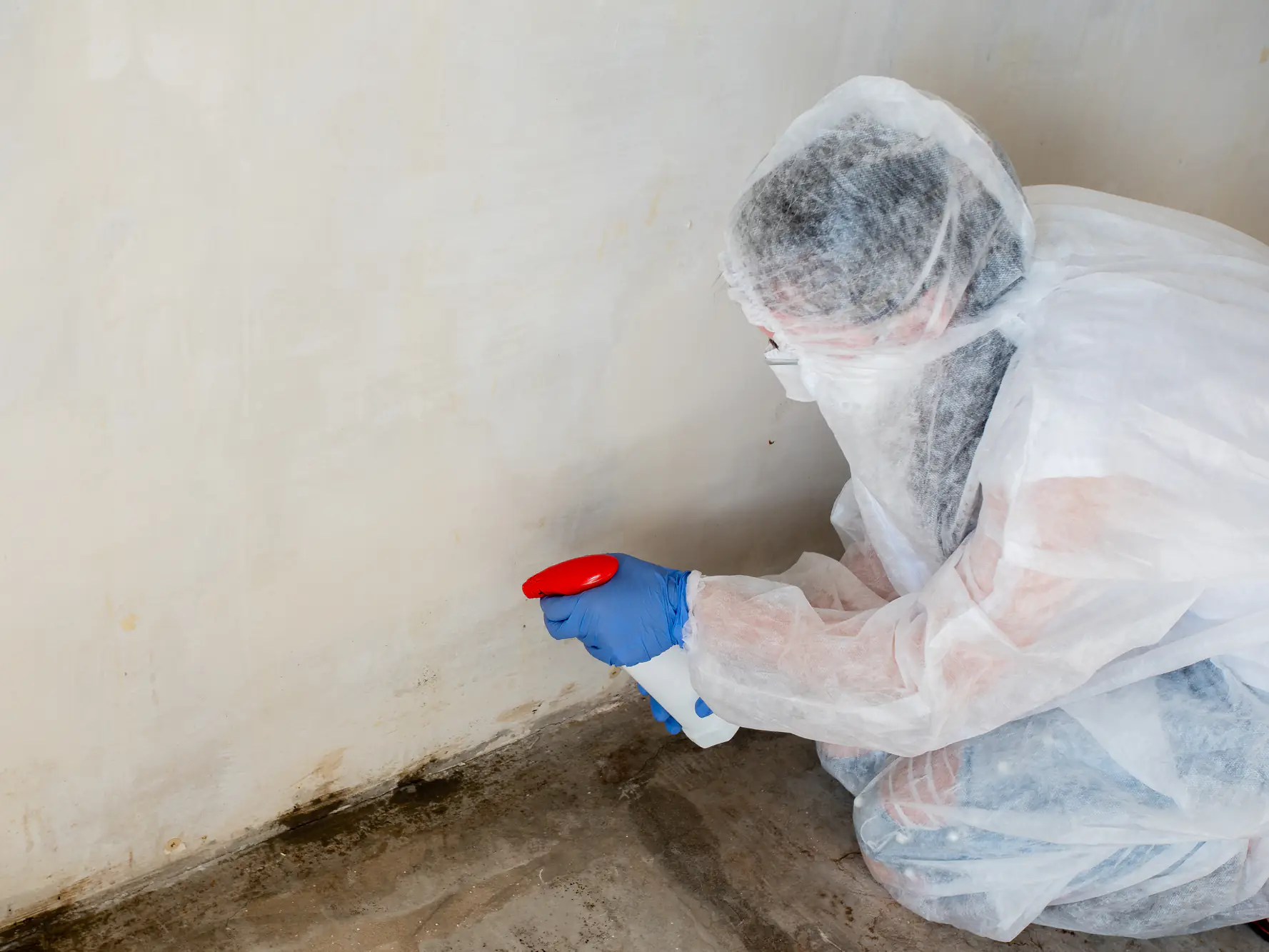
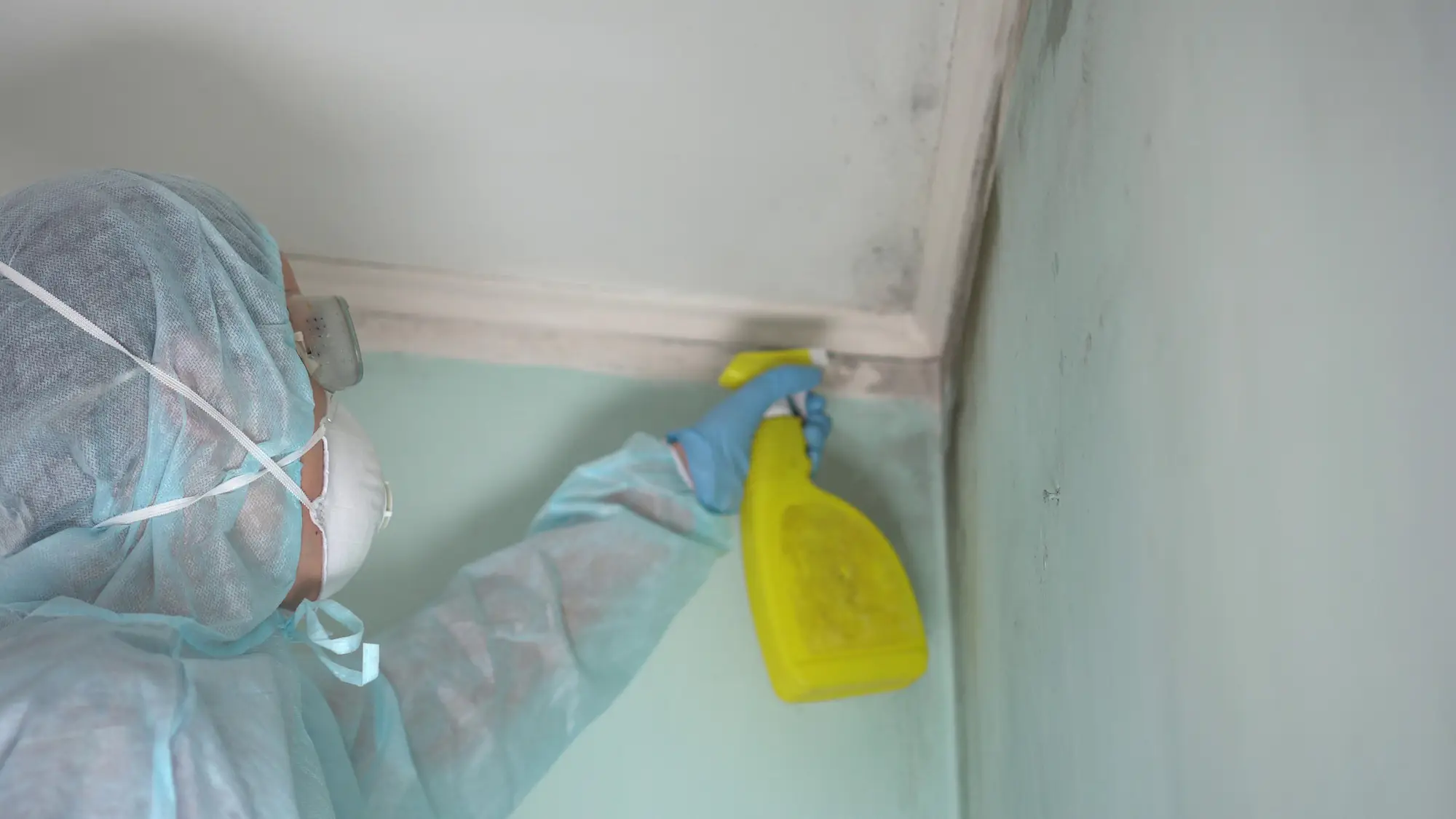
Once you approve the plan, we contain the affected area to prevent spores from spreading. We use HEPA air scrubbers to filter the air while we remove contaminated materials. Then we treat surfaces with antimicrobial solutions, dry everything out, and run post-tests to confirm mold levels are back to normal.
The whole process typically takes one to three days depending on the size of the job. You’ll know the timeline upfront, and we’ll keep you updated if anything changes. When we’re done, you get a clearance report that proves your home is safe.
Ready to get started?
Every mold remediation job includes a full inspection, containment setup, HEPA air filtration, removal of contaminated materials, antimicrobial treatment, and post-remediation testing. You’re not paying for extras—that’s the standard process for doing the job right.
We also handle the moisture problem that caused the mold in the first place. That might mean fixing a leaky pipe, improving ventilation, or recommending a dehumidifier for your basement. Gruversville’s humidity and older housing stock make this step critical. If you don’t address the water source, mold comes back.
For black mold specifically, we follow stricter containment protocols because of the health risks. Stachybotrys (the technical name for black mold) produces mycotoxins that can cause serious respiratory issues, especially in kids and anyone with asthma or allergies. We treat it with the seriousness it deserves.
You’ll also get help with insurance documentation if your mold problem is related to a covered event like a burst pipe or storm damage. We’ve worked with most of the major carriers in Bucks County and know what they need to process your claim.

You’ll usually notice a musty smell first—that’s the clearest sign that mold is growing somewhere, even if you can’t see it yet. Visible mold shows up as black, green, or white patches on walls, ceilings, grout, or anywhere moisture collects. But plenty of mold grows behind walls, under flooring, or in crawl spaces where you’d never spot it without an inspection.
Health symptoms are another indicator. If people in your house are dealing with unexplained allergies, persistent coughing, headaches, or respiratory issues that get better when they leave the house, mold exposure could be the cause. Kids and anyone with asthma are especially sensitive.
Water damage is the biggest red flag. If you’ve had a leak, flooding, or even just high humidity in your basement, there’s a good chance mold started growing within 24 to 48 hours. The only way to know for sure is to get a professional inspection with moisture readings and air quality testing.
Small surface mold on non-porous materials like tile or glass can sometimes be cleaned with the right products, but most DIY attempts either spread the problem or miss the root cause. Mold releases spores when it’s disturbed, and without proper containment and air filtration, you’re just moving those spores to other parts of your home.
The bigger issue is that visible mold is usually a symptom of hidden growth. If you’re seeing mold on drywall, there’s a strong chance it’s also growing inside the wall cavity where moisture is trapped. Cleaning the surface doesn’t address what’s behind it, and it doesn’t fix the leak or humidity problem that caused it.
For black mold or any contamination larger than about 10 square feet, the EPA recommends hiring a certified mold remediation company. You need containment barriers, HEPA vacuums, protective equipment, and antimicrobial treatments to do it safely. Cutting corners on mold removal usually means you’re doing the job twice—and paying more the second time.
Most mold removal jobs in Gruversville run between $1,500 and $4,000 depending on the size of the contaminated area and how much material needs to be removed. Small bathroom jobs might cost less. Whole-basement remediation after a flood can run higher. The average is around $2,300, but every situation is different.
The cost depends on a few factors: how much mold is present, what materials are affected (drywall is cheaper to replace than hardwood), whether there’s structural damage, and how difficult the area is to access. Crawl spaces and attics take more time and equipment than a bathroom.
Your inspection will include a detailed estimate before any work starts, so there are no surprises. If your mold problem is related to a covered insurance event—like a burst pipe or storm damage—your policy may cover part or all of the remediation cost. We’ll help you document everything for your claim and work directly with your adjuster if needed.
Most residential mold remediation jobs take between one and three days from start to finish. Small, contained areas like a bathroom or closet can often be completed in a day. Larger projects involving multiple rooms, basements, or structural repairs take longer.
The timeline depends on the extent of contamination, how much material needs to be removed, and how long it takes to dry out the affected area. We can’t rush the drying process—moisture levels have to drop below 16% before we can close up walls and run final tests. Trying to speed through that step just invites mold to come back.
You’ll get a clear timeline during your inspection. If something changes during the job—like discovering additional mold behind a wall—we’ll let you know immediately and explain how it affects the schedule. Most homeowners can stay in the house during remediation as long as the contaminated area is properly contained and sealed off.
Mold will come back if the moisture problem isn’t fixed. That’s the most important thing to understand. You can remove every trace of mold from your walls, but if there’s still a leaky pipe, poor ventilation, or high humidity, new mold will start growing within days.
Professional mold remediation addresses both the contamination and the cause. We identify where the moisture is coming from—whether it’s a plumbing leak, condensation, groundwater seeping through your foundation, or just poor airflow in a damp basement. Then we either fix it ourselves or tell you exactly what needs to be repaired.
Once the source is handled and the remediation is complete, mold shouldn’t return to that area. We also provide recommendations for preventing future problems, like using dehumidifiers, improving ventilation, or monitoring humidity levels. Gruversville’s climate means basements and crawl spaces need extra attention, especially during humid summer months.
Yes. We work with homeowners insurance claims regularly and know what documentation carriers need to approve mold remediation coverage. If your mold problem is related to a covered event—like a burst pipe, appliance leak, or storm damage—there’s a good chance your policy will cover at least part of the cost.
We’ll take photos, document moisture readings, provide detailed estimates, and explain the scope of work in terms your adjuster will understand. Many insurance companies require specific protocols for mold removal, and we’re already following those standards as part of our normal process.
Keep in mind that most policies don’t cover mold caused by long-term neglect or maintenance issues like a slow leak you ignored for months. But if the mold resulted from a sudden, unexpected event, you’ve got a strong case for coverage. We’ll walk you through the process and answer questions as they come up so you’re not navigating the claim alone.
Other Services we provide in Gruversville