
Hear from Our Customers
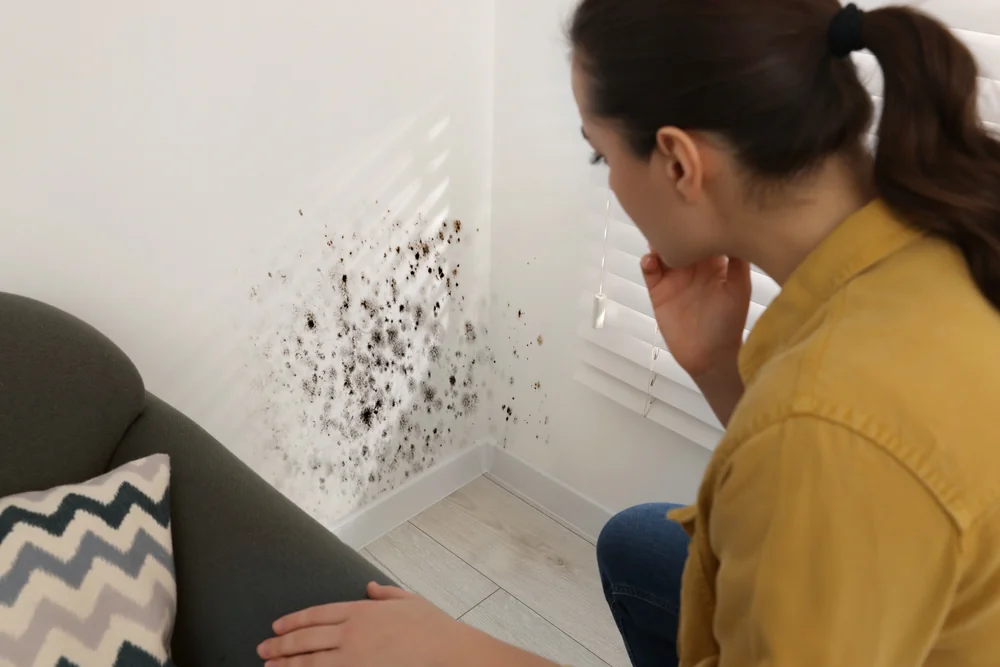
You’ve noticed the symptoms. Maybe it’s the musty smell in the basement that won’t go away. Maybe your kids’ allergies are worse at home than anywhere else. Maybe you’re dealing with headaches, congestion, or respiratory issues that clear up when you leave the house.
Those aren’t coincidences. Your home’s air quality is telling you something’s wrong.
A home air quality test gives you actual data about what’s in the air you’re breathing. We’re talking about mold spores, allergens, volatile organic compounds, and other pollutants that you can’t see but are absolutely affecting your health. Bucks County’s humid climate makes this worse—moisture gets trapped in older homes, basements stay damp, and mold finds perfect conditions to grow behind walls and under floors.
Testing shows you exactly what the problem is and where it’s coming from. Not a guess. Not a visual inspection that misses what’s hidden. Real analysis using air sampling and surface testing that identifies the specific contaminants affecting your indoor air quality. Once you know what you’re dealing with, you can actually fix it instead of masking symptoms or cleaning the same spots over and over.
Mack’s Mold Removal has been handling mold and air quality issues across Bucks County for years. We’re certified mold remediation professionals who understand the specific challenges that come with properties in this area—from historic Springfield Township farmhouses with stone foundations to newer construction that wasn’t properly ventilated.
Gruversville sits in a humid zone where moisture problems are common. Basements leak, crawl spaces trap humidity, and Pennsylvania’s weather patterns create perfect conditions for mold growth. We’ve seen it in hundreds of local homes, and we know how to find it even when it’s not visible.
Our residential air quality testing uses EPA-approved methods and advanced equipment like moisture meters and infrared cameras. We don’t just look around and give you our opinion. We collect samples, analyze them, and give you documentation of what’s actually in your air. Then we help you understand what needs to happen next.

First, we come to your property for a free inspection. We walk through your home, ask about symptoms you’ve noticed, and look for visible signs of moisture problems or mold growth. This includes checking basements, attics, crawl spaces, bathrooms, and anywhere else that tends to trap humidity.
Next, we conduct air sampling. We use specialized equipment to collect air samples from different areas of your home, including spaces where you’ve noticed issues and areas that seem fine. We also take outdoor samples as a baseline for comparison. If we see visible mold or suspect contamination on surfaces, we’ll take surface samples too.
Those samples go to a certified lab for analysis. The lab identifies what types of mold spores or other contaminants are present and measures the concentration levels. This tells us whether you’re dealing with normal background levels or elevated counts that need attention.
Once results come back, we review them with you in plain language. We explain what was found, what it means for your health, and where the contamination is likely coming from. Then we outline what needs to happen—whether that’s mold remediation, moisture control, ventilation improvements, or other solutions. You get a detailed report you can use for insurance claims or real estate transactions if needed.
Ready to get started?
Our mold air test includes a thorough visual inspection of your entire property. We check every area where moisture problems typically develop in Bucks County homes—basements with stone foundations, attics with poor ventilation, bathrooms without proper exhaust fans, and crawl spaces that stay damp year-round.
We use moisture meters to measure humidity levels in walls, floors, and ceilings. High moisture readings tell us where mold is likely growing even if we can’t see it yet. Infrared cameras help us spot temperature differences that indicate water intrusion or trapped moisture behind surfaces.
Air sampling captures what’s actually floating around in your indoor environment. We collect samples from multiple rooms and send them to an accredited laboratory that specializes in mold and air quality analysis. Surface sampling targets visible growth or suspicious areas to identify specific mold species.
You receive a comprehensive report with lab results, photos from the inspection, moisture readings, and our professional assessment. We explain what the findings mean in terms you can understand and recommend next steps based on what we found. If remediation is needed, we give you a detailed estimate before any work starts. If your issue is covered by insurance, we’ll work directly with your insurance company to help with the claims process.
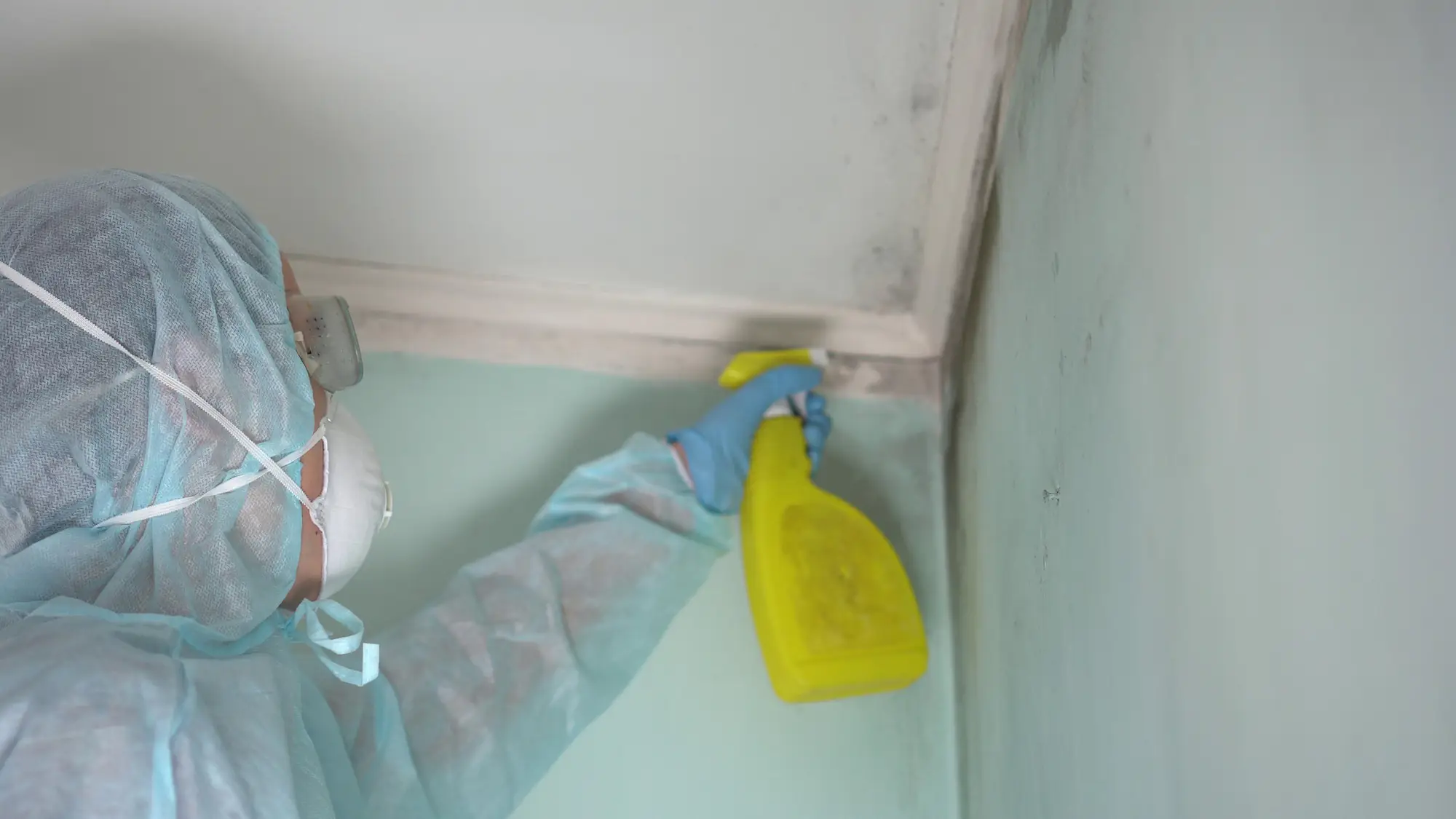
The on-site inspection and sampling usually takes one to two hours depending on the size of your home and how many areas we’re testing. We’re not rushing through it—we need time to do a thorough visual inspection, take moisture readings, set up air sampling equipment, and collect surface samples if needed.
After we collect samples, they go to the lab for analysis. Lab results typically come back within three to five business days. Some labs offer rush processing if you’re in a time-sensitive situation like a real estate transaction, but standard turnaround is under a week.
Once we have results, we schedule a follow-up consultation to review findings with you. That conversation can happen over the phone or in person, whatever works better for you. The whole process from initial inspection to getting your results and recommendations usually wraps up within a week.
A visual inspection is exactly what it sounds like—we look for visible signs of mold growth, water damage, moisture problems, and conditions that promote mold. It’s useful, but it only catches what we can see. Mold often grows behind walls, under flooring, in HVAC systems, and other hidden spaces that aren’t visible during a walkthrough.
Air testing captures mold spores and other contaminants that are floating around in your indoor environment whether you can see the source or not. The lab analysis tells us what types of mold are present and whether the concentration levels are elevated compared to normal outdoor air. This is especially important when people are experiencing health symptoms but there’s no obvious mold growth visible anywhere.
Surface testing is a third option where we swab or tape-lift samples from specific areas that look suspicious. This identifies the exact species of mold growing in that spot. Most comprehensive mold assessments combine all three approaches—visual inspection to find obvious problems, air testing to measure what’s in your breathing space, and surface testing to identify specific growth. That gives you the complete picture of what’s happening in your home.
Yes, but with some important context. Air quality testing measures the concentration of mold spores in your indoor air and compares it to outdoor baseline levels. If your indoor levels are significantly higher than outdoor levels, that indicates you have mold growing somewhere inside your home releasing spores into the air.
The lab results will show you exactly which types of mold are present. Some species are more concerning than others from a health standpoint. The report also shows spore counts, which tell us whether you’re dealing with a minor issue or serious contamination that needs immediate attention.
What testing doesn’t always do is pinpoint the exact location of hidden mold. Air samples tell us mold is present and releasing spores, but if it’s growing inside a wall cavity or under flooring, we still need to do investigative work to find the source. That’s where moisture meters and infrared cameras come in—they help us track down where water is getting in and where mold is likely growing. The combination of lab results and diagnostic equipment gives us enough information to locate the problem and recommend the right remediation approach.
We offer free inspections, which include the visual assessment and moisture readings. If you decide to move forward with air sampling and lab analysis, costs depend on how many samples we’re collecting and what type of testing you need.
A basic residential air quality test with samples from two or three rooms typically runs a few hundred dollars. More comprehensive testing that includes multiple areas, surface samples, and detailed analysis costs more. We give you an upfront estimate before collecting any samples so you know exactly what you’re paying for.
Keep in mind that testing is an investment that can save you money in the long run. If you’re buying a home in Bucks County, spending a few hundred dollars on a mold air test before closing can reveal problems that cost thousands to remediate later. If you’re dealing with health issues, testing identifies the cause so you can fix it instead of spending money on medications and doctor visits that only treat symptoms. And if you’re filing an insurance claim for water damage, professional testing provides the documentation you need to support your claim.
You can buy DIY mold test kits at hardware stores, but they have serious limitations. Most of them just tell you that mold is present—which isn’t particularly useful since mold spores exist in basically every indoor environment. What matters is the type of mold and the concentration levels, and cheap test kits don’t give you that information.
DIY kits also don’t come with professional interpretation. Even if you get lab results back, you’re left trying to figure out what the numbers mean, whether the levels are dangerous, and what you should do about it. Without experience in mold assessment, it’s easy to either overreact to normal background levels or underestimate a serious problem.
Professional air quality testing uses calibrated equipment, proper sampling techniques, and accredited laboratories. We collect samples from multiple locations including outdoor baseline samples for comparison. We know where to test, how long to run the sampling equipment, and how to avoid contaminating samples. You get detailed results with professional interpretation and clear recommendations. If remediation is needed, we can start immediately instead of waiting for you to find a contractor after getting DIY test results. For a few hundred dollars more than a DIY kit, you get accuracy, expertise, and actionable answers.
If testing confirms elevated mold levels, we walk you through exactly what needs to happen. First, we identify the moisture source feeding the mold growth—whether that’s a leaky basement, plumbing issue, roof leak, condensation problem, or poor ventilation. Mold needs moisture to grow, so fixing the water problem is essential or the mold will just come back after remediation.
Next, we contain the affected area to prevent mold spores from spreading to clean areas during removal. We use physical barriers and negative air pressure to isolate the work zone. Then we remove contaminated materials following EPA guidelines and Pennsylvania regulations. Some materials like drywall and insulation can’t be cleaned and have to be removed and replaced. Hard surfaces can often be cleaned and treated.
After removal, we treat the area with antimicrobial solutions and dry everything thoroughly. We use commercial dehumidifiers and air movers to eliminate moisture. Once remediation is complete, we can do post-remediation testing to verify that mold levels are back to normal. You get documentation showing the work was done properly, which is important for insurance claims and if you ever sell the property. We also help you understand what maintenance and prevention steps will keep mold from returning.
Other Services we provide in Gruversville