
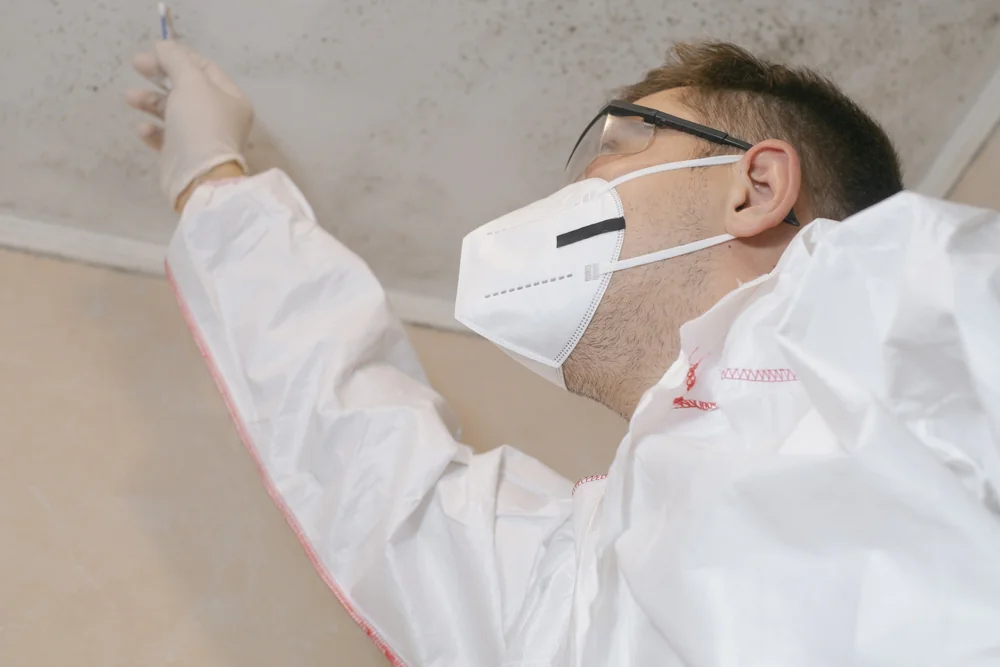
Hear from Our Customers
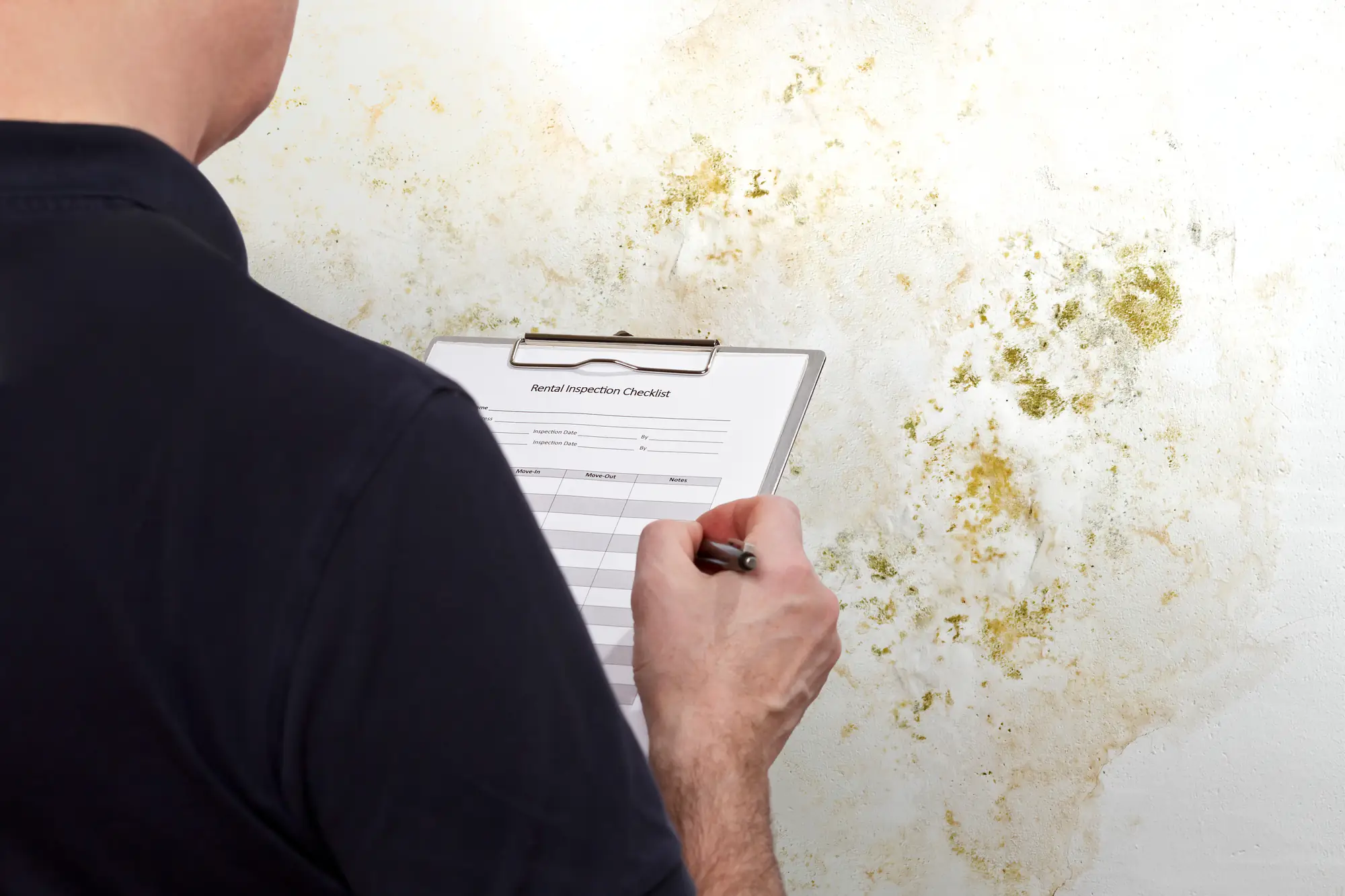
You can’t see mold growing behind your bathroom tile or under your hardwood floors. But you might smell it. Or notice your allergies getting worse when you’re home. Or see a water stain that won’t dry.
That’s where home mold inspection comes in. We use air sampling, moisture mapping, and surface testing to find contamination you can’t see. Then we tell you exactly what’s there, how much, and what’s causing it.
Most Rittenhouse Square properties we inspect have some level of mold. That’s not unusual in buildings with brick foundations, older plumbing, and limited airflow. What matters is knowing where it is, what type you’re dealing with, and whether it’s affecting your indoor air quality.
Our mold detection company provides independent testing with no conflict of interest. We don’t do remediation, so we’re not trying to upsell you on services you don’t need. You get accurate results, a detailed report with photos, and clear next steps based on what we actually find.
Mack’s Mold Removal has been inspecting properties across Philadelphia for years. We understand how mold behaves in Rittenhouse Square’s brownstones, how humidity affects high-rise apartments, and where moisture hides in buildings constructed before modern waterproofing existed.
Our inspectors are certified and trained to spot problems other companies miss. We’ve worked in hundreds of Philadelphia homes and know the difference between surface mold you can wipe away and contamination that requires professional remediation.
When you call us, you’re working with people who’ve seen every type of mold problem this city throws at properties. We know what questions to ask, where to look, and how to document findings so you can make informed decisions about your next steps.
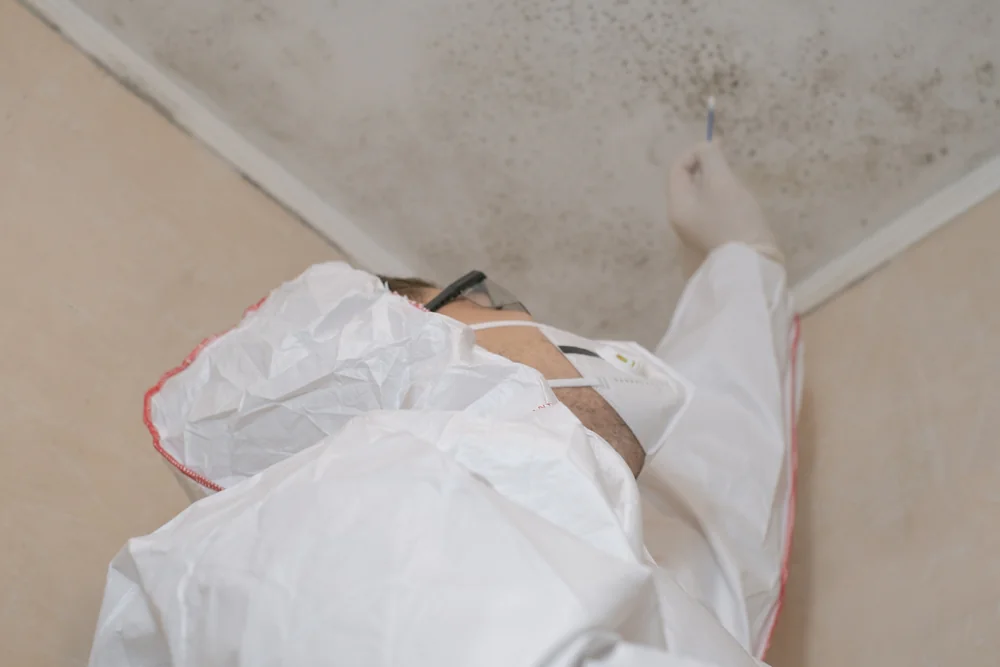
First, we walk through your property and talk about what you’ve noticed. Musty smells, visible growth, water damage, health symptoms – anything that made you call. This conversation tells us where to focus our testing.
Next, we conduct a visual inspection of your entire space. We’re looking at obvious problem areas like bathrooms and basements, but also checking places most people don’t think about. Behind appliances, inside HVAC systems, around windows, under sinks. We use moisture meters to find hidden water sources that create mold-friendly conditions.
Then comes the testing. We collect air samples to measure spore counts in your indoor air compared to outdoor levels. We take surface samples from suspected growth areas. If needed, we’ll do invasive testing behind walls or under flooring where we suspect hidden contamination.
You’ll get a detailed report within a few days. It includes lab results showing what types of mold are present, concentration levels, photos of problem areas, and our assessment of what’s causing the growth. We also provide clear recommendations – whether you need remediation, can handle cleanup yourself, or just need to fix a moisture problem.

Ready to get started?
Black mold inspection isn’t just about identifying Stachybotrys. You get comprehensive testing that identifies all mold types present, measures spore concentrations, and pinpoints moisture sources feeding the growth.
Our mold detection services include thermal imaging to spot temperature differences that indicate water intrusion. We test your HVAC system because that’s how spores spread throughout your property. We check humidity levels in different rooms to identify areas at risk for future growth.
Rittenhouse Square properties face unique challenges. Many buildings here were constructed in the 1800s with brick and mortar that absorbs moisture differently than modern materials. High-rise apartments often have HVAC systems that circulate air between units, spreading contamination. Historic townhomes have unfinished basements where humidity sits unnoticed for months.
We document everything for insurance purposes if you need to file a claim. Our reports meet Philadelphia Department of Public Health standards and include the technical details remediation companies need to create accurate quotes. You’re not guessing about what needs to be done or how much it should cost.
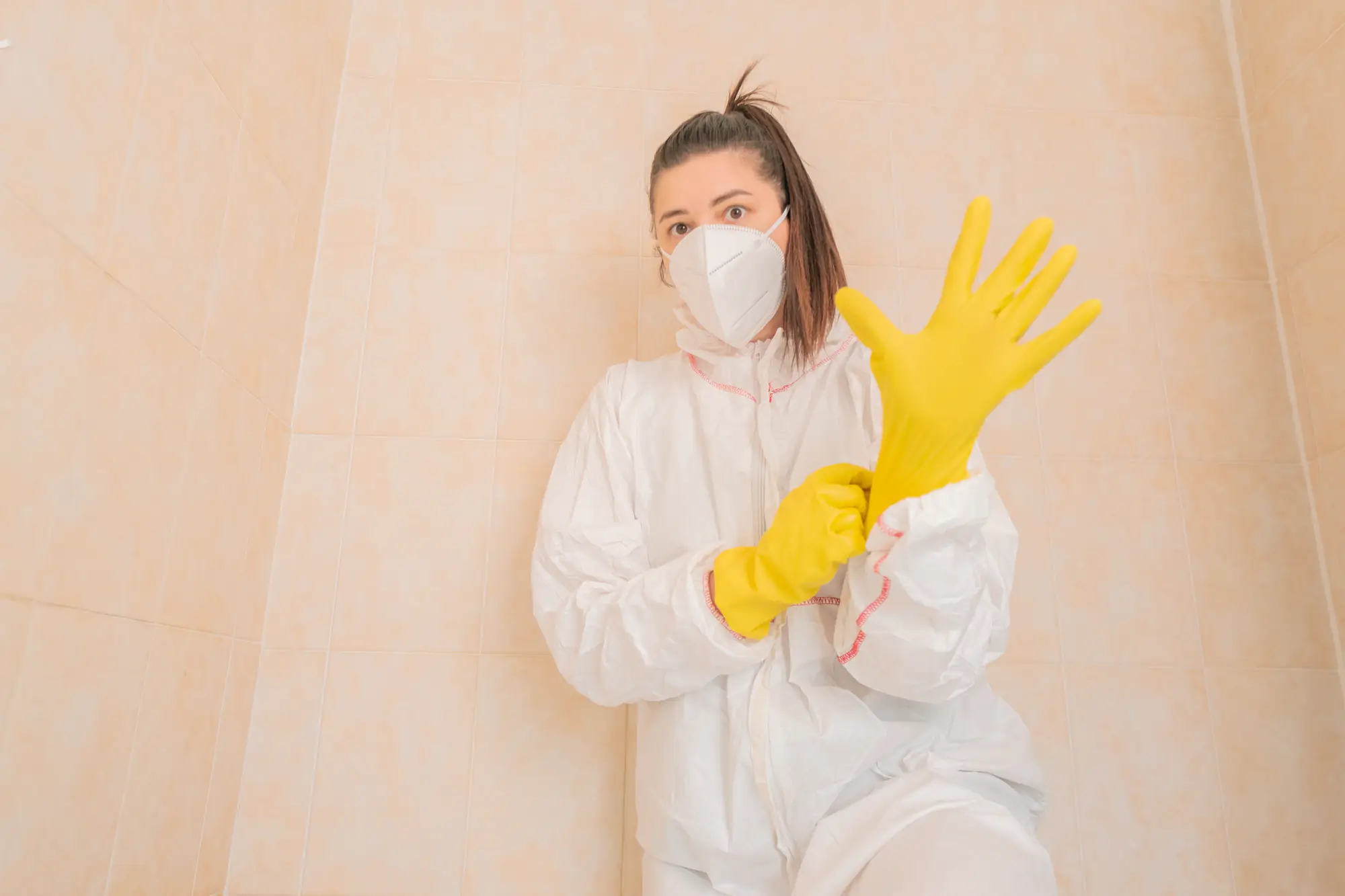
Most home mold inspections in Rittenhouse Square run between $300 and $800 depending on your property size and how many samples we need to collect. A studio apartment with one suspected area costs less than a three-story townhome where we’re testing multiple rooms.
The inspection fee covers our time on-site, laboratory analysis of all samples, and a written report with findings and recommendations. Some companies offer free inspections, but they’re usually tied to remediation services, which creates a conflict of interest. You want unbiased results from someone who’s not trying to sell you cleanup services.
If you’re dealing with a specific problem area like a bathroom or basement, we can focus testing there to keep costs down. If you’re buying a property or concerned about air quality throughout your home, comprehensive testing gives you a complete picture. We’ll recommend the right scope based on what you’re dealing with.
Mold inspection is the visual assessment where we walk through your property looking for growth, water damage, and conditions that support mold. Testing involves collecting samples – either air samples or surface samples – and sending them to a lab for analysis.
You might need inspection without testing if you have obvious growth and just want to identify moisture sources before remediation. You might need testing without extensive inspection if you’re experiencing health symptoms but can’t find visible mold. Most people benefit from both.
Testing tells you what types of mold are present and whether spore counts are elevated compared to normal outdoor levels. That information helps determine if you need professional remediation or if the problem is minor enough to handle yourself. It also provides documentation for insurance claims and gives remediation companies the details they need to quote your project accurately.
Plan on two to three hours for a typical Rittenhouse Square apartment or townhome. Larger properties or buildings with extensive water damage take longer. We’re not rushing through your space – we’re checking areas most people never look at.
The visual inspection usually takes an hour or more depending on your property size and how many areas we’re examining. Sample collection adds another 30 to 60 minutes. We’re taking multiple air samples from different rooms, collecting surface samples from suspected growth areas, and using moisture meters throughout your property.
You’ll get preliminary observations before we leave, but full lab results take three to five business days. The lab needs time to culture samples and identify specific mold species. Once results come back, we compile everything into a detailed report with photos, lab data, and our recommendations for next steps.
Yes, you can stay in your home during the inspection. The process doesn’t create any health risks or require you to leave. We’re not disturbing contaminated areas or creating airborne spores – we’re carefully collecting samples using contained methods.
Some people prefer to be present during the inspection so they can ask questions and see what we’re finding in real time. Others drop off keys and let us work independently. Either approach works fine.
If we discover extensive contamination during the inspection, we’ll discuss whether you should limit time in affected areas until remediation happens. But the inspection itself doesn’t make your environment less safe than it already is. We’re just documenting what’s there so you can make informed decisions about addressing it.
Insurance coverage for mold depends on what caused the problem. If mold resulted from a covered event like a burst pipe or roof leak, most policies cover both testing and remediation. If mold developed from long-term neglect, high humidity, or maintenance issues, coverage is less likely.
Your policy probably has mold coverage limits – often $10,000 to $15,000 – even when the cause is covered. Some policies exclude mold entirely unless you purchased additional coverage. You need to review your specific policy or call your insurance company to understand what’s covered.
We provide detailed documentation that insurance companies need to process claims. Our reports include photos, lab results showing mold types and concentrations, and our professional assessment of what caused the growth. This documentation strengthens your claim by showing the extent of contamination and connecting it to a specific cause. Many of our Rittenhouse Square clients successfully file claims using our inspection reports as supporting evidence.
If we find mold, you’ll get a report explaining what types are present, where they’re growing, concentration levels in your air, and what’s causing the moisture that’s feeding the growth. Then you decide what to do next based on the severity.
Minor surface mold in a bathroom might just need better ventilation and cleaning with the right products. Extensive contamination behind walls or in your HVAC system requires professional remediation. Our report gives you enough information to get accurate quotes from remediation companies and understand what work actually needs to happen.
We’re not trying to scare you into unnecessary services. Some mold is normal in every building. What matters is whether levels are elevated enough to affect your health or property, and whether the underlying moisture problem is getting worse. Our job is giving you accurate information so you can make the right decision for your situation and budget.
Other Services we provide in Rittenhouse Square