
Hear from Our Customers
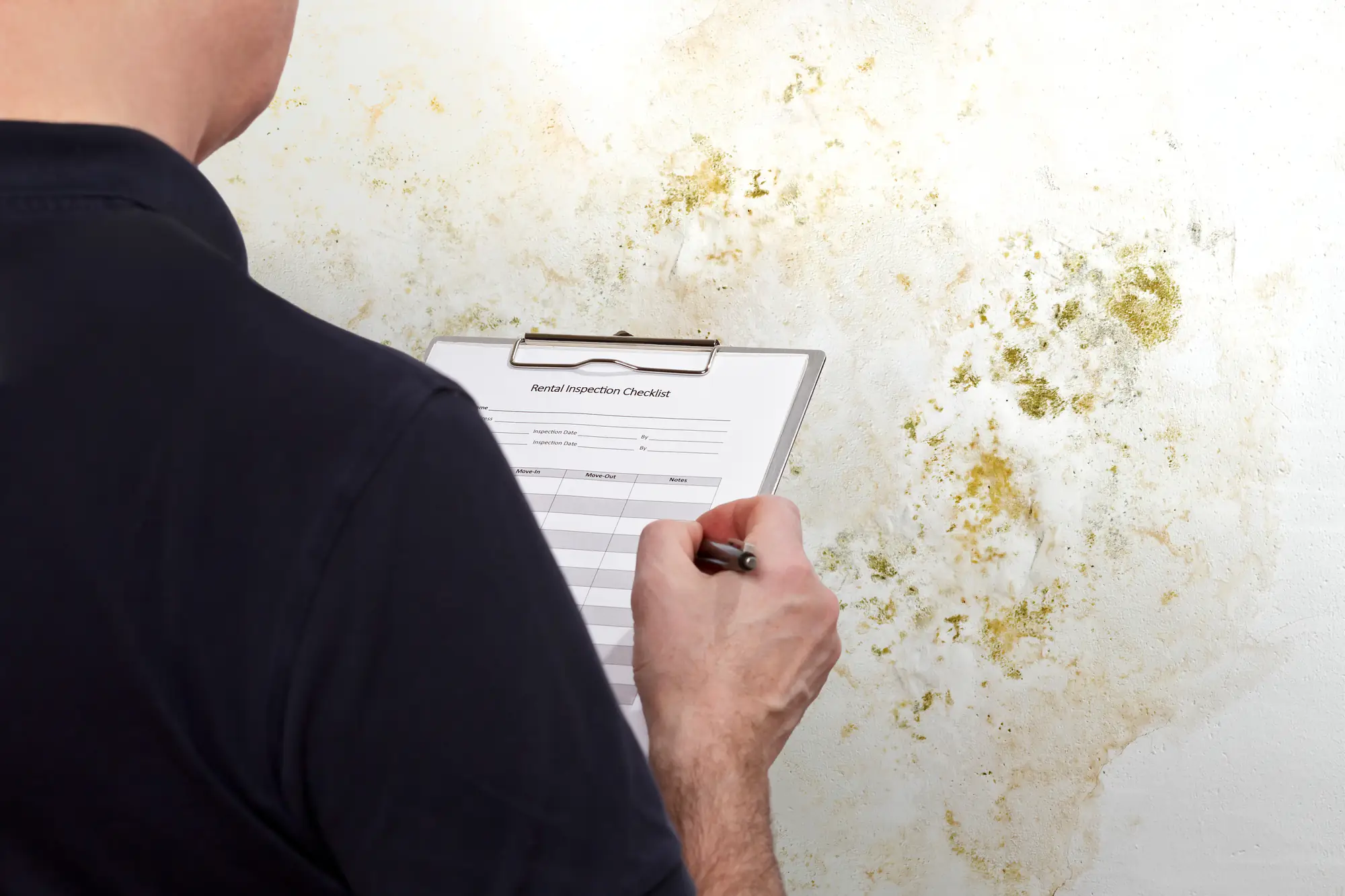
You’ve noticed the musty smell in the basement. Maybe your allergies have been worse since you moved in. Or you’re about to close on a house and want to know what you’re actually buying.
A professional mold inspection gives you answers. Not guesses, not maybes—actual data from EPA-certified lab testing that tells you if you have mold, what type it is, and where it’s hiding. We’re talking behind walls, under floors, inside HVAC ducts, and in crawl spaces you can’t see.
Here’s what matters: catching mold early saves you money. The average mold remediation costs between $1,150 and $3,400. But if it spreads? You’re looking at $20,000 or more. An inspection runs $300 to $1,000 depending on your home’s size. Do the math.
You also get peace of mind about your family’s health. Mold causes respiratory issues, chronic fatigue, worsening asthma, and persistent sinus problems. If someone in your house has been dealing with symptoms that won’t quit, mold might be why.
We serve Woodhill and the surrounding Bucks County area with one focus: accurate mold detection. We’re certified inspectors who use advanced moisture meters, thermal imaging, and air quality testing to find mold you can’t see.
Here’s why that matters. Most companies offering “free” inspections also do the remediation work. That’s a conflict of interest. They have incentive to find problems whether they exist or not.
We do inspections. Period. You get unbiased results from EPA-certified lab analysis, delivered in a report you can actually understand. Then you decide what to do next. If you need remediation, we’ll handle it. If you don’t, we’ll tell you that too.
Woodhill homes—especially the older single-family houses and attached townhomes built in the 70s, 80s, and 90s—are particularly vulnerable to mold. The area’s humidity, aging building materials, and shared walls in rowhomes create perfect conditions for growth. We know what to look for because we’ve been doing this work locally for years.
First, we walk through your home and talk about what you’ve noticed—smells, water damage, health symptoms, whatever brought you here. This isn’t a sales pitch. It’s a conversation about your specific situation.
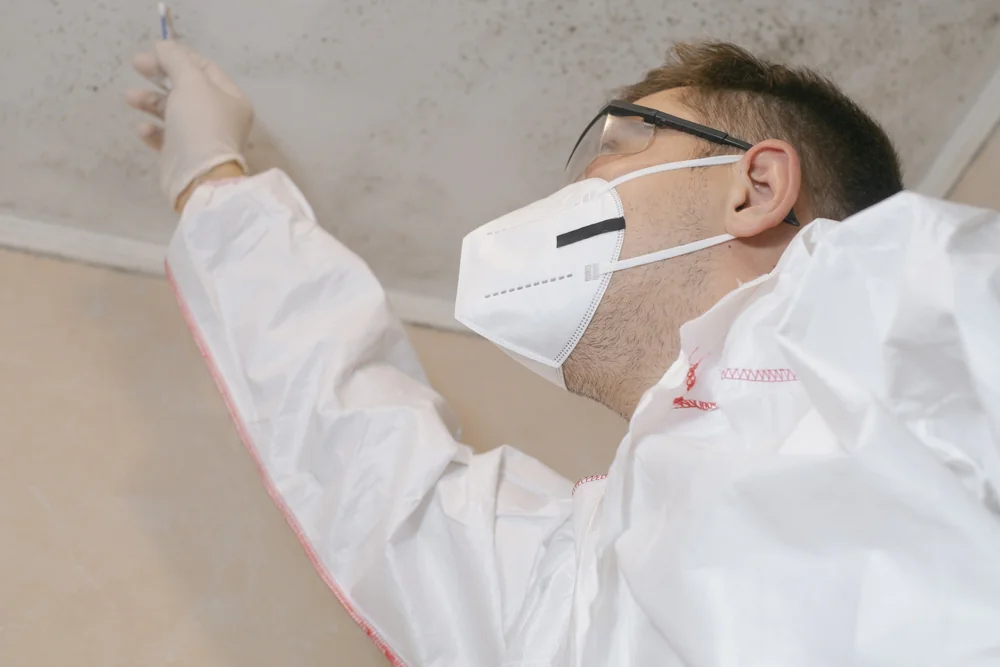
Next, we do a visual inspection of every area where mold typically grows: bathrooms, kitchens, basements, attics, crawl spaces, around windows, and near any plumbing. We use moisture meters to detect water intrusion you can’t see and thermal imaging to spot temperature differences that indicate hidden moisture or mold growth.
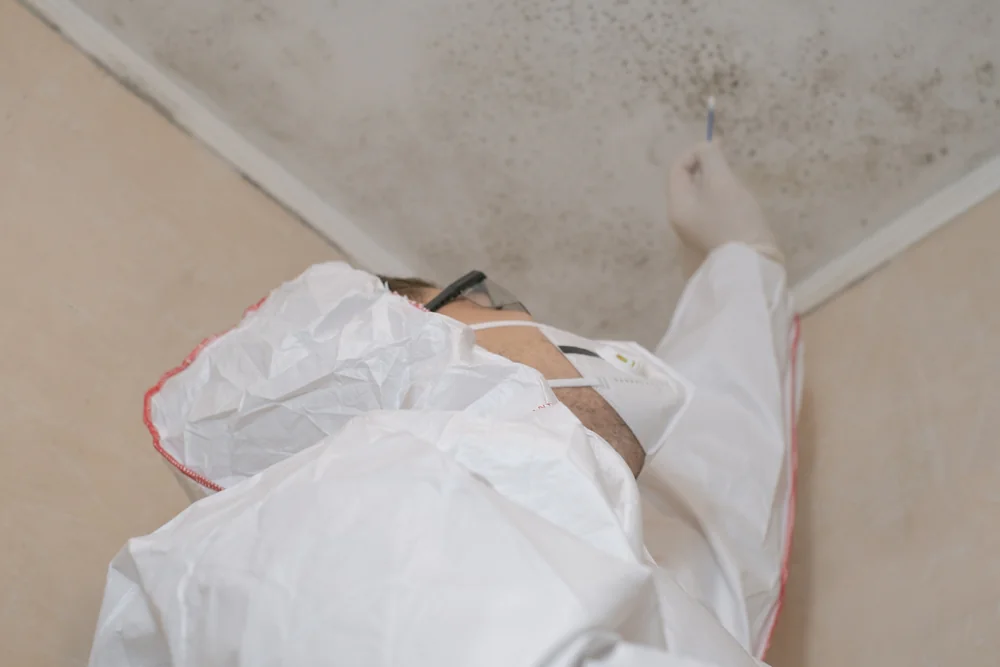
Then we collect samples. Air samples test what you’re breathing. Surface samples check visible growth or suspicious areas. We send everything to an EPA-certified lab for analysis—not some in-house test that gives you results in five minutes.
You get a detailed report within a few days. It tells you exactly what types of mold are present, the concentration levels, where they’re located, and what’s causing the growth. We also explain what the results mean in plain language and what your options are moving forward.
If you need remediation, we’ll give you a clear quote with no surprises. If the problem is minor and you can handle it yourself, we’ll tell you how. The goal is to give you accurate information so you can make the right decision for your home and your budget.

Ready to get started?
Every mold inspection includes a complete visual assessment of your property, moisture detection using professional-grade meters, thermal imaging to identify hidden problem areas, and air quality testing to measure mold spore levels throughout your home.
We also collect surface samples from any visible growth or areas of concern. All samples go to an EPA-certified laboratory for analysis—this isn’t a quick test kit. You’re getting the same level of testing that insurance companies and real estate attorneys rely on.
Your report breaks down exactly what was found, where it was found, and what type of mold you’re dealing with. Black mold (Stachybotrys) gets the most attention, but other types like Aspergillus, Penicillium, and Cladosporium are just as common in Woodhill homes and can cause serious health issues.
We also identify the moisture source. Mold doesn’t grow without water, so whether it’s a roof leak, condensation, poor ventilation, or a plumbing issue, we’ll pinpoint what’s feeding the problem. That’s critical because removing mold without fixing the source means it’ll just come back.
Pennsylvania doesn’t regulate mold at the state level, but we follow industry best practices and maintain proper licensing for mold assessment. You’re getting a thorough, professional inspection that stands up to scrutiny if you need it for insurance claims, real estate transactions, or legal purposes.
Most mold inspections in Woodhill run between $300 and $1,000 depending on your home’s size and how many samples we need to collect. A typical single-family home usually falls in the $400 to $700 range.
That includes the visual inspection, moisture detection, thermal imaging, air and surface sampling, and full lab analysis from an EPA-certified facility. You’re not paying for a quick walk-through—you’re getting comprehensive testing that actually tells you what’s happening in your home.
Some companies advertise free inspections, but here’s the catch: they also do remediation work. They make money when they find problems, which creates an obvious conflict of interest. We charge for inspections because we’re giving you unbiased results, not a sales pitch. You can trust the findings because we don’t benefit from inflating the problem.
Black mold (Stachybotrys chartarum) is what most people worry about, and yes, we do find it in Woodhill homes—usually in basements, bathrooms, and areas with water damage. It thrives in consistently damp environments and produces mycotoxins that can cause serious respiratory issues.
But other molds are just as common and just as problematic. Aspergillus shows up frequently in HVAC systems and can trigger severe allergic reactions and asthma attacks. Penicillium grows on water-damaged materials and spreads quickly through air circulation. Cladosporium appears on fabrics, wood surfaces, and in cooling systems.
The area’s humidity and the age of many Woodhill homes—especially those built in the 70s through 90s—create ideal conditions for mold growth. Older building materials, less effective moisture barriers, and decades of minor water intrusion add up. That’s why we test rather than guess. Different molds require different approaches, and you need to know exactly what you’re dealing with before you start tearing into walls or spending money on remediation.
The on-site inspection typically takes two to three hours for an average-sized home. Larger properties or homes with extensive suspected mold growth can take longer—sometimes four to five hours if we’re inspecting multiple levels, crawl spaces, attics, and attached structures.
We’re not rushing through your house checking boxes. We’re looking in places most people never think about: behind baseboards, inside HVAC ducts, under sinks, around window frames, in attic insulation, and anywhere moisture could be hiding. We use moisture meters and thermal imaging to detect problems you can’t see, which takes time but catches issues before they become expensive disasters.
After we collect samples, the lab analysis takes three to five business days. You’ll get a detailed report that breaks down what was found, where it was found, concentration levels, and what it all means. Then we schedule a follow-up call to walk through the results and discuss your options. From start to finish, you’re usually looking at about a week from inspection to having a complete understanding of your mold situation.
You can buy DIY mold test kits at hardware stores for $10 to $50, but they’re not reliable. Most just confirm that mold spores exist—which they do in every home. They don’t tell you what type of mold you have, how much is present, or whether it’s actually a problem that needs remediation.
Professional mold detection uses calibrated equipment that measures moisture levels, identifies hidden growth with thermal imaging, and collects samples that get analyzed by EPA-certified labs. We’re trained to know where mold hides and what conditions allow it to grow. A homeowner with a test kit is guessing. We’re using data.
Here’s the bigger issue: if you’re inspecting for a real estate transaction, insurance claim, or any legal purpose, you need a licensed professional. DIY tests won’t hold up. And if you’re dealing with health symptoms or visible mold growth, you need accurate information about what you’re breathing and how serious the contamination is. That requires professional testing. The cost difference between a DIY kit and a real inspection is a few hundred dollars. The difference in accuracy and usefulness is massive.
It depends on what caused the mold. If it resulted from a sudden, covered event—like a burst pipe, roof damage from a storm, or an appliance malfunction—most homeowners insurance policies will cover both the inspection and remediation. You’ll need documentation, which is where a professional inspection report becomes essential.
If the mold developed from long-term neglect, poor maintenance, or ongoing moisture problems you didn’t address, insurance typically won’t cover it. They view that as a homeowner responsibility. Same goes for mold in chronically damp areas like basements or crawl spaces where you should have been managing moisture.
Your policy might also have mold coverage limits—often capped at $10,000 or less unless you purchased additional coverage. Given that extensive remediation can cost $20,000 or more, that’s worth knowing upfront. The best approach is to call your insurance company before scheduling an inspection and ask specifically what’s covered under your policy. Then get the inspection done right with proper documentation. If you do have a covered claim, a detailed report from a certified inspector strengthens your case and speeds up the claims process.
First, don’t panic. Finding mold doesn’t mean your house is condemned or that you’re facing a five-figure bill. It means you have information and can make a plan based on facts instead of fear.
Small areas of mold—less than 10 square feet—can often be cleaned by homeowners using proper safety equipment and EPA-approved methods. We’ll tell you if that’s realistic for your situation. Larger contamination, mold in HVAC systems, or toxic varieties like black mold require professional remediation. We’ll give you a clear quote that breaks down what needs to happen and why.
The most important step is fixing the moisture source. Mold removal without addressing the underlying water problem is pointless—it’ll just grow back. Whether that’s repairing a leak, improving ventilation, fixing grading around your foundation, or installing a dehumidifier, the moisture issue has to be resolved first. Then we remove the contaminated materials, clean affected areas with HEPA filtration, and verify the remediation was successful with post-testing. You get documentation showing the work was done properly, which matters for resale value and your own peace of mind.
Other Services we provide in Woodhill