
Hear from Our Customers
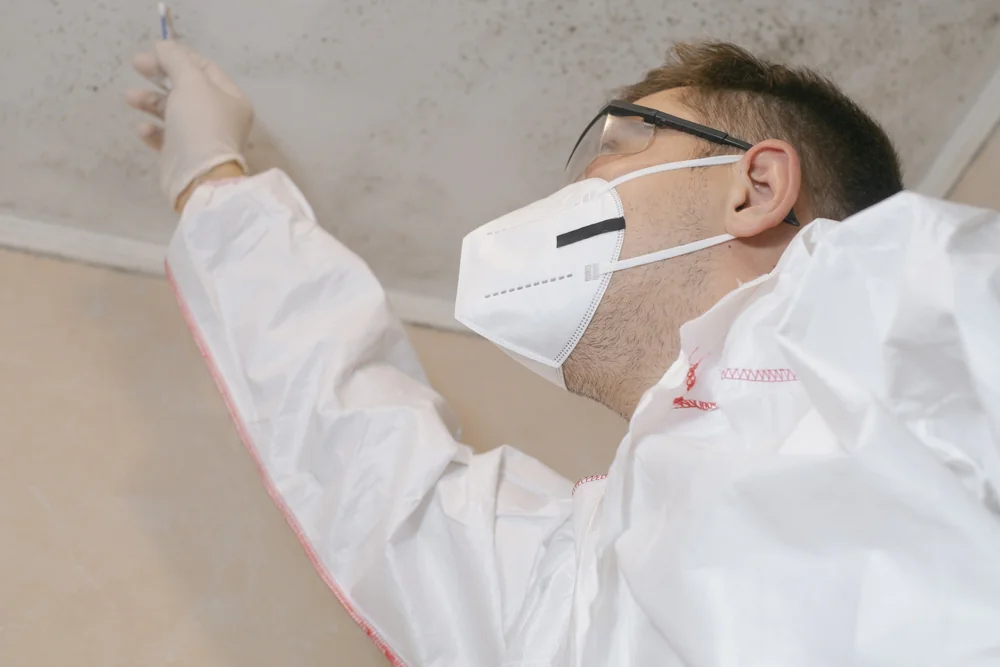
You can’t fix what you can’t see. That musty smell in your basement, the discoloration on your ceiling, or the allergies that won’t quit—these aren’t things you should ignore or guess about.
A proper mold inspection tells you if you have a problem, where it’s coming from, and what needs to happen next. No surprises. No guessing. Just clear answers about what’s growing in your home and why.
Most mold issues in Argus start the same way: moisture gets in, ventilation can’t keep up, and mold finds a place to grow. Older homes with brick basements and shared walls trap humidity. Newer builds with poor grading or HVAC issues create condensation problems. Either way, you need someone who knows where to look and what to look for—not just surface-level stains, but the hidden growth behind walls, under floors, and in crawl spaces that most people never see until it’s already spread.
We’ve been handling mold problems across Bucks County for years. We’re not new to this, and we’re not learning on your property.
Our inspectors are certified, our methods follow EPA guidelines, and our equipment finds mold that basic visual checks miss. We use moisture meters, infrared cameras, and air quality testing to get the full picture—not just what’s visible on the surface.
Argus homes deal with specific challenges: humid summers, aging infrastructure, and basements that were never designed to stay dry. We know what causes mold here because we’ve seen it in hundreds of homes just like yours. That experience means we know where to look, what questions to ask, and how to give you answers that actually help.
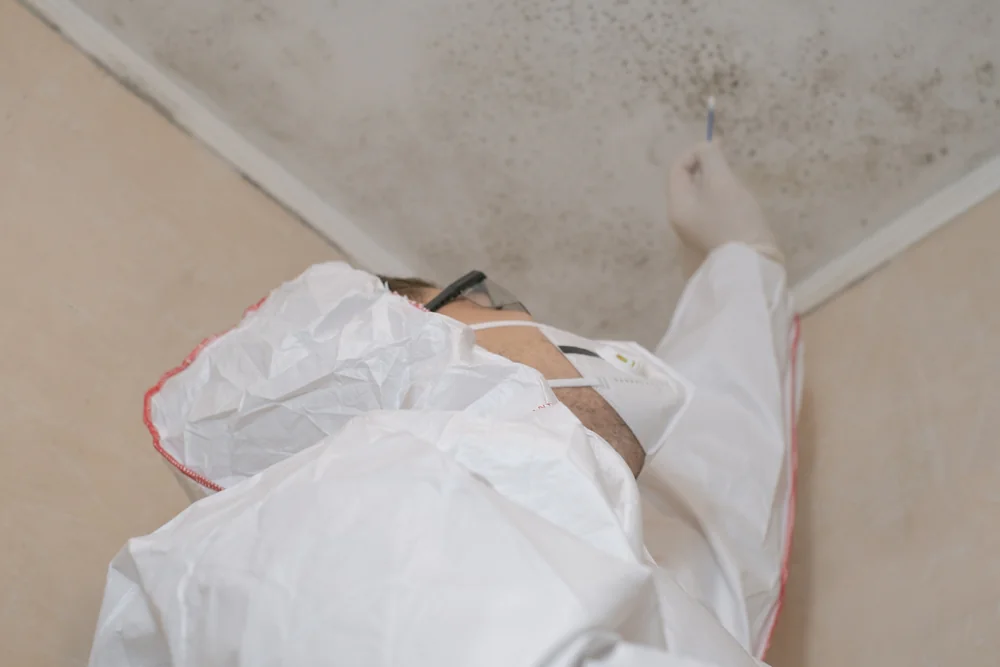
First, we walk through your property and talk about what you’ve noticed—smells, stains, health symptoms, moisture problems. That conversation tells us where to focus.
Then we inspect. We’re checking visible areas, but we’re also using thermal imaging to detect temperature differences that indicate hidden moisture. We’re testing air quality to measure spore levels. We’re looking behind appliances, inside walls, under flooring, and in attics or crawl spaces where mold grows unnoticed.
If we find mold, we identify the moisture source. That’s the part most people skip, and it’s why mold comes back. A leaky pipe, poor ventilation, foundation cracks, or condensation from an HVAC system—whatever’s feeding the mold needs to be fixed, or removal is just temporary.
You get a detailed report that explains what we found, where the moisture is coming from, and what needs to happen next. If remediation is necessary, we’ll walk you through the scope and cost before any work starts. If it’s minor and you can handle it yourself, we’ll tell you that too.

Ready to get started?
A real mold inspection isn’t someone glancing around your basement for ten minutes. It’s a systematic process using tools and training to find problems you can’t see.
We conduct visual assessments of every accessible area in your home. We use moisture meters to measure humidity levels in walls, floors, and ceilings. Infrared cameras show us temperature variations that reveal hidden water intrusion. Air sampling tests measure mold spore concentrations to assess indoor air quality. Surface sampling identifies specific mold types when needed for health concerns or insurance claims.
Argus properties—especially older homes near the Delaware River or properties with stone foundations—are prone to moisture issues that create perfect conditions for mold. High humidity in summer, poor attic ventilation, and aging plumbing all contribute. We’ve inspected enough homes in this area to know the patterns, and that local knowledge makes a difference in catching problems early.
You’ll receive documentation that’s useful for insurance claims, real estate transactions, or just peace of mind. And if remediation is needed, we handle that too—finding the source, removing the mold, and fixing the problem so it doesn’t come back.

A basic visual inspection typically runs between $300 and $700, depending on the size of your property and how much area needs to be assessed. If you need air sampling or surface testing to identify specific mold types, that usually brings the cost to $800 to $1,500.
The inspection itself takes two to four hours. If lab testing is involved, you’ll get results within three to five business days. Some companies, including ours, offer free initial inspections to assess the situation before committing to full testing.
The cost depends on what you need. If you’re buying a home and want a thorough assessment, or if you’re dealing with health symptoms and need to know exactly what’s growing, lab testing is worth it. If you just want to confirm whether you have a problem and where it’s coming from, a visual inspection with moisture detection is often enough to get you answers.
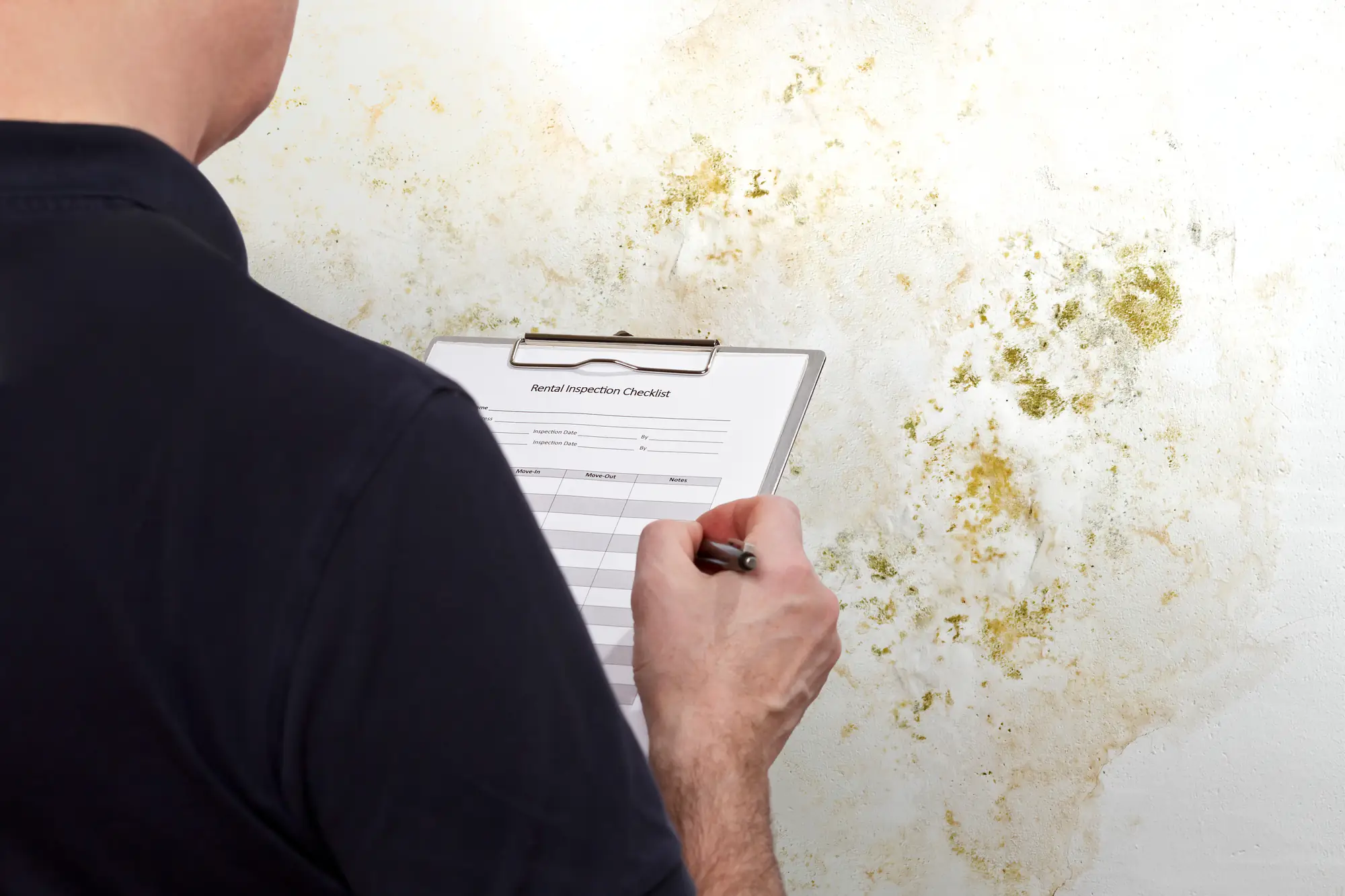
The most common sign is a musty odor that doesn’t go away, even after cleaning. That smell means mold is growing somewhere, even if you can’t see it. You might also notice discoloration on walls, ceilings, or around windows—especially in bathrooms, basements, or kitchens.
Health symptoms are another red flag. If you or your family are experiencing persistent coughing, sneezing, itchy eyes, or respiratory issues that improve when you leave the house, mold could be the cause. People with asthma or allergies tend to notice symptoms first.
Water damage is a clear indicator. If you’ve had a leak, flooding, or even just ongoing condensation problems, mold is likely growing within 24 to 48 hours of moisture exposure. Even if the area looks dry now, mold can be hidden inside walls or under flooring. Visible mold growth is obvious, but by the time you see it, the problem is usually bigger than it appears. A professional inspection finds the full extent of growth and identifies the moisture source so you’re not just treating symptoms.
You can buy a DIY mold test kit, but it won’t tell you much. Most kits just confirm that mold spores are present, which isn’t useful—mold spores exist in every home. What matters is the type of mold, the concentration, and where it’s growing.
DIY kits don’t identify the moisture source, and they don’t find hidden mold behind walls or under floors. You might test one area and miss the real problem growing somewhere else. They also can’t tell you if the mold is toxic or just cosmetic, and they don’t give you a plan for what to do next.
A professional inspection uses calibrated equipment to measure moisture levels, thermal imaging to detect hidden water intrusion, and lab-quality sampling to identify mold species. More importantly, an experienced inspector knows where to look based on your home’s age, construction, and the symptoms you’re describing. If you’re serious about understanding the problem and fixing it correctly, a professional inspection is the only way to get reliable answers.
The inspection itself usually takes two to four hours, depending on the size of your property and how many areas need to be checked. We’re not rushing through it—we’re checking attics, basements, crawl spaces, behind appliances, and anywhere else moisture could be hiding.
If we’re doing a visual inspection with moisture detection and thermal imaging, you’ll get a preliminary assessment right away. We’ll walk you through what we found, show you problem areas, and explain what’s causing the moisture.
If lab testing is involved—air samples or surface samples sent out for analysis—results typically come back in three to five business days. The lab report will identify the types of mold present and the concentration levels, which helps determine the severity and the appropriate response. You’ll receive a full written report that documents everything we found, including photos, moisture readings, and recommendations for remediation if needed. That report is useful for insurance claims, real estate transactions, or just understanding what you’re dealing with.
If the moisture source isn’t fixed, yes—mold will come back. That’s the most common reason people end up with recurring mold problems. You can remove every visible trace of mold, but if water is still getting in or humidity levels are still too high, new mold will grow in the same spot.
Proper remediation addresses both the mold and the cause. That might mean fixing a leaky pipe, improving ventilation, sealing foundation cracks, redirecting drainage away from your home, or upgrading your HVAC system to control humidity. Without those fixes, you’re just treating the symptom.
A good mold inspection identifies the source, not just the growth. That’s why we use moisture meters and thermal imaging—to find out where the water is coming from. Once the source is fixed and the mold is properly removed, it shouldn’t come back. We also provide recommendations for preventing future problems, like using dehumidifiers in basements, improving airflow in bathrooms, and maintaining gutters and downspouts. If you handle the moisture, you eliminate the conditions mold needs to grow.
If the home is older, has a basement, or has any history of water damage, yes—you should get a mold inspection before closing. A standard home inspection doesn’t always catch hidden mold, and sellers aren’t required to disclose mold issues unless they’re aware of them.
Argus has a lot of older homes with stone foundations, brick construction, and basements that weren’t built with modern waterproofing. Those homes are more susceptible to moisture problems, and mold is often growing in areas that aren’t visible during a walkthrough. An inspection before you buy gives you leverage to negotiate repairs or adjust the sale price based on what’s found.
Even in newer homes, poor grading, HVAC issues, or construction defects can create moisture problems that lead to mold. A professional inspection finds those issues before they become your problem. It’s a small upfront cost compared to discovering mold after you’ve moved in and dealing with remediation, health concerns, and potential damage to your investment. If you’re buying in Bucks County, especially in areas prone to flooding or high humidity, a mold inspection is worth the peace of mind.
Other Services we provide in Argus