
Hear from Our Customers
You can’t fix what you can’t see. That’s the problem with mold in Milford Square homes—it hides behind walls, under floors, in crawl spaces, and inside HVAC systems where you’d never think to look.
A proper mold inspection means you’re not guessing anymore. You know if there’s a problem, how bad it is, and what caused it in the first place. That’s important because treating visible mold without finding the source just means it comes back.
Bucks County’s climate doesn’t help. Humid summers and damp winters create perfect conditions for mold growth, especially in older homes or anywhere water damage has happened before. Basements, attics, crawl spaces—these are the usual suspects. But sometimes mold shows up in places that surprise you, which is why a thorough inspection matters.
When the inspection’s done, you’ll have a clear picture. No more wondering if that smell is something serious. No more worrying about what’s happening inside your walls. Just facts, a plan, and the ability to move forward with confidence.
We’ve been handling mold problems in Bucks County since 2009. We’re not new to this, and we’re not learning on your property.
Jeff, our owner, runs every inspection personally. He’s certified, he’s thorough, and he doesn’t cut corners. When he says your home is clear, it’s clear. When he finds something, he’ll show you exactly what it is and what needs to happen.
We work in Milford Square because we know the area. We know what basements look like here, what happens to older homes when humidity spikes, and where mold typically shows up after a wet spring. That local knowledge matters when you’re trying to solve a problem that’s specific to your home and your environment.
First, we walk through your entire property. That includes the obvious spots and the ones most people forget—attics, crawl spaces, behind appliances, inside HVAC systems. We’re looking for visible mold, but also for conditions that allow mold to grow: moisture, poor ventilation, previous water damage.
We use moisture detection tools to find hidden water problems. Mold doesn’t grow without moisture, so if we find elevated moisture levels, we know there’s either active mold or a high risk of it developing. This step catches problems before they become visible.
If we find mold or suspect it’s present, we take air samples and surface samples. Those samples go to a lab for testing. Within 24 hours, you’ll have results that tell you exactly what type of mold is in your home and how much of it is in the air. That information determines the next steps.
After testing, we sit down and explain what we found. If there’s mold, we’ll tell you what caused it, how to remove it safely, and how to prevent it from coming back. If your home is clear, you’ll know that too. Either way, you’re not left guessing.
Ready to get started?
Every inspection starts with a visual assessment of your entire property. We check basements, attics, bathrooms, kitchens, laundry rooms, crawl spaces—anywhere moisture tends to accumulate. We also inspect HVAC systems since mold can spread through ductwork and affect your indoor air quality.
Moisture mapping is part of the process. We use specialized equipment to detect moisture inside walls, ceilings, and floors. This helps us find hidden leaks or condensation problems that create the perfect environment for mold growth. In Milford Square, older homes with stone foundations or inadequate ventilation are especially prone to these issues.
Air quality testing measures mold spore levels in your home. Even if you don’t see mold, elevated spore counts in the air can cause respiratory problems, headaches, and allergic reactions. Testing gives you a baseline and helps determine if remediation is necessary.
Surface sampling identifies the specific type of mold present. Not all mold is the same, and knowing what you’re dealing with helps us recommend the right removal approach. Some molds are more aggressive than others, and some require more intensive remediation methods.
You’ll also get a written report with lab results, photos, and a detailed explanation of findings. If remediation is needed, we provide a clear estimate with no surprises. If your insurance covers mold removal, we’ll work directly with them to simplify the claims process.
Most professional mold inspections in the area run between $300 and $650, depending on the size of your property and how extensive the testing needs to be. The national average sits around $450, and that’s pretty consistent with what you’ll see locally in Bucks County.
We offer free initial inspections. That means we’ll come out, assess your property, and give you a clear idea of whether you have a mold problem before you spend anything. If testing is needed, we’ll explain what that involves and what it costs upfront.
The inspection fee usually covers the visual assessment, moisture detection, and a set number of air or surface samples. If your home is larger or if we need to test multiple areas, the cost might be higher. But you’ll know that before we start, and there won’t be surprise charges added later.
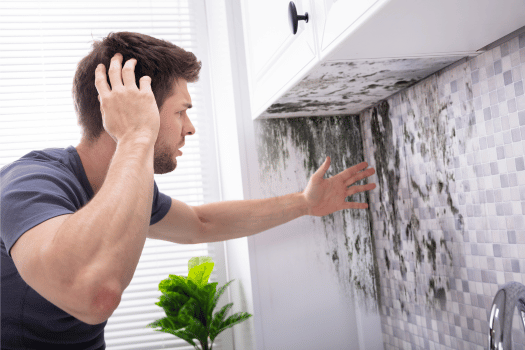
The most obvious sign is visible mold growth—dark spots on walls, ceilings, or around windows. But mold doesn’t always show itself that clearly. Sometimes the first indicator is a musty smell that won’t go away, even after cleaning. If you smell mold but can’t see it, that’s a strong signal that it’s growing somewhere hidden.
Water damage is another red flag. If you’ve had a leak, flooding, or even persistent condensation problems, mold can develop within 24 to 48 hours. Even if the area looks dry now, mold might be growing behind walls or under flooring where you can’t see it.
Health symptoms can also point to a mold problem. Unexplained respiratory issues, frequent headaches, skin irritation, or worsening allergies—especially when symptoms improve after leaving the house—often indicate poor indoor air quality caused by mold spores. If multiple people in your home are experiencing these symptoms, it’s worth getting an inspection.
Homes in Milford Square with older basements, poor ventilation, or previous water damage are particularly vulnerable. If your home fits that description and you’re noticing any of these signs, don’t wait. Mold gets worse over time, not better.
You can buy over-the-counter mold test kits, but they’re not reliable. Most DIY kits only test one small area, and they don’t tell you much about the extent of contamination or what’s actually causing the mold. You might get a result that says “mold detected,” but that doesn’t tell you where it’s coming from, how bad it is, or what to do about it.
Professional mold inspections use calibrated equipment to detect moisture levels inside walls and other hidden areas. We also take multiple samples from different locations to get an accurate picture of what’s happening throughout your home. Lab testing identifies the specific type of mold, which matters because different molds require different removal approaches.
The bigger issue with DIY testing is that it often misses the real problem. Mold grows in places you can’t easily access—inside wall cavities, under flooring, in HVAC ducts. A professional inspection finds those hidden areas and addresses the root cause, not just the visible symptoms. That’s the difference between actually solving the problem and just putting a temporary patch on it.
Most mold inspections take between one and three hours, depending on the size of your home and how many areas need to be checked. A small home with a straightforward layout might only take an hour. Larger properties or homes with multiple levels, basements, and attics will take longer.
The inspection itself involves a thorough walkthrough, moisture detection, and sample collection. We’re not rushing through it. We’re checking every area where mold typically grows, and we’re looking for conditions that could lead to future problems even if there’s no visible mold right now.
After the inspection, lab results usually come back within 24 hours. Once we have those results, we’ll schedule a follow-up to review the findings and discuss next steps. If remediation is needed, we’ll provide a detailed estimate and timeline. If your home is clear, you’ll have documentation proving that.
It depends on what caused the mold and what your policy covers. Most homeowners insurance policies cover mold removal if the mold resulted from a covered peril—like a burst pipe, storm damage, or sudden water intrusion. If the mold developed because of long-term neglect, poor maintenance, or gradual leaks, insurance typically won’t cover it.
The key is proving that the mold resulted from a specific, sudden event. That’s where documentation matters. If you’ve had recent water damage and you’re dealing with mold as a result, your insurance is more likely to cover the inspection and remediation costs.
We work directly with insurance companies to help streamline the claims process. We’ll provide detailed reports, photos, and documentation that support your claim. We’ve done this enough times to know what insurance adjusters need to see, and we’ll make sure you have everything required to move the claim forward. Even if insurance doesn’t cover the full cost, knowing what you’re dealing with is worth the investment to protect your home and health.
If we find mold, the first step is understanding what caused it. Mold doesn’t grow without moisture, so there’s always an underlying issue—whether it’s a leak, poor ventilation, high humidity, or previous water damage. Identifying the cause is just as important as removing the mold, because if you don’t fix the source, the mold will come back.
Once we know what we’re dealing with, we’ll explain your options. Minor mold problems in small, contained areas might only require localized treatment. More extensive contamination—especially if it involves black mold or has spread through HVAC systems—requires professional remediation that follows EPA safety standards.
We’ll provide a clear, upfront estimate for removal. That includes containment to prevent mold from spreading during the process, safe removal of contaminated materials, treatment of affected areas, and steps to address the moisture problem that caused it. After remediation, we can also handle any necessary repairs or restoration so your home is back to normal. You’re not left figuring out the next steps on your own—we walk you through the entire process from inspection to completion.
Other Services we provide in Milford Square