

Hear from Our Customers
You stop worrying every time someone in your house coughs or sneezes. The musty smell disappears. You’re not wondering what’s growing behind your walls or under your floors anymore.
That’s what complete mold removal looks like. Not a quick spray-and-pray with bleach. Not covering it up and hoping it doesn’t come back. Real remediation means identifying where the mold is, eliminating it at the source, and fixing the moisture problem that caused it in the first place.
Your home value stays protected. Your family breathes easier. And you’re not dealing with the same problem six months from now because someone cut corners the first time.
We work throughout Milford Square and the surrounding Bucks County area. We understand the specific challenges homeowners face here—older homes with aging infrastructure, basements that flood during heavy rain, and the humidity that comes with Pennsylvania summers.
We’re not a national franchise reading from a script. We’re local professionals who’ve seen what happens when mold gets ignored or handled incorrectly. That experience matters when you’re trying to protect your biggest investment and your family’s health.

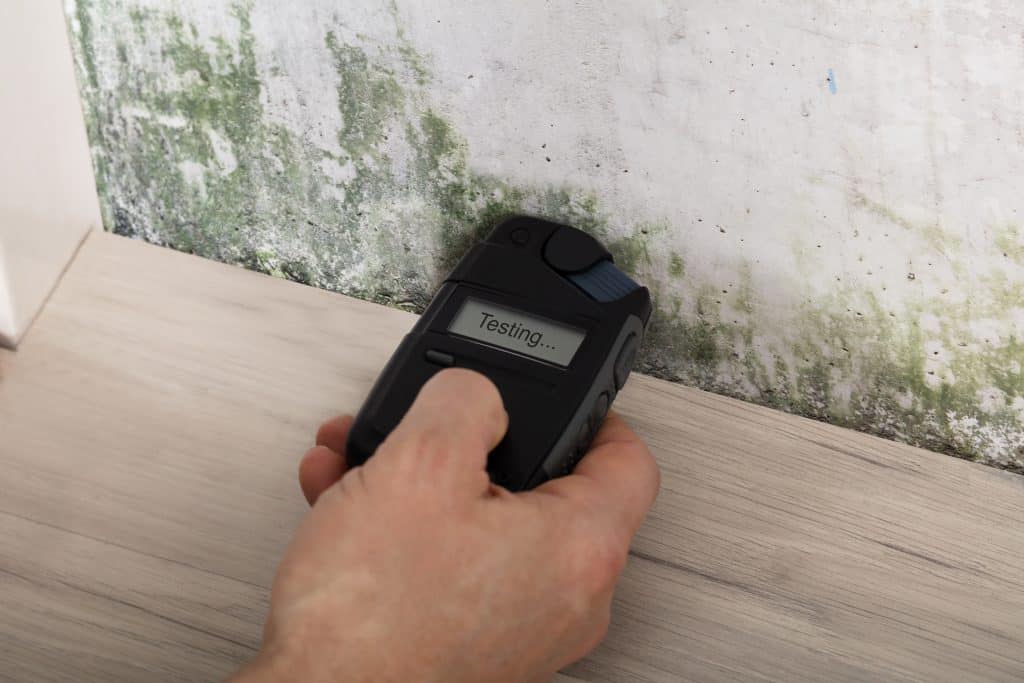
First, we inspect your property to find all the mold—not just what’s visible. We use moisture meters and infrared cameras to detect hidden growth behind walls, under flooring, and in crawl spaces. You can’t fix what you can’t find.
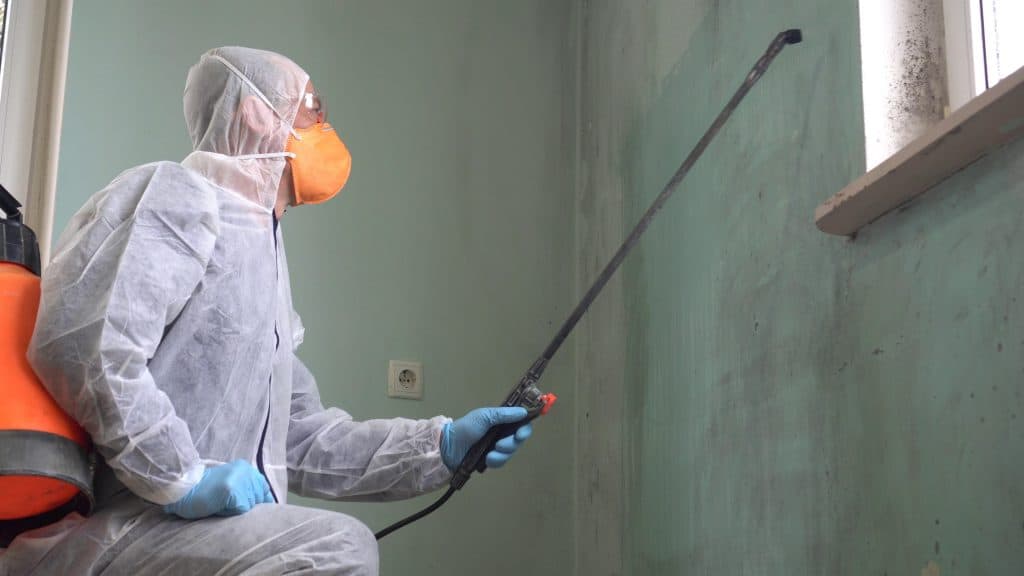
Next, we contain the affected area to prevent mold spores from spreading to clean parts of your home during removal. We set up physical barriers and use air scrubbers with HEPA filtration to capture airborne spores.
Then comes the actual removal. We don’t just clean the surface. We remove contaminated materials that can’t be salvaged, treat affected surfaces with antimicrobial solutions, and eliminate the mold at its source. If it’s black mold or another toxic variety, we handle it with the proper safety protocols.
Finally, we address the moisture issue. Whether it’s a leak, poor ventilation, or humidity problems, we identify what caused the mold and help you understand how to prevent it from returning. That’s the difference between mold removal and mold remediation.
Ready to get started?
You get a complete inspection that identifies all mold growth, not just the obvious spots. This includes testing to determine what type of mold you’re dealing with and how extensive the problem is.
The remediation itself covers containment, removal, disposal of contaminated materials, and treatment of affected areas. We handle everything from small bathroom mold issues to extensive basement contamination. Air scrubbing and filtration run throughout the process to keep spores from spreading.
In Milford Square and throughout Bucks County, we see a lot of mold problems tied to water damage from storms, old plumbing, and poor ventilation in older homes. About 40% of homes in the area deal with some level of mold growth. The key is catching it early and handling it correctly the first time.
You also get documentation for insurance purposes if needed, plus guidance on preventing future growth. We explain what caused your specific mold problem and what you can do to keep it from happening again.
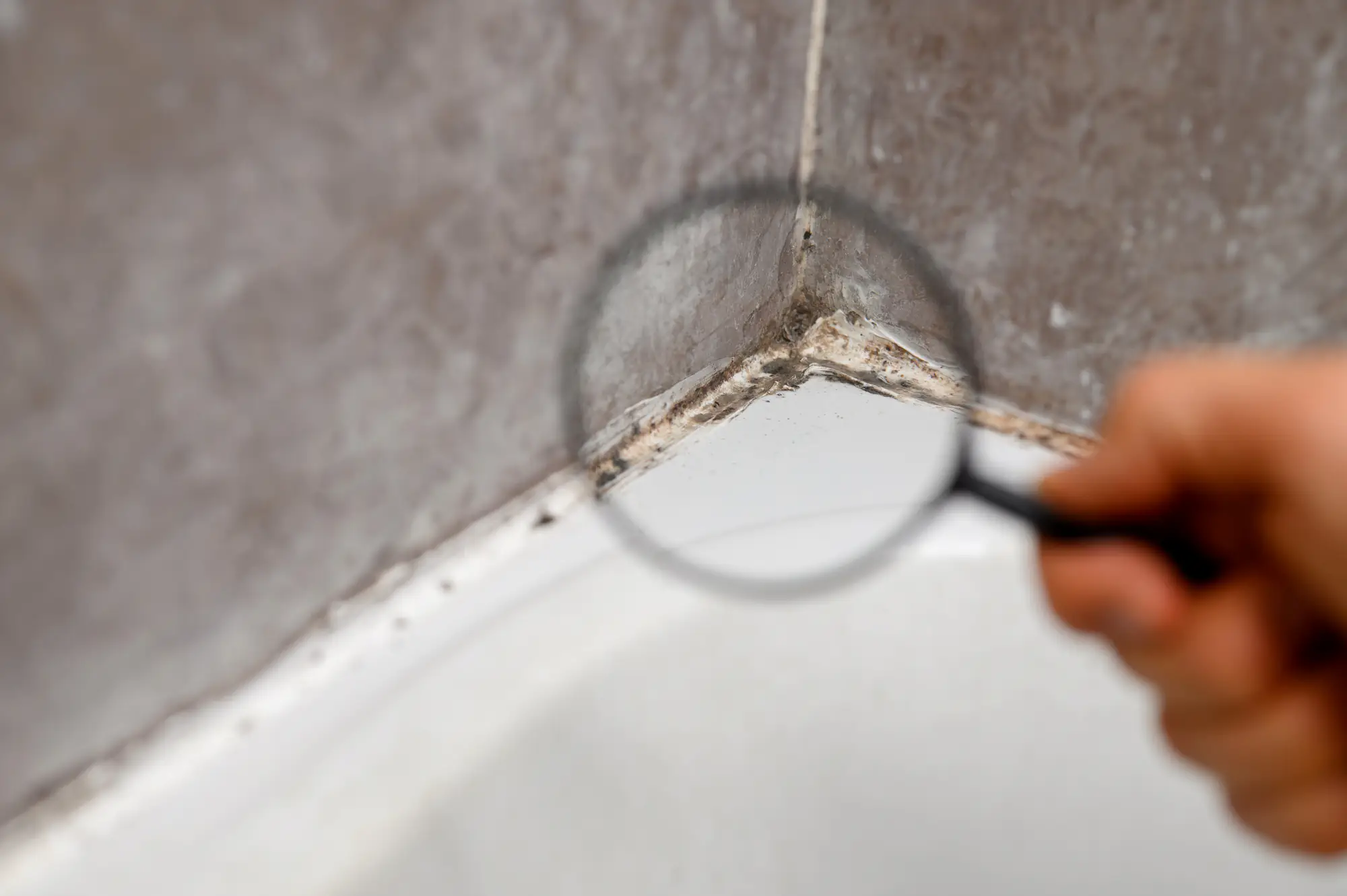
If the mold covers more than 10 square feet, you need a professional. That’s the EPA’s guideline, and it exists for good reason. Large mold infestations release massive amounts of spores during removal, which can spread contamination and create health risks if not contained properly.
You also need professional help if the mold is caused by contaminated water, like sewage backup or flooding. If it’s black mold, which produces mycotoxins that cause serious health issues. If anyone in your home has respiratory problems, a compromised immune system, or mold allergies. Or if the mold keeps coming back after you’ve cleaned it.
DIY mold removal with bleach and elbow grease might work for a tiny patch on your shower tile. But if you’re seeing mold in multiple areas, smelling that musty odor throughout your home, or dealing with mold after water damage, you’re likely looking at growth behind walls or under floors that you can’t reach. That requires proper equipment, containment, and expertise to remove safely and completely.
Most residential mold removal jobs take between one and five days, depending on the extent of contamination and how much material needs to be removed. A small bathroom mold problem might be done in a day. Extensive basement mold after flooding could take a week.
Whether you need to leave depends on the size and location of the mold, what type it is, and your family’s health situation. For small, contained areas, you can usually stay in your home while we work. We seal off the work area and use negative air pressure to prevent spores from reaching other rooms.
For larger jobs, especially those involving black mold or toxic varieties, we typically recommend staying elsewhere during active remediation. If you have young children, elderly family members, or anyone with asthma or immune issues, leaving during the work is the safer choice. We’ll give you a straight answer about what makes sense for your specific situation—we’re not going to tell you to leave if it’s not necessary, and we won’t downplay the risk if it is.
Mold needs three things: moisture, oxygen, and organic material to feed on. Your home has plenty of oxygen and organic materials like wood, drywall, and carpet. The variable is moisture, and that’s what you need to control.
In Milford Square and Bucks County, we see mold most often from basement moisture and flooding, leaking pipes or roofs, poor ventilation in bathrooms and kitchens, and humidity during summer months. Many homes in this area are older with aging infrastructure, which increases the risk of water intrusion and plumbing failures.
Prevention comes down to controlling moisture. Fix leaks immediately—even small ones. Use exhaust fans in bathrooms and kitchens. Keep humidity below 50% with dehumidifiers if needed. Make sure your gutters and downspouts direct water away from your foundation. Check your basement regularly for signs of water intrusion. And if you do have water damage from a storm or plumbing failure, dry everything within 24 to 48 hours. That’s your window before mold starts growing.
Mold removal costs vary widely based on the extent of contamination, what caused it, and how much material needs to be removed. Small jobs might run a few hundred dollars. Extensive remediation after major water damage can reach several thousand. There’s no honest way to quote a price without seeing the problem.
Insurance coverage depends on what caused the mold. If it resulted from a covered peril like a sudden pipe burst or storm damage, your homeowner’s policy will likely cover remediation. If it developed slowly from a long-term leak you didn’t fix, or from lack of maintenance, insurance typically won’t cover it.
Here’s what matters: we document everything for insurance purposes. We provide detailed reports, photos, and explanations of what we found and what we did. If you’re filing a claim, that documentation is essential. And whether insurance covers it or not, the cost of professional remediation is almost always less than the cost of ignoring mold—both in terms of property damage and health issues. Mold doesn’t get better on its own. It spreads.
Mold removal means getting rid of visible mold growth. Mold remediation means eliminating the mold and fixing the problem that caused it so it doesn’t come back. That’s the difference between a temporary fix and an actual solution.
You can remove mold from a surface with cleaning products. But if you don’t address the moisture source, the mold returns. Remediation involves identifying all affected areas including hidden growth, removing contaminated materials, treating surfaces, eliminating the mold at its source, and correcting the moisture problem.
Professional mold remediation also includes containment to prevent spores from spreading during removal, air filtration to capture airborne spores, and proper disposal of contaminated materials. It’s a comprehensive process that follows EPA and industry protocols. When we say we do mold remediation, we mean we’re fixing the whole problem—not just cleaning what you can see and hoping for the best.
Black mold—specifically Stachybotrys chartarum—produces mycotoxins that can cause serious health problems, especially with prolonged exposure. Respiratory issues, chronic coughing, headaches, fatigue, and skin irritation are common. For people with asthma, allergies, or compromised immune systems, the effects can be severe.
That said, not all black-colored mold is Stachybotrys. Several types of mold appear black or dark green. The only way to know what you’re dealing with is testing. But here’s the practical reality: any mold growth in your home is a problem that needs professional attention. Whether it’s the toxic black mold variety or a less dangerous type, it indicates a moisture problem and poses health risks.
The danger with black mold isn’t just the direct health effects. It’s that it typically grows in hidden areas with serious moisture problems—behind walls, under flooring, in crawl spaces. By the time you see it, the contamination is often extensive. If you suspect black mold, don’t try to remove it yourself. The disturbance releases massive amounts of spores and toxins. You need professional containment, proper safety equipment, and complete remediation to handle it safely.
Other Services we provide in Milford Square