
Hear from Our Customers
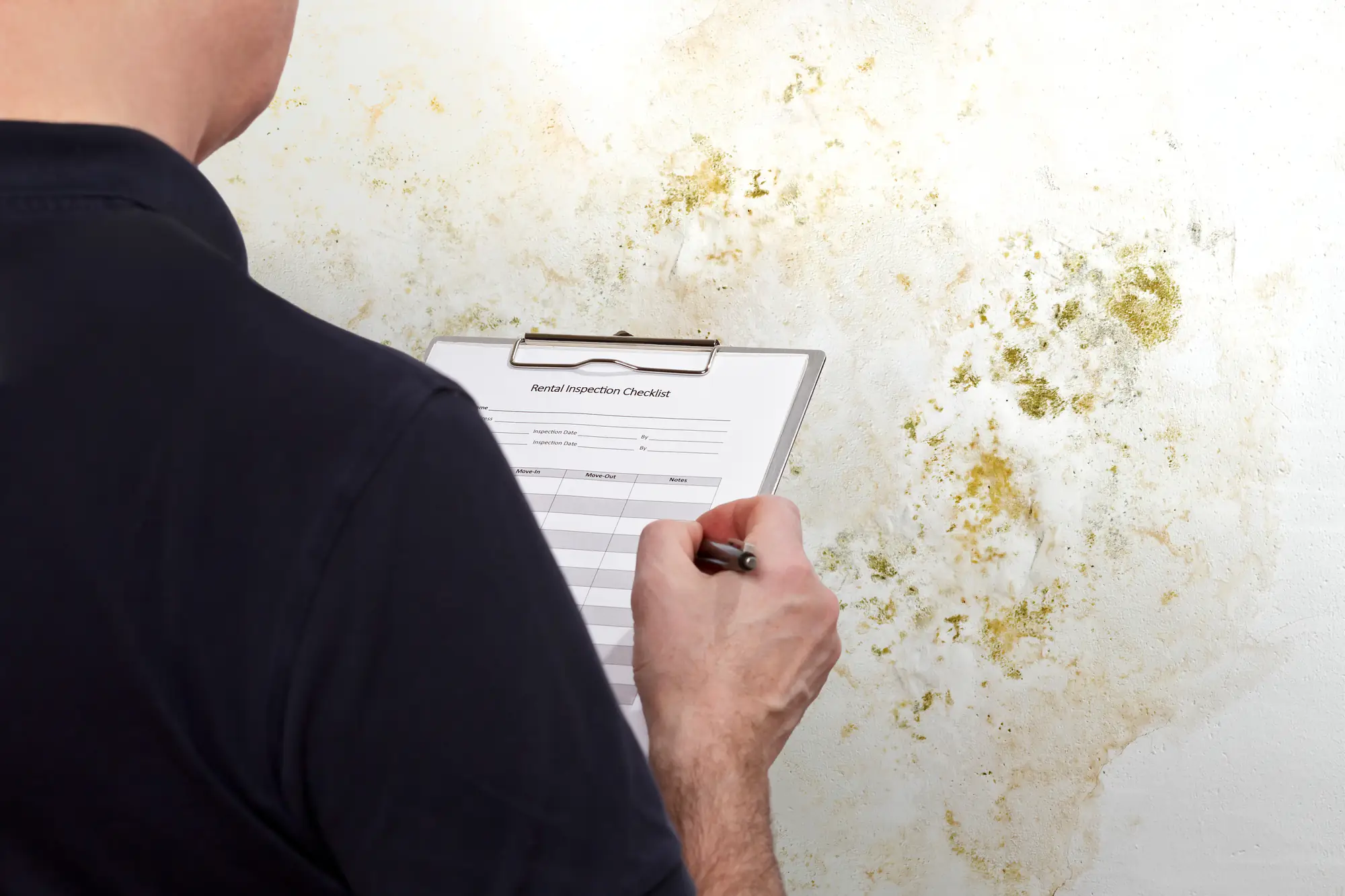
You can’t fix what you can’t see. Most mold grows behind walls, under floors, in crawl spaces, and inside HVAC systems where you’d never think to look. By the time it’s visible, it’s already been spreading for weeks or months.
A professional mold inspection gives you the full picture. You’ll know exactly where mold is growing, what type it is, and how serious the situation has become. That means no guessing, no waiting for symptoms to get worse, and no surprises when you go to sell your home.
Upper Southampton’s climate doesn’t help. High summer humidity, frequent rain, and temperature swings between seasons create the exact conditions mold needs to thrive. If your home has had any water issues, leaks, or even just poor ventilation, you’re at risk. The good news is that early detection stops small problems from becoming major headaches.
We’ve been protecting homes in Upper Southampton and throughout Bucks County since 1998. We’ve seen every type of mold problem this area throws at homeowners, from basement moisture issues to attic condensation to hidden bathroom leaks that go unnoticed for years.
Our inspectors hold professional certifications and use specialized detection equipment that goes beyond what you can see with your eyes. We understand Pennsylvania’s seasonal patterns and how they affect your home’s vulnerability to mold growth. That local knowledge matters when you’re trying to prevent future problems, not just address current ones.
You’re not getting a salesperson who wants to upsell you. You’re getting an honest assessment from someone who’s been doing this work in your community for over two decades.
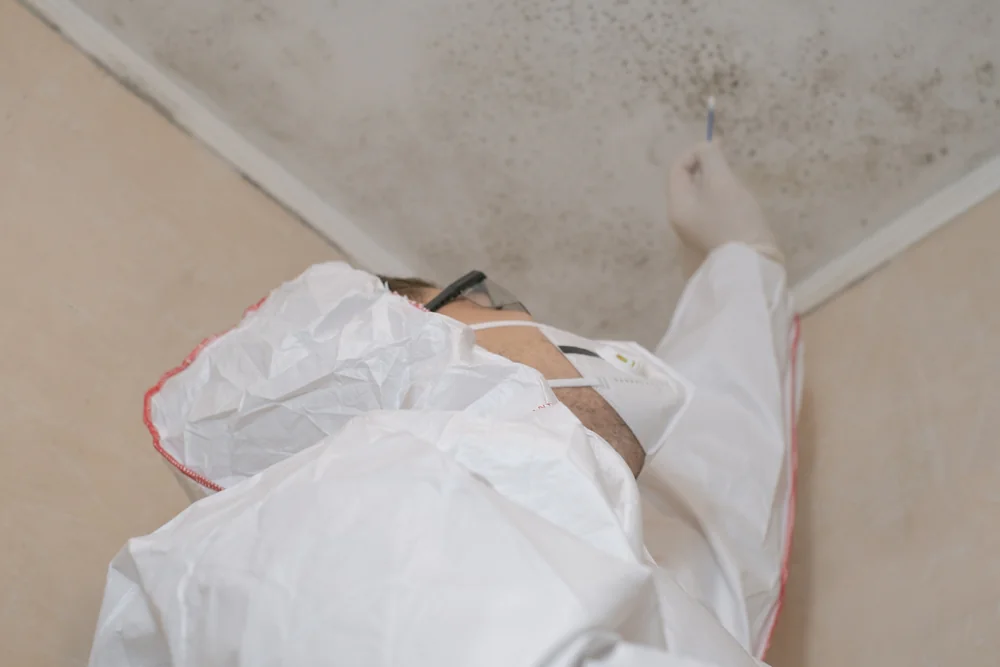
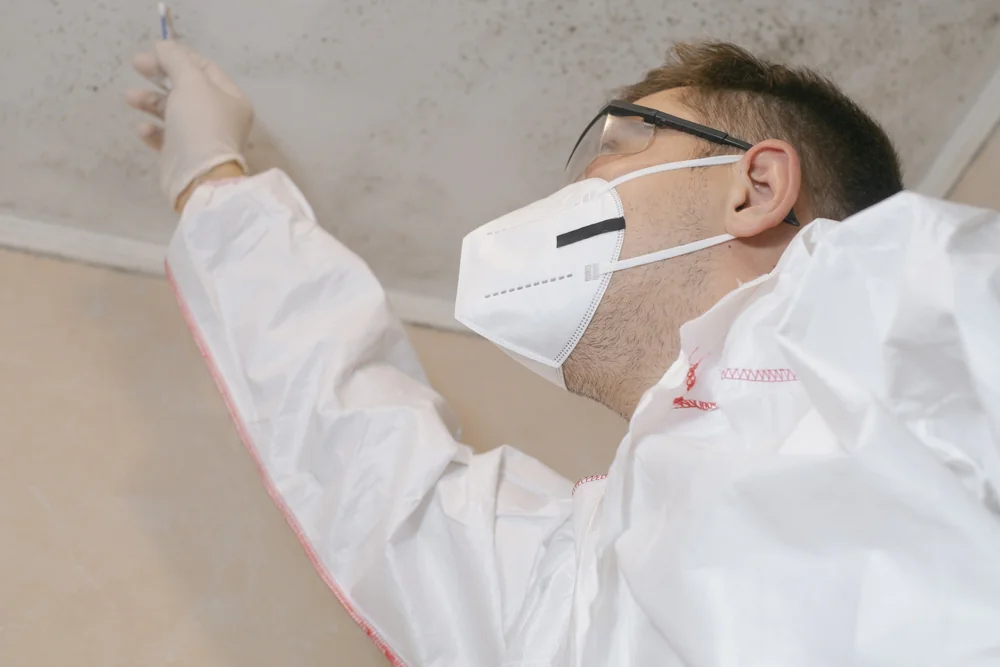
The inspection starts with a detailed visual assessment of your entire property. We check the obvious spots and the hidden ones: behind appliances, inside closets, around windows, in your basement and attic, near plumbing fixtures, and anywhere moisture tends to collect.
Next, we use moisture meters and thermal imaging to detect water intrusion you can’t see. Mold needs moisture to grow, so finding wet areas tells us where problems are developing even if mold hasn’t appeared yet. We also inspect your HVAC system since it can spread mold spores throughout your home if contaminated.
If we find visible mold or suspect hidden growth, we take air and surface samples for lab testing. This identifies the specific mold types present and measures spore concentration levels. You get a detailed report that explains what we found, where the moisture source is coming from, and what steps you need to take next.
The whole process typically takes a few hours depending on your home’s size. You’ll have clear answers and a path forward before we leave.

Ready to get started?
Every mold inspection covers your entire home, not just the area where you noticed a problem. We examine all moisture-prone areas including basements, crawl spaces, bathrooms, kitchens, attics, and around windows and doors. We also check your HVAC system and ductwork since that’s how mold spreads from room to room.
You get moisture mapping that shows exactly where water is accumulating in your home. This matters because fixing the mold without fixing the moisture source means it’ll just come back. We identify leaks, condensation issues, ventilation problems, and humidity levels that are creating the conditions mold needs.
Upper Southampton homes face specific challenges during late summer and fall when humidity peaks and temperature drops increase condensation. We factor in these seasonal patterns when assessing your risk and recommending prevention strategies. Indoor humidity should stay between 30-50% to prevent mold growth, and we’ll tell you if yours is too high.
If testing is needed, lab results typically come back within a few days. You’ll receive a written report with photos, findings, mold types identified, and our recommendations for remediation if necessary. This documentation is also valuable if you’re buying or selling a home and need official confirmation of your property’s condition.
You need an inspection if you’ve had any water damage, notice a musty smell, see visible mold growth, or experience unexplained health symptoms like respiratory issues or allergies that improve when you leave the house. Even if you don’t see mold, it can be growing behind walls or under floors where moisture has accumulated.
Homes in Upper Southampton are particularly vulnerable after heavy rain, flooding, plumbing leaks, or roof damage. If your basement tends to be damp, your bathroom doesn’t ventilate well, or you’ve noticed condensation on windows, those are all signs that conditions are right for mold growth.
Pre-purchase inspections are also smart if you’re buying a home. Mold problems aren’t always disclosed, and finding them before you close can save you thousands in unexpected remediation costs. The inspection gives you leverage to negotiate repairs or adjust the sale price based on what’s actually happening in the property.
A mold inspection is the visual assessment and moisture detection we do throughout your home. We’re looking for visible mold, water damage, humidity issues, and conditions that promote mold growth. This gives you a clear picture of where problems exist and what’s causing them.
Mold testing goes a step further by collecting air or surface samples that get analyzed in a lab. Testing identifies the specific types of mold present and measures spore concentrations in your indoor air. This matters because some molds are more hazardous than others, and knowing what you’re dealing with helps determine the right remediation approach.
Not every inspection requires testing. If we find obvious mold growth and a clear moisture source, you may not need lab confirmation to move forward with removal. But testing is valuable when mold is suspected but not visible, when you need documentation for health reasons or real estate transactions, or when you want to verify that remediation was successful and spore levels have returned to normal.
Most residential mold inspections take between two to four hours depending on your home’s size and complexity. A small single-family home goes faster than a large property with a basement, attic, and crawl space that all need thorough examination.
We don’t rush the process because missing something means you don’t get accurate answers. We’re checking every moisture-prone area, using detection equipment in walls and ceilings, inspecting your HVAC system, and documenting everything we find. If we need to collect samples for lab testing, that adds some time but not significantly.
You’ll get preliminary findings before we leave so you understand what we discovered and what it means. If samples were taken, lab results typically come back within three to five business days. Then you receive a complete written report with photos, test results, and our recommendations for next steps.
You can check visible areas yourself, but you’ll miss most of what matters. Mold grows in hidden spaces like inside walls, under flooring, in ductwork, and behind cabinets where you can’t see without proper equipment. By the time mold is visible on surfaces, it’s usually been growing for weeks and has likely spread to other areas.
We use moisture meters, thermal imaging cameras, and air sampling equipment that detect problems you’d never find on your own. We also know where to look based on how Upper Southampton homes are built and how Pennsylvania’s climate affects different areas of your property throughout the year.
The bigger issue is that DIY inspections often lead to incorrect conclusions. You might see surface mold in one bathroom and think that’s the only problem, when actually there’s hidden growth throughout your HVAC system spreading spores to every room. Or you might not realize that the musty smell in your basement means there’s active mold growth behind finished walls. A professional inspection gives you the complete picture so you can address the real problem, not just what’s visible.
Inspection costs vary based on your home’s size, the extent of the assessment needed, and whether lab testing is required. A basic visual inspection of a smaller home costs less than a comprehensive inspection with multiple air and surface samples sent to a lab for analysis.
What matters more than the upfront cost is what you’re getting for that investment. A thorough inspection catches problems early when they’re cheaper and easier to fix. Finding hidden mold now prevents thousands in structural damage later. It also protects your family from ongoing exposure to something that’s affecting your health.
When you call us at 215-431-4744, we’ll give you a clear price based on your specific situation. No surprises, no upselling services you don’t need. Just an honest assessment of what your home requires and what it’ll cost to get you real answers about your indoor air quality and mold situation.
If we find mold, you get a detailed report explaining what type it is, where it’s located, how extensive the growth is, and what’s causing the moisture problem that allowed it to develop. That report becomes your roadmap for fixing the issue correctly.
Small, contained mold growth might be something you can address yourself once the moisture source is fixed. Larger infestations or toxic mold types like black mold require professional remediation to remove safely without spreading spores throughout your home. We’ll tell you honestly which situation you’re dealing with.
The key is fixing both the mold and the underlying moisture problem. Just cleaning visible mold without addressing the leak, humidity issue, or ventilation problem means it’ll grow back. Our inspection identifies the root cause so you can make repairs that actually solve the problem long-term. Then you can move forward with remediation knowing it’ll be effective and your home will stay mold-free once the work is complete.
Other Services we provide in Upper Southampton