
Hear from Our Customers
You stop wondering what’s behind the walls. The musty smell disappears. Your kids aren’t coughing at night, and you’re not second-guessing every sneeze or headache.
That’s what real mold removal looks like. Not a quick wipedown that buys you three months. Not a DIY attempt that spreads spores into your HVAC system. A full remediation handled by mold experts who know how to find the source, contain the area, and remove it without making things worse.
Most homes in Upper Southampton were built in the 1970s. That means older plumbing, settled foundations, and plenty of opportunities for moisture to sneak in unnoticed. Add in Pennsylvania’s humid summers and you’ve got the perfect recipe for mold growth in basements, attics, crawl spaces, and behind bathroom tiles. If you’ve had a leak, a flood, or even just persistent condensation, mold is already there—you just might not see it yet.
We’ve been helping Upper Southampton homeowners deal with mold the right way—no shortcuts, no scare tactics. Just honest assessments, licensed remediation, and follow-through that actually solves the problem.
We’re local to Bucks County. We know the housing stock here. We’ve seen what happens when a small leak in a 50-year-old home goes unnoticed for six months. And we know how to fix it without tearing apart your entire house or charging you for work you don’t need.
You’ll talk to a real person when you call 215-431-4744. Not a call center. Not a national franchise reading from a script. Someone who’s been in your neighbor’s basement and knows what Upper Southampton homes are up against.
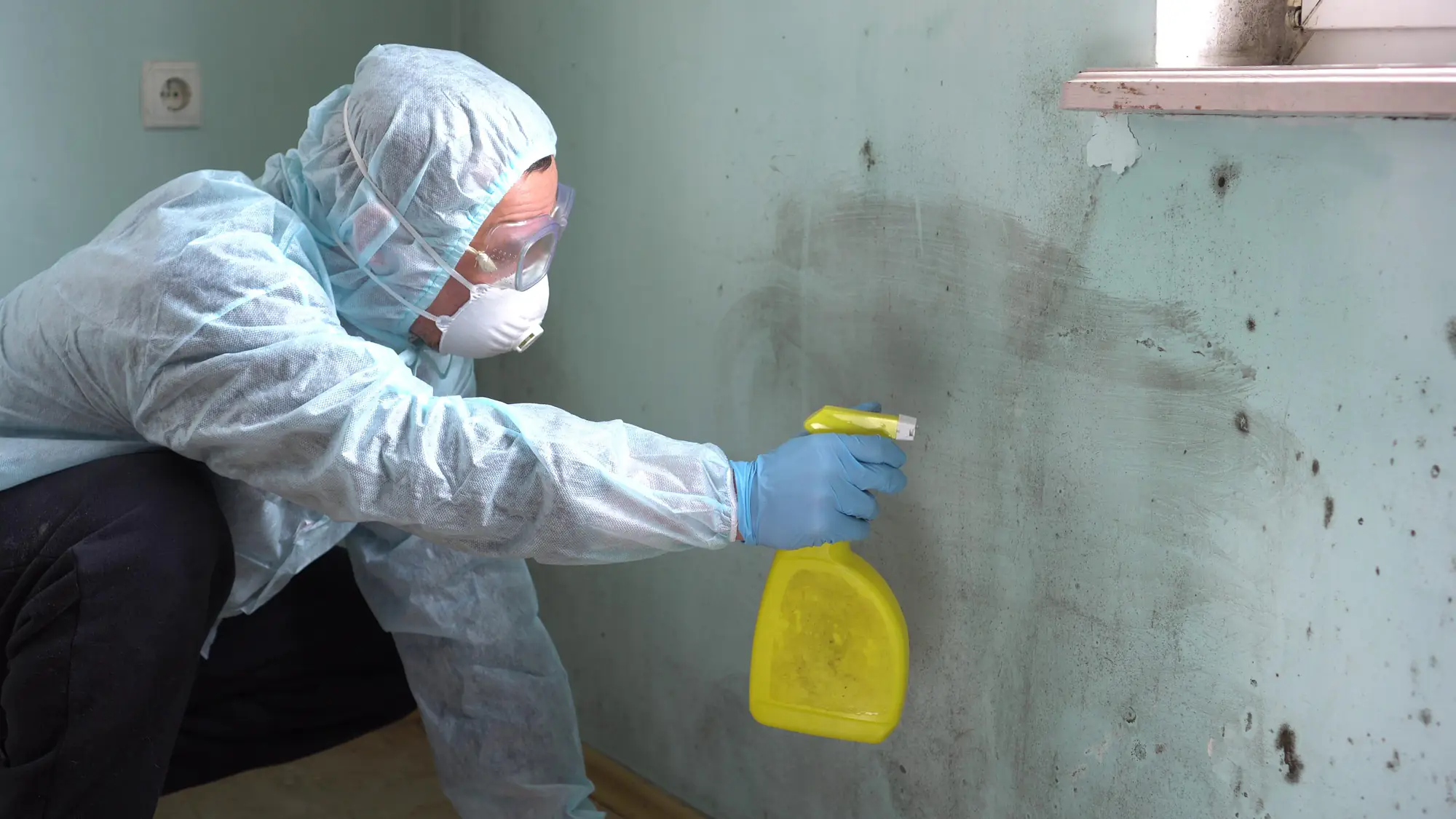
First, we come out for a free inspection. We’re looking for visible growth, but also testing the air and checking moisture levels in places you wouldn’t think to look. Infrared cameras pick up temperature differences that signal hidden water damage. Moisture meters tell us if your drywall or subfloor is wet even when it looks dry.
Once we know what we’re dealing with, we give you a clear assessment. Where the mold is. What caused it. What needs to happen to remove it and keep it from coming back. No upselling. No panic language. Just the facts and a plan that makes sense.
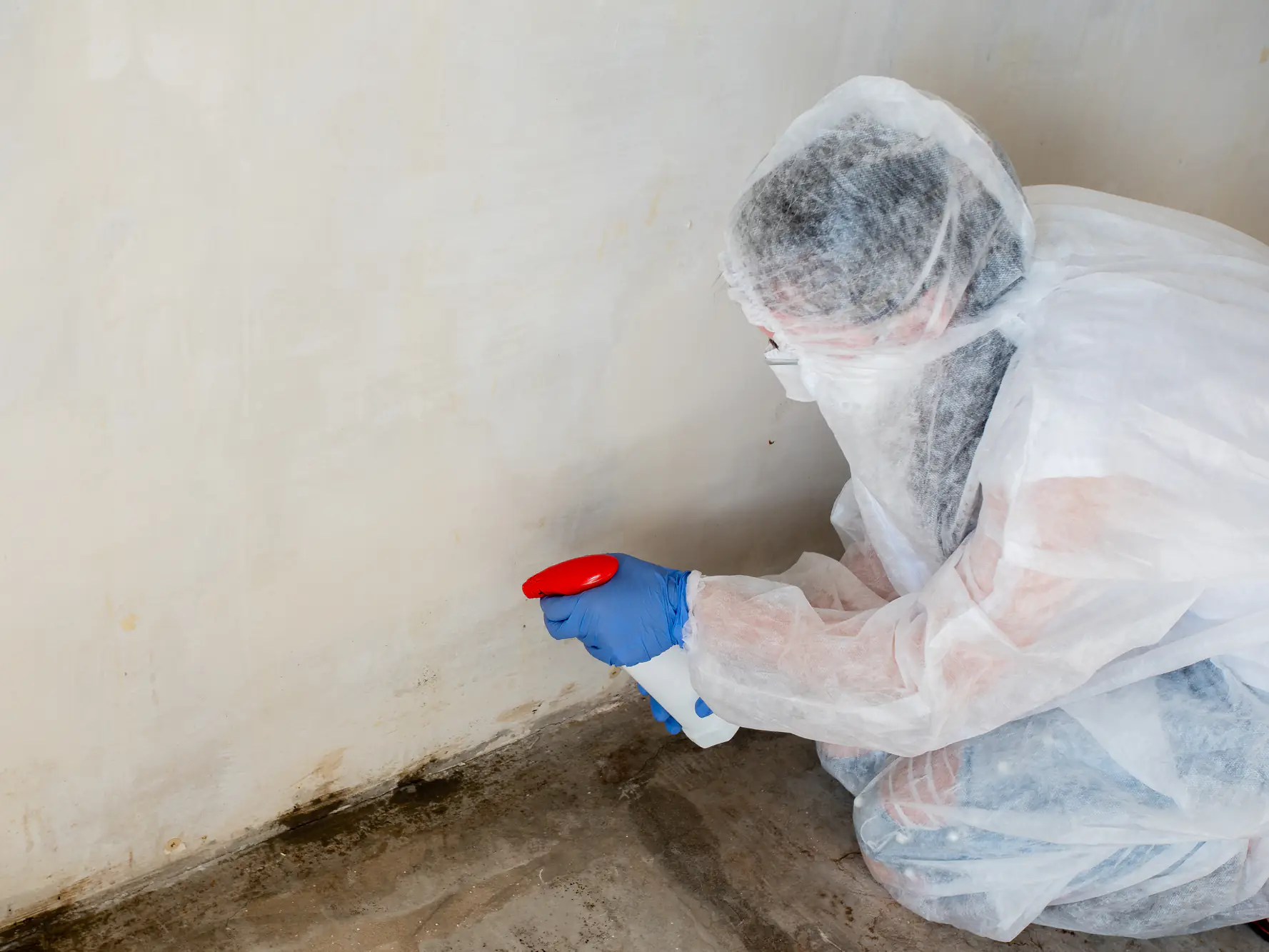
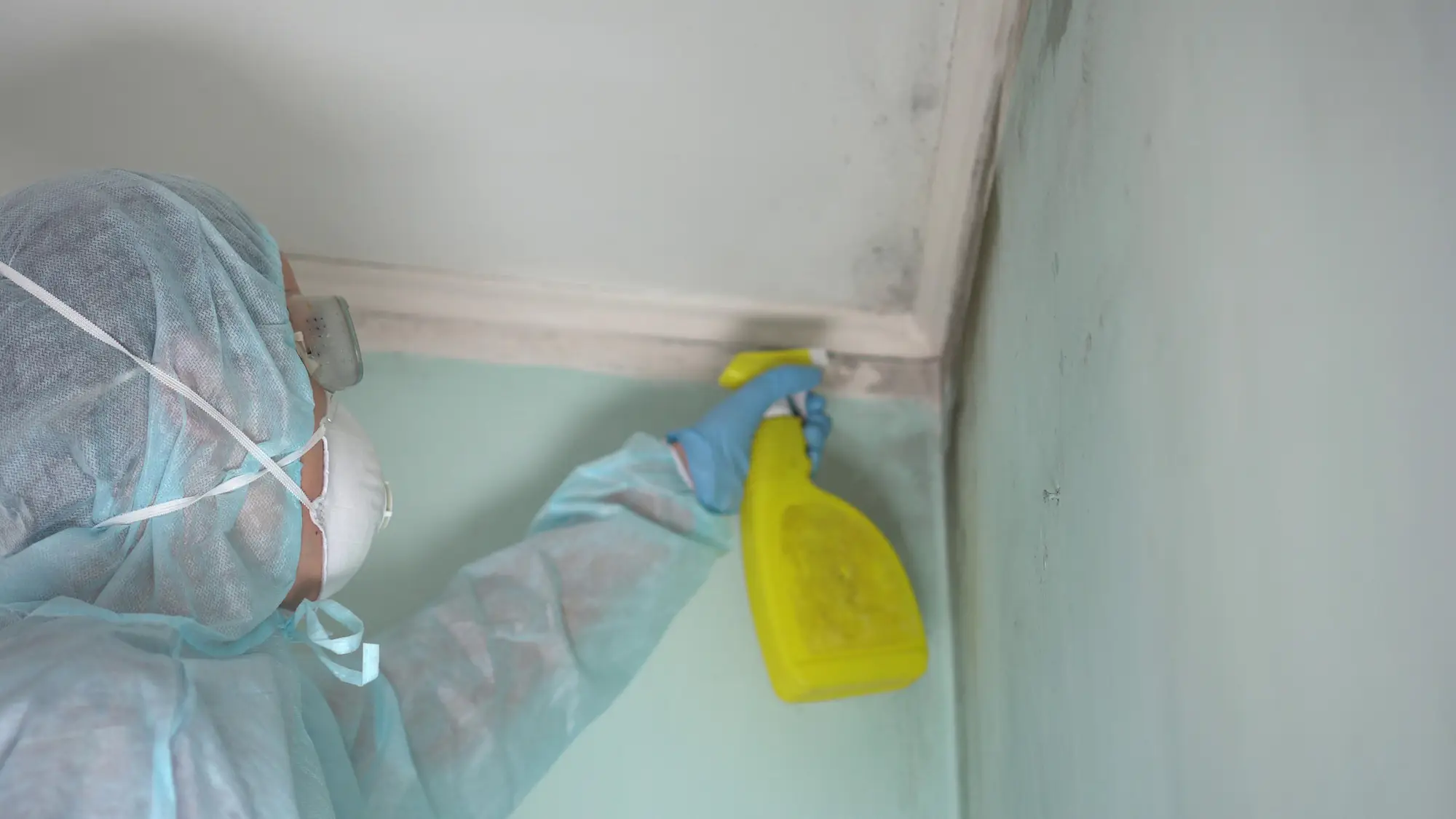
Remediation starts with containment. We seal off the affected area so spores don’t spread during removal. Then we remove contaminated materials, treat surfaces with antimicrobial solutions, and use HEPA filtration to clean the air. If there’s a moisture issue—leaking pipe, poor ventilation, foundation crack—we address that too. Otherwise, you’re just inviting it back.
After everything’s cleared, we test again to confirm the air quality is back to normal. You get documentation. You get peace of mind. And you get a home that’s actually safe.
Ready to get started?
Every job includes professional testing—air samples, surface analysis, moisture mapping. You need to know what you’re dealing with before anyone starts ripping out drywall. We use the same methods and equipment that industrial hygienists rely on, and we follow IICRC S520 standards for mold remediation.
In Upper Southampton, basements are the most common problem areas. Sump pump failures, foundation seepage, poor grading around the house—it all leads to standing water and humidity levels above 60%, which is where mold thrives. Attics are a close second, especially in older homes with inadequate ventilation or roof leaks that go unnoticed until the damage is done.
We also handle black mold removal, which gets the most attention because of its health risks. Stachybotrys chartarum—the technical name—produces mycotoxins that can cause respiratory issues, chronic fatigue, and allergic reactions. It grows on cellulose materials like drywall and wood when they stay wet for extended periods. If you’ve got it, you need a mold removal specialist who knows how to handle it safely.
You’ll also get a detailed plan for prevention. Because the best mold remediation company isn’t the one you have to call twice.

You might see it—dark spots on walls, greenish-black patches in grout, discoloration on ceiling tiles. But mold also grows in places you can’t see: inside walls, under flooring, in HVAC ducts, behind appliances.
The smell is usually the first clue. That musty, earthy odor that doesn’t go away even after you clean. It’s the off-gassing from mold colonies, and it means there’s active growth somewhere nearby.
Health symptoms are another indicator. If people in your house are dealing with unexplained allergies, respiratory issues, headaches, or fatigue that improve when they leave the house, mold exposure could be the cause. Professional testing gives you a definitive answer. We measure airborne spore counts and compare them to outdoor levels. If your indoor air has significantly higher concentrations, you’ve got a problem.
Small surface mold—like a little growth on a windowsill from condensation—you can usually handle with some bleach or vinegar and a scrub brush. But if it’s bigger than a few square feet, if it’s on porous materials like drywall or wood, or if it keeps coming back, DIY isn’t going to cut it.
Here’s why: disturbing mold releases spores into the air. If you’re not containing the area and filtering the air, you’re spreading the problem to other parts of your home. Mold also grows deeper than what you see on the surface. You might clean the visible stuff, but the roots are still in the material, and it’ll grow back.
Black mold and other toxic varieties require proper safety equipment and disposal procedures. You’re dealing with hazardous material, and improper removal can make you sick. Certified mold remediation experts have the training, tools, and protocols to do it right the first time.
It depends on the size of the affected area and what caused it. A small bathroom mold issue might take a day or two. A flooded basement with mold growth across multiple rooms could take a week or more.
The process itself has several stages: inspection and testing, containment setup, removal of contaminated materials, cleaning and treatment of affected surfaces, drying and dehumidification, and final air quality testing. Each stage takes time, and rushing through it means the job won’t be done right.
Most Upper Southampton homes we work on fall somewhere in the middle—three to five days for a typical basement or attic remediation. We’ll give you a clear timeline upfront based on what we find during the inspection. And if we run into something unexpected, like hidden water damage or mold in adjacent areas, we’ll let you know before we proceed.
Moisture. That’s it. Mold needs water, organic material to feed on, and temperatures between 40°F and 100°F. Your home provides the last two year-round. The moisture is what you need to control.
In Upper Southampton, the most common culprits are plumbing leaks, foundation issues, roof leaks, poor ventilation, and high humidity. A slow drip under a sink can saturate the cabinet and drywall behind it. A crack in the foundation lets groundwater seep into your basement. A missing shingle allows rain to soak the attic insulation. An exhaust fan that doesn’t vent outside traps moisture in your bathroom.
Humidity is a big one in Pennsylvania. Summer months regularly hit 70% humidity or higher. If your home doesn’t have adequate ventilation or dehumidification, that moisture condenses on cool surfaces and creates perfect conditions for mold growth. Older homes, which make up most of Upper Southampton’s housing stock, often lack the vapor barriers and ventilation systems that newer construction includes.
There’s no one-size-fits-all answer because every situation is different. A small, contained area might run $500 to $1,500. Extensive remediation involving multiple rooms, structural repairs, or hazardous mold types can cost several thousand dollars.
The variables include: size of the affected area, type of mold, materials that need to be removed, accessibility of the location, and what’s required to fix the underlying moisture problem. A crawl space is harder to work in than a basement. Mold inside walls requires more demolition than mold on a concrete floor.
What you’re really paying for is expertise, proper equipment, and a job that actually solves the problem. Mold and mildew experts use industrial-grade HEPA filtration, antimicrobial treatments, moisture detection technology, and containment systems that prevent cross-contamination. We also handle disposal according to Pennsylvania regulations. The cost of doing it right is always less than the cost of doing it twice—or dealing with health problems and structural damage because it wasn’t done properly the first time.
Sometimes. It depends on what caused the mold and what your policy says. Most homeowners insurance will cover mold remediation if it’s the result of a covered peril—like a sudden pipe burst or storm damage. They typically won’t cover it if it’s from long-term neglect, like a slow leak you didn’t fix or chronic humidity you ignored.
The key is acting quickly. If you have water damage from a covered event, you usually need to start remediation within 24 to 48 hours. Insurance companies expect you to mitigate further damage, and mold that grows because you waited too long might not be covered.
Read your policy or call your agent to understand your coverage limits. Some policies have mold caps—they’ll pay up to a certain amount, but not beyond that. Others exclude mold entirely unless you’ve added specific coverage. We can work with your insurance company and provide the documentation they need, including photos, moisture readings, and scope of work. But it’s your responsibility to know what your policy covers before we start.
Other Services we provide in Upper Southampton