

Hear from Our Customers
Your air quality improves within days. The musty smell disappears. Your kids stop coughing at night.
But here’s what matters more: the problem doesn’t come back. Most mold removal companies treat the symptom—they scrub what’s visible and call it done. That’s why you see the same black spots six months later.
We find where the moisture is coming from. A foundation crack. Poor ventilation in your bathroom. A slow leak behind the wall. Whatever’s feeding the mold gets addressed, or the removal doesn’t mean much. That’s how you protect your family and your property value long-term, not just for the next few weeks.
Upper Southampton’s humid summers and wet springs create perfect conditions for mold growth. You’re not dealing with a one-time issue—you’re managing an environment. We treat it that way.
We work throughout Bucks County, Montgomery County, and the greater Philadelphia area. We’re local, which means we understand what basements in Upper Southampton deal with—older foundations, high water tables, and humidity that doesn’t quit from May through September.
Our team uses EPA-approved methods and follows Pennsylvania regulations for mold remediation. We’re certified, insured, and equipped with the tools to handle everything from small bathroom mold to full basement contamination.
You’ll work with the same technicians from inspection to completion. No subcontractors. No surprises. Just clear communication about what needs to happen and why.

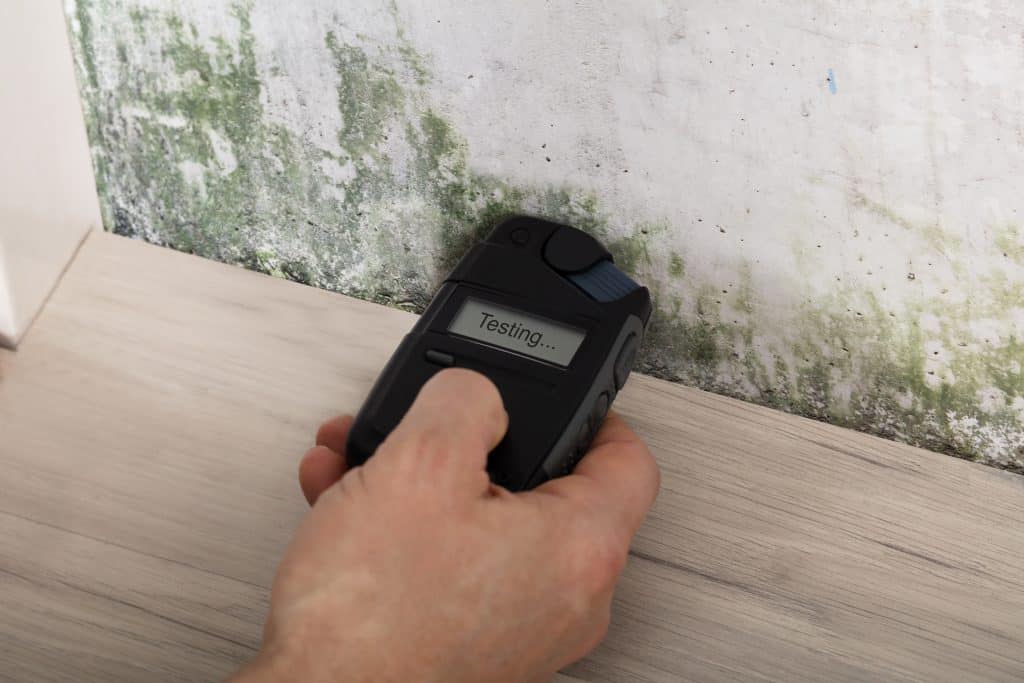
First, we inspect your property—free of charge. We’re looking at visible mold, but also checking areas you can’t easily access: behind walls, under flooring, in crawl spaces. We use moisture meters and thermal imaging to find hidden problems.
Once we know what we’re dealing with, you get a detailed plan and upfront pricing. No hourly rates that creep up. You’ll know the cost before we start.
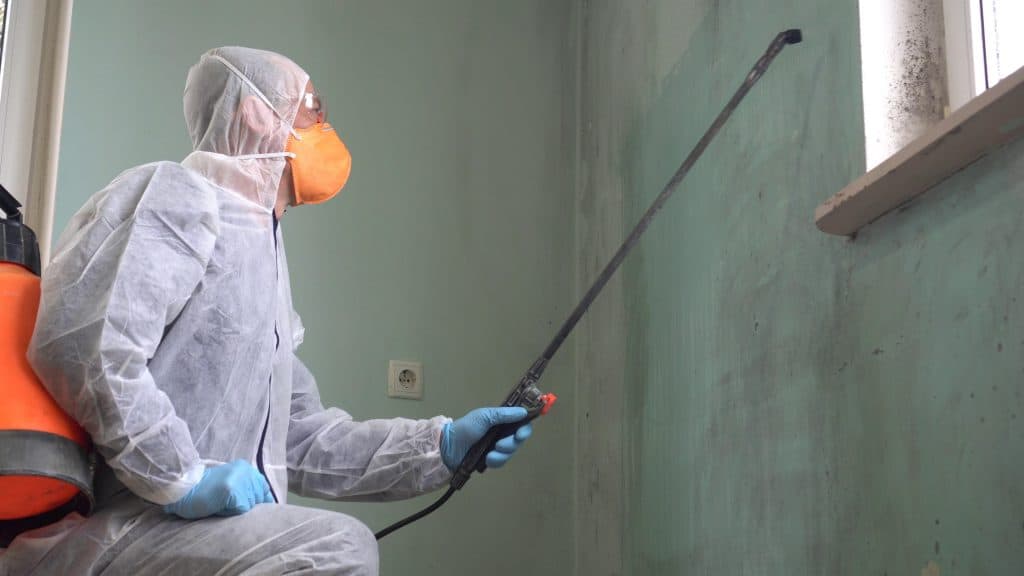
During remediation, we contain the affected area to prevent spores from spreading to clean parts of your home. We remove contaminated materials, treat surfaces with antimicrobial solutions, and use HEPA filtration to clean the air. Then we address the moisture source—whether that’s repairing a leak, improving ventilation, or waterproofing a basement wall.
After removal, we verify the work with air quality testing. You’ll get documentation showing the mold is gone and the environment is safe. If you’re selling your home or dealing with an insurance claim, that paperwork matters.
Ready to get started?
Every job includes a thorough inspection, containment setup, removal of contaminated materials, antimicrobial treatment, HEPA air filtration, and source repair. We also handle the documentation—useful if you’re filing an insurance claim or preparing for a home sale.
In Upper Southampton, we see a lot of basement mold tied to foundation moisture and poor drainage. We also handle attic mold from roof leaks and bathroom mold from ventilation issues. The process adjusts based on the location and severity, but the goal stays the same: eliminate the mold and fix what caused it.
We offer 24/7 emergency service because mold doesn’t wait for business hours. If you’ve had a pipe burst or major water damage, getting us on-site within 24 to 48 hours makes a significant difference in how far the contamination spreads.
You’ll also get help navigating insurance claims if your policy covers mold remediation. We work directly with adjusters and provide the documentation they need to process your claim quickly.
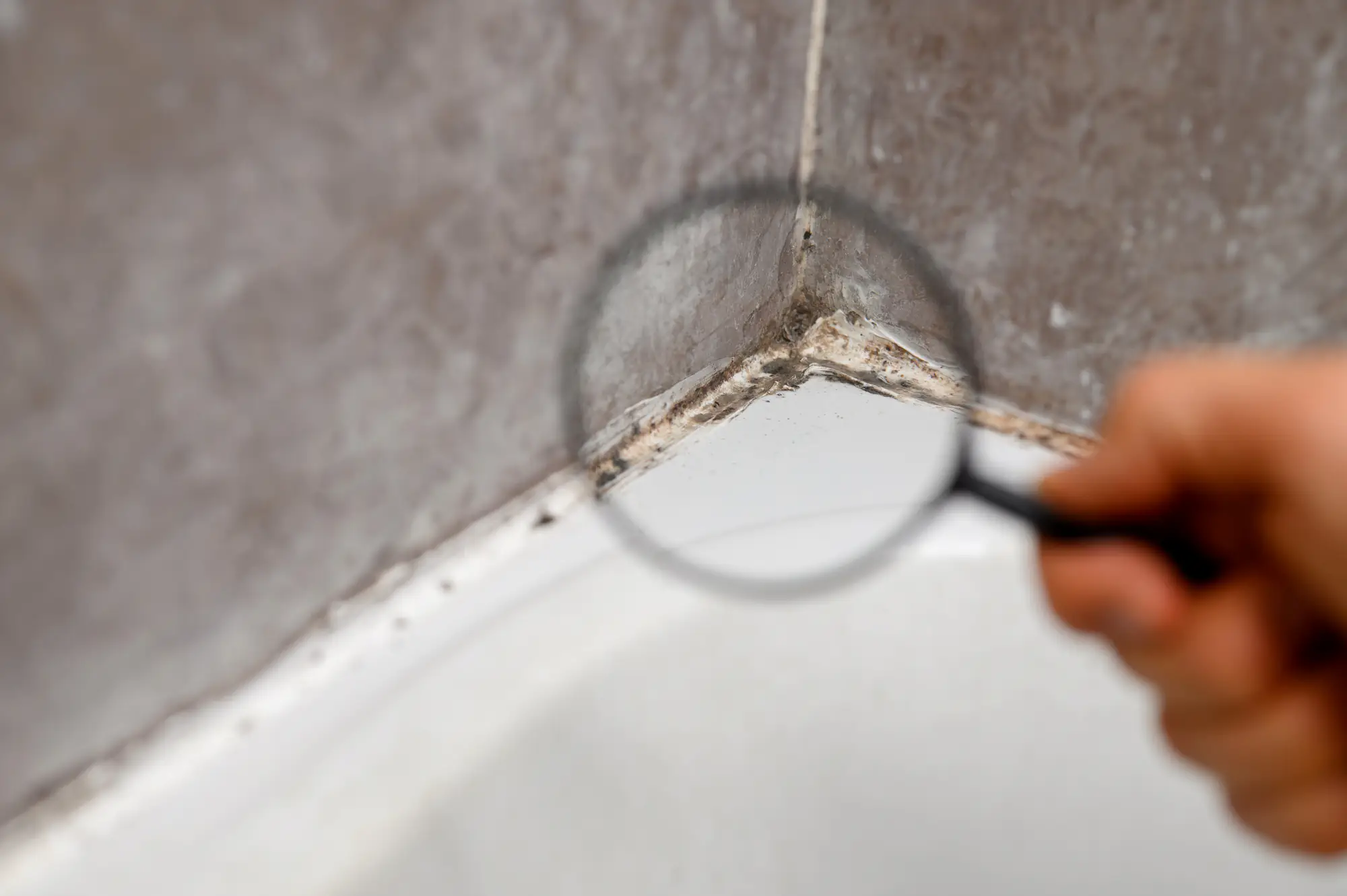
If you see visible mold growth larger than a few square feet, smell a persistent musty odor, or notice health symptoms like coughing and wheezing that improve when you leave the house, you need a professional inspection. Small surface mold on a bathroom tile might be something you can handle with proper cleaning. But if mold keeps coming back, or if you’re dealing with black mold, hidden mold behind walls, or contamination in your HVAC system, DIY methods won’t cut it.
Mold spreads through spores, and disturbing it without proper containment can make the problem worse. You can end up spreading contamination to areas that were previously clean. Professional mold removal includes containment, HEPA filtration, and proper disposal of contaminated materials—all things that protect your home during the process.
In Upper Southampton’s humid climate, mold problems are rarely isolated. If you’re seeing growth in one area, there’s a good chance moisture issues are affecting other parts of your home too. A professional inspection identifies the full scope of the problem so you’re not just treating symptoms.
Most residential mold removal projects take two to five days, depending on the size of the affected area and the extent of the damage. A small bathroom with surface mold might be done in a day or two. A full basement remediation with structural repairs can take a week or more.
The timeline depends on a few factors: how much material needs to be removed, whether we’re dealing with porous surfaces like drywall and insulation, and how long it takes to dry out the space after addressing the moisture source. We can’t rush the drying process—if we seal things up before moisture levels drop, you’ll have mold again within weeks.
During the job, the affected area is contained and off-limits, but the rest of your home remains livable. We set up barriers and negative air pressure to keep spores from spreading. Once remediation is complete, we run air scrubbers and verify air quality before reopening the space. You’ll know exactly how long the project will take after the initial inspection, and we’ll keep you updated if anything changes.
It depends on what caused the mold. Most homeowners insurance policies cover mold remediation if the mold resulted from a covered peril—like a sudden pipe burst, storm damage, or appliance malfunction. If mold developed because of long-term neglect, poor maintenance, or gradual moisture problems, your policy probably won’t cover it.
The key is acting fast. Insurance companies expect you to address water damage immediately to prevent mold growth. If you wait weeks to report a leak and mold develops in that time, they may deny the claim. But if you document the damage, start mitigation quickly, and file promptly, you have a much better chance of coverage.
We work with insurance adjusters regularly and can help you navigate the claims process. We’ll provide the documentation your insurer needs—photos, moisture readings, scope of work, and proof that the mold resulted from a covered event. We also offer flexible payment options if your claim gets denied or you’re dealing with a high deductible. The goal is to get your home safe without the process becoming a financial nightmare.
Mold removal refers to physically removing mold growth from surfaces. Mold remediation is the full process—removing the mold, addressing the moisture source, repairing damage, and restoring your home to safe conditions. You’ll hear both terms used interchangeably, but remediation is more accurate because it includes prevention.
Here’s why that distinction matters: you can remove visible mold from a wall, but if you don’t fix the leak or ventilation issue that caused it, the mold will return. Remediation treats the root cause, not just the symptom. It’s the difference between a temporary fix and a long-term solution.
Professional mold remediation also includes containment, air filtration, antimicrobial treatment, and post-removal testing. These steps ensure that spores don’t spread during the cleaning process and that your air quality is safe when we’re done. DIY mold removal skips most of these steps, which is why it often makes contamination worse. If you’re serious about getting rid of mold for good, remediation is what you need—not just surface cleaning.
In most cases, yes—but it depends on the size and location of the contamination. If we’re remediating a single bathroom or a section of your basement, we’ll contain that area and you can stay in the rest of the house. If the mold is widespread, affecting your HVAC system, or located in high-traffic areas like the kitchen or main living spaces, we may recommend staying elsewhere temporarily.
We use physical barriers and negative air pressure to keep mold spores from spreading into clean areas during the removal process. HEPA air scrubbers run continuously to filter the air. These precautions make it safe for you to remain in unaffected parts of your home while we work.
That said, if anyone in your household has asthma, severe allergies, or a compromised immune system, it’s worth staying with family or in a hotel during the project—even if the contamination is contained. Mold exposure affects people differently, and some individuals are far more sensitive than others. We’ll give you an honest assessment during the inspection so you can make the right call for your family’s health and comfort.
Control moisture and you control mold. That means fixing leaks immediately, improving ventilation in bathrooms and kitchens, using dehumidifiers in basements, and making sure your gutters and downspouts direct water away from your foundation. Mold needs moisture to grow—eliminate the moisture and it can’t survive.
In Upper Southampton, high humidity is a year-round challenge. Basements are especially vulnerable because of the area’s older housing stock and high water tables. If your basement feels damp or smells musty, you likely need better waterproofing or a dehumidifier running regularly. Attics need proper ventilation to prevent condensation buildup, and bathrooms need exhaust fans that actually vent outside—not into the attic.
After we complete remediation, we’ll walk you through the specific conditions that caused your mold problem and what you can do to prevent it from returning. Sometimes that’s as simple as running a fan. Other times it requires foundation repairs or upgrading your sump pump. Either way, you’ll know exactly what maintenance your home needs to stay mold-free. And if you ever see signs of moisture or mold returning, call us early—it’s much easier and cheaper to address a small issue than wait until it spreads.