
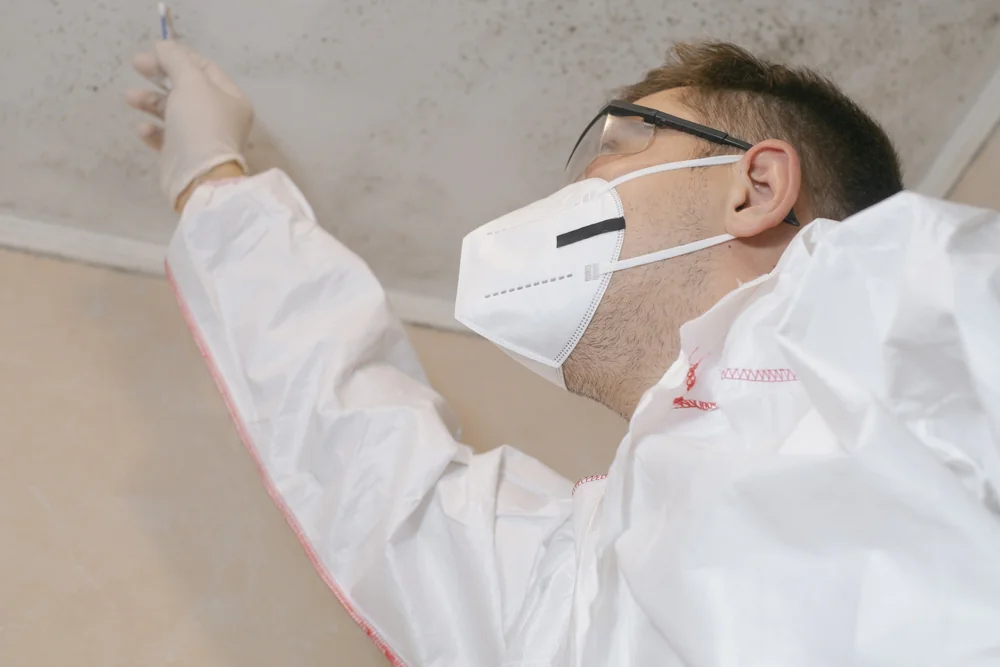
Hear from Our Customers
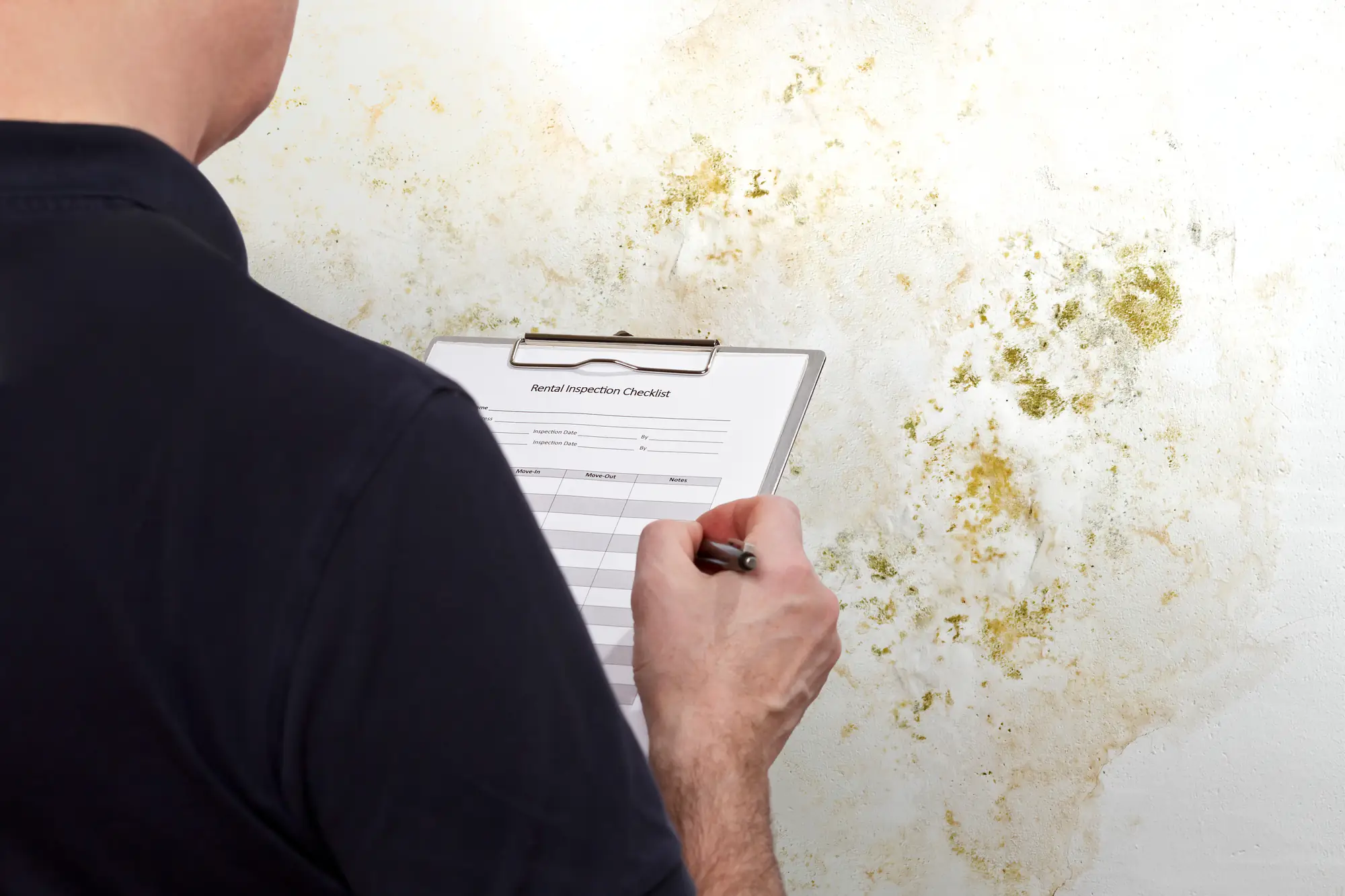
You’ve noticed the musty smell. Maybe someone in your house has been coughing more than usual, or you’re seeing discoloration near a window. The problem is, you can’t see what’s actually happening behind drywall or under floors.
That’s where mold detection services make the difference. We use moisture meters and infrared cameras to locate water sources you didn’t know existed. These aren’t guesses or visual checks—this is technology that shows us exactly where moisture is feeding mold growth, even in spaces you’d never think to look.
The result? You get a clear picture of what’s actually happening in your home. No more wondering if that spot is just a stain or something worse. You’ll know what type of mold you’re dealing with, how far it’s spread, and what it’ll take to fix it before the problem gets expensive.
We’ve been handling mold problems across Bucks, Montgomery, Delaware, Chester, and Philadelphia Counties for years. We’ve worked in enough Point Breeze homes to know the patterns—older construction with ventilation issues, humid Pennsylvania summers that don’t let moisture escape, attics that trap heat and dampness for weeks.
We’re not here to upsell you on services you don’t need. Our job is to tell you what’s actually there, how serious it is, and what your options are. Some situations need immediate remediation. Others just need better airflow and a dehumidifier.
You’ll get a detailed report either way. If there’s mold, we’ll identify the type and show you where it’s growing. If there’s a moisture problem that hasn’t turned into mold yet, we’ll show you that too so you can address it before it does.
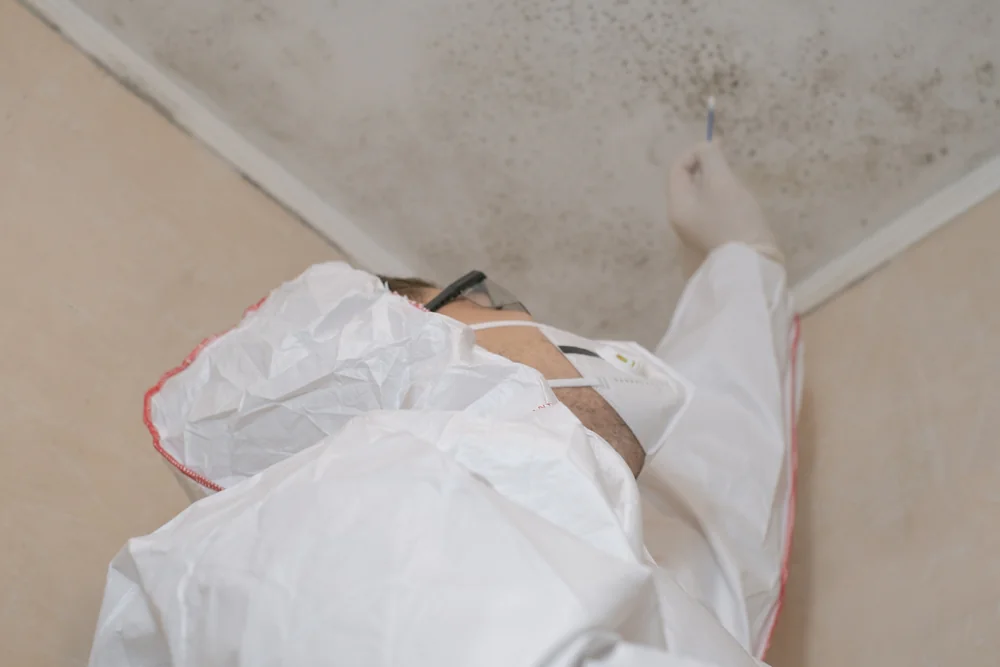
First, we walk through your property and talk about what you’ve noticed—smells, stains, health symptoms, water damage history. This gives us context for where to look first.
Then we start the actual inspection. We’re checking visible areas, but more importantly, we’re using moisture meters to test walls, ceilings, and floors for hidden water content. High readings tell us where to investigate further with infrared cameras, which show temperature differences that indicate moisture behind surfaces.
If we find something suspicious, we take samples. These get analyzed to determine what type of mold is present and how much of it you’re dealing with. Not all mold is the same, and knowing what you have matters for remediation.
After the inspection, you get a written report. It includes photos, moisture readings, lab results if we took samples, and our recommendations. If you need remediation, we’ll explain what that involves and give you a clear estimate. If you just need to fix a leak and improve ventilation, we’ll tell you that instead.

Ready to get started?
A real mold inspection goes deeper than looking at your walls. We’re testing moisture levels throughout your property because that’s what tells us if conditions are right for mold growth. Point Breeze homes face specific challenges—many were built before modern moisture barriers existed, and Pennsylvania’s summer humidity sits right in the danger zone where moisture doesn’t evaporate easily.
Our inspections include infrared thermal imaging to spot temperature variations that indicate hidden water damage. We’re checking attics, crawl spaces, basements, and anywhere water could be accumulating without obvious signs. These are the spots where mold grows for months before anyone notices.
You’ll also get air quality testing if needed. Sometimes mold is releasing spores into your air even when you can’t see the source. Testing confirms whether that’s happening and helps us track down where it’s coming from.
The report you receive breaks down everything we found, explains what it means in plain terms, and outlines what needs to happen next. If remediation is necessary, we handle that too—but the inspection comes first so you know exactly what you’re dealing with before any work begins.

Most mold inspections in Point Breeze run between $300 and $600 depending on your property size and how extensive the inspection needs to be. A small condo with one suspected area costs less than a full home inspection with multiple moisture concerns.
The price includes the physical inspection, moisture testing, thermal imaging, and a detailed report. If we need to take samples for lab analysis, that’s usually an additional cost because those samples get sent to a third-party lab for identification.
Some companies offer free inspections, but they’re often tied to remediation services—meaning they only inspect if you hire them for the removal work. We keep inspection separate so you get an unbiased assessment first. You’re paying for information, not a sales pitch.
A mold inspection is the full assessment—we’re looking for visible mold, checking moisture levels, using thermal imaging to find hidden problems, and evaluating conditions that support mold growth. It’s the complete picture of what’s happening in your property.
Mold testing is more specific. It means we’re taking samples—either from surfaces or from the air—and sending them to a lab to identify what type of mold is present and how concentrated it is. Testing usually happens during an inspection when we find something that needs identification.
You don’t always need testing. If there’s obvious mold growth and a clear moisture source, testing won’t change the fact that it needs to be removed. But if you’re experiencing health symptoms with no visible mold, or if you need documentation for insurance or legal reasons, testing gives you that confirmation.
Most residential mold inspections take between one and three hours depending on your property size and how many areas need investigation. A straightforward inspection of a smaller home with one problem area might be done in an hour. A larger property with multiple moisture concerns or a complicated layout takes longer.
We’re not rushing through this. Thermal imaging takes time. Moisture testing takes time. Checking crawl spaces and attics thoroughly takes time. If we’re taking samples, that adds to the process because we need to document everything properly.
You’ll get the visual findings and our initial assessment the same day. If we sent samples to a lab, those results typically come back within a few days. Then we compile everything into your written report with photos, data, and recommendations.
You can buy DIY mold test kits, but they don’t tell you much that’s actually useful. Most kits just confirm that mold spores are present—which they are in pretty much every home. Mold spores are everywhere. The question isn’t whether they exist, it’s whether they’re actively growing and where.
DIY kits can’t find hidden mold behind walls or under floors. They can’t measure moisture levels in your building materials. They can’t tell you if that discoloration is surface mold or if there’s a bigger problem feeding it from inside the wall cavity.
More importantly, if you do find mold, you shouldn’t be touching it or trying to clean it yourself. Disturbing mold releases more spores into your air, and depending on the type, that can trigger serious respiratory reactions. Professional mold detection uses containment methods and proper sampling techniques that don’t make the problem worse while we’re investigating it.
The most common sign is a persistent musty or earthy smell that doesn’t go away even after cleaning. That smell means mold is actively growing somewhere, even if you can’t see it yet.
Visible discoloration or staining on walls, ceilings, or around windows is another clear indicator—especially if it’s black, green, or has a fuzzy texture. Water damage history matters too. If you’ve had leaks, flooding, or plumbing problems in the past year, there’s a good chance mold started growing in the damp materials.
Health symptoms are often the first clue for people. If you or your family are experiencing unexplained respiratory issues, persistent coughing, headaches, or allergy-like symptoms that get better when you leave the house, mold exposure could be the cause. Point Breeze’s older homes with limited ventilation make this more common because moisture gets trapped and doesn’t dry out properly.
If the home you’re buying is older, has had any water damage, or shows signs of moisture problems, a mold inspection is worth the cost. Standard home inspections don’t usually include detailed mold testing or moisture analysis—they note visible issues, but they’re not using thermal imaging or testing behind walls.
Mold remediation can cost thousands to tens of thousands depending on how extensive the problem is. Finding out before you close gives you leverage to negotiate repairs, ask for a price reduction, or walk away if the problem is too severe. Without an inspection, you’re taking on that risk blindly.
In Point Breeze specifically, many homes were built before modern moisture barriers and ventilation standards existed. Basements, attics, and crawl spaces in older construction are prime spots for hidden mold growth. A black mold inspection before purchase protects your investment and gives you a clear picture of what you’re actually buying.
Other Services we provide in Point Breeze